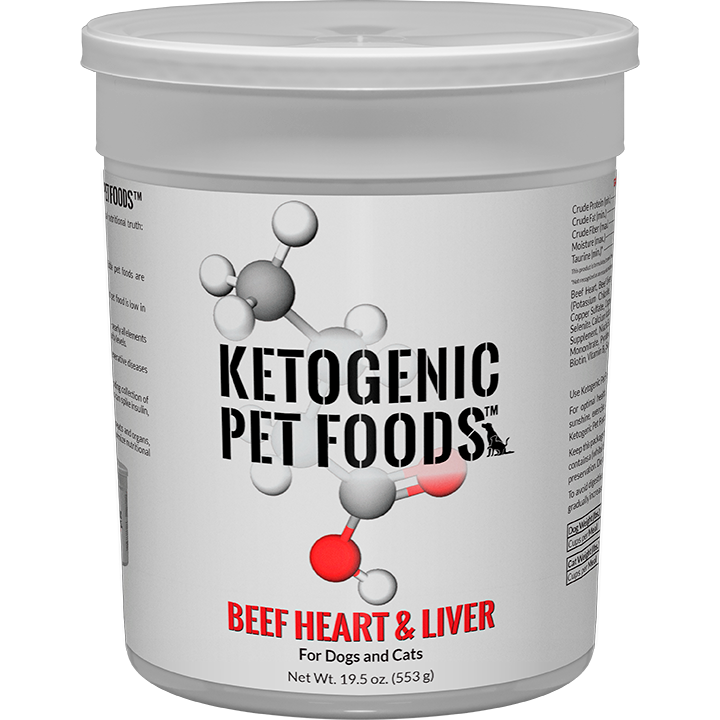
Beef Heart & Liver Freeze-Dried Food
Verified Jun 15, 2026
This is a very high-protein, high-fat freeze-dried beef heart and liver food designed for adult dogs and cats, either as a complete meal or a nutrient-dense topper. It relies on organ meats as rich sources of animal protein and fat, with added oils and a full vitamin-mineral blend to meet AAFCO maintenance standards. The absence of added starch keeps the carbohydrate content quite low, which suits pets who do well on a more meat-focused diet.
Nutritionally, this is a very meat-heavy, low-carbohydrate freeze-dried option for adult dogs and cats, using beef heart and liver as concentrated sources of protein and fat. It’s complete and balanced for maintenance by AAFCO formulation, so it can be used as a primary diet for healthy adults or as a high-value topper to boost protein and calories. The rich organ content and high fat mean it’s best suited to pets with good digestive tolerance and normal to higher calorie needs rather than those requiring lower-fat diets.
The KibbleLab Score (1–10) is assessed from publicly available product data. Our evaluation is science-based, not marketing-based.
KibbleLab may earn an affiliate commission when you buy through a link. No one can pay for a higher score, or to change what we recommend for your pet.
At a Glance
KibbleLab Review
Strengths
- Very high protein (44% as-fed) and fat (28% as-fed) from animal sources, which is appropriate for many healthy adult dogs and cats who thrive on meat-focused diets.
- Simple ingredient list with beef heart and beef liver as the main components, which can be appealing for owners looking for a more limited and clearly animal-based recipe.
- Formulated to meet AAFCO Dog and Cat Food Nutrient Profiles for adult maintenance, so it provides complete and balanced nutrition when fed as directed.
- Freeze-dried format helps preserve nutrients and flavor and offers flexibility to feed dry or rehydrated, which can be helpful for picky eaters or pets who benefit from higher moisture when reconstituted.
Considerations
- Relies entirely on beef (heart and liver), which is a common protein allergen; this would not be appropriate for pets with known beef sensitivities or allergies.
- The high fat level may not be suitable for pets with a history of pancreatitis, hyperlipidemia, or those who need a lower-fat diet; some animals with sensitive stomachs can also struggle with rich, organ-heavy foods.
- Very low fiber (maximum 0.5%) may not be ideal for pets that benefit from more dietary fiber for stool quality or certain digestive issues, so monitoring stools when transitioning is important.
- Calorie density is high at about 450 kcal per 100 grams, so portions need to be measured carefully, especially for indoor cats and less active dogs to help prevent unwanted weight gain.
Full Ingredient List
Ingredients and analysis reflect manufacturer data at the time of our last update and can change without notice. Always check the actual product packaging before feeding.
Ingredient filtering helps identify compatible options but is not a substitute for a veterinary elimination diet.
Top 5 Ingredients Explained
01
Beef Heart
Beef heart is a nutrient-dense organ meat commonly used in pet foods and treats as a high-quality animal protein and flavor enhancer, providing essential amino acids, taurine (especially important for cats and supportive of cardiac health in both species), B vitamins (including B12), iron, zinc and coenzyme Q10. It is a beneficial addition when part of a balanced diet but should not be the sole protein source—pets with beef allergies should avoid it, and processed or raw beef heart requires proper formulation and handling to ensure mineral balance and food-safety (e.g., control of sodium and pathogens).
02
Beef Liver
Beef liver is an organ meat commonly used in dog and cat foods and treats as a highly palatable, protein-rich, nutrient-dense ingredient that provides concentrated, bioavailable vitamins (especially vitamin A and B12), heme iron, copper, and essential amino acids. While it supports blood health and overall nutrition, beef liver should be fed in moderation because excess vitamin A can cause toxicity, its richness may upset sensitive stomachs or contribute to pancreatitis in predisposed pets, and proper sourcing/processing is important to minimize contaminant or bacterial risks.
03
Coconut Oil
Coconut oil is used as a concentrated fat source and palatability enhancer in dog and cat diets, providing medium-chain triglycerides (notably lauric acid) that can be rapidly metabolized for energy and may help support skin and coat condition. Because it is high in saturated fat and calories, coconut oil should be used sparingly and introduced gradually to avoid gastrointestinal upset, and pets with obesity or a history of pancreatitis should only use it under veterinary guidance.
04
Avocado Oil
Avocado oil is used in pet foods as a concentrated fat source and palatant that supplies primarily monounsaturated fatty acids (notably oleic acid) and vitamin E, which can support skin and coat condition and aid absorption of fat‑soluble nutrients in dogs and cats. Because it is calorie‑dense and high in fat, it should be used in moderation and avoided in animals with pancreatitis or on low‑fat therapeutic diets; refined commercial avocado oil is generally low in persin and considered safe for dogs and cats, but poor‑quality or rancid oil can cause gastrointestinal upset and some species (e.g., birds) are more sensitive to avocado compounds.
05
Rice Bran Oil
Rice bran oil is used in pet foods as a concentrated fat source providing energy, primarily monounsaturated and omega‑6 polyunsaturated fatty acids, and contains fat‑soluble antioxidants such as vitamin E and gamma‑oryzanol that can help support skin and coat health. Because it is calorie‑dense and susceptible to oxidation, diets must be properly formulated and preserved, and pets with pancreatitis, obesity, or specific fatty‑acid needs (for example cats’ requirement for arachidonic acid) may require dietary adjustments or restrictions.
Nutritional Breakdown
How to read As Fed versus Dry Matter
As fed shows the numbers straight off the label, water included. Dry matter removes the water so you can compare a wet food and a dry food fairly.What is calorie density
How many calories the food packs per unit. Denser foods mean smaller portions for the same calories.Product Details & Brand
Product Specs
AAFCO Nutritional Adequacy
What is AAFCO
Association of American Feed Control Officials. It sets the nutritional
adequacy standards US pet foods are measured against.
What is AAFCO
Association of American Feed Control Officials. It sets the nutritional adequacy standards US pet foods are measured against.Brand

Ketogenic Pet Foods offers ultra-low carbohydrate, high-fat dog and cat food designed to align with ketogenic dietary principles. The brand targets health-conscious pet owners seeking metabolic support and ancestral-style nutrition. Products are offered in dry, wet, and treat forms and emphasize grain-free, starch-free formulations.
Visit Ketogenic Pet FoodsManufacturer
Ketogenic Pet Foods manufactures its diets in the United States using USDA-inspected ingredients under FDA-regulated facilities. Quality control practices emphasize ingredient sourcing and nutritional integrity, though independent audits and third-party certifications are not publicly detailed.
Manufacturing details are compiled from public sources and not independently verified; they may not reflect contract manufacturing or co-packing.
Recall History
Ketogenic Pet Foods Beef Heart & Liver Freeze-Dried Food has no recalls since 2014.
Source: FDA Pet Food Recall Database · Monitored daily
Sign up for the full picture
Feeding Calculator
Personalized portion sizes based on your pet's weight, age, and activity level.
Get startedSimilar Foods
Post your dog's report card and challenge friends to check their food.
Frequently Asked Questions
Has Ketogenic Pet Foods ever been recalled?
We have no recalls on record for Ketogenic Pet Foods. We monitor the FDA Pet Food Recall Database daily.
How does KibbleLab rate foods?
Our scores are based on ingredient composition, nutritional profile, AAFCO compliance, and health considerations. We don't penalize by-products, grains, or synthetic preservatives. Brands cannot pay for higher scores.
Is KibbleLab a substitute for veterinary advice?
No. KibbleLab provides data-driven food analysis, not medical advice. Always consult your veterinarian before making dietary changes, especially for pets with health conditions.
KibbleLab provides informational content only. This is not veterinary advice. Always consult a qualified veterinarian before changing your pet's diet.
KibbleLab may earn affiliate commissions through product links. No one can pay for a higher score, or to change what we recommend for your pet.
Product data sourced from manufacturer websites, AAFCO statements, and FDA recall database. Last verified dates reflect our most recent data check.

 Continue with Google
 Continue with Facebook