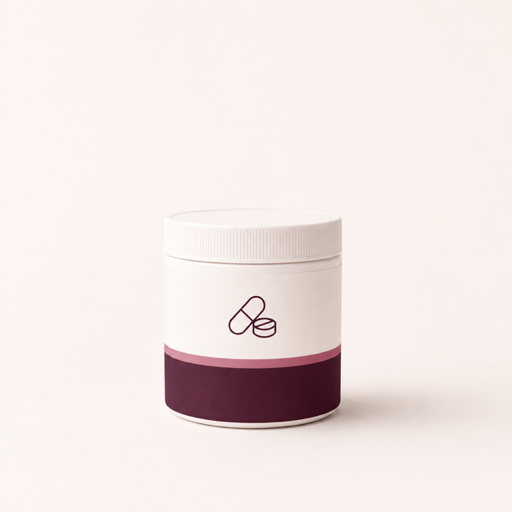
KMR Healthy Aging Supplement Powder
Verified Oct 12, 2026
This is a high-protein powdered supplement designed to support overall wellness in adult and senior cats. It uses dairy-based proteins plus added omega-3 and omega-6 fatty acids, vitamin E, taurine, and other vitamins and minerals, and can be mixed with water or sprinkled over food. It’s intended as a snack or topper rather than a complete diet, adding extra calories and nutrients for aging cats who may benefit from additional support.
Jump to ingredientsAffiliate link · may earn a commission at no extra cost to you
Strong Choice
Nutritionally, this is a well-formulated supplement powder for adult and older cats who are already eating a complete and balanced diet but may need extra calories, protein, and supportive nutrients. The dairy and whey proteins are highly digestible, and the added omega fatty acids, vitamin E, taurine, and other micronutrients can help bolster general health in aging cats. It’s best suited as a controlled, small portion add-on for seniors who tolerate dairy well and can benefit from a tasty way to boost their intake.
Computed from 3 of 3 applicable checks. Missing data is skipped, never counted against a food.
The KibbleLab Score (1–10) is assessed from publicly available product data. Our evaluation is science-based, not marketing-based.
KibbleLab may earn an affiliate commission when you buy through a link. No one can pay for a higher score, or to change what we recommend for your pet.
At a Glance
Where these benefits come from
Benefits the manufacturer highlights in its own product marketing. KibbleLab lists them for reference and does not verify these claims.KibbleLab Review
Strengths
- High protein content from digestible dairy and whey sources, which can help support muscle maintenance in adult and senior cats.
- Includes omega-3 and omega-6 fatty acids, plus vitamin E, which together can support joints, skin and coat, and overall wellness.
- Contains taurine and a broad spectrum of added vitamins and minerals, providing useful nutritional backup to the main diet.
- Versatile powder format that can be sprinkled on food or mixed with water, which can be helpful for picky or under-eating older cats.
Considerations
- This is a supplement intended for intermittent or supplemental feeding only and should not replace a complete and balanced cat food; it should stay under 10% of daily calories.
- Contains multiple dairy ingredients (dried skimmed milk, whole milk, whey), which can cause digestive upset in some cats that are sensitive to lactose or milk proteins.
- Includes animal fat preserved with BHA and BHT; these synthetic preservatives are considered safe but may be a point of preference for some owners.
- Provides extra calories, so portions should be monitored, especially for less active or overweight senior cats, to avoid unwanted weight gain.
Full Ingredient List
Ingredients and analysis reflect manufacturer data at the time of our last update and can change without notice. Always check the actual product packaging before feeding.
Ingredient filtering helps identify compatible options but is not a substitute for a veterinary elimination diet.
Top 5 Ingredients Explained
01
Beef Broth
Beef broth is commonly used in pet foods and toppers as a savory flavoring and moisture enhancer to boost palatability and encourage hydration, and depending on preparation can contribute small amounts of protein, minerals and gelatin-derived collagen. Care should be taken because commercial broths are often high in sodium and may contain added ingredients (onion, garlic, spices, preservatives or sweeteners) that can be harmful to dogs or cats, so choose low-sodium, pet-safe formulations and avoid if your pet has a beef allergy or sodium-sensitive condition.
02
Rice Flour
Rice flour is a finely milled carbohydrate ingredient commonly used in pet foods as a digestible energy source and as a binder or thickener in kibble, treats, and wet food formulations. It is generally well tolerated by dogs and cats and low in fat, but offers limited protein and essential amino acids (so it should complement animal protein sources), can increase dietary glycemic load which may be relevant for diabetic or weight‑management pets, and may carry low levels of inorganic arsenic depending on sourcing and processing.
03
Skim Milk
Skim milk is a low‑fat dairy ingredient commonly used in pet foods as a source of high‑quality animal protein, calcium and water‑soluble vitamins, and to improve palatability, texture and binding in formulations. While it can provide useful nutrients, many adult dogs and especially cats are partially lactose intolerant and may experience gastrointestinal upset, and it should be used cautiously in pets with lactose sensitivity, milk protein allergies or those needing strict carbohydrate or calorie control.
04
Whole Milk
Whole milk is used in pet foods mainly as a palatability enhancer and source of animal fat, protein, calcium, phosphorus and fat‑soluble vitamins, often added as liquid or dried milk to improve flavor and texture. While it provides energy and key nutrients, many adult dogs and cats have low lactase activity and can develop diarrhea or GI upset, it is calorie‑dense and may exacerbate obesity or pancreatitis risk, can be an allergen for some pets, and should be used as a processed (not raw) ingredient rather than a staple in the diet.
05
Maltodextrin
Maltodextrin is a processed, rapidly digestible carbohydrate commonly used in pet foods and treats as a binder, bulking agent, texture improver and flavor carrier. It supplies easily metabolized calories but offers little in the way of vitamins, minerals or fiber, so excessive inclusion can contribute to weight gain or blood sugar spikes in obese or diabetic dogs and cats, and it may cause digestive upset in sensitive pets; sources can include corn, wheat, potato or rice, so check for potential allergen concerns.
Nutritional Breakdown
How to read As Fed versus Dry Matter
As fed shows the numbers straight off the label, water included. Dry matter removes the water so you can compare a wet food and a dry food fairly.What is calorie density
How many calories the food packs per unit. Denser foods mean smaller portions for the same calories.Not sure how much of this to feed?
The right daily portion depends on your cat's weight, age, and activity level. Create a free account, add your cat, and get their daily calories and portion sizes.
Product Details & Brand
Product Specs
Brand
KMR (Kitten Milk Replacer) is a highly regarded milk formula designed to provide complete nutrition to orphaned or nursing kittens requiring additional feeding. It closely mimics the composition of mother’s milk and is trusted by veterinarians and rescues worldwide.
Manufacturer
PetAg maintains extensive quality control programs for its pet nutrition products, adhering to regulatory standards for pet food and supplements in the United States. Their facilities operate under FDA and AAFCO guidelines for animal feed safety and quality.
Manufacturing details are compiled from public sources and not independently verified; they may not reflect contract manufacturing or co-packing.
Recall History
No recall is listed for KMR KMR Healthy Aging Supplement Powder.
Source: FDA animal food recall listings back to January 2019 · Checked daily, last on Oct 17, 2026
Sign up for the full picture
Ingredient Check
We'll check every ingredient against your pet's profile.
Feeding Calculator
Personalized portion sizes based on your pet's weight, age, and activity level.
Side-by-Side Comparison
Compare this food with alternatives to find the best fit.
Similar Foods


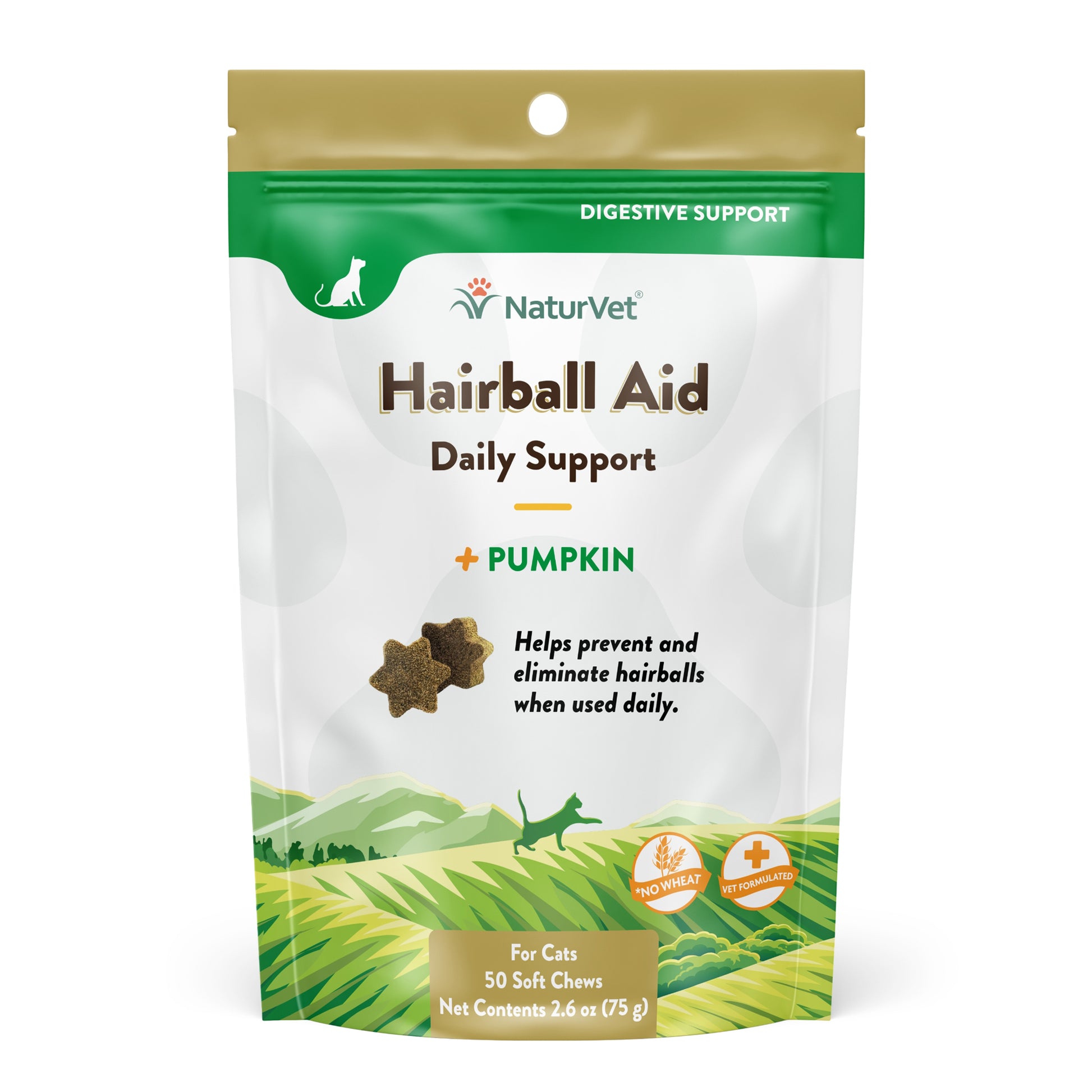
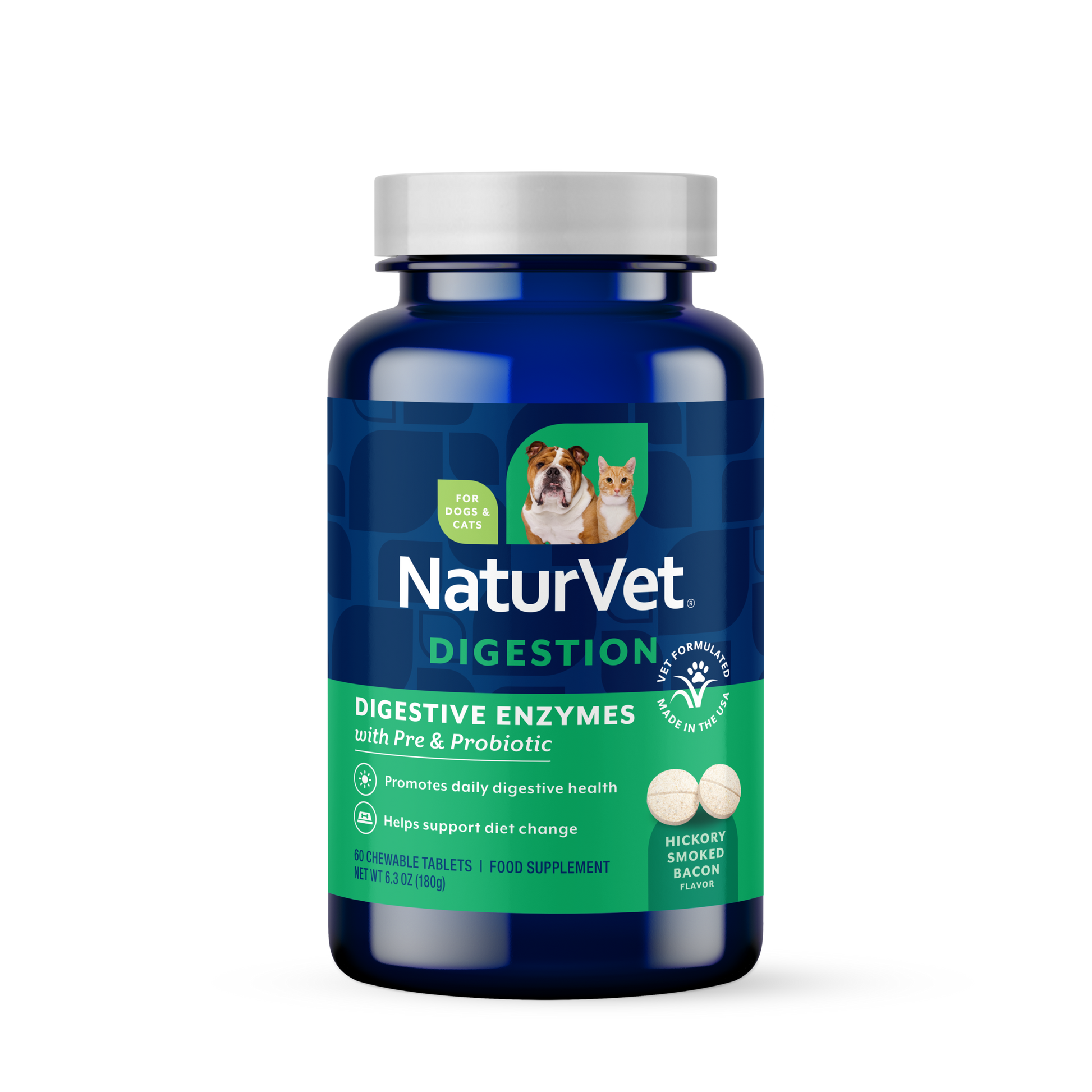
Post your cat's report card and challenge friends to check their food.
Frequently Asked Questions
Has KMR ever been recalled?
We have no recalls on record for KMR. We track the FDA's animal food recall listings back to January 2019 and publish every pet food recall automatically. A filing that isn't pet food may not appear here.
How does KibbleLab rate foods?
Our scores are based on ingredient composition, nutritional profile, AAFCO compliance, and health considerations. We don't penalize by-products, grains, or synthetic preservatives. Brands cannot pay for higher scores.
Is KibbleLab a substitute for veterinary advice?
No. KibbleLab provides data-driven food analysis, not medical advice. Always consult your veterinarian before making dietary changes, especially for pets with health conditions.
KibbleLab provides informational content only. This is not veterinary advice. Always consult a qualified veterinarian before changing your pet's diet.
KibbleLab may earn affiliate commissions through product links. No one can pay for a higher score, or to change what we recommend for your pet.
Product data sourced from manufacturer websites, AAFCO statements, and FDA recall listings. Last verified dates reflect our most recent data check. We track the FDA's animal food recall listings back to January 2019 and publish every pet food recall automatically. A filing that isn't pet food may not appear here.

 Continue with Google
 Continue with Facebook