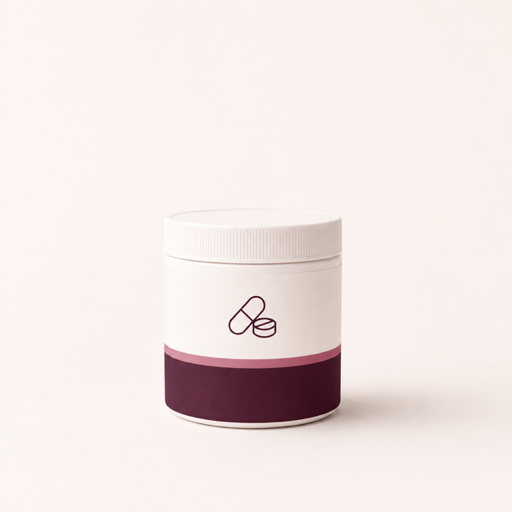
Bene-Bac Gel Supplement
Verified Sep 24, 2026
This is a probiotic gel supplement for dogs and cats, designed to support digestive health during times of stress or change, like weaning, travel, or antibiotic use. It provides seven different probiotic strains along with a prebiotic fiber (FOS) to help nourish beneficial gut bacteria. The sunflower oil and powdered sugar base make it easy to give by mouth or on food as a short-term or maintenance supplement.
Jump to ingredientsAffiliate link · may earn a commission at no extra cost to you
Strong Choice
A well-formulated probiotic and prebiotic supplement suitable for dogs and cats of all ages, especially during stressful events, digestive upset, or antibiotic therapy. It offers multiple well-known probiotic species at a meaningful CFU level and includes FOS to help those bacteria establish in the gut. This is meant as a targeted digestive support tool rather than a daily nutrition source, so it should be used alongside a complete and balanced pet food.
Computed from 3 of 3 applicable checks. Missing data is skipped, never counted against a food.
The KibbleLab Score (1–10) is assessed from publicly available product data. Our evaluation is science-based, not marketing-based.
KibbleLab may earn an affiliate commission when you buy through a link. No one can pay for a higher score, or to change what we recommend for your pet.
At a Glance
Where these benefits come from
Benefits the manufacturer highlights in its own product marketing. KibbleLab lists them for reference and does not verify these claims.KibbleLab Review
Strengths
- Contains seven different probiotic strains, which can offer broader support to the gut microbiome than a single-strain product.
- Includes the prebiotic fructooligosaccharide (FOS), which helps feed and support the beneficial bacteria in the intestines.
- High probiotic count per gram (20 million CFU/g) to help ensure enough live organisms reach the gut.
- Very low moisture content in a fat-based gel can help probiotic stability and makes it easy to administer directly or mixed with food.
Considerations
- This is a supplement, not a complete diet, so it must be given along with a balanced dog or cat food.
- The base contains powdered sugar, which adds a small amount of simple carbohydrate; usually not an issue, but diabetic pets or those needing strict sugar control should use it only under veterinary guidance.
- Includes multiple bacterial species; while generally safe, any probiotic can occasionally cause mild gas or loose stool when first introduced, so starting with the half-dose as suggested is wise.
Full Ingredient List
Ingredients and analysis reflect manufacturer data at the time of our last update and can change without notice. Always check the actual product packaging before feeding.
Ingredient filtering helps identify compatible options but is not a substitute for a veterinary elimination diet.
Top 5 Ingredients Explained
01
Sunflower Oil
Sunflower oil is used in pet foods as a concentrated fat source to increase energy density, palatability and supply linoleic acid (an essential omega‑6) that helps maintain healthy skin and coat. It is beneficial for dogs and cats but is high in omega‑6 and low in omega‑3—so formulas should balance fatty acids to avoid an inflammatory imbalance; it is calorie‑dense (important for weight control and pancreatitis-prone animals) and may require antioxidants or high‑oleic formulations for better shelf stability.
02
Silicon Dioxide
Silicon dioxide is an inert mineral commonly used in pet foods and powdered supplements as an anti‑caking or flow agent to prevent clumping and improve texture. It provides no nutritional value for dogs or cats and is considered safe in the small, food‑grade (amorphous) amounts used in products, though it is not digestible and inhalation of fine dust or any crystalline forms (which are not used in foods) can be hazardous.
03
Sugar
Sugar is used in pet foods primarily as a sweetener and quick source of digestible carbohydrate to improve palatability, but it provides no essential nutrients and is not necessary in a balanced diet. In dogs and cats excess added sugar can contribute to obesity, dental disease and blood glucose spikes (cats are generally less responsive to sweet taste), and pet owners should avoid foods with unnecessary sugars and be especially cautious about sugar substitutes like xylitol, which is highly toxic to dogs.
04
FOS
Fructooligosaccharides (FOS) are non-digestible, soluble prebiotic fibers commonly added to pet foods and supplements to feed beneficial gut bacteria and support intestinal health. In dogs and cats they can help improve digestion, stool quality and immune support, but excessive amounts may cause gas or loose stools in sensitive animals so levels should be balanced and introduced gradually.
05
Lactobacillus Casei Fermentation Product
Lactobacillus casei fermentation product is a probiotic/postbiotic ingredient produced from the activity of Lactobacillus casei and is added to dog and cat foods to support healthy intestinal microflora and digestion. It may improve stool quality, nutrient absorption and immune support when present in effective strains and amounts, but benefits depend on product formulation; it is generally safe though can cause mild transient gastrointestinal upset in some animals and should be used as a complementary ingredient, with caution in severely immunocompromised pets.
Nutritional Breakdown
How to read As Fed versus Dry Matter
As fed shows the numbers straight off the label, water included. Dry matter removes the water so you can compare a wet food and a dry food fairly.What is calorie density
How many calories the food packs per unit. Denser foods mean smaller portions for the same calories.Not sure how much of this to feed?
The right daily portion depends on your dog's weight, age, and activity level. Create a free account, add your dog, and get their daily calories and portion sizes.
Product Details & Brand
Product Specs
AAFCO Nutritional Adequacy
What is AAFCO
Association of American Feed Control Officials. It sets the nutritional
adequacy standards US pet foods are measured against.
What is AAFCO
Association of American Feed Control Officials. It sets the nutritional adequacy standards US pet foods are measured against.Why this is not complete and balanced
This product is not labeled complete and balanced. It is intended for intermittent or supplemental feeding.Brand
Bene-Bac is a line of probiotic supplements formulated to promote digestive health in pets, commonly used for animals under stress, illness, or dietary change. It is designed for use in multiple species including dogs, cats, small mammals, and birds.
Manufacturer
PetAg maintains extensive quality control programs for its pet nutrition products, adhering to regulatory standards for pet food and supplements in the United States. Their facilities operate under FDA and AAFCO guidelines for animal feed safety and quality.
Manufacturing details are compiled from public sources and not independently verified; they may not reflect contract manufacturing or co-packing.
Recall History
No recall is listed for Bene-Bac Bene-Bac Gel Supplement.
Source: FDA animal food recall listings back to January 2019 · Checked daily, last on Oct 16, 2026
Sign up for the full picture
Ingredient Check
We'll check every ingredient against your pet's profile.
Feeding Calculator
Personalized portion sizes based on your pet's weight, age, and activity level.
Side-by-Side Comparison
Compare this food with alternatives to find the best fit.
Similar Foods



Post your dog's report card and challenge friends to check their food.
Frequently Asked Questions
Has Bene-Bac ever been recalled?
We have no recalls on record for Bene-Bac. We track the FDA's animal food recall listings back to January 2019 and publish every pet food recall automatically. A filing that isn't pet food may not appear here.
How does KibbleLab rate foods?
Our scores are based on ingredient composition, nutritional profile, AAFCO compliance, and health considerations. We don't penalize by-products, grains, or synthetic preservatives. Brands cannot pay for higher scores.
Is KibbleLab a substitute for veterinary advice?
No. KibbleLab provides data-driven food analysis, not medical advice. Always consult your veterinarian before making dietary changes, especially for pets with health conditions.
KibbleLab provides informational content only. This is not veterinary advice. Always consult a qualified veterinarian before changing your pet's diet.
KibbleLab may earn affiliate commissions through product links. No one can pay for a higher score, or to change what we recommend for your pet.
Product data sourced from manufacturer websites, AAFCO statements, and FDA recall listings. Last verified dates reflect our most recent data check. We track the FDA's animal food recall listings back to January 2019 and publish every pet food recall automatically. A filing that isn't pet food may not appear here.

 Continue with Google
 Continue with Facebook