
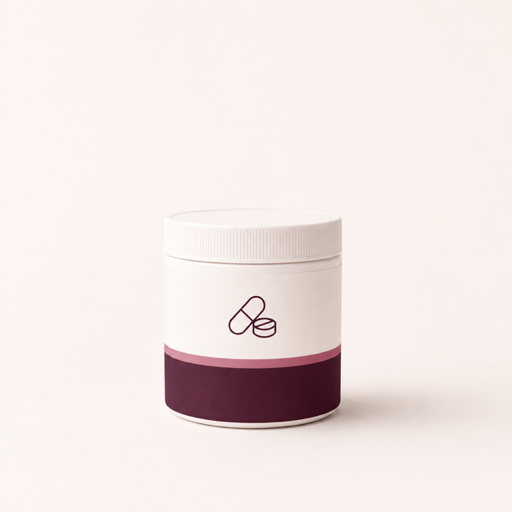
Hairball Bites Soft Chews Supplement
Verified Sep 12, 2026
This is a soft chew hairball supplement for cats that combines fish oil, fiber sources, and a small immune and skin-support blend. It uses AlaskOmega fish oil to supply omega-3 fatty acids, along with microcrystalline cellulose, psyllium, and slippery elm to support gut motility and stool passage. It’s designed to be given alongside a complete cat food to help reduce hairball build-up while also supporting skin and digestive health in adult cats and kittens over 12 weeks.
Jump to ingredientsAffiliate link · may earn a commission at no extra cost to you
Strong Choice
As a hairball supplement, this product offers a thoughtful mix of omega-3 fatty acids and gentle fiber sources that can support coat quality and normal gut transit, which are both important in managing hairballs. It’s best used as an add-on to a balanced cat diet, not as a stand-alone food. This could suit cats who tend to cough up hairballs frequently or who need a bit of extra support for skin and digestive comfort, as long as they tolerate fish oil well.
Computed from 3 of 3 applicable checks. Missing data is skipped, never counted against a food.
The KibbleLab Score (1–10) is assessed from publicly available product data. Our evaluation is science-based, not marketing-based.
KibbleLab may earn an affiliate commission when you buy through a link. No one can pay for a higher score, or to change what we recommend for your pet.
At a Glance
Where these benefits come from
Benefits the manufacturer highlights in its own product marketing. KibbleLab lists them for reference and does not verify these claims.KibbleLab Review
Strengths
- Includes AlaskOmega fish oil with EPA and DHA, which can support skin health and a healthy coat, indirectly helping with hairball control by reducing shedding and improving fur quality.
- Contains multiple fiber-related ingredients (microcrystalline cellulose, psyllium, slippery elm) that can help move ingested hair through the digestive tract more efficiently.
- Includes zinc and biotin, which are important for skin and coat health and may provide an extra layer of support for hair and skin integrity.
- Soft chew format is generally easy to give and can be more palatable for many cats compared with powders or gels.
Considerations
- This is a supplement, not a complete and balanced diet, so it should only be used in addition to a nutritionally complete cat food.
- Fish oil can be an issue for cats with fish allergies or sensitivities, so it’s not a good choice if your cat reacts to fish-based products.
- Fiber-related ingredients like psyllium and microcrystalline cellulose may cause softer stools or mild digestive upset in some cats, especially if started at the full dose too quickly, so the gradual introduction directions are important to follow.
Full Ingredient List
Ingredients and analysis reflect manufacturer data at the time of our last update and can change without notice. Always check the actual product packaging before feeding.
Ingredient filtering helps identify compatible options but is not a substitute for a veterinary elimination diet.
Top 5 Ingredients Explained
01
Fish Oil
Fish oil is commonly added to pet foods as a concentrated source of healthy fats—primarily the omega‑3 long‑chain fatty acids EPA and DHA—to boost energy density and palatability. EPA and DHA support skin and coat condition, joint and cardiovascular health, and brain development (cats require preformed DHA), but fish oil is calorie‑dense, can oxidize if not properly stabilized, may contain environmental contaminants unless purified, and high doses can cause gastrointestinal upset or affect blood clotting, so product quality and appropriate dosing are important.
02
Total Omega-3 Fatty Acid
Total omega-3 fatty acid indicates the combined amount of omega-3 fats (commonly supplied by fish oil, algal oil, or flaxseed) added to pet food to support skin and coat health, joint function, cognitive development, and to provide anti-inflammatory benefits for dogs and cats. While beneficial, cats have limited ability to convert plant-based ALA to EPA/DHA and therefore need preformed EPA/DHA; excessive supplementation can increase bleeding risk, add calories, or introduce oxidized fats or contaminants, so sources, dose, and balance with omega-6 should be managed for safety and effectiveness.
03
Eicosapentaenoic Acid
Eicosapentaenoic acid (EPA) is a long‑chain omega‑3 fatty acid commonly included in pet foods and supplements—usually from fish or algal oil—to provide anti‑inflammatory support for skin and coat health, joint comfort, and cardiovascular and immune function in dogs and cats. It is nutritionally important because pets (and especially cats, which convert plant omega‑3s poorly) benefit from preformed EPA/DHA, but owners should be mindful of product purity and oxidation and consult a veterinarian about appropriate dosing because high intakes can affect blood clotting or interact with certain medications.
04
Docosahexaenoic Acid
Docosahexaenoic acid (DHA) is a long-chain omega‑3 fatty acid added to pet foods and supplements to provide an essential lipid that supports brain and retinal development in puppies and kittens and helps maintain cognitive function, learning, and healthy skin and coat in adult dogs and cats. It is often supplied from fish or algal oils and is particularly important for species that convert plant omega‑3s poorly (e.g., cats); owners should be mindful of proper dosing, product oxidation or marine contaminants, and consult a veterinarian for animals on anticoagulant therapy or with specific health concerns.
05
Microcrystalline Cellulose
Microcrystalline cellulose is an insoluble, non-digestible fiber commonly used in pet foods as a bulking agent, binder and texture modifier and to prevent caking. For dogs and cats it can help add bulk for weight management and improve stool firmness without adding calories, but it supplies no digestible nutrients or fermentable prebiotics, so high levels can dilute nutrient density and may affect palatability; it is generally regarded as safe when used appropriately.
Product Details & Brand
Product Specs
Brand

Zesty Paws is a leading brand in the pet supplement category offering premium-quality chews, oils, and functional treats for dogs and cats. The brand is positioned as a fun and approachable yet scientifically informed line for pet wellness, targeting pet owners seeking preventive health solutions.
Manufacturer
Zesty Paws follows U.S. FDA regulations for pet supplements and employs manufacturing partners that comply with cGMP (Current Good Manufacturing Practices). The company emphasizes ingredient transparency and product testing to ensure quality, potency, and safety.
Manufacturing details are compiled from public sources and not independently verified; they may not reflect contract manufacturing or co-packing.
Recall History
No recall is listed for Zesty Paws Hairball Bites Soft Chews Supplement.
Source: FDA animal food recall listings back to January 2019 · Checked daily, last on Oct 15, 2026
Sign up for the full picture
Ingredient Check
We'll check every ingredient against your pet's profile.
Feeding Calculator
Personalized portion sizes based on your pet's weight, age, and activity level.
Side-by-Side Comparison
Compare this food with alternatives to find the best fit.
Similar Foods
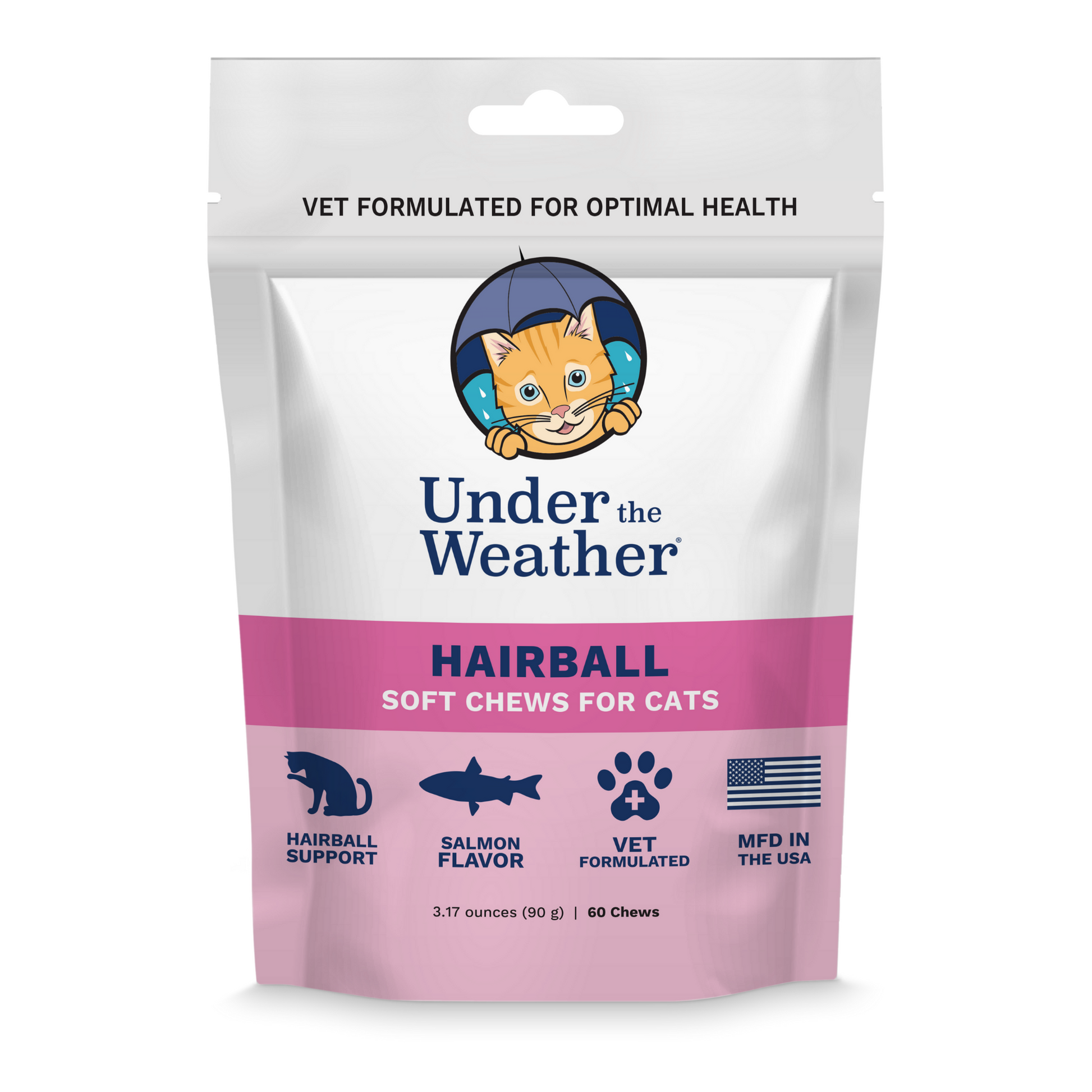


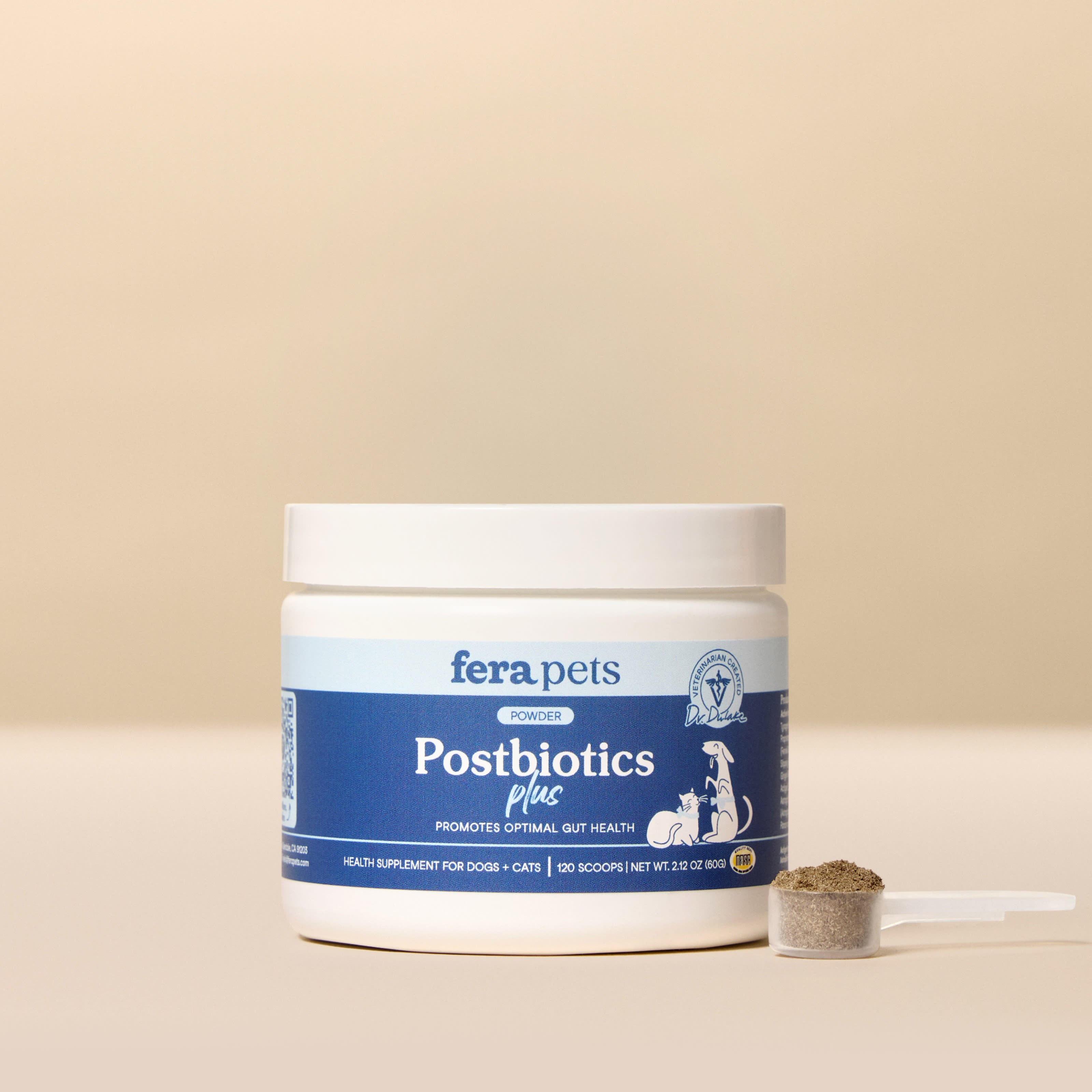

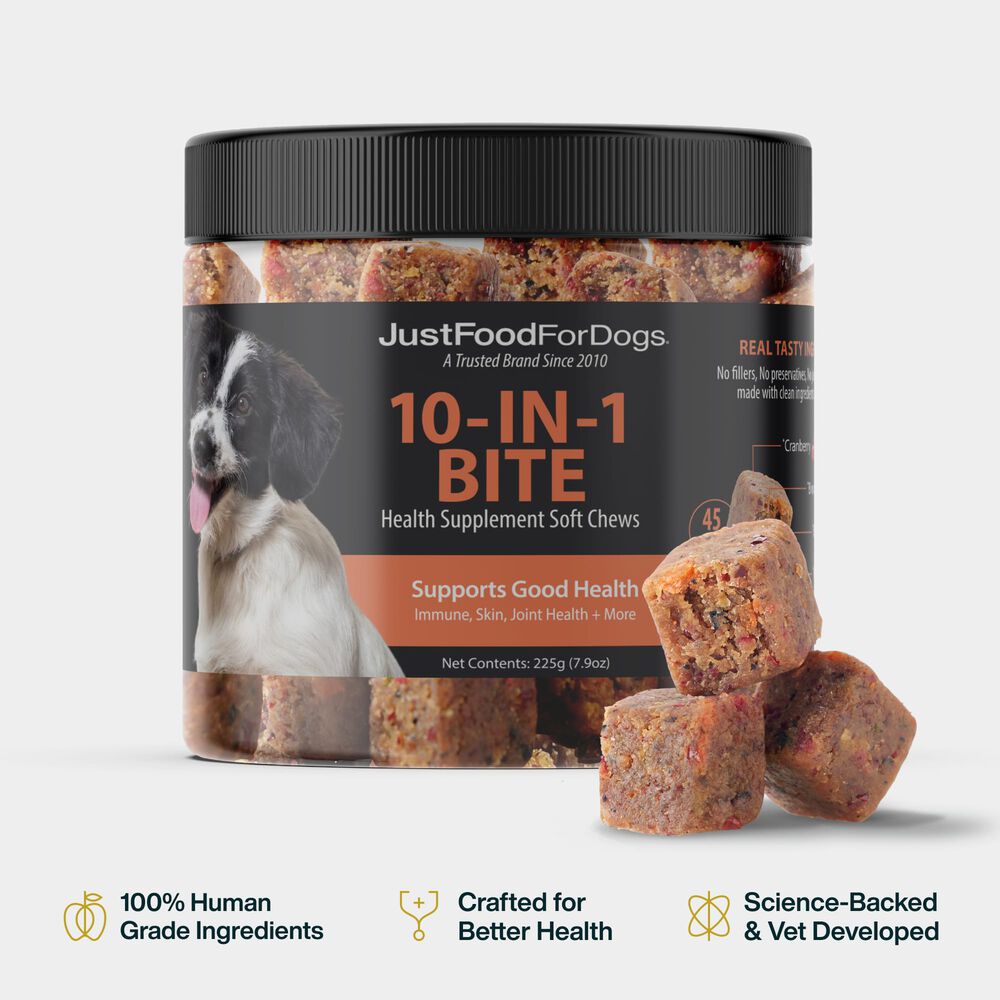

Post your cat's report card and challenge friends to check their food.
Frequently Asked Questions
Has Zesty Paws ever been recalled?
We have no recalls on record for Zesty Paws. We track the FDA's animal food recall listings back to January 2019 and publish every pet food recall automatically. A filing that isn't pet food may not appear here.
How does KibbleLab rate foods?
Our scores are based on ingredient composition, nutritional profile, AAFCO compliance, and health considerations. We don't penalize by-products, grains, or synthetic preservatives. Brands cannot pay for higher scores.
Is KibbleLab a substitute for veterinary advice?
No. KibbleLab provides data-driven food analysis, not medical advice. Always consult your veterinarian before making dietary changes, especially for pets with health conditions.
KibbleLab provides informational content only. This is not veterinary advice. Always consult a qualified veterinarian before changing your pet's diet.
KibbleLab may earn affiliate commissions through product links. No one can pay for a higher score, or to change what we recommend for your pet.
Product data sourced from manufacturer websites, AAFCO statements, and FDA recall listings. Last verified dates reflect our most recent data check. We track the FDA's animal food recall listings back to January 2019 and publish every pet food recall automatically. A filing that isn't pet food may not appear here.

 Continue with Google
 Continue with Facebook