
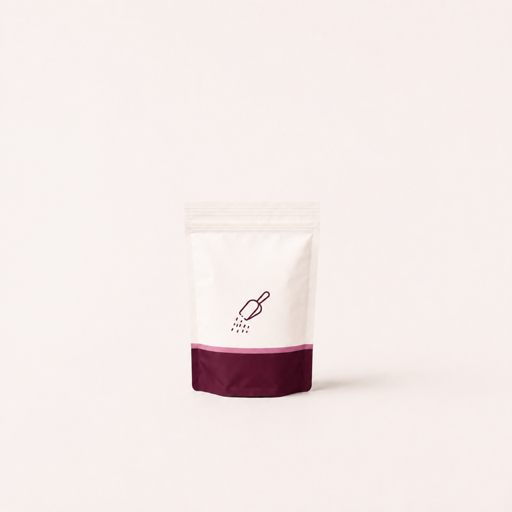
Multivitamin Goat Milk Topper
Verified Sep 13, 2026
A powdered goat milk topper for dogs and cats that adds extra vitamins, minerals, and probiotics to their regular diet. Goat milk full cream powder provides additional protein and fat, while a blend of vitamins, chelated minerals, and Bacillus coagulans supports overall daily nutrition. It’s intended as a supplement to a complete food, not as a stand-alone diet.
Jump to ingredientsAffiliate link · may earn a commission at no extra cost to you
Strong Choice
This is a nutrient-dense goat milk–based topper designed to boost the vitamin, mineral, and probiotic content of your dog’s or cat’s usual food. It’s suitable for most healthy pets when used as directed on top of a complete and balanced diet. This kind of product can be useful if you’re looking to enhance palatability and add controlled amounts of micronutrients and probiotics.
Computed from 3 of 3 applicable checks. Missing data is skipped, never counted against a food.
The KibbleLab Score (1–10) is assessed from publicly available product data. Our evaluation is science-based, not marketing-based.
KibbleLab may earn an affiliate commission when you buy through a link. No one can pay for a higher score, or to change what we recommend for your pet.
At a Glance
Where these benefits come from
Benefits the manufacturer highlights in its own product marketing. KibbleLab lists them for reference and does not verify these claims.KibbleLab Review
Strengths
- Goat milk full cream powder offers extra protein, fat, and palatability for both dogs and cats.
- Includes a broad range of added vitamins and chelated minerals to help support overall nutrient intake.
- Contains Bacillus coagulans, a probiotic strain that can help support a healthy gut flora.
- High calorie density means you can add noticeable nutrition in a small serving size.
Considerations
- This is a supplement topper, so it should not replace a complete and balanced dog or cat food.
- Goat milk and dairy components may not suit pets with dairy sensitivities or a history of pancreatitis.
- The higher fat content may be too rich for some pets that need lower-fat diets.
- As with any new supplement, it’s best to introduce it gradually to avoid digestive upset.
Full Ingredient List
Ingredients and analysis reflect manufacturer data at the time of our last update and can change without notice. Always check the actual product packaging before feeding.
Ingredient filtering helps identify compatible options but is not a substitute for a veterinary elimination diet.
Top 5 Ingredients Explained
01
Goat's Milk
Goat's milk is used in pet foods and treats as a dairy ingredient and supplemental source of digestible protein, fats, calcium, and certain B vitamins, and can serve as a base for milk replacers or probiotic-containing products. Some dogs and cats tolerate goat's milk better than cow's milk because of smaller fat globules and slightly lower lactose, but it is calorie-dense, not a complete diet, can still cause lactose intolerance or allergic reactions in sensitive animals, and should be pasteurized and used cautiously (or avoided) in pets with pancreatitis or weakened immune systems due to raw-milk pathogen risks.
02
Choline Bitartrate
Choline bitartrate is a supplemental, water‑soluble source of the essential nutrient choline commonly added to pet foods to support liver function, fat metabolism and synthesis of the neurotransmitter acetylcholine in dogs and cats. It helps prevent deficiency-related issues such as fatty liver and supports cognitive and neuromuscular health, but most commercial diets already provide adequate choline and unnecessary excess should be avoided—consult a veterinarian for supplementation in pets with specific health concerns such as liver disease.
03
Bacillus Coagulans Fermentation Product
Bacillus coagulans fermentation product is used in pet foods as a probiotic ingredient and source of microbial metabolites (enzymes, organic acids and spores) intended to support digestive health, improve stool quality, and contribute to a balanced gut microbiome in dogs and cats. Because it is a spore‑forming, heat‑stable organism it survives processing well and is generally safe, but benefits are strain‑ and dose‑dependent and pet owners should consult their veterinarian before use in pregnant, very young, elderly or immunocompromised animals or when pets are on concurrent medications.
04
Selenium Yeast
Selenium yeast is included in pet foods as a highly bioavailable, organic source of the essential trace mineral selenium, which supports antioxidant enzyme systems and normal thyroid and immune function in dogs and cats. It can be more readily absorbed than inorganic selenium, but because selenium has a narrow safe range, formulas should follow established nutritional guidelines (e.g., AAFCO/FEDIAF) to avoid deficiency or toxic excess, and owners should be cautious about additional selenium-containing supplements.
05
Niacin
Niacin (vitamin B3) is a water‑soluble B vitamin included in pet foods as an essential nutrient for energy metabolism and for maintaining healthy skin, nervous system, and digestive function. Dogs can make some niacin from tryptophan, but cats have a limited ability and therefore need sufficient dietary niacin; deficiencies cause poor growth, dermatitis and gastrointestinal or neurological signs, while very high supplemental doses can cause gastrointestinal upset or, rarely, liver issues, so it is normally provided at balanced levels in vitamin premixes.
Nutritional Breakdown
How to read As Fed versus Dry Matter
As fed shows the numbers straight off the label, water included. Dry matter removes the water so you can compare a wet food and a dry food fairly.What is calorie density
How many calories the food packs per unit. Denser foods mean smaller portions for the same calories.Not sure how much of this to feed?
The right daily portion depends on your dog's weight, age, and activity level. Create a free account, add your dog, and get their daily calories and portion sizes.
Product Details & Brand
Product Specs
AAFCO Nutritional Adequacy
What is AAFCO
Association of American Feed Control Officials. It sets the nutritional
adequacy standards US pet foods are measured against.
What is AAFCO
Association of American Feed Control Officials. It sets the nutritional adequacy standards US pet foods are measured against.Why this is not complete and balanced
This product is not labeled complete and balanced. It is intended for intermittent or supplemental feeding.Brand

Fera Pets is a premium pet supplement brand offering veterinarian-formulated supplements for dogs and cats, including probiotics, joint support, and omega-3 products. The brand targets pet owners seeking science-backed natural supplements for holistic health and longevity.
Manufacturer
Fera Pets products are formulated under veterinary guidance and manufactured in FDA-registered, Good Manufacturing Practice (GMP) compliant facilities in the United States. They follow stringent quality control protocols and source ingredients that meet human-grade standards.
Manufacturing details are compiled from public sources and not independently verified; they may not reflect contract manufacturing or co-packing.
Recall History
No recall is listed for Fera Pets Multivitamin Goat Milk Topper.
Source: FDA animal food recall listings back to January 2019 · Checked daily, last on Oct 16, 2026
Sign up for the full picture
Ingredient Check
We'll check every ingredient against your pet's profile.
Feeding Calculator
Personalized portion sizes based on your pet's weight, age, and activity level.
Side-by-Side Comparison
Compare this food with alternatives to find the best fit.
Similar Foods


Post your dog's report card and challenge friends to check their food.
Frequently Asked Questions
Has Fera Pets ever been recalled?
We have no recalls on record for Fera Pets. We track the FDA's animal food recall listings back to January 2019 and publish every pet food recall automatically. A filing that isn't pet food may not appear here.
How does KibbleLab rate foods?
Our scores are based on ingredient composition, nutritional profile, AAFCO compliance, and health considerations. We don't penalize by-products, grains, or synthetic preservatives. Brands cannot pay for higher scores.
Is KibbleLab a substitute for veterinary advice?
No. KibbleLab provides data-driven food analysis, not medical advice. Always consult your veterinarian before making dietary changes, especially for pets with health conditions.
KibbleLab provides informational content only. This is not veterinary advice. Always consult a qualified veterinarian before changing your pet's diet.
KibbleLab may earn affiliate commissions through product links. No one can pay for a higher score, or to change what we recommend for your pet.
Product data sourced from manufacturer websites, AAFCO statements, and FDA recall listings. Last verified dates reflect our most recent data check. We track the FDA's animal food recall listings back to January 2019 and publish every pet food recall automatically. A filing that isn't pet food may not appear here.

 Continue with Google
 Continue with Facebook