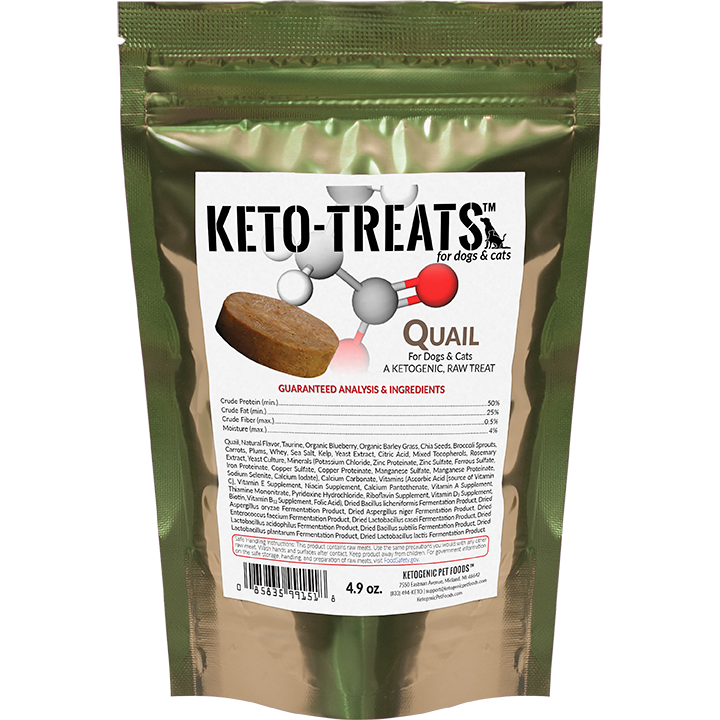
Keto-Treats Quail Treat
Verified Jun 16, 2026
This is a high-protein, raw, meat-based quail treat for dogs and cats, designed as a low-carbohydrate, nutrient-dense snack. Quail provides the main animal protein, with added taurine, fruits and greens, probiotics, and vitamin-mineral supplements. It works best as a high-value reward or topper rather than a primary food, especially for pets on lower-carb or weight-conscious diets.
Nutritionally, this is a very dense, high-protein, high-fat raw treat that can suit many healthy dogs and cats when used in small amounts. Quail offers a novel protein for some pets, and the added taurine, probiotics, and micronutrients are nice extras for a treat product. Because it’s raw and quite rich, it’s most appropriate for pets with healthy digestion and for owners comfortable handling raw animal products.
The KibbleLab Score (1–10) is assessed from publicly available product data. Our evaluation is science-based, not marketing-based.
KibbleLab may earn an affiliate commission when you buy through a link. No one can pay for a higher score, or to change what we recommend for your pet.
At a Glance
KibbleLab Review
Strengths
- Very high protein (minimum 50%) with substantial fat (minimum 25%), making it a biologically appropriate, meat-focused treat for most dogs and cats.
- Quail as the primary ingredient can be helpful for pets that don’t tolerate more common proteins like chicken or beef.
- Includes added taurine, a full vitamin-mineral premix, and multiple probiotic fermentation products, which is unusually comprehensive for a treat.
- Very low moisture and no added simple carbohydrates or artificial colors/flavors, so each piece is nutrient-dense and free from unnecessary sugars.
Considerations
- This is a raw meat product, so it requires careful handling and may not be suitable in households with very young, elderly, or immunocompromised people or pets.
- High fat and calorie density mean it should be fed sparingly, especially for pets prone to pancreatitis or weight gain.
- Contains whey (a dairy ingredient), which could be an issue for pets with known dairy allergies or sensitivities.
- Because it is formulated as a treat, it should not be used as the sole source of nutrition and should make up only a small portion of the daily diet.
Full Ingredient List
Ingredients and analysis reflect manufacturer data at the time of our last update and can change without notice. Always check the actual product packaging before feeding.
Ingredient filtering helps identify compatible options but is not a substitute for a veterinary elimination diet.
Top 5 Ingredients Explained
01
Quail
Quail is used in pet foods as a novel or alternative animal protein—available as meat, whole-ground bird, or meal—to provide high-quality, bioavailable protein and essential amino acids for both dogs and cats. It supplies B vitamins and minerals like iron, is often featured in limited-ingredient or hypoallergenic formulas, but pets can still develop sensitivities, raw or cooked bones may present hazards, and diets relying heavily on quail should be complete or balanced by formulation or supplementation.
02
Natural Flavor
Natural flavor is used primarily as a palatability enhancer in pet foods to improve taste and aroma and is not intended to provide significant nutrients, typically coming from concentrated extracts of meat, poultry, plant, or fermentation sources. While it can increase acceptance in picky dogs and cats, manufacturers are not required to disclose specific sources so pets with known sensitivities or allergies may react, and presence of natural flavor should not be taken as a guarantee of overall product quality.
03
Taurine
Taurine is an amino sulfonic acid added to pet foods to support essential functions such as heart muscle performance, retinal health, and reproduction, and is particularly critical for cats, which cannot synthesize enough on their own. Adequate taurine prevents conditions like dilated cardiomyopathy and vision degeneration—dogs generally make more taurine but certain breeds or homemade/vegetarian diets may require supplementation—so commercial diets should meet species-specific levels and homemade plans should be carefully supplemented.
04
Blueberry
Blueberries are used in pet foods and treats as a low‑calorie source of dietary fiber, vitamins (notably vitamin C) and antioxidant phytochemicals (anthocyanins), providing natural color and mild flavor. They may support general antioxidant and digestive health in dogs and, to a lesser extent, cats (obligate carnivores), but should be offered in moderation due to natural sugars and possible gastrointestinal upset, and owners should avoid products with added sweeteners (especially xylitol) or harmful preservatives.
05
Barley Grass
Barley grass is the young green shoot of the barley plant used in pet foods and supplements primarily as a plant-based source of fiber, micronutrients (small amounts of vitamins A, K and B vitamins), minerals and antioxidants like chlorophyll. It can support mild digestive health and act as a low‑calorie “green” supplement—particularly for dogs and to aid hairball passage in cats—but should be used in moderation because it is not a complete nutrient source and poorly processed or contaminated products may carry residues or molds; pets with known grain sensitivities should be monitored and owners should consult their veterinarian before adding concentrated supplements.
Nutritional Breakdown
How to read As Fed versus Dry Matter
As fed shows the numbers straight off the label, water included. Dry matter removes the water so you can compare a wet food and a dry food fairly.Product Details & Brand
Product Specs
Brand

Ketogenic Pet Foods offers ultra-low carbohydrate, high-fat dog and cat food designed to align with ketogenic dietary principles. The brand targets health-conscious pet owners seeking metabolic support and ancestral-style nutrition. Products are offered in dry, wet, and treat forms and emphasize grain-free, starch-free formulations.
Visit Ketogenic Pet FoodsManufacturer
Ketogenic Pet Foods manufactures its diets in the United States using USDA-inspected ingredients under FDA-regulated facilities. Quality control practices emphasize ingredient sourcing and nutritional integrity, though independent audits and third-party certifications are not publicly detailed.
Manufacturing details are compiled from public sources and not independently verified; they may not reflect contract manufacturing or co-packing.
Recall History
Ketogenic Pet Foods Keto-Treats Quail Treat has no recalls since 2014.
Source: FDA Pet Food Recall Database · Monitored daily
Sign up for the full picture
Feeding Calculator
Personalized portion sizes based on your pet's weight, age, and activity level.
Get startedSimilar Foods
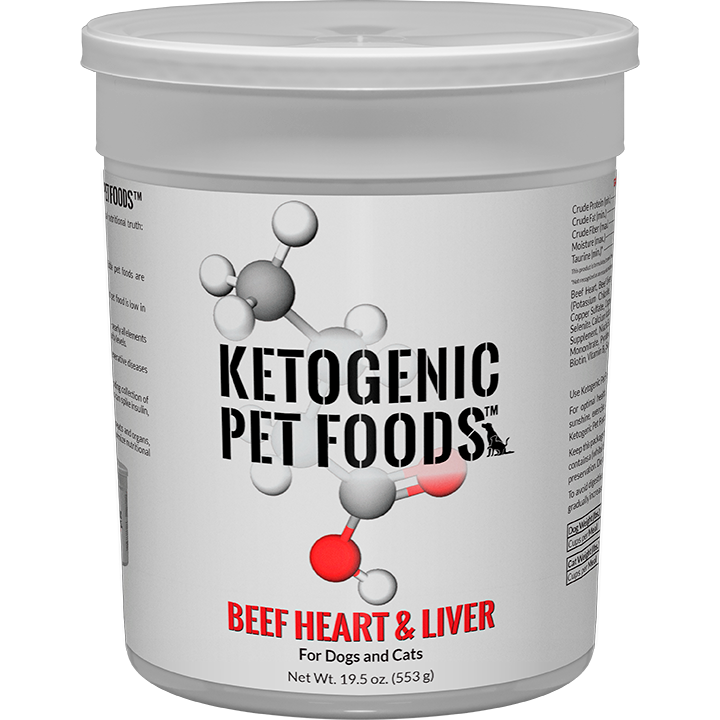
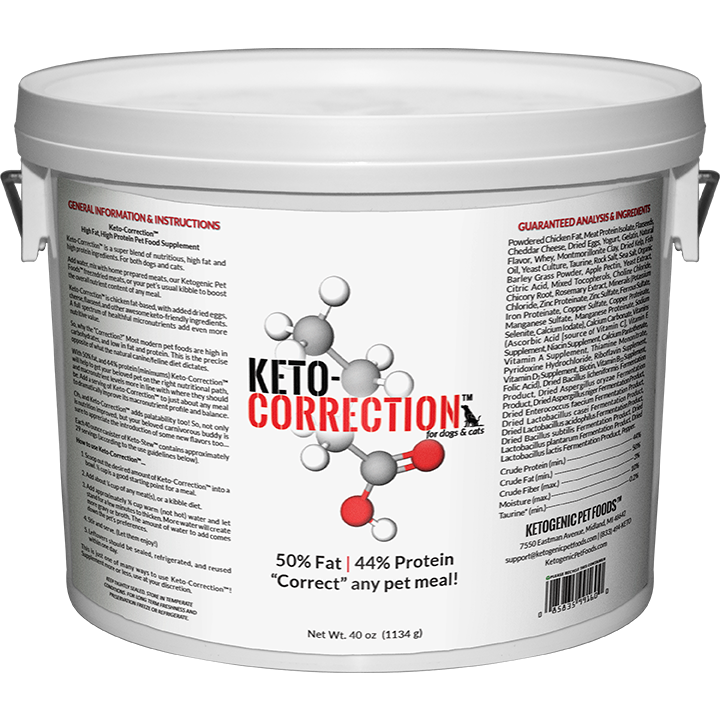
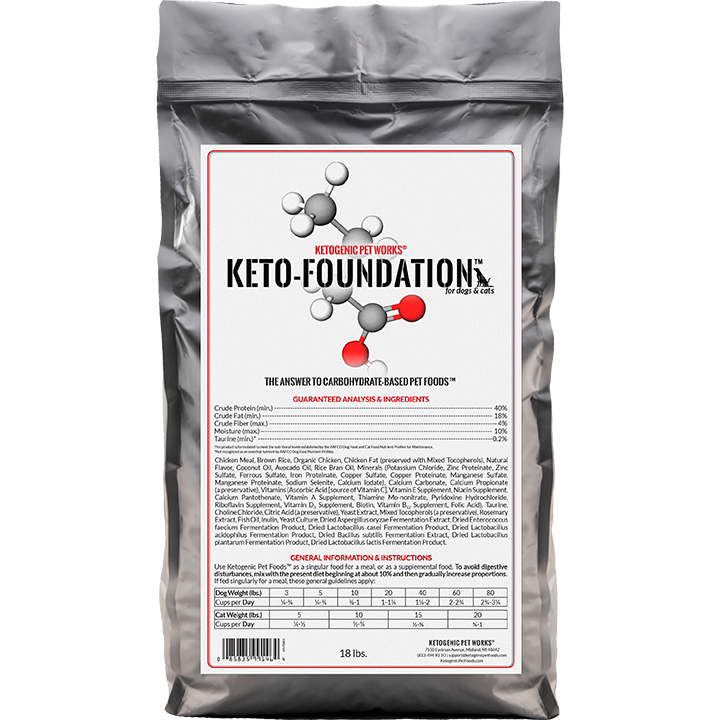
Post your dog's report card and challenge friends to check their food.
Frequently Asked Questions
Has Ketogenic Pet Foods ever been recalled?
We have no recalls on record for Ketogenic Pet Foods. We monitor the FDA Pet Food Recall Database daily.
How does KibbleLab rate foods?
Our scores are based on ingredient composition, nutritional profile, AAFCO compliance, and health considerations. We don't penalize by-products, grains, or synthetic preservatives. Brands cannot pay for higher scores.
Is KibbleLab a substitute for veterinary advice?
No. KibbleLab provides data-driven food analysis, not medical advice. Always consult your veterinarian before making dietary changes, especially for pets with health conditions.
KibbleLab provides informational content only. This is not veterinary advice. Always consult a qualified veterinarian before changing your pet's diet.
KibbleLab may earn affiliate commissions through product links. No one can pay for a higher score, or to change what we recommend for your pet.
Product data sourced from manufacturer websites, AAFCO statements, and FDA recall database. Last verified dates reflect our most recent data check.

 Continue with Google
 Continue with Facebook