
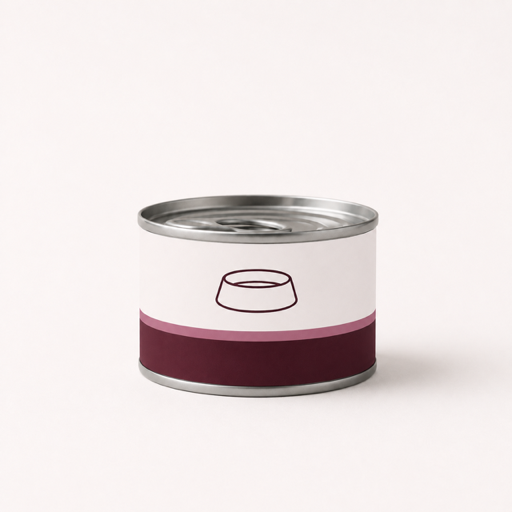
Lites Tuna Wet Cat Food
Verified Oct 14, 2026
This is a very low-fat, shredded wet cat food featuring tuna as the primary protein source, thickened with tapioca starch and guar gum. It’s designed as a lighter option in terms of calories and fat, which can help support weight control when fed in appropriate amounts. The formula is fortified with taurine, vitamins, and trace minerals to support overall nutrition for cats.
Jump to ingredientsAffiliate link · may earn a commission at no extra cost to you
Solid Option
Nutritionally, this is a simple, tuna-based wet food with added vitamins, minerals, and taurine, and a very low fat and calorie content. It can work well as part of a weight-management plan or for cats that benefit from a lower-fat diet, as long as total daily calories are adequate. Because it appears to rely heavily on tuna and has a very basic ingredient list, I’d be more comfortable using it as part of a rotation or mixed with other complete diets rather than as the only food long term unless your veterinarian advises otherwise.
Computed from 3 of 4 applicable checks. Missing data is skipped, never counted against a food.
The KibbleLab Score (1–10) is assessed from publicly available product data. Our evaluation is science-based, not marketing-based.
KibbleLab may earn an affiliate commission when you buy through a link. No one can pay for a higher score, or to change what we recommend for your pet.
At a Glance
Where these benefits come from
Benefits the manufacturer highlights in its own product marketing. KibbleLab lists them for reference and does not verify these claims.KibbleLab Review
Strengths
- Tuna as the main ingredient provides a highly palatable animal protein source for most cats.
- Very low fat (0.5% as-fed) and low calories per can, which can be useful for weight management under veterinary guidance.
- Fortified with taurine, essential vitamins, and trace minerals to help meet basic nutrient needs.
- Simple ingredient list with limited thickeners, which may suit some cats that do better on straightforward formulas.
Considerations
- Tuna is a common fish protein and can be an allergen for some cats, and heavy reliance on a single protein source isn’t ideal for every cat long term.
- The fat level is extremely low for a feline diet, so this may not be suitable as the sole food for very active, growing, or underweight cats without veterinary supervision.
- Calcium is listed at a very low level on an as-fed basis, which raises questions about whether this product should be used as the only diet versus part of a broader feeding plan.
- Sodium (salt) is around 1% as-fed, which may be higher than ideal for some cats with specific health concerns that require controlled sodium intake; those cats should have diets chosen with their veterinarian.
Full Ingredient List
Ingredients and analysis reflect manufacturer data at the time of our last update and can change without notice. Always check the actual product packaging before feeding.
Ingredient filtering helps identify compatible options but is not a substitute for a veterinary elimination diet.
Top 5 Ingredients Explained
01
Tuna
Tuna is commonly used in pet foods as a highly palatable animal protein and flavor enhancer, providing readily digestible protein and omega‑3 fatty acids (EPA/DHA) along with B vitamins for both dogs and cats. While nutritionally beneficial, tuna can be high in mercury or sodium (especially canned), and feeding it exclusively or frequently may cause nutrient imbalances (including risks for thiamine or taurine issues in cats), so it should be offered in moderation as part of a complete, balanced diet.
View ingredient
02
Tapioca Starch
Tapioca starch is a purified carbohydrate used in pet foods mainly as a thickener, binder and easily digestible energy source, contributing virtually no protein, fat, vitamins or minerals. It is low‑allergy and gluten‑free, but because it is a high‑glycemic, low‑nutrient filler it should be limited in diets for overweight or diabetic pets and not relied on for essential nutrition.
03
Guar Gum
Guar gum is a soluble plant-derived fiber commonly used in pet foods as a thickener, stabilizer and emulsifier to improve texture, moisture retention and prevent separation in wet foods, gravies and coatings. It provides little nutritional value beyond soluble fiber—which can help stool consistency and modestly slow digestion—but excessive amounts may cause gastrointestinal upset or affect nutrient absorption, so it is used at controlled low levels and is generally considered safe for most dogs and cats.
04
Taurine
Taurine is an amino sulfonic acid added to pet foods to support essential functions such as heart muscle performance, retinal health, and reproduction, and is particularly critical for cats, which cannot synthesize enough on their own. Adequate taurine prevents conditions like dilated cardiomyopathy and vision degeneration—dogs generally make more taurine but certain breeds or homemade/vegetarian diets may require supplementation—so commercial diets should meet species-specific levels and homemade plans should be carefully supplemented.
05
Other Vitamin
“Other Vitamin” typically denotes one or more vitamins added as part of a vitamin premix to provide essential micronutrients that support metabolism, immune function, skin and coat condition, vision and bone health in dogs and cats. While vitamins are necessary at species‑specific levels (for example, cats require preformed vitamin A), excessive supplementation—especially of fat‑soluble vitamins like A and D—can be harmful, so trusted pet foods follow AAFCO/NRC guidelines and should ideally list specific vitamins and amounts.
Nutritional Breakdown
How to read As Fed versus Dry Matter
As fed shows the numbers straight off the label, water included. Dry matter removes the water so you can compare a wet food and a dry food fairly.Not sure how much of this to feed?
The right daily portion depends on your cat's weight, age, and activity level. Create a free account, add your cat, and get their daily calories and portion sizes.
Product Details & Brand
Product Specs
Brand

The flagship brand offering a range of wet cat food made from real fish and meat, emphasizing natural ingredients and palatability for everyday feeding.
Manufacturer
Snappy Tom maintains quality assurance practices aligned with Australian pet food manufacturing standards and overseen by the Pet Food Industry Association of Australia (PFIAA), ensuring consistency in nutrition and safety across production.
Manufacturing details are compiled from public sources and not independently verified; they may not reflect contract manufacturing or co-packing.
Recall History
No recall is listed for Snappy Tom Lites Tuna Wet Cat Food.
Source: FDA animal food recall listings back to January 2019 · Checked daily, last on Oct 16, 2026
Sign up for the full picture
Ingredient Check
We'll check every ingredient against your pet's profile.
Feeding Calculator
Personalized portion sizes based on your pet's weight, age, and activity level.
Side-by-Side Comparison
Compare this food with alternatives to find the best fit.
Similar Foods


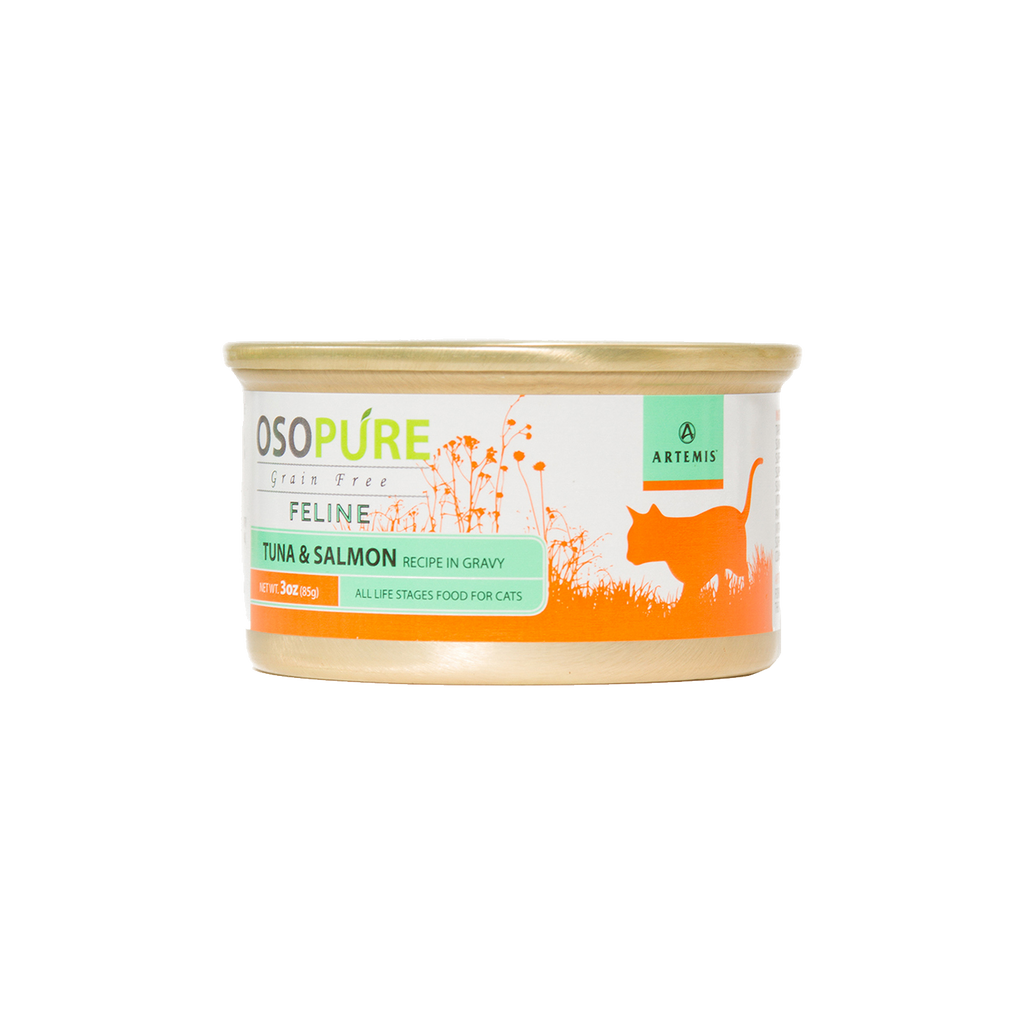


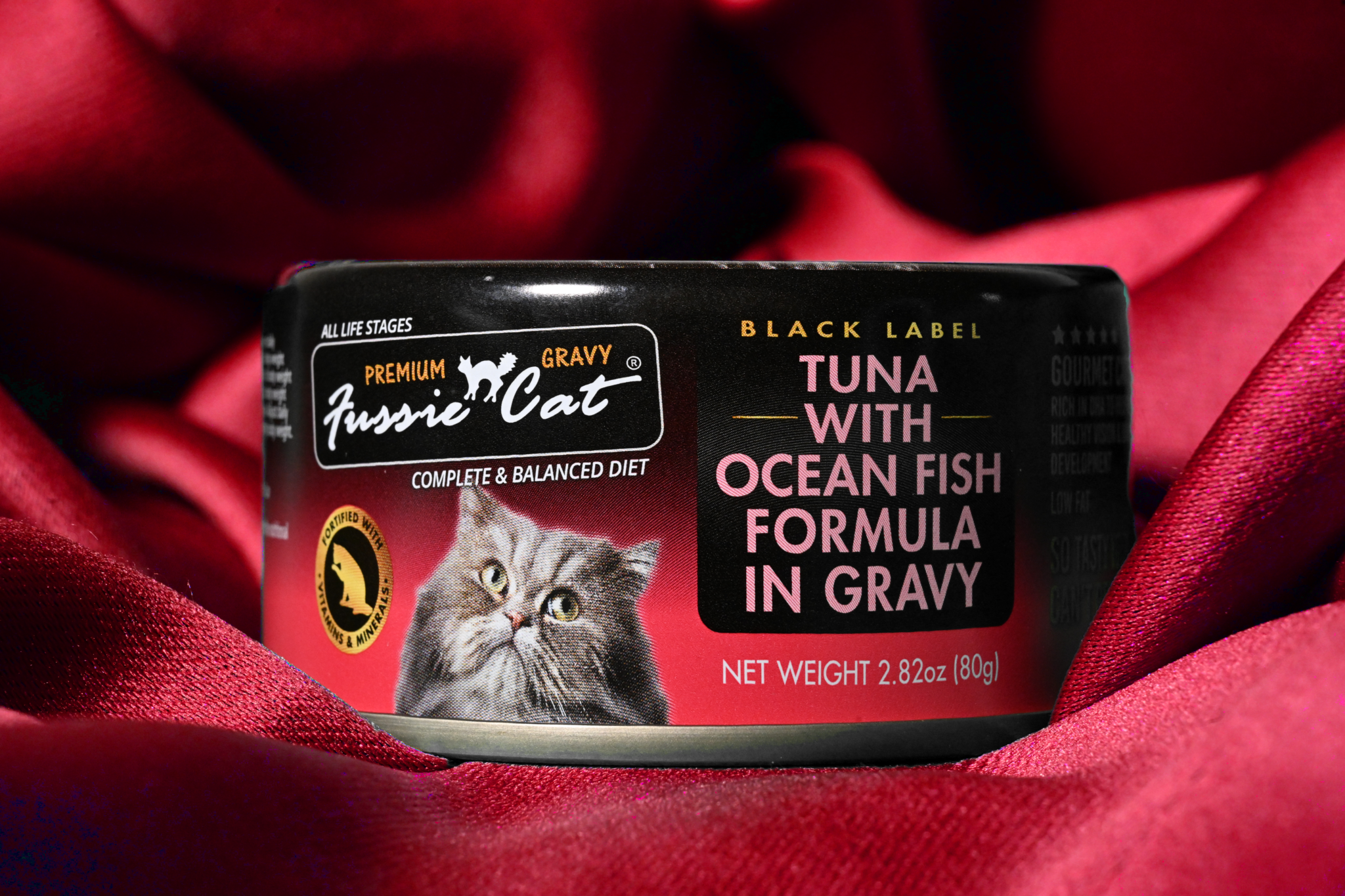
Post your cat's report card and challenge friends to check their food.
Frequently Asked Questions
Has Snappy Tom ever been recalled?
We have no recalls on record for Snappy Tom. We track the FDA's animal food recall listings back to January 2019 and publish every pet food recall automatically. A filing that isn't pet food may not appear here.
How does KibbleLab rate foods?
Our scores are based on ingredient composition, nutritional profile, AAFCO compliance, and health considerations. We don't penalize by-products, grains, or synthetic preservatives. Brands cannot pay for higher scores.
Is KibbleLab a substitute for veterinary advice?
No. KibbleLab provides data-driven food analysis, not medical advice. Always consult your veterinarian before making dietary changes, especially for pets with health conditions.
KibbleLab provides informational content only. This is not veterinary advice. Always consult a qualified veterinarian before changing your pet's diet.
KibbleLab may earn affiliate commissions through product links. No one can pay for a higher score, or to change what we recommend for your pet.
Product data sourced from manufacturer websites, AAFCO statements, and FDA recall listings. Last verified dates reflect our most recent data check. We track the FDA's animal food recall listings back to January 2019 and publish every pet food recall automatically. A filing that isn't pet food may not appear here.

 Continue with Google
 Continue with Facebook