
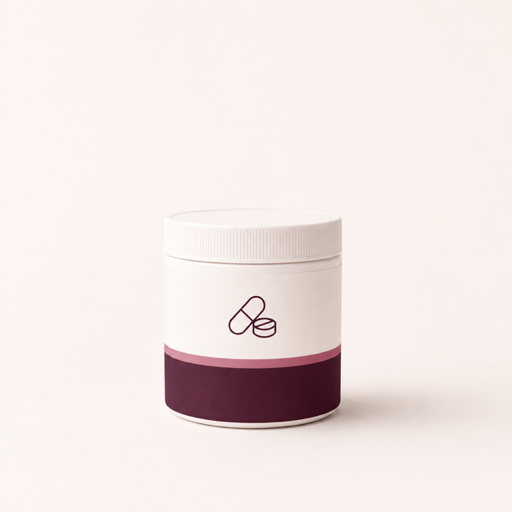
Shark Liver Oil Supplement
Verified Oct 12, 2026
This is a highly concentrated shark liver oil supplement for dogs and cats, providing almost pure fat with very small amounts of omega-3 and omega-6 fatty acids. Its main distinctive component is a high level of alkylglycerols, which the manufacturer positions as an add-on to other fish oils rather than a primary omega source. It’s designed to be used in small amounts alongside a balanced diet and, ideally, under veterinary guidance.
Jump to ingredientsAffiliate link · may earn a commission at no extra cost to you
Top Pick
Nutritionally, this product is essentially a very high-fat oil with a notable content of alkylglycerols, plus modest amounts of EPA and DHA. It’s not a complete or balanced food; it’s a niche supplement intended to be layered on top of an already balanced diet, and the company specifically suggests using it in addition to their other fish oils. Because of its extremely high fat density and specialized use, it’s something I’d reserve for situations where your veterinarian has a clear reason and dosing plan, rather than an everyday wellness add-on for all pets.
Computed from 3 of 3 applicable checks. Missing data is skipped, never counted against a food.
The KibbleLab Score (1–10) is assessed from publicly available product data. Our evaluation is science-based, not marketing-based.
KibbleLab may earn an affiliate commission when you buy through a link. No one can pay for a higher score, or to change what we recommend for your pet.
At a Glance
Where these benefits come from
Benefits the manufacturer highlights in its own product marketing. KibbleLab lists them for reference and does not verify these claims.KibbleLab Review
Strengths
- Simple, transparent ingredient list: shark liver oil with mixed tocopherols as a preservative.
- Provides some omega-3 (EPA and DHA) and omega-6 fatty acids, which can support skin, coat, and general health when used appropriately.
- High concentration of alkylglycerols per teaspoon, which is the primary active component this product is formulated around.
- Very calorie-dense, which can be useful in carefully managed situations where extra energy intake is desired in a small volume of food.
Considerations
- Extremely high in fat (essentially 100% fat), so even a few pumps add significant calories; this can contribute to weight gain or digestive upset, especially in dogs or cats prone to pancreatitis or sensitive stomachs.
- The amounts of EPA and DHA per teaspoon are modest compared with many standard fish oil supplements, so this is not a strong primary omega-3 source on its own.
- Marketed for serious health concerns like cancer and immune support; these are complex medical issues, and any use for these purposes should be guided directly by a veterinarian or veterinary oncologist.
- Shark-derived products may raise sustainability and ethical concerns for some owners, even though the label notes use of non-endangered species.
Full Ingredient List
Ingredients and analysis reflect manufacturer data at the time of our last update and can change without notice. Always check the actual product packaging before feeding.
Ingredient filtering helps identify compatible options but is not a substitute for a veterinary elimination diet.
Top 5 Ingredients Explained
01
Shark Liver Oil
Shark liver oil is used in pet foods and supplements as a concentrated marine lipid source—rich in compounds like squalene and alkylglycerols—and is marketed to help skin and coat condition and support immune and anti-inflammatory functions in dogs and cats. Because sharks bioaccumulate contaminants and many populations face sustainability concerns, product quality and sourcing vary widely, so consult your veterinarian for appropriate dosing and choose third‑party tested, sustainably sourced products to minimize risk of heavy metals or other toxins.
02
Mixed Tocopherol
Mixed tocopherols are a blend of natural vitamin E compounds (alpha, beta, gamma and delta tocopherols) used in pet foods primarily as a natural antioxidant and preservative to protect fats and fat‑soluble nutrients and extend shelf life. They also supply dietary vitamin E—an essential antioxidant for immune function, skin and coat health and cellular integrity in dogs and cats—and are generally safe at typical use levels, though they are not a substitute for a complete vitamin formulation and may be less effective in animals with fat‑absorption disorders.
Nutritional Breakdown
How to read As Fed versus Dry Matter
As fed shows the numbers straight off the label, water included. Dry matter removes the water so you can compare a wet food and a dry food fairly.What is calorie density
How many calories the food packs per unit. Denser foods mean smaller portions for the same calories.Not sure how much of this to feed?
The right daily portion depends on your dog's weight, age, and activity level. Create a free account, add your dog, and get their daily calories and portion sizes.
Product Details & Brand
Product Specs
Brand

Iceland Pure offers premium omega-3 fish oil supplements for dogs and cats, made from sustainable cold-water fish such as anchovies, sardines, and mackerel. The brand highlights its commitment to purity, minimal processing, and eco-friendly packaging, targeting health-conscious pet owners seeking natural supplements for joint, skin, and coat health.
Manufacturer
Iceland Pure maintains strict quality control processes, ensuring that its fish oils are molecularly distilled, pharmaceutical grade, and tested for heavy metals and toxins. The company adheres to Good Manufacturing Practices (GMP) and ensures all packaging prevents oxidation to preserve freshness.
Manufacturing details are compiled from public sources and not independently verified; they may not reflect contract manufacturing or co-packing.
Recall History
No recall is listed for Iceland Pure Shark Liver Oil Supplement.
Source: FDA animal food recall listings back to January 2019 · Checked daily, last on Oct 16, 2026
Sign up for the full picture
Ingredient Check
We'll check every ingredient against your pet's profile.
Feeding Calculator
Personalized portion sizes based on your pet's weight, age, and activity level.
Side-by-Side Comparison
Compare this food with alternatives to find the best fit.
Similar Foods





Post your dog's report card and challenge friends to check their food.
Frequently Asked Questions
Has Iceland Pure ever been recalled?
We have no recalls on record for Iceland Pure. We track the FDA's animal food recall listings back to January 2019 and publish every pet food recall automatically. A filing that isn't pet food may not appear here.
How does KibbleLab rate foods?
Our scores are based on ingredient composition, nutritional profile, AAFCO compliance, and health considerations. We don't penalize by-products, grains, or synthetic preservatives. Brands cannot pay for higher scores.
Is KibbleLab a substitute for veterinary advice?
No. KibbleLab provides data-driven food analysis, not medical advice. Always consult your veterinarian before making dietary changes, especially for pets with health conditions.
KibbleLab provides informational content only. This is not veterinary advice. Always consult a qualified veterinarian before changing your pet's diet.
KibbleLab may earn affiliate commissions through product links. No one can pay for a higher score, or to change what we recommend for your pet.
Product data sourced from manufacturer websites, AAFCO statements, and FDA recall listings. Last verified dates reflect our most recent data check. We track the FDA's animal food recall listings back to January 2019 and publish every pet food recall automatically. A filing that isn't pet food may not appear here.

 Continue with Google
 Continue with Facebook