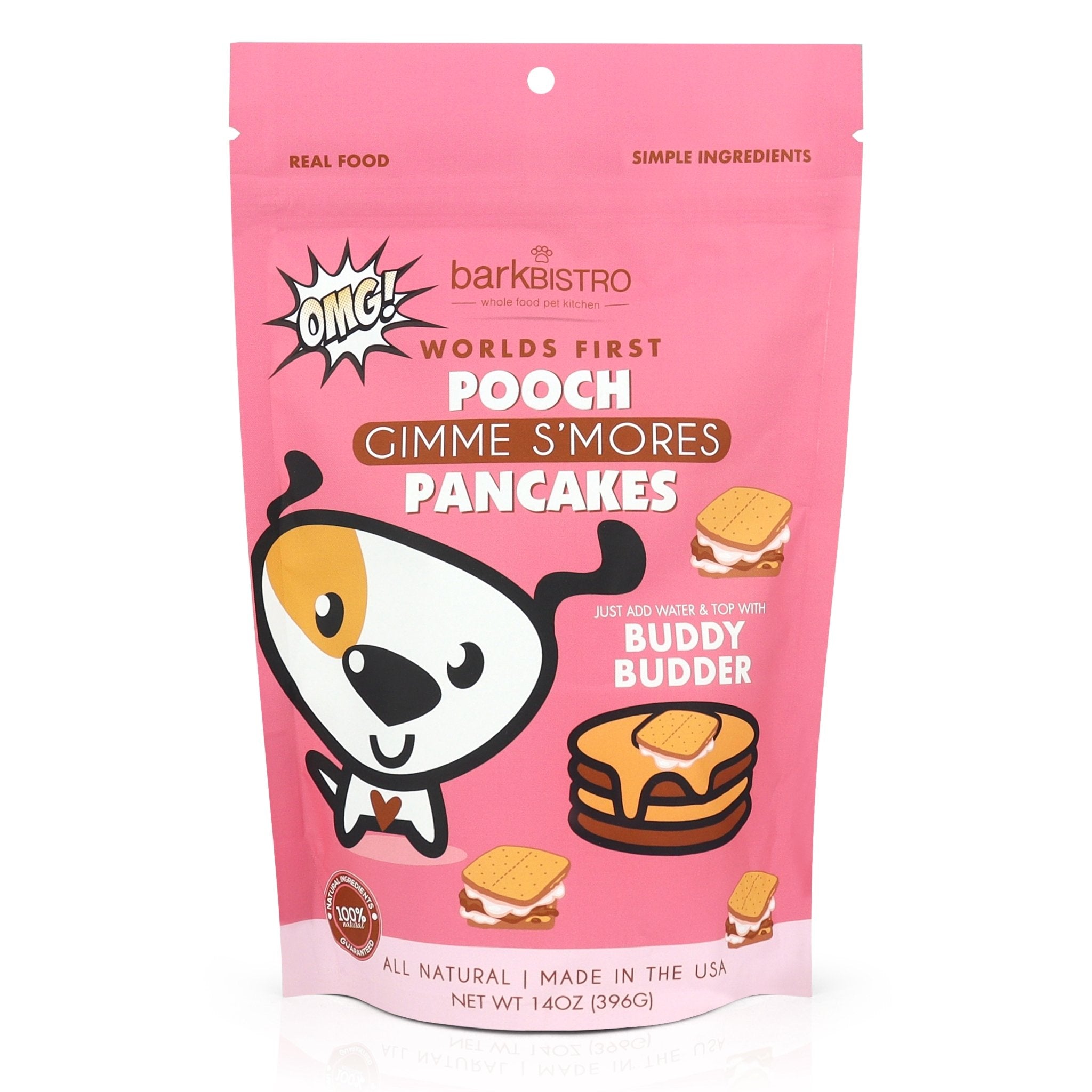
Gimme S'mores Pooch Pancakes Treat Mix
Verified Jul 17, 2026
A novelty, carb-heavy dog treat mix that cooks up into pancakes for dogs. It’s made from oat flour with carob, vanilla, and maple syrup, so it provides mostly carbohydrates with relatively low protein and fat. This is best used as an occasional, fun treat for puppies or adult dogs alongside a complete and balanced dog food, not as a main diet.
Jump to ingredientsAffiliate link · may earn a commission at no extra cost to you
Solid Option
This is a simple, oat-based treat mix that can be a fun way to share a special occasion meal with your dog. The ingredient list is short and avoids common meat allergens, but the product is very high in carbohydrates and low in protein and fat compared with balanced dog foods. It’s best suited as an occasional treat for otherwise healthy dogs who are already eating a complete and balanced diet.
Computed from 3 of 3 applicable checks. Missing data is skipped, never counted against a food.
The KibbleLab Score (1–10) is assessed from publicly available product data. Our evaluation is science-based, not marketing-based.
KibbleLab may earn an affiliate commission when you buy through a link. No one can pay for a higher score, or to change what we recommend for your pet.
At a Glance
KibbleLab Review
Strengths
- Very short and simple ingredient list (oat flour, carob, vanilla, maple syrup), which can be helpful for owners who like to know exactly what’s in a treat.
- Oat flour provides a gentle carbohydrate source and some fiber, and there are no animal proteins, wheat, soy, or dairy in this recipe.
- Moderate fat and fiber levels for a treat, and the powder format lets you control portion size once prepared.
Considerations
- This is a treat only and is not formulated to be a complete and balanced diet, so it should make up only a small portion of your dog’s daily calories.
- Protein content is relatively low and carbohydrates are very high, so it’s not ideal for dogs who need higher-protein or carefully controlled carb intake.
- Contains maple syrup, which adds sugar and calories; this may not be the best choice for dogs who are overweight or who need stricter calorie control.
- As with any new treat, sensitive dogs may experience digestive upset if a large amount is given at once, so introduce it gradually and in small portions.
Full Ingredient List
Ingredients and analysis reflect manufacturer data at the time of our last update and can change without notice. Always check the actual product packaging before feeding.
Ingredient filtering helps identify compatible options but is not a substitute for a veterinary elimination diet.
Top 5 Ingredients Explained
01
Oat Flour
Oat flour is used in pet food mainly as a carbohydrate source and binder that contributes soluble fiber (including beta‑glucans), modest protein, and B vitamins and minerals. It can help support digestive health and stool quality in dogs and is generally safe for cats in small amounts, but it is calorie‑dense so shouldn’t dominate diets for obligate carnivores and pets with grain sensitivities should be monitored for rare oat allergy or cross‑contamination with gluten‑containing grains.
02
Carob
Carob is a naturally sweet, low‑fat powder used in pet treats and coatings as a chocolate substitute and flavoring that supplies soluble fiber and small amounts of minerals (e.g., calcium, potassium) while being free of theobromine and caffeine that make cocoa toxic to dogs. It is generally safe and palatable for dogs (and occasionally used in cat treats), but is relatively high in sugars and can add calories, contribute to dental issues or cause gastrointestinal upset in large amounts, so it should be used sparingly and avoided in pets with obesity or uncontrolled diabetes.
View ingredient
03
Vanilla
Vanilla is used primarily as a flavoring to improve palatability of pet foods and treats and provides no meaningful protein, vitamin, or mineral contribution. In the small amounts used in commercial formulas it is generally safe, but pet owners should beware of human vanilla products or treats that contain xylitol, added sugars, chocolate, or alcohol-based extracts (which can be harmful), and vanilla should not be relied upon for nutritional benefit.
04
Maple Syrup
Maple syrup is used mainly as a sweetener and palatability enhancer in pet treats, providing readily digestible carbohydrates and trace minerals (e.g., manganese) but very little protein or essential nutrients. Because of its high sugar content it is calorie-dense and can contribute to obesity, dental disease or exacerbate diabetes and pancreatitis risks, so it should be used sparingly and avoided in diabetic or calorie-restricted pets.
View ingredient
Nutritional Breakdown
How to read As Fed versus Dry Matter
As fed shows the numbers straight off the label, water included. Dry matter removes the water so you can compare a wet food and a dry food fairly.What is calorie density
How many calories the food packs per unit. Denser foods mean smaller portions for the same calories.Not sure how much of this to feed?
The right daily portion depends on your dog's weight, age, and activity level. Create a free account, add your dog, and get their daily calories and portion sizes.
Product Details & Brand
Product Specs
Brand

Bark Bistro is a premium pet treat brand that produces natural peanut butter dog treats and toppers marketed as safe, healthy, and fun snack options for dogs. Its signature line, Buddy Budder, targets health-conscious pet owners seeking clean, natural ingredients.
Manufacturer
Bark Bistro Company manufactures its products in FDA-registered facilities in the United States and follows good manufacturing practices to ensure product safety and quality. Its peanut butter formulations are made from human-grade ingredients and undergo quality checks for contaminant-free production.
Manufacturing details are compiled from public sources and not independently verified; they may not reflect contract manufacturing or co-packing.
Recall History
No recall is listed for Bark Bistro Gimme S'mores Pooch Pancakes Treat Mix.
Source: FDA animal food recall listings back to January 2019 · Checked daily, last on Oct 16, 2026
Sign up for the full picture
Ingredient Check
We'll check every ingredient against your pet's profile.
Feeding Calculator
Personalized portion sizes based on your pet's weight, age, and activity level.
Side-by-Side Comparison
Compare this food with alternatives to find the best fit.
Similar Foods
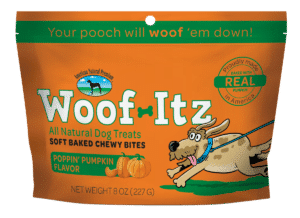
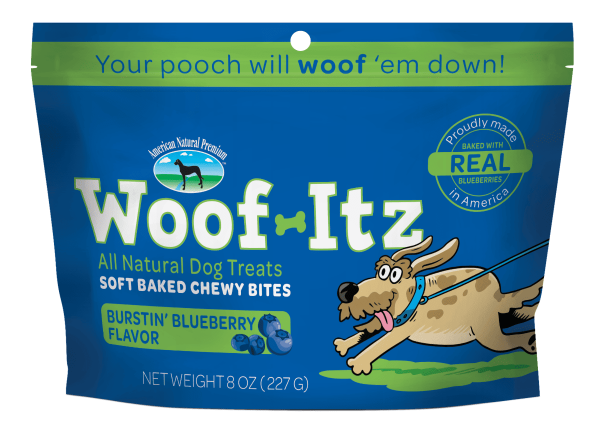


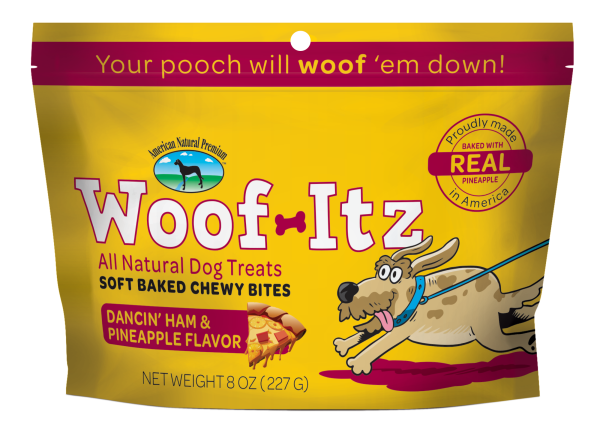
Post your dog's report card and challenge friends to check their food.
Frequently Asked Questions
Has Bark Bistro ever been recalled?
We have no recalls on record for Bark Bistro. We track the FDA's animal food recall listings back to January 2019 and publish every pet food recall automatically. A filing that isn't pet food may not appear here.
How does KibbleLab rate foods?
Our scores are based on ingredient composition, nutritional profile, AAFCO compliance, and health considerations. We don't penalize by-products, grains, or synthetic preservatives. Brands cannot pay for higher scores.
Is KibbleLab a substitute for veterinary advice?
No. KibbleLab provides data-driven food analysis, not medical advice. Always consult your veterinarian before making dietary changes, especially for pets with health conditions.
KibbleLab provides informational content only. This is not veterinary advice. Always consult a qualified veterinarian before changing your pet's diet.
KibbleLab may earn affiliate commissions through product links. No one can pay for a higher score, or to change what we recommend for your pet.
Product data sourced from manufacturer websites, AAFCO statements, and FDA recall listings. Last verified dates reflect our most recent data check. We track the FDA's animal food recall listings back to January 2019 and publish every pet food recall automatically. A filing that isn't pet food may not appear here.

 Continue with Google
 Continue with Facebook