
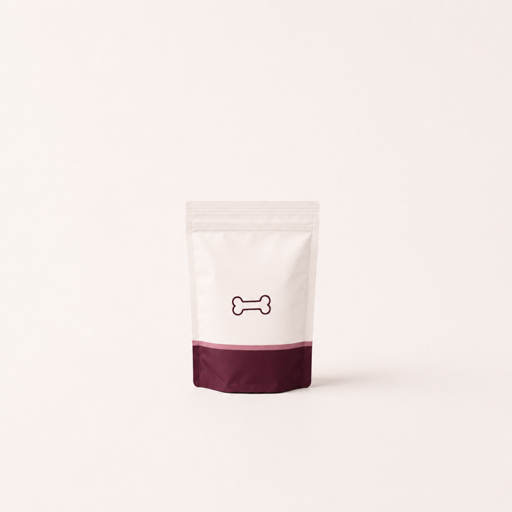
Relaxed Rover Buddy Budder Peanut Butter Treat
Verified Sep 11, 2026
A peanut butter-based treat for dogs that uses peanuts and honey as its base, with added L-theanine, passion flower extract, and valerian root extract. It’s designed as an occasional, high-calorie lickable treat rather than a complete diet, and is marketed for use during stressful situations like travel or grooming.
Jump to ingredientsAffiliate link · may earn a commission at no extra cost to you
Solid Option
This is a simple, peanut butter-style treat meant to be used occasionally for dogs of any age, not as a regular meal. The ingredients are straightforward, with peanuts and honey providing flavor and calories, plus added botanicals and L-theanine that are commonly used in calming supplements. It can work well as a high-value treat or distraction during stressful events if your dog tolerates peanuts and added herbs well.
Computed from 3 of 3 applicable checks. Missing data is skipped, never counted against a food.
The KibbleLab Score (1–10) is assessed from publicly available product data. Our evaluation is science-based, not marketing-based.
KibbleLab may earn an affiliate commission when you buy through a link. No one can pay for a higher score, or to change what we recommend for your pet.
At a Glance
Where these benefits come from
Benefits the manufacturer highlights in its own product marketing. KibbleLab lists them for reference and does not verify these claims.KibbleLab Review
Strengths
- Short, simple ingredient list centered around peanuts, which many dogs find very palatable.
- No added salt, palm oil, or artificial sweeteners, which is reassuring for a peanut butter treat.
- L-theanine, passion flower, and valerian are commonly used in calming supplements for dogs and people.
- The calorie information per tablespoon is provided, which helps you avoid overfeeding this rich treat.
Considerations
- This is a high-calorie, high-fat treat, so portions should be small, especially for dogs prone to weight gain or pancreatitis.
- Peanuts and honey may not be ideal for dogs with a history of pancreatitis, obesity, or strict fat/calorie restrictions.
- Herbal ingredients like passion flower and valerian may not suit every dog, especially those on certain medications—ask your vet if you’re unsure.
- This product does not provide complete and balanced nutrition, so it should only be used as an occasional treat, not a meal replacement.
Full Ingredient List
Ingredients and analysis reflect manufacturer data at the time of our last update and can change without notice. Always check the actual product packaging before feeding.
Ingredient filtering helps identify compatible options but is not a substitute for a veterinary elimination diet.
Top 5 Ingredients Explained
01
Peanut
Peanuts are used in pet foods and treats primarily as a palatability enhancer and concentrated source of plant-based protein, fats (mostly monounsaturated), calories, and small amounts of vitamins and minerals such as vitamin E and niacin. They can provide tasty, energy-dense nutrition but should be used sparingly because their high fat content can contribute to pancreatitis in susceptible dogs, they can be contaminated with aflatoxins, may contain added salt or toxic sweeteners like xylitol, and whole nuts or shells can cause choking or gastrointestinal obstruction—peanuts are not appropriate as a staple in cat diets.
View ingredient
02
Honey
Honey is used in pet foods and treats primarily as a natural sweetener and binder, supplying simple carbohydrates for quick energy but contributing negligible protein, fiber, or essential vitamins. Raw honey contains antioxidants and may have mild antimicrobial or prebiotic effects, but because it is high in sugar and can worsen obesity, dental disease, or diabetes—and may carry microbial contaminants—use should be limited (and avoided in very young or immunocompromised animals); consult your veterinarian before offering honey to pets, especially cats (which are obligate carnivores and gain little benefit) or diabetic animals.
View ingredient
03
L-Theanine
L‑Theanine is a naturally occurring amino acid commonly added to pet foods and supplements as a calming/functional ingredient to help reduce stress and promote relaxation without sedation. It has shown promise in dogs (and to a lesser extent cats) for easing situational anxiety and improving calmness, but effects can vary, proper dosing is important, and owners should consult their veterinarian—especially if the pet is on medications or has health conditions—because it is an adjunct to, not a replacement for, behavioral training or medical treatment.
04
Passiflora Incarnata
Passiflora incarnata (passionflower) is a botanical ingredient used in pet supplements and calming treats for its mild sedative and anxiolytic properties rather than as a nutrient; it contains flavonoids and alkaloids that are thought to influence nervous system activity in dogs and cats. While it may help reduce mild anxiety or promote relaxation, evidence in pets is limited and it should be used cautiously—avoid combining with other central nervous system depressants, and consult your veterinarian before use in pregnant or nursing animals or pets on medications due to potential interactions and dosing concerns.
05
Valerian Root
Valerian root is an herbal calming ingredient typically used in treats and supplements (not as a nutritional protein, vitamin or fiber) to help promote relaxation and reduce anxiety in dogs and cats through mild sedative/anxiolytic effects. Some cats may show an initial excited response followed by calmness; potential side effects include drowsiness, gastrointestinal upset, and interactions with other sedatives or certain medical conditions, so use under veterinary guidance and avoid in pregnant animals or pets with liver disease.
Product Details & Brand
Product Specs
AAFCO Nutritional Adequacy
What is AAFCO
Association of American Feed Control Officials. It sets the nutritional
adequacy standards US pet foods are measured against.
What is AAFCO
Association of American Feed Control Officials. It sets the nutritional adequacy standards US pet foods are measured against.Why this is not complete and balanced
This product is not labeled complete and balanced. It is intended for intermittent or supplemental feeding.Brand
Bark Bistro is a premium pet treat brand that produces natural peanut butter dog treats and toppers marketed as safe, healthy, and fun snack options for dogs. Its signature line, Buddy Budder, targets health-conscious pet owners seeking clean, natural ingredients.
Manufacturer
Bark Bistro Company manufactures its products in FDA-registered facilities in the United States and follows good manufacturing practices to ensure product safety and quality. Its peanut butter formulations are made from human-grade ingredients and undergo quality checks for contaminant-free production.
Manufacturing details are compiled from public sources and not independently verified; they may not reflect contract manufacturing or co-packing.
Recall History
No recall is listed for Bark Bistro Relaxed Rover Buddy Budder Peanut Butter Treat.
Source: FDA animal food recall listings back to January 2019 · Checked daily, last on Oct 16, 2026
Sign up for the full picture
Ingredient Check
We'll check every ingredient against your pet's profile.
Feeding Calculator
Personalized portion sizes based on your pet's weight, age, and activity level.
Side-by-Side Comparison
Compare this food with alternatives to find the best fit.
Similar Foods



Post your dog's report card and challenge friends to check their food.
Frequently Asked Questions
Has Bark Bistro ever been recalled?
We have no recalls on record for Bark Bistro. We track the FDA's animal food recall listings back to January 2019 and publish every pet food recall automatically. A filing that isn't pet food may not appear here.
How does KibbleLab rate foods?
Our scores are based on ingredient composition, nutritional profile, AAFCO compliance, and health considerations. We don't penalize by-products, grains, or synthetic preservatives. Brands cannot pay for higher scores.
Is KibbleLab a substitute for veterinary advice?
No. KibbleLab provides data-driven food analysis, not medical advice. Always consult your veterinarian before making dietary changes, especially for pets with health conditions.
KibbleLab provides informational content only. This is not veterinary advice. Always consult a qualified veterinarian before changing your pet's diet.
KibbleLab may earn affiliate commissions through product links. No one can pay for a higher score, or to change what we recommend for your pet.
Product data sourced from manufacturer websites, AAFCO statements, and FDA recall listings. Last verified dates reflect our most recent data check. We track the FDA's animal food recall listings back to January 2019 and publish every pet food recall automatically. A filing that isn't pet food may not appear here.

 Continue with Google
 Continue with Facebook