
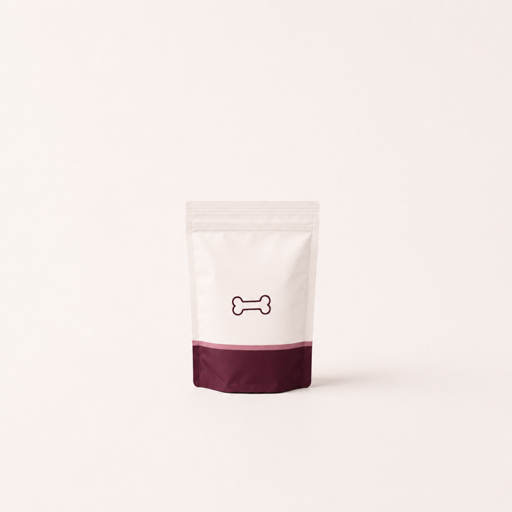
Rx Pockets Peanut Butter Dog Treats
Verified Sep 13, 2026
These are soft, peanut butter-flavored pill-hiding treats for dogs, made as freeze-dried pockets you can mold around medication. They use barley flour and peanut butter as the main base, with added freeze-dried beef liver to boost palatability and some natural preservatives to keep them fresh. They’re intended as an occasional treat or pill disguise rather than a balanced daily diet.
Jump to ingredientsAffiliate link · may earn a commission at no extra cost to you
Strong Choice
Nutritionally, this is a fairly straightforward, moderately high-fat, soft treat designed to make giving pills easier and more appealing for dogs. The protein and fat levels are reasonable for a treat, and the addition of beef liver and peanut butter makes it very palatable, which is helpful for medication time. It’s best used in small amounts alongside a complete and balanced dog food, especially for dogs that need frequent medication or are picky about taking pills.
Computed from 2 of 3 applicable checks. Missing data is skipped, never counted against a food.
The KibbleLab Score (1–10) is assessed from publicly available product data. Our evaluation is science-based, not marketing-based.
KibbleLab may earn an affiliate commission when you buy through a link. No one can pay for a higher score, or to change what we recommend for your pet.
At a Glance
Where these benefits come from
Benefits the manufacturer highlights in its own product marketing. KibbleLab lists them for reference and does not verify these claims.KibbleLab Review
Strengths
- Formulated specifically as a moldable pill pocket, which can make giving tablets and capsules much easier for many dogs.
- Contains freeze-dried beef liver and peanut butter, both very palatable ingredients that can help entice picky eaters to take their medication.
- Moderate protein and fat levels for a treat, suitable for most healthy adult dogs in limited quantities.
- Uses mixed tocopherols (vitamin E) and citric acid as natural preservatives rather than artificial colors or flavors.
Considerations
- Contains peanut butter and beef liver, so it isn’t appropriate for dogs with sensitivities to peanuts or beef.
- Barley flour and molasses contribute extra carbohydrates and calories, so the amount used should be limited, especially in dogs that are overweight or have diabetes.
- Includes whey powder, which is dairy-derived and may not suit dogs with dairy allergies.
- This is not a complete and balanced diet; it should only be used as a treat or pill-hiding aid alongside a regular dog food.
Full Ingredient List
Ingredients and analysis reflect manufacturer data at the time of our last update and can change without notice. Always check the actual product packaging before feeding.
Ingredient filtering helps identify compatible options but is not a substitute for a veterinary elimination diet.
Top 5 Ingredients Explained
01
Barley
Barley is a cereal grain used in pet foods primarily as a digestible carbohydrate and source of dietary fiber (including soluble beta‑glucans), along with modest amounts of B vitamins and minerals. It can support healthy digestion, help moderate post‑meal blood sugar and aid weight management in dogs, but provides limited protein for obligate carnivores like cats, must be cooked/processed for good digestibility, and may be unsuitable for pets with grain sensitivities or calorie‑restricted diets.
View ingredient
02
Coconut Glycerin
Coconut glycerin is a plant-derived glycerol used in pet foods as a humectant and mild sweetening/texture agent to retain moisture, improve mouthfeel and palatability, and serve as a solvent or mild preservative in soft treats, toppers, and wet formulas. It provides easily metabolized calories and is generally safe for dogs and cats in small amounts, but high levels can cause gastrointestinal upset or laxative effects, so manufacturers should ensure purity, account for added calories, and note that it is not the dog-toxic sweetener xylitol.
03
Vegetable Oil
Vegetable oil in pet food is used primarily as a concentrated fat source to boost calorie density, improve palatability and texture, and supply essential fatty acids (typically omega‑6 such as linoleic acid) while helping absorption of fat‑soluble vitamins. It can support skin and coat health for dogs and cats, but nutrient profiles vary by oil type and most vegetable oils lack long‑chain omega‑3s and the arachidonic acid cats require; excessive fat can promote weight gain or precipitate pancreatitis in susceptible pets, so source, quality and inclusion level should be considered.
04
Brewer's Yeast
Brewer's yeast (deactivated Saccharomyces cerevisiae) is commonly used in dog and cat foods as a flavor enhancer and supplemental source of protein, B‑complex vitamins, trace minerals and immunomodulating components such as beta‑glucans. It can support skin, coat and general nutritional status, but may cause gastrointestinal upset or allergic reactions in yeast‑sensitive pets, is not a live probiotic, and should be used cautiously in animals prone to purine‑related issues or those receiving antifungal medications.
05
Whey
Whey is a dairy-derived protein and flavoring commonly used in pet foods and treats as a highly digestible, high-quality protein source rich in essential amino acids (including branched-chain amino acids) and some minerals and B vitamins. It can support muscle maintenance and improve palatability for dogs and cats, but may cause gastrointestinal upset in lactose-intolerant animals and should be avoided in pets with milk allergies or used cautiously to prevent excess calories or mineral imbalance.
View ingredient
Nutritional Breakdown
How to read As Fed versus Dry Matter
As fed shows the numbers straight off the label, water included. Dry matter removes the water so you can compare a wet food and a dry food fairly.Product Details & Brand
Product Specs
Brand

The Fur Valley Pet brand specializes in single-ingredient dog treats such as bully sticks, yak chews, and other natural chew products. It targets health-conscious pet owners looking for natural, additive-free snacks and chews for dogs. The brand emphasizes transparency, ingredient simplicity, and natural sources.
Manufacturer
Fur Valley Pet sources and manufactures its products under FDA and USDA oversight for feed-grade compliance. The company performs quality control checks on raw material sourcing and handling to ensure product safety and traceability.
Manufacturing details are compiled from public sources and not independently verified; they may not reflect contract manufacturing or co-packing.
Recall History
No recall is listed for Fur Valley Pet Rx Pockets Peanut Butter Dog Treats.
Source: FDA animal food recall listings back to January 2019 · Checked daily, last on Oct 16, 2026
Sign up for the full picture
Ingredient Check
We'll check every ingredient against your pet's profile.
Feeding Calculator
Personalized portion sizes based on your pet's weight, age, and activity level.
Side-by-Side Comparison
Compare this food with alternatives to find the best fit.
Similar Foods



Post your dog's report card and challenge friends to check their food.
Frequently Asked Questions
Has Fur Valley Pet ever been recalled?
We have no recalls on record for Fur Valley Pet. We track the FDA's animal food recall listings back to January 2019 and publish every pet food recall automatically. A filing that isn't pet food may not appear here.
How does KibbleLab rate foods?
Our scores are based on ingredient composition, nutritional profile, AAFCO compliance, and health considerations. We don't penalize by-products, grains, or synthetic preservatives. Brands cannot pay for higher scores.
Is KibbleLab a substitute for veterinary advice?
No. KibbleLab provides data-driven food analysis, not medical advice. Always consult your veterinarian before making dietary changes, especially for pets with health conditions.
KibbleLab provides informational content only. This is not veterinary advice. Always consult a qualified veterinarian before changing your pet's diet.
KibbleLab may earn affiliate commissions through product links. No one can pay for a higher score, or to change what we recommend for your pet.
Product data sourced from manufacturer websites, AAFCO statements, and FDA recall listings. Last verified dates reflect our most recent data check. We track the FDA's animal food recall listings back to January 2019 and publish every pet food recall automatically. A filing that isn't pet food may not appear here.

 Continue with Google
 Continue with Facebook