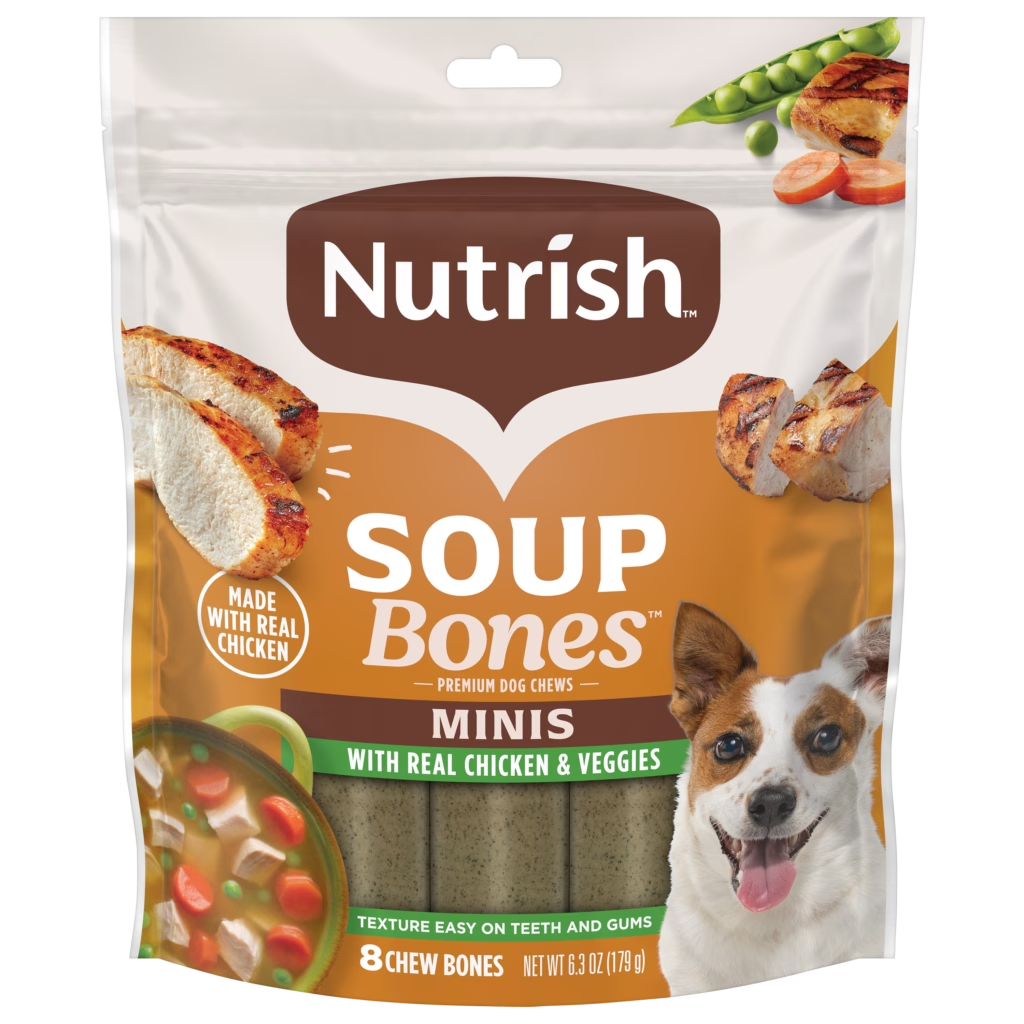
Soup Bones Minis Dog Chews With Real Chicken & Veggies Treats
Verified Oct 14, 2026
These are chewy, bone-shaped dog treats designed as an occasional supplement to your dog’s regular diet, not a complete food. They use wheat flour and other grains as the base, with chicken and chicken meal providing animal protein, and added vegetables like carrots and peas. The calories per chew are fairly high, so they’re best given in moderation alongside a balanced dog food.
Jump to ingredientsAffiliate link · may earn a commission at no extra cost to you
Strong Choice
From a nutrition standpoint, these are mid-range, grain-based chewy treats with chicken as the primary animal protein and a moderate protein and fat content for a snack. They’re suitable for most healthy adult dogs who tolerate wheat and chicken and whose main diet is a complete and balanced dog food. Because each chew is quite calorie-dense, they work best as an occasional reward with portions adjusted to keep your dog at a healthy weight.
Computed from 3 of 3 applicable checks. Missing data is skipped, never counted against a food.
The KibbleLab Score (1–10) is assessed from publicly available product data. Our evaluation is science-based, not marketing-based.
KibbleLab may earn an affiliate commission when you buy through a link. No one can pay for a higher score, or to change what we recommend for your pet.
At a Glance
KibbleLab Review
Strengths
- Includes named animal protein sources (chicken and chicken meal) rather than anonymous meat ingredients.
- Clear AAFCO statement that this is for supplemental feeding only, which helps owners understand it should not replace a balanced diet.
- Moderate protein and fat levels for a treat, making them more than just empty-calorie snacks.
- Specific calorie information per treat makes it easier to fit into your dog’s overall daily calorie allowance.
Considerations
- Wheat flour, wheat gluten, and rice-based ingredients make up most of the treat, so it’s fairly carbohydrate-heavy relative to the animal protein.
- Contains chicken and chicken meal, which are common allergens for some dogs; not appropriate for dogs with chicken sensitivities.
- Each chew is relatively high in calories (about 71 kcal), so overfeeding can easily contribute to weight gain if regular food isn’t reduced accordingly.
- Includes titanium dioxide and iron oxide as colorants, which don’t add nutritional value and may be ingredients some owners prefer to limit.
Full Ingredient List
Ingredients and analysis reflect manufacturer data at the time of our last update and can change without notice. Always check the actual product packaging before feeding.
Ingredient filtering helps identify compatible options but is not a substitute for a veterinary elimination diet.
Top 5 Ingredients Explained
01
Wheat Flour
Wheat flour is commonly used in pet foods as a carbohydrate source, binder and extender that provides digestible energy, some protein (including gluten), and small amounts of fiber and B‑vitamins when enriched. While generally safe and economical for many dogs, it is not a required ingredient for obligate carnivores like cats, can contribute to excess calories or a high glycemic load, and can trigger food allergies or gluten sensitivity in susceptible pets, so animals with known wheat sensitivities or weight concerns may benefit from wheat‑free formulations.
02
Vegetable Glycerin
Vegetable glycerin is a plant-derived humectant and sweet-tasting solvent commonly used in pet foods and treats to retain moisture, improve texture, dissolve flavorings or vitamins, and enhance palatability. It provides usable calories, is generally regarded as safe for dogs and cats in typical amounts, but excessive intake can cause digestive upset and may be a consideration for diabetic pets or those needing calorie-restricted diets.
03
Rice Syrup
Rice syrup is a sweet, viscous carbohydrate ingredient used in some pet foods and treats as a sweetener, humectant and binding agent to improve palatability and texture while providing readily digestible energy. It is calorically dense but low in vitamins and minerals, can contribute to weight gain, dental issues and blood sugar spikes (so should be limited in overweight or diabetic pets), and offers little nutritional benefit compared with protein- or fiber-rich ingredients—cats, as obligate carnivores, derive particularly limited value from added sugars.
04
Potato Starch
Potato starch is a highly digestible carbohydrate commonly used in pet foods as a binder, thickener and texture agent to help kibble formation, stabilize wet formulas and create chewy treats. It provides readily available energy but is low in protein, fat and micronutrients, so while generally safe, its high glycemic load and limited nutritional value mean it should be used sparingly—particularly for overweight pets, diabetic animals or cats on low‑carbohydrate diets, and excessive amounts can sometimes contribute to loose stools.
05
Wheat Gluten
Wheat gluten is a concentrated plant protein commonly used in dry pet foods as a protein booster, binder and texture improver to help form kibble and extend meat-based ingredients. It provides digestible protein for dogs and cats but is low in certain essential amino acids (notably lysine) and lacks animal-specific nutrients like taurine, so it should not be the sole protein source; pets with wheat or gluten sensitivities may also experience allergic or gastrointestinal reactions.
Nutritional Breakdown
How to read As Fed versus Dry Matter
As fed shows the numbers straight off the label, water included. Dry matter removes the water so you can compare a wet food and a dry food fairly.What is calorie density
How many calories the food packs per unit. Denser foods mean smaller portions for the same calories.Not sure how much of this to feed?
The right daily portion depends on your dog's weight, age, and activity level. Create a free account, add your dog, and get their daily calories and portion sizes.
Product Details & Brand
Product Specs
AAFCO Nutritional Adequacy
What is AAFCO
Association of American Feed Control Officials. It sets the nutritional
adequacy standards US pet foods are measured against.
What is AAFCO
Association of American Feed Control Officials. It sets the nutritional adequacy standards US pet foods are measured against.Why this is not complete and balanced
This product is not labeled complete and balanced. It is intended for intermittent or supplemental feeding.Brand
Rachael Ray Nutrish is a pet food brand developed in partnership with celebrity chef Rachael Ray. Originally launched under Ainsworth Pet Nutrition, the brand was later owned by The J.M. Smucker Company before being acquired by Post Holdings in April 2023. Nutrish offers natural dog and cat food recipes emphasizing simple, wholesome ingredients.
Manufacturer
Post Holdings operates manufacturing facilities acquired from J.M. Smucker, following FDA and AAFCO regulatory standards.
Manufacturing details are compiled from public sources and not independently verified; they may not reflect contract manufacturing or co-packing.
Recall History
No recall is listed for Rachael Ray Nutrish Soup Bones Minis Dog Chews With Real Chicken & Veggies Treats.
Source: FDA animal food recall listings back to January 2019 · Checked daily, last on Oct 16, 2026
Sign up for the full picture
Ingredient Check
We'll check every ingredient against your pet's profile.
Feeding Calculator
Personalized portion sizes based on your pet's weight, age, and activity level.
Side-by-Side Comparison
Compare this food with alternatives to find the best fit.
Similar Foods



Post your dog's report card and challenge friends to check their food.
Frequently Asked Questions
Has Rachael Ray Nutrish ever been recalled?
We have no recalls on record for Rachael Ray Nutrish. We track the FDA's animal food recall listings back to January 2019 and publish every pet food recall automatically. A filing that isn't pet food may not appear here.
How does KibbleLab rate foods?
Our scores are based on ingredient composition, nutritional profile, AAFCO compliance, and health considerations. We don't penalize by-products, grains, or synthetic preservatives. Brands cannot pay for higher scores.
Is KibbleLab a substitute for veterinary advice?
No. KibbleLab provides data-driven food analysis, not medical advice. Always consult your veterinarian before making dietary changes, especially for pets with health conditions.
KibbleLab provides informational content only. This is not veterinary advice. Always consult a qualified veterinarian before changing your pet's diet.
KibbleLab may earn affiliate commissions through product links. No one can pay for a higher score, or to change what we recommend for your pet.
Product data sourced from manufacturer websites, AAFCO statements, and FDA recall listings. Last verified dates reflect our most recent data check. We track the FDA's animal food recall listings back to January 2019 and publish every pet food recall automatically. A filing that isn't pet food may not appear here.

 Continue with Google
 Continue with Facebook