
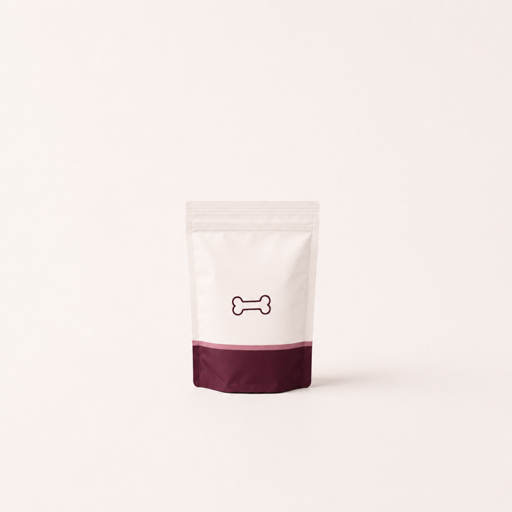
Soft Rawhide Chews Treats for Small Dogs
Verified Sep 4, 2026
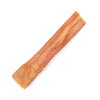
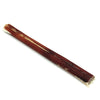
These are soft rawhide dental chews for small dogs, made from American beef hide with a bacon flavor. They’re designed as a high‑protein chew to help clean teeth and freshen breath, not as a complete diet. The softer texture can be easier for many small dogs to chew compared to traditional hard rawhide.
Jump to ingredientsAffiliate link · may earn a commission at no extra cost to you
Top Pick
This is a dental treat intended to help support oral hygiene in small dogs, not a full food. It provides a very high‑protein, rawhide-based chew that can offer mechanical cleaning as the dog chews. It’s best suited as an occasional dental aid for small dogs that tolerate rawhide well.
Computed from 2 of 3 applicable checks. Missing data is skipped, never counted against a food.
The KibbleLab Score (1–10) is assessed from publicly available product data. Our evaluation is science-based, not marketing-based.
KibbleLab may earn an affiliate commission when you buy through a link. No one can pay for a higher score, or to change what we recommend for your pet.
At a Glance
Where these benefits come from
Benefits the manufacturer highlights in its own product marketing. KibbleLab lists them for reference and does not verify these claims.KibbleLab Review
Strengths
- Very high protein content from American beef hide makes this a long‑lasting chew for most small dogs.
- Formulated specifically as a dental treat for small dogs, which can help with plaque and tartar as they chew.
- Simple ingredient list is helpful for owners who like to know exactly what is in the treat.
- Soft texture may be easier on the teeth and gums than very hard rawhide chews.
Considerations
- Because it is made from beef hide, it is not appropriate for dogs with beef allergies.
- As with any rawhide, there is a small risk of gulping or GI upset, so supervision while chewing is important.
- This is a treat only and should not replace a complete and balanced dog food.
Full Ingredient List
Ingredients and analysis reflect manufacturer data at the time of our last update and can change without notice. Always check the actual product packaging before feeding.
Ingredient filtering helps identify compatible options but is not a substitute for a veterinary elimination diet.
Top 5 Ingredients Explained
01
Beef Rawhide
Beef rawhide is commonly offered as a chew treat rather than a food ingredient, providing durable chewing satisfaction and abrasive action that can help reduce plaque while being composed largely of collagen/protein with limited digestible nutritional value. Owners should supervise use because pieces can become choking hazards or cause gastrointestinal obstruction—particularly in aggressive chewers or small dogs—and be aware that rawhide may be chemically processed or contaminated with bacteria, so choose high‑quality sources, limit intake for calorie control, and avoid use in cats or animals with dental, swallowing, or digestive problems.
02
Natural Bacon Flavor
Natural bacon flavor is a palatant added to pet foods to enhance aroma and taste and improve acceptance; it supplies negligible protein, fat, vitamins or minerals and is not a significant nutritional source for dogs or cats. While it can help entice picky eaters, owners should note it may be derived from pork and can contain added salt or smoke-derived compounds, so check labels for allergens, dietary restrictions, or sodium content rather than treating it as a healthful ingredient.
03
Sodium Tripolyphosphate
Sodium tripolyphosphate is used in dog and cat foods as a sequestrant and water-binding additive to improve texture, moisture retention and shelf stability, and it is also employed in some dental products to help reduce tartar by chelating calcium. Because it contributes phosphorus and sodium, formulations control its level—at normal inclusion rates it is considered safe, but excess intake can be a concern for pets with kidney disease or those requiring low-sodium/low-phosphorus diets.
04
Cetyl Pyridinium Chloride
Cetyl pyridinium chloride is an antiseptic antimicrobial agent used primarily in pet oral-care products (such as dental rinses, gels, and some dental chews) to help reduce oral bacteria that cause plaque and bad breath; it is not a nutritional ingredient. While it can support oral hygiene in dogs and cats, it should be used only at manufacturer- and veterinarian-approved concentrations because excessive ingestion or prolonged exposure can cause local irritation, gastrointestinal upset, or rare allergic reactions.
Nutritional Breakdown
How to read As Fed versus Dry Matter
As fed shows the numbers straight off the label, water included. Dry matter removes the water so you can compare a wet food and a dry food fairly.Product Details & Brand
Product Specs
Brand

Tartar Shield is a pet oral care brand offering dental chews, treats, and oral care solutions designed to support dental health and fresh breath in dogs and cats. The brand emphasizes scientifically backed formulations and patented active ingredients to help reduce tartar and plaque buildup.
Manufacturer
Tartar Shield Pet Products manufactures its products in FDA-registered and USDA-inspected facilities with quality control practices adhering to pet food industry safety standards.
Manufacturing details are compiled from public sources and not independently verified; they may not reflect contract manufacturing or co-packing.
Recall History
No recall is listed for Tartar Shield Soft Rawhide Chews Treats for Small Dogs.
Source: FDA animal food recall listings back to January 2019 · Checked daily, last on Oct 16, 2026
Sign up for the full picture
Ingredient Check
We'll check every ingredient against your pet's profile.
Feeding Calculator
Personalized portion sizes based on your pet's weight, age, and activity level.
Side-by-Side Comparison
Compare this food with alternatives to find the best fit.
Similar Foods



Post your dog's report card and challenge friends to check their food.
Frequently Asked Questions
Has Tartar Shield ever been recalled?
We have no recalls on record for Tartar Shield. We track the FDA's animal food recall listings back to January 2019 and publish every pet food recall automatically. A filing that isn't pet food may not appear here.
How does KibbleLab rate foods?
Our scores are based on ingredient composition, nutritional profile, AAFCO compliance, and health considerations. We don't penalize by-products, grains, or synthetic preservatives. Brands cannot pay for higher scores.
Is KibbleLab a substitute for veterinary advice?
No. KibbleLab provides data-driven food analysis, not medical advice. Always consult your veterinarian before making dietary changes, especially for pets with health conditions.
KibbleLab provides informational content only. This is not veterinary advice. Always consult a qualified veterinarian before changing your pet's diet.
KibbleLab may earn affiliate commissions through product links. No one can pay for a higher score, or to change what we recommend for your pet.
Product data sourced from manufacturer websites, AAFCO statements, and FDA recall listings. Last verified dates reflect our most recent data check. We track the FDA's animal food recall listings back to January 2019 and publish every pet food recall automatically. A filing that isn't pet food may not appear here.

 Continue with Google
 Continue with Facebook