
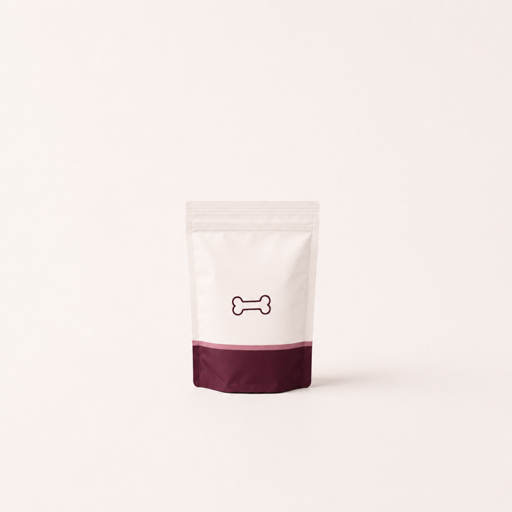
Protect Puffs Digestive Care + Weight Management Treats
Verified Oct 12, 2026
A low-calorie, crunchy dog treat designed for adult dogs, especially those watching their weight or needing gentle digestive support. It uses corn flour with real chicken for flavor, plus added fiber, prebiotics, and multiple probiotic strains. L-carnitine and vitamins C and E are included to support overall metabolism and antioxidant status while keeping each treat under 4 calories.
Jump to ingredientsAffiliate link · may earn a commission at no extra cost to you
Top Pick
This is a very low-calorie, low-fat treat aimed at adult dogs who need help maintaining a healthy weight or who are prone to digestive upset. It’s designed more as a functional snack than a protein-rich reward, with added fiber, prebiotics, and probiotics to support gut health. It can work well alongside a balanced main diet for dogs where treat calories need to stay quite low.
Computed from 3 of 3 applicable checks. Missing data is skipped, never counted against a food.
The KibbleLab Score (1–10) is assessed from publicly available product data. Our evaluation is science-based, not marketing-based.
KibbleLab may earn an affiliate commission when you buy through a link. No one can pay for a higher score, or to change what we recommend for your pet.
At a Glance
Where these benefits come from
Benefits the manufacturer highlights in its own product marketing. KibbleLab lists them for reference and does not verify these claims.KibbleLab Review
Strengths
- Each treat has about 3.2 calories, which is helpful for dogs needing strict weight control.
- Low fat levels make this a reasonable option for dogs that need reduced-fat treats.
- Includes several probiotic strains plus chicory root as a prebiotic to support gut bacteria.
- Added L-carnitine and antioxidant vitamins C, E, and beta-carotene support metabolism and oxidative balance.
Considerations
- Chicken is present, so this is not suitable for dogs with chicken allergies or sensitivities.
- Protein content is modest, so this functions best as a light snack, not a high-protein reward.
- Contains artificial color (Yellow #5), which some owners may prefer to avoid even though it is considered safe.
Full Ingredient List
Ingredients and analysis reflect manufacturer data at the time of our last update and can change without notice. Always check the actual product packaging before feeding.
Ingredient filtering helps identify compatible options but is not a substitute for a veterinary elimination diet.
Top 5 Ingredients Explained
01
Corn Flour
Corn flour is a finely milled cereal ingredient used in pet foods primarily as a source of digestible carbohydrates, a binder or thickener and to improve kibble texture and palatability, providing readily available energy and some fiber while offering relatively low-quality protein with limited essential amino acids. It is generally safe for dogs and is sometimes included in cat diets as an energy source, but high levels can contribute to excess calories and weight gain, may rarely trigger food sensitivities, and requires good quality control to minimize risks from contaminants such as mycotoxins or pesticide residues.
02
Chicken
Chicken is a common animal-based protein in dog and cat foods, supplying essential amino acids, B vitamins, and energy-dense fats that support muscle maintenance, growth, and overall health; for cats it also contributes toward dietary taurine but must be present in sufficient amounts or provided via supplementation. It is prized for its digestibility and palatability, though some pets develop sensitivities or allergies to chicken, and nutritional value and safety depend on ingredient quality and processing—raw chicken carries pathogen risks and whole bones can pose choking or GI hazards.
View ingredient
03
Natural Chicken Flavor
Natural Chicken Flavor is used primarily as a palatability enhancer in dog and cat foods to improve aroma and taste and is not a meaningful source of protein, vitamins, or other nutrients. While generally considered safe, the flavoring is a concentrated extract or hydrolysate derived from chicken that may trigger reactions in animals with chicken allergies and does not guarantee whole‑meat content or higher nutritional quality.
04
Cellulose Powder
Cellulose powder is an insoluble, plant-derived fiber commonly used in pet foods as a bulking agent, binder and calorie-diluting texturizer to help control weight and improve stool formation; it is not digestible by dogs or cats and contributes negligible energy or vitamins. While it can aid stool consistency and manufacturing performance, cellulose is non‑fermentable so offers little prebiotic benefit, and high inclusions can reduce palatability or displace nutrients—formulations, especially for cats with lower fiber tolerance, should be balanced accordingly.
05
Canola Oil
Canola oil is used in pet foods as a concentrated fat source and palatability enhancer that supplies energy and essential fatty acids—mainly omega‑6 (linoleic acid) and some omega‑3 (ALA)—and aids absorption of fat‑soluble vitamins. It can support skin and coat condition when balanced with animal fats or supplemental omega‑3s, but is calorie‑dense so must be portioned to avoid weight gain, does not provide species‑specific fats such as arachidonic acid for cats, and must be kept fresh to prevent oxidation.
Nutritional Breakdown
How to read As Fed versus Dry Matter
As fed shows the numbers straight off the label, water included. Dry matter removes the water so you can compare a wet food and a dry food fairly.What is calorie density
How many calories the food packs per unit. Denser foods mean smaller portions for the same calories.Not sure how much of this to feed?
The right daily portion depends on your dog's weight, age, and activity level. Create a free account, add your dog, and get their daily calories and portion sizes.
Product Details & Brand
Product Specs
Brand

VetSelect Pet is a pet food and supplement brand under ADM Animal Nutrition designed for veterinarians, breeders, and pet owners seeking nutritionally balanced products. The brand focuses on quality, palatability, and scientifically backed formulations for dogs and cats.
Manufacturer
Manufacturing is conducted in the United States under FDA and USDA oversight. Facilities are SQF- and HACCP-certified to ensure compliance with national food safety standards.
Manufacturing details are compiled from public sources and not independently verified; they may not reflect contract manufacturing or co-packing.
Recall History
No recall is listed for VetSelect Pet Protect Puffs Digestive Care + Weight Management Treats.
Source: FDA animal food recall listings back to January 2019 · Checked daily, last on Oct 16, 2026
Sign up for the full picture
Ingredient Check
We'll check every ingredient against your pet's profile.
Feeding Calculator
Personalized portion sizes based on your pet's weight, age, and activity level.
Side-by-Side Comparison
Compare this food with alternatives to find the best fit.
Similar Foods


Post your dog's report card and challenge friends to check their food.
Frequently Asked Questions
Has VetSelect Pet ever been recalled?
We have no recalls on record for VetSelect Pet. We track the FDA's animal food recall listings back to January 2019 and publish every pet food recall automatically. A filing that isn't pet food may not appear here.
How does KibbleLab rate foods?
Our scores are based on ingredient composition, nutritional profile, AAFCO compliance, and health considerations. We don't penalize by-products, grains, or synthetic preservatives. Brands cannot pay for higher scores.
Is KibbleLab a substitute for veterinary advice?
No. KibbleLab provides data-driven food analysis, not medical advice. Always consult your veterinarian before making dietary changes, especially for pets with health conditions.
KibbleLab provides informational content only. This is not veterinary advice. Always consult a qualified veterinarian before changing your pet's diet.
KibbleLab may earn affiliate commissions through product links. No one can pay for a higher score, or to change what we recommend for your pet.
Product data sourced from manufacturer websites, AAFCO statements, and FDA recall listings. Last verified dates reflect our most recent data check. We track the FDA's animal food recall listings back to January 2019 and publish every pet food recall automatically. A filing that isn't pet food may not appear here.

 Continue with Google
 Continue with Facebook