Best Limited-Ingredient Cat Toppers
This list gathers the top-scoring limited-ingredient cat toppers in the KibbleLab catalog, ranked by KibbleLab Score. It's our rubric-based read on each food's ingredients, nutrition, and AAFCO status, built by an NAVC Certified Pet Nutrition Coach (PNCC). See how we score every food.
10 picks from the KibbleLab catalog. Updated September 13, 2026.
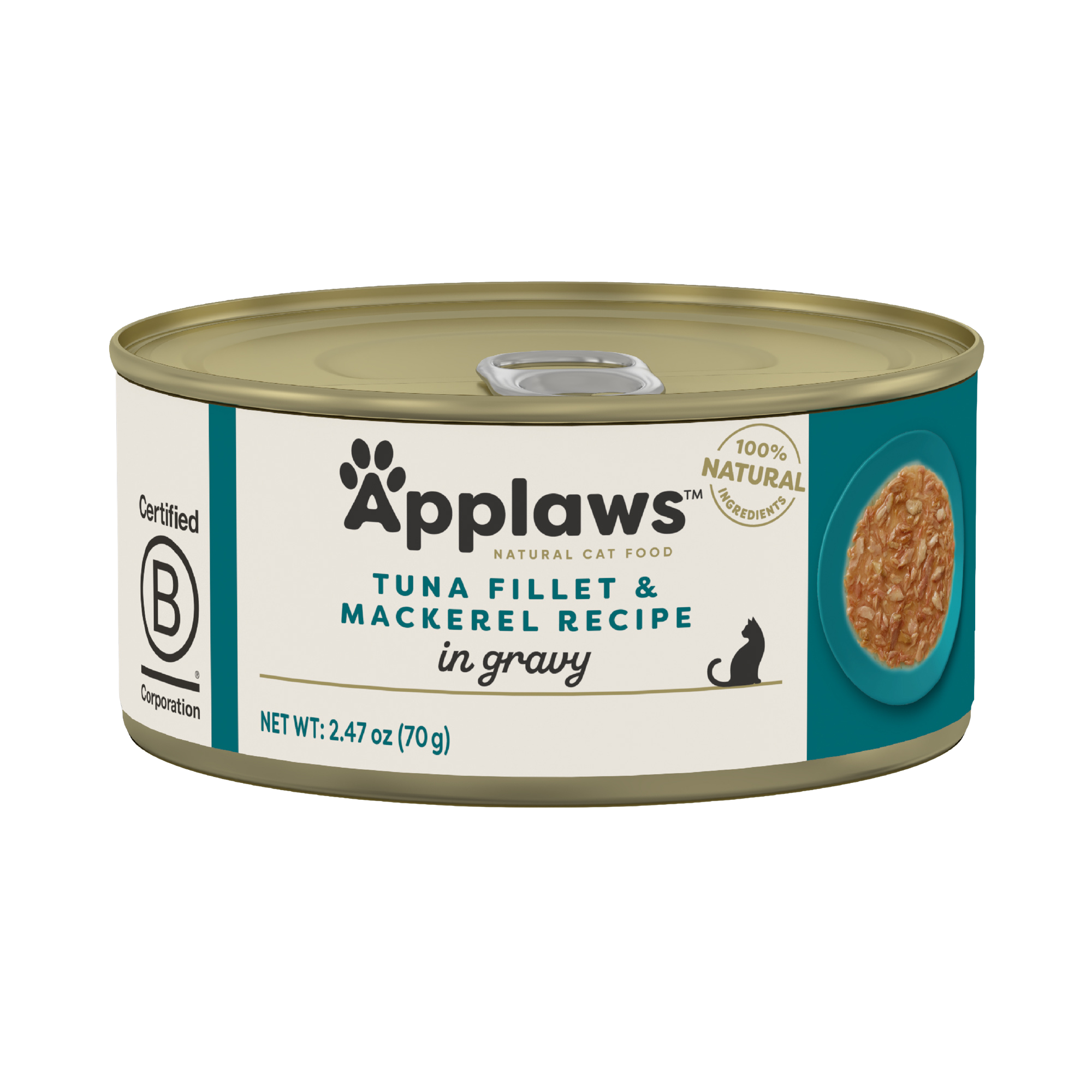

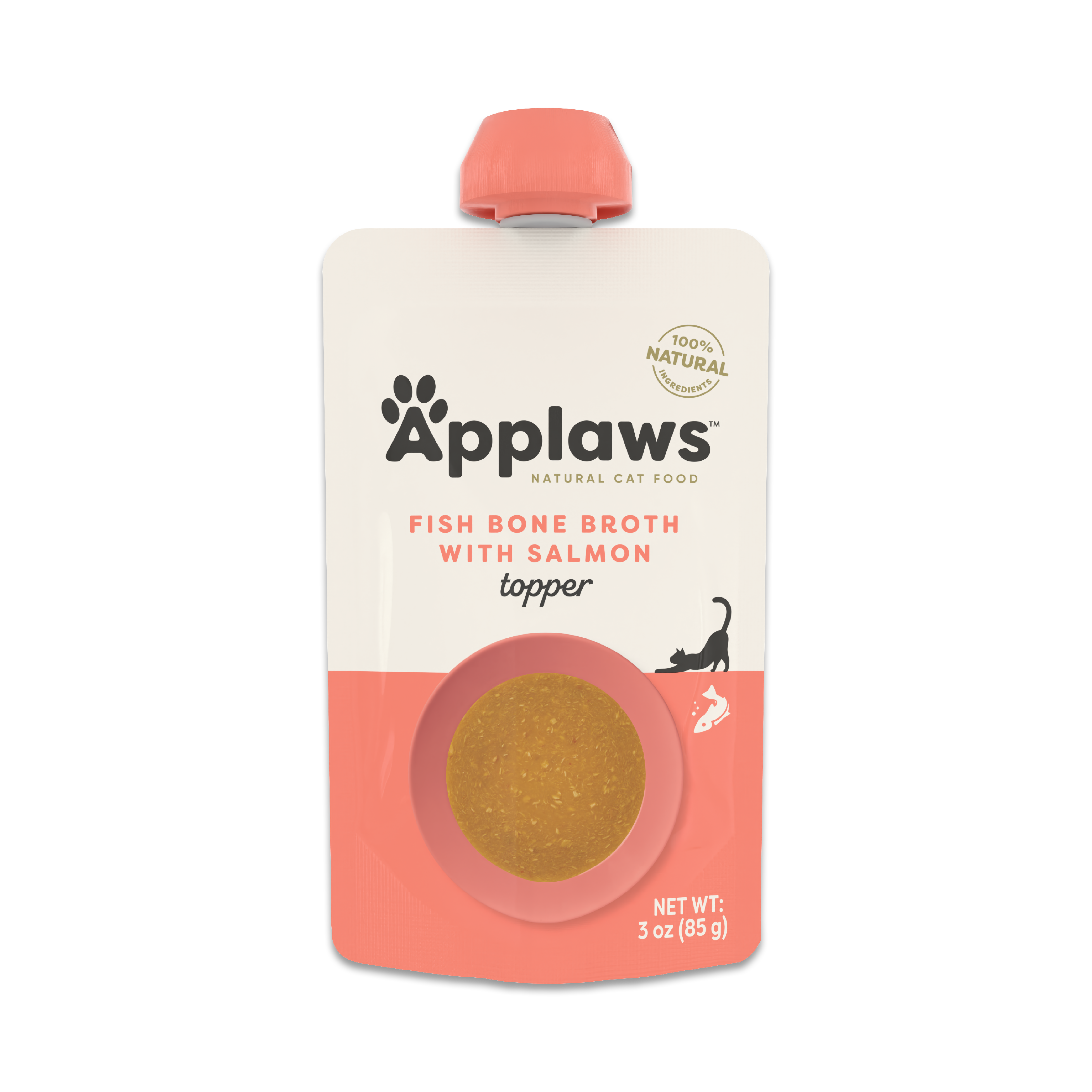


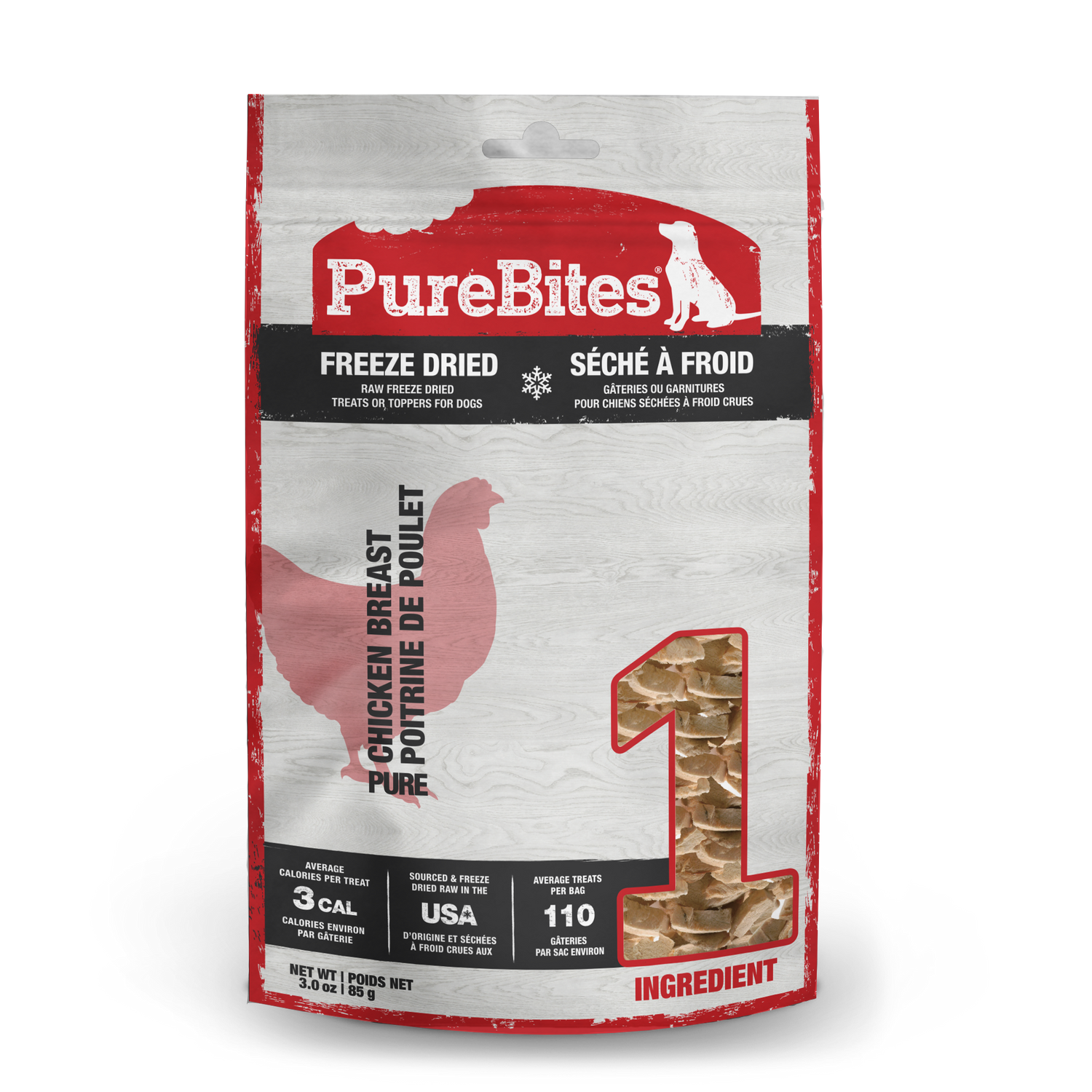
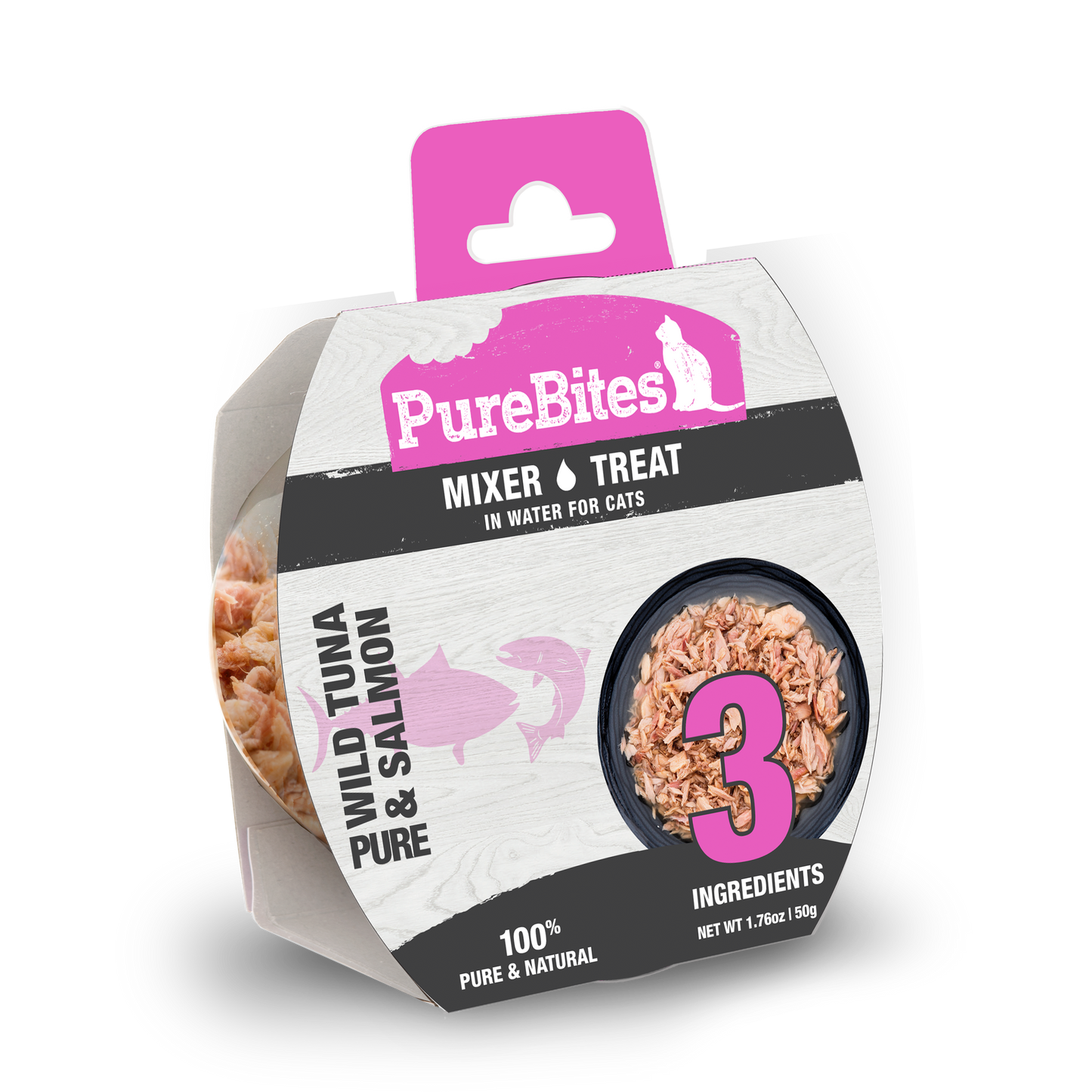
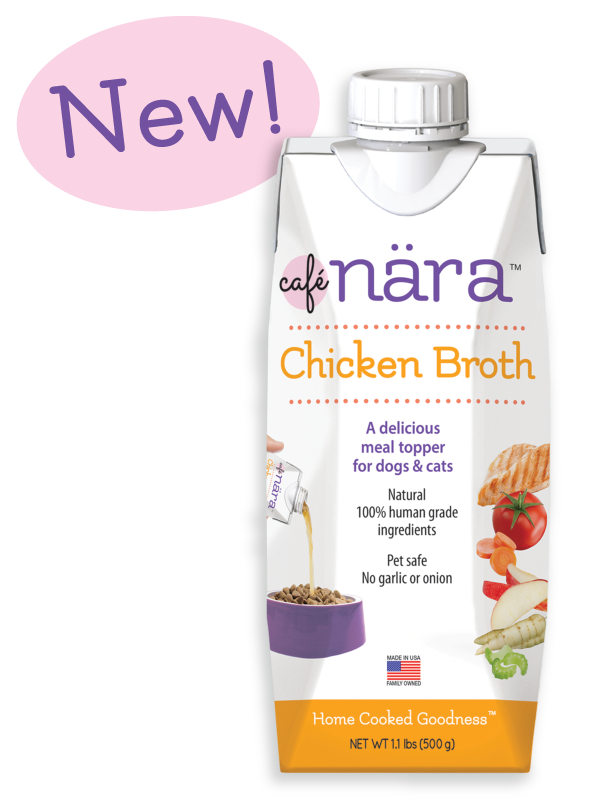
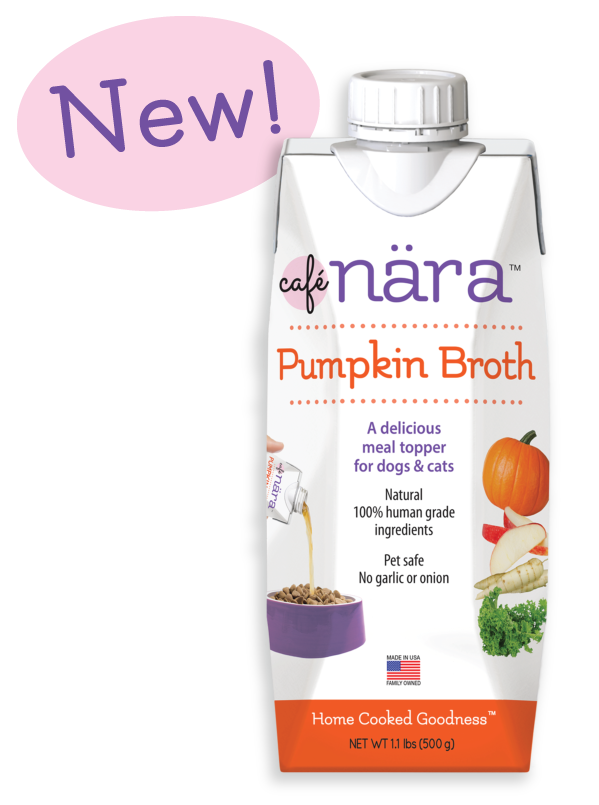

This list is ranked for cats in general. A free account matches picks to your own cat's breed, age, and health focus.


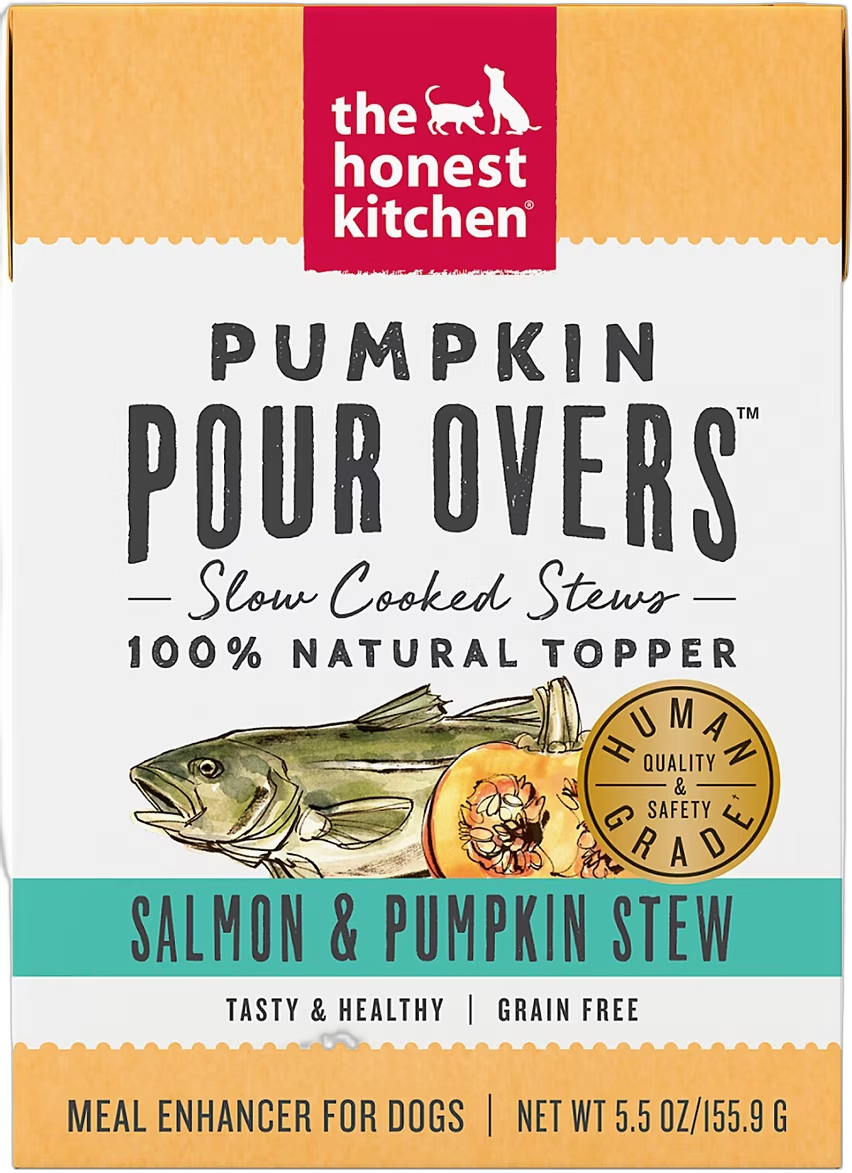
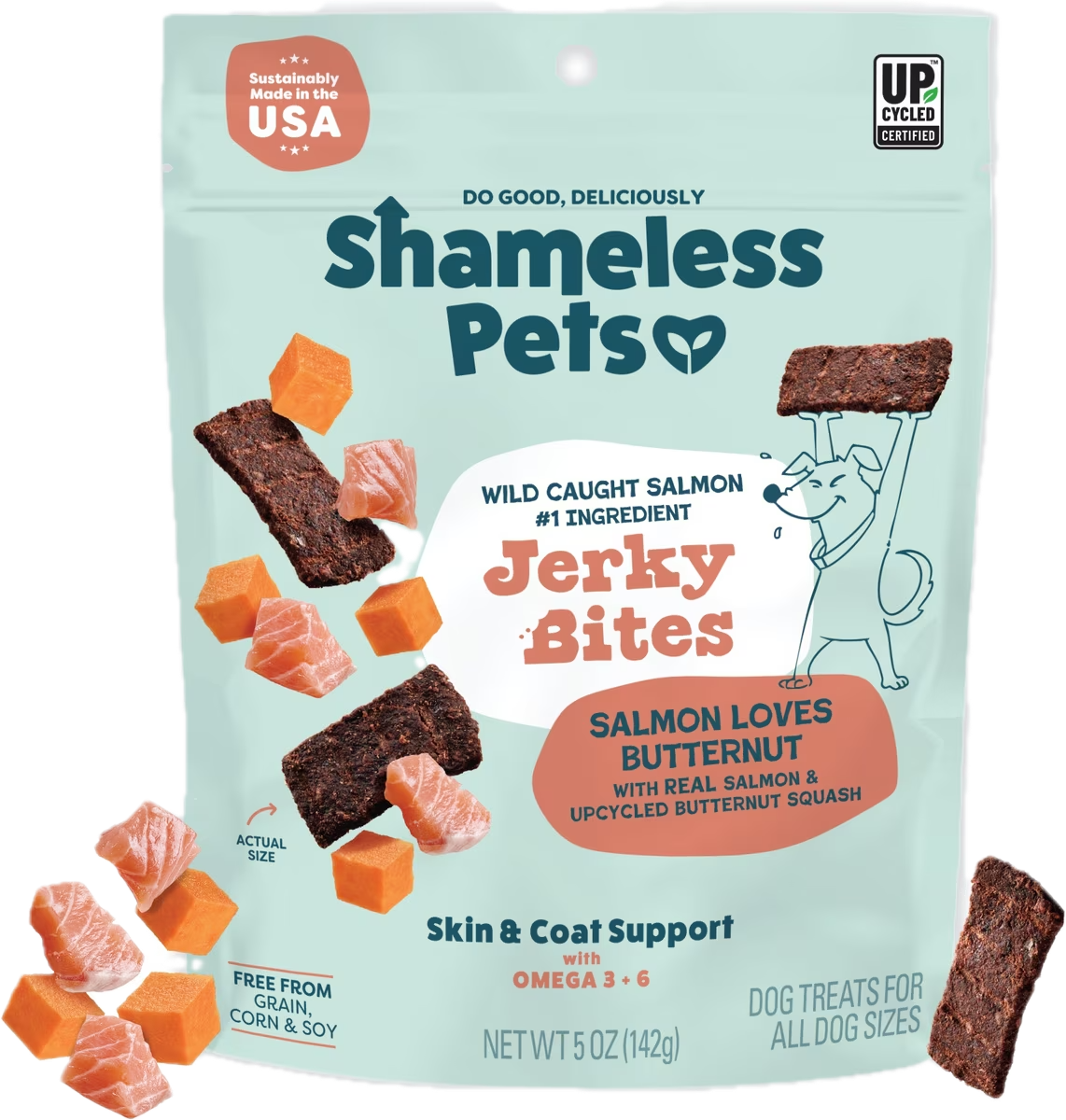
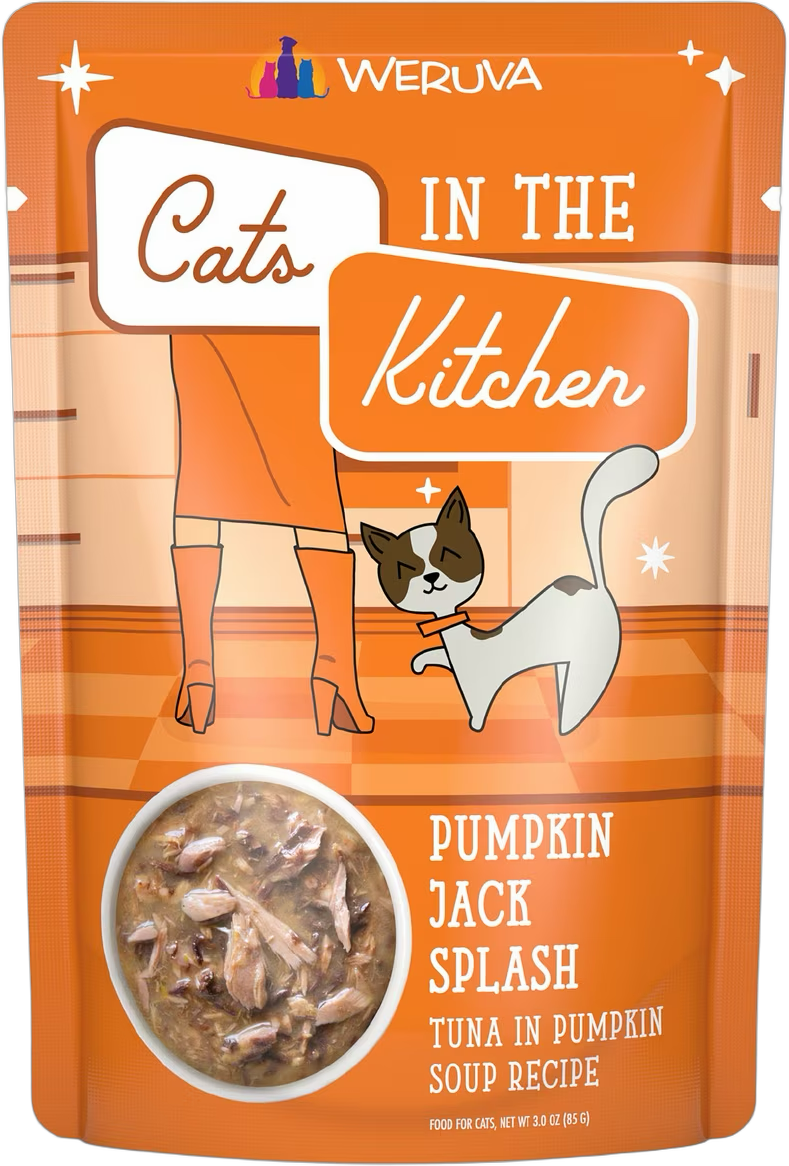
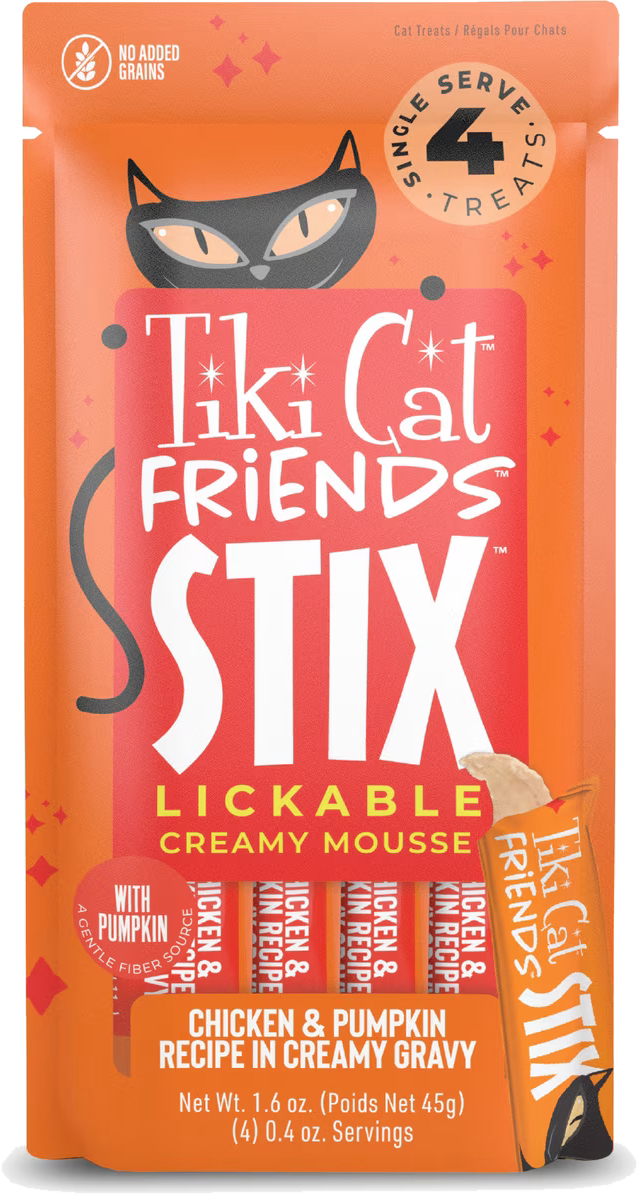

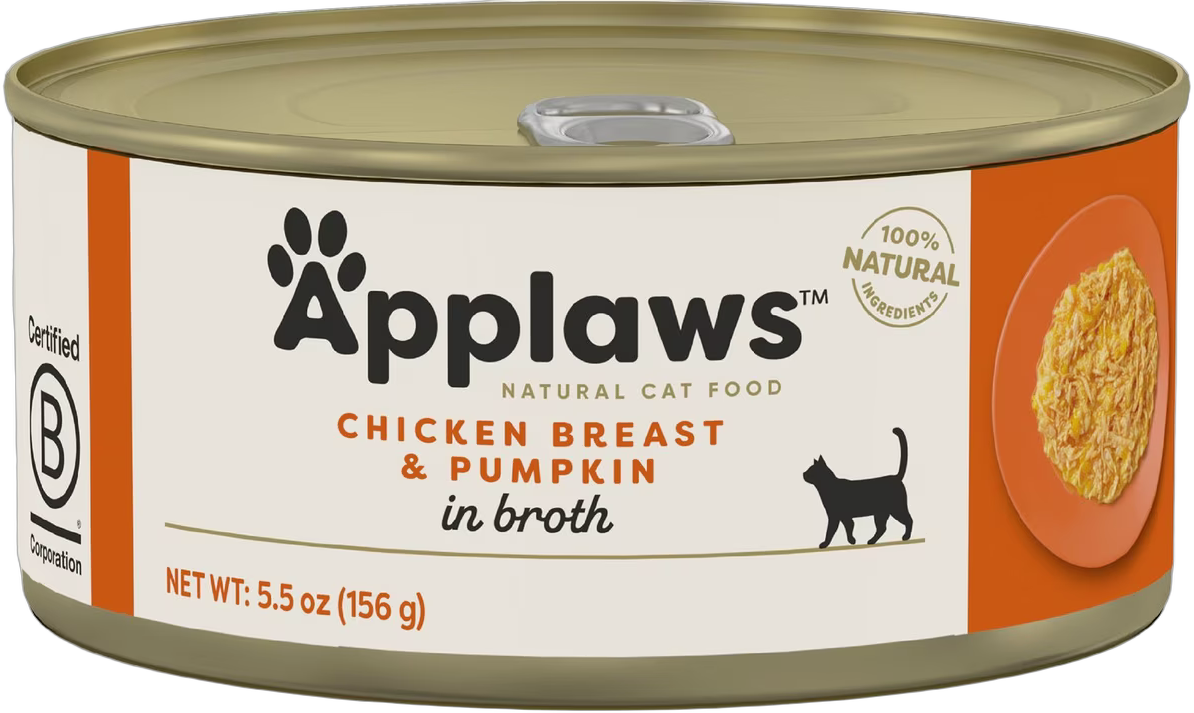
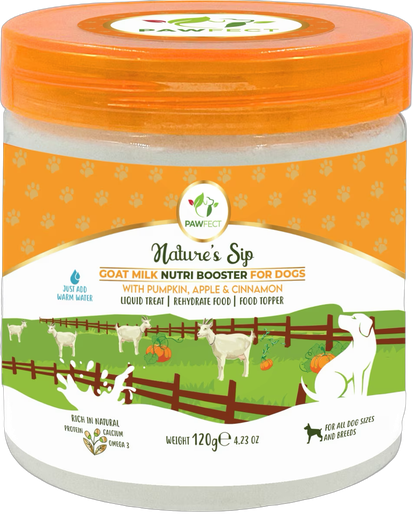



What to Look For in Limited-Ingredient Cat Toppers
The picks above are ranked by KibbleLab Score, our rubric-based read on a food's ingredients, nutrition, and AAFCO status. Here's what that rubric is actually checking for, so you can read any label yourself.
Toppers are mix-ins, not the bowl
A topper makes the main food more appealing or adds moisture. Keep it a small share so your cat's complete food stays the bulk of the calories.
Check what it adds
The best toppers are simple: a named protein or a broth, without a long tail of additives making up the difference.
What limited-ingredient means
A limited-ingredient food is built around one protein and one carbohydrate, a useful starting point if your cat reacts to something. It isn't a diagnosis, though: "limited" isn't regulated and cross-contamination is common, so confirming a true food allergy takes a vet-guided elimination trial. Read the label and check it avoids the ingredient you're worried about.
Transparency you can check
Every limited-ingredient cat topper here links to its full ingredient list, guaranteed analysis, and KibbleLab Score, so you can verify the label yourself instead of taking a brand's word for it.
Common Questions
How is this list of limited-ingredient cat toppers ranked?
Ranked by KibbleLab Score, highest first. This page's filters decide which foods are eligible, then those foods are ordered by that score: our rubric-based read on a food's ingredients, guaranteed analysis, and AAFCO adequacy, built by an NAVC Certified Pet Nutrition Coach (PNCC). So the order reflects overall quality, not just the one trait this list is about. It refreshes weekly.
Will a limited-ingredient food fix my cat's allergy?
It's a starting point, not a diagnosis. OTC "limited" foods aren't regulated and cross-contamination is common, so the real test for a food allergy is an 8-to-12-week elimination trial on a novel or hydrolyzed protein, run with your vet. To spot patterns in what you've been feeding, you can log meals and reactions in KibbleLab's Food Sensitivity focus.
What should I look for on a cat food label?
A named animal protein first, taurine listed, and a complete AAFCO statement for your cat's life stage. Cats are obligate carnivores, so meat should lead and plant proteins shouldn't be padding the numbers. Our Explains guides break down each part of a label.
How often does this list change?
It's rebuilt from KibbleLab's live catalog every week, so a food's score changing, a new food being added, or one going out of stock shows up within a week rather than instantly.
Why isn't my cat's food on this list?
A food appears here only if it matches this page's filters and scores high enough to place. Prescription diets are never listed. , or use Check a Food, to see how your own cat's food scores.
Make this list about your cat
Sign in free to get picks matched to your cat's breed, age, and health focus, save foods to compare later, and keep an avoid list in one place.
KibbleLab may earn an affiliate commission when you buy through a link on this page.

 Continue with Google
 Continue with Facebook