Alligator
1 food contains this ingredient
This is an alphabetical list, not a ranking. Add KL+ to rank foods for your pet in the Food Finder.
About Alligator
In pet food, alligator is farmed reptile meat used mainly in prescription-style elimination diets to identify or manage food-reaction cases.
Alligator is used in pet foods as a novel, generally lean animal protein that provides high-quality amino acids and is commonly offered in limited-ingredient or hypoallergenic formulas for dogs and cats. It can be helpful for animals with common protein sensitivities and is typically palatable, but owners should make sure alligator-based diets are complete and balanced (especially for essential nutrients like taurine in cats) and that the ingredient is sourced and processed safely to avoid contaminants or foodborne pathogens.
- Derived from
- farmed American alligator meat or meat meal
- Primary role
- novel/elimination-diet protein for diagnosing food reactions
Why it's used
Because most pet diets historically centered on chicken, beef, or fish, alligator gives veterinarians a protein a pet's immune system likely has not encountered before, which is the basis for using it in diagnostic elimination trials rather than as an everyday kibble protein. Veterinary novel-protein formulas built around alligator are typically administered under veterinary guidance as part of a structured elimination and food trial process.
Common concerns
- Cross-reactivity is not guaranteed zero A peer-reviewed theoretical cross-reactivity analysis found that dogs sensitized to chicken serum albumin (Gal d 5) could still show a reaction to alligator-based diets, so alligator is not automatically free of cross-reaction risk for every chicken-allergic pet.
- Reptile-associated Salmonella Reptile meat and meal, like other raw or minimally processed animal proteins, can carry Salmonella and other pathogens if not sourced and handled with proper sanitation and processing controls.
- Effectiveness depends on true novelty A protein only works for an elimination trial if the individual pet has never eaten it before, so a prior product exposure to alligator (even in a treat) can undermine its use as a diagnostic novel protein for that pet.
Also relevant
Because alligator is farmed and processed at a smaller commercial scale than mainstream livestock, formulations built on it are more often found in veterinary or specialty product lines than in mass-market pet food.
3 sources cited
- Alligator diets are formulated as novel-protein/elimination options for pets with adverse food reactions, including AAFCO-compliant complete-and-balanced formulations
- Theoretical cross-reactivity risk analysis (A-RISC index) found dogs sensitized to chicken serum albumin (Gal d 5) may still react to alligator-based diets
- Case report of anaphylaxis to alligator meat consumption, illustrating alligator meat is not inherently free of allergenic potential
Common Questions
What category is Alligator?
Alligator is categorized as a protein ingredient in the KibbleLab database.
Is Alligator part of an allergen group?
Yes. Alligator is grouped under the Exotic Proteins allergen group in the KibbleLab database.
Which foods contain Alligator?
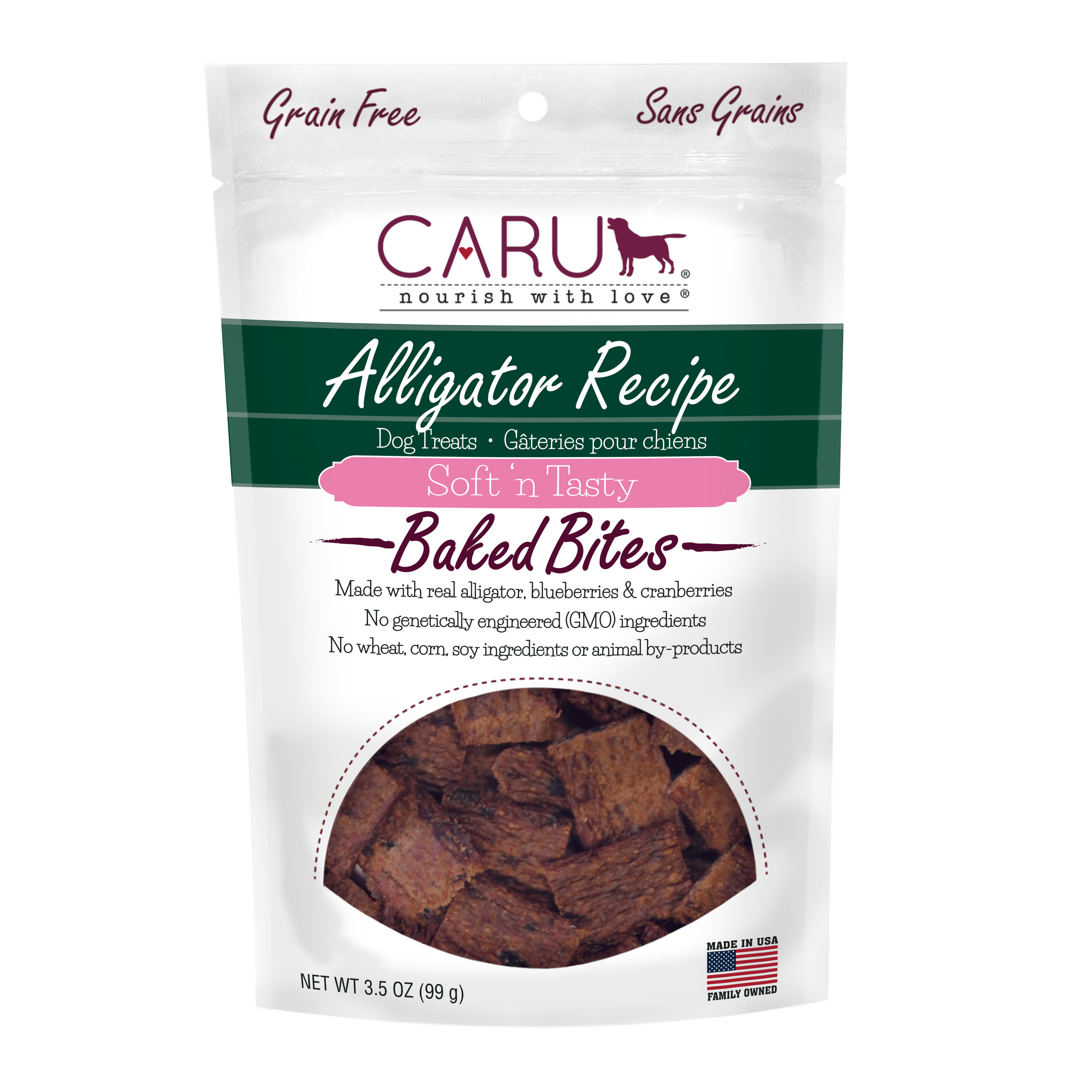
1 food in the KibbleLab database contain Alligator, including Caru.
Foods with Alligator
Alphabetical by brand. Scores run 0 to 10, higher is better, on published veterinary science.

Find the right food for your pet
Sign in free to sort and filter by score, and avoid or require Alligator in the Food Finder. Add KL+ to see these foods ranked for your pet's breed, age, and health focus.

 Continue with Google
 Continue with Facebook