Almond
16 foods contain this ingredient
This is an alphabetical list, not a ranking. Add KL+ to rank foods for your pet in the Food Finder.
About Almond
Almond derivatives like meal, flour, or oil turn up occasionally in pet treats and biscuits rather than in daily complete-and-balanced formulas.
Almonds are not a common ingredient in complete pet foods but may appear in treats or as almond meal/oil, contributing fat, some protein, fiber and vitamin E; however they are calorie‑dense rather than a balanced nutrient source. While not known to be specifically toxic like some other nuts, almonds can cause gastrointestinal upset, pose a choking risk for small pets, may contribute to pancreatitis in dogs due to high fat content, and flavored or sugar‑free varieties (which can contain xylitol) should be avoided, so they are best not given regularly to dogs or cats.
Related ingredients
- Derived from
- almond seed (nut), meal, flour, or pressed oil
- Primary role
- occasional treat/biscuit ingredient, not a core diet component
Why it's used
Almond flour or meal is sometimes used by treat makers as a grain-free binder or texture base, since it behaves differently in baking than cereal flours. Almond oil occasionally appears in small amounts for its vitamin E and fatty-acid content rather than as a primary fat source.
Common concerns
- Bitter almond vs. sweet almond ASPCA guidance distinguishes sweet almonds, the common commercial kind, which are not considered toxic, from bitter almonds, which contain a cyanide-generating compound and are considered toxic; pet food and treat ingredients should specify sweet almond.
- Whole nuts and choking or obstruction Whole or roughly chopped almonds are firm and irregularly shaped, which raises choking risk and, particularly in small dogs and cats, potential for gastrointestinal obstruction if swallowed whole.
- Fat load and pancreatitis association VCA Animal Hospitals notes that a high-fat meal is one of the recognized triggers associated with pancreatitis episodes in dogs, which is why fatty, calorie-dense nuts like almonds are flagged as a concern for dogs prone to the condition.
- Added salt or flavoring Salted, seasoned, or flavor-coated almonds add sodium and other additives on top of the nut itself, and flavored or sugar-free coatings can carry xylitol, so plain, unsalted almond ingredients are the only kind relevant to pet products.
Also relevant
Almond is a tree nut, so pet products listing it should be reviewed individually by owners whose pets have a known nut sensitivity or who are managing a diagnosed food allergy under veterinary care.
3 sources cited
- Sweet almonds (the commercial kind sold for consumption) are not considered toxic to pets, while bitter almonds contain a cyanide compound and are considered toxic
- Fatty meals are a recognized association/trigger discussed in connection with pancreatitis in dogs
- High-fat foods including nuts can lead to gastrointestinal upset such as vomiting and diarrhea in dogs
Common Questions
What category is Almond?
Almond is categorized as a other ingredient in the KibbleLab database.
Is Almond part of an allergen group?
No allergen group is linked to Almond in the KibbleLab database.
Which foods contain Almond?
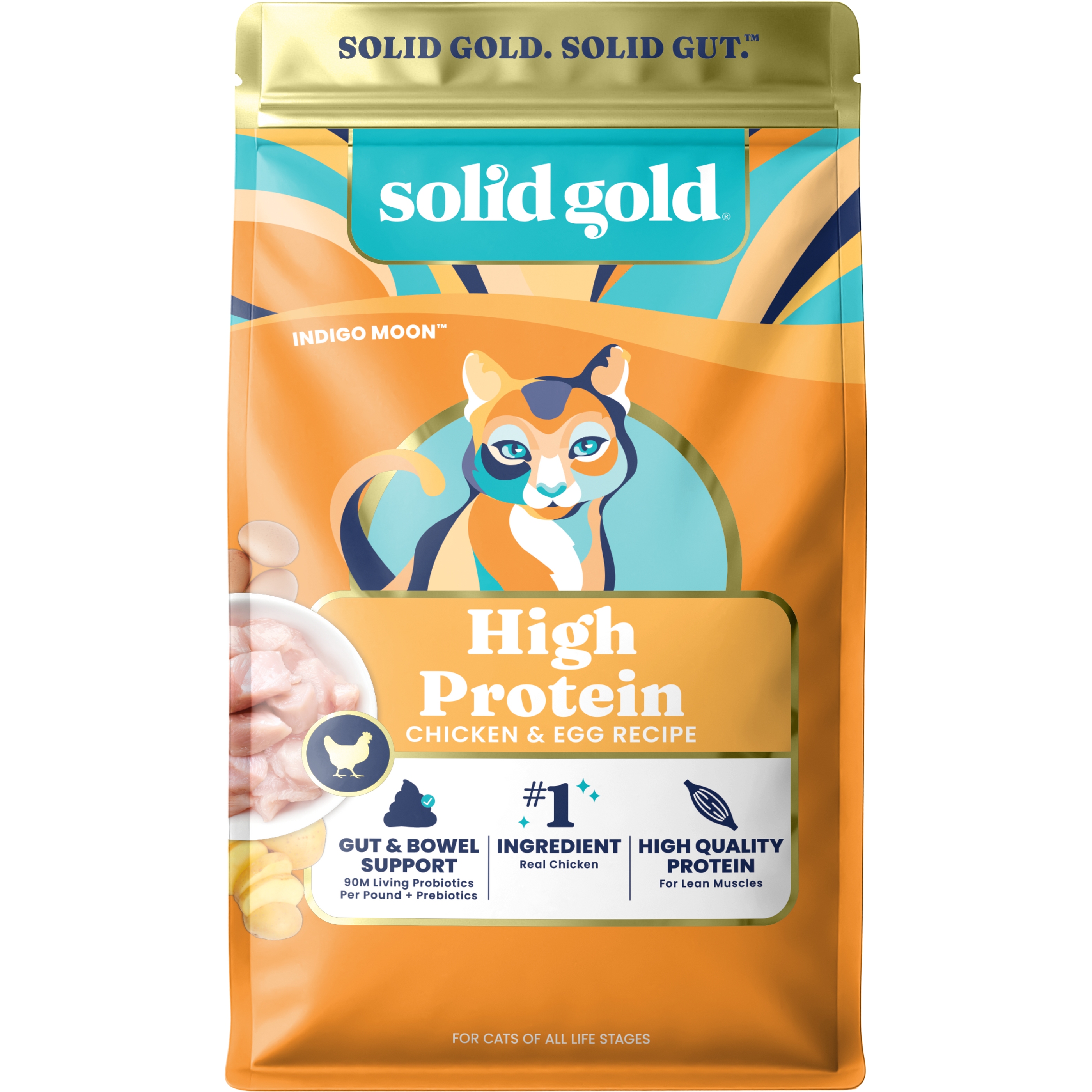
16 foods in the KibbleLab database contain Almond, including Nature's Logic, NutriSource, Solid Gold.
Foods with Almond
Alphabetical by brand. Scores run 0 to 10, higher is better, on published veterinary science.



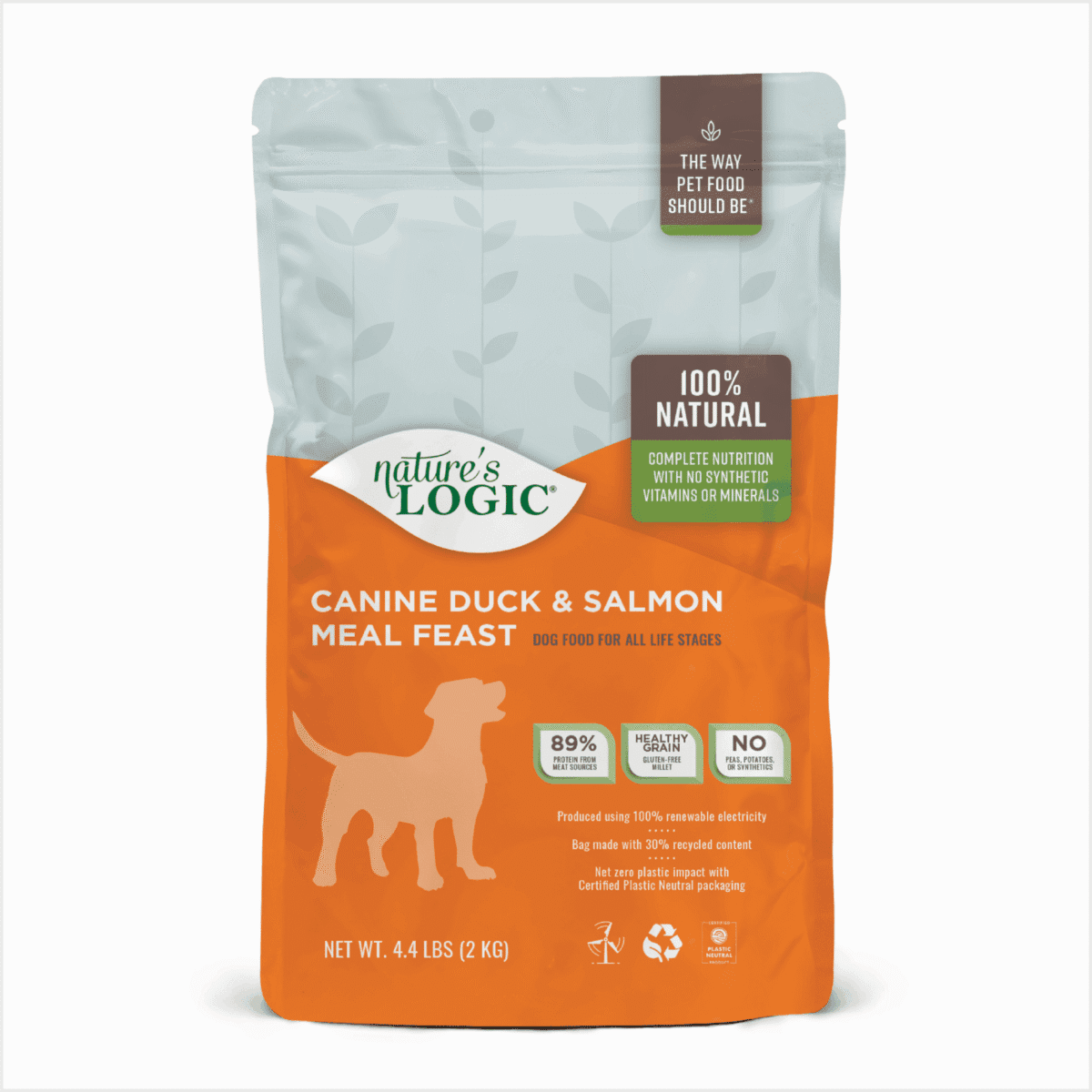


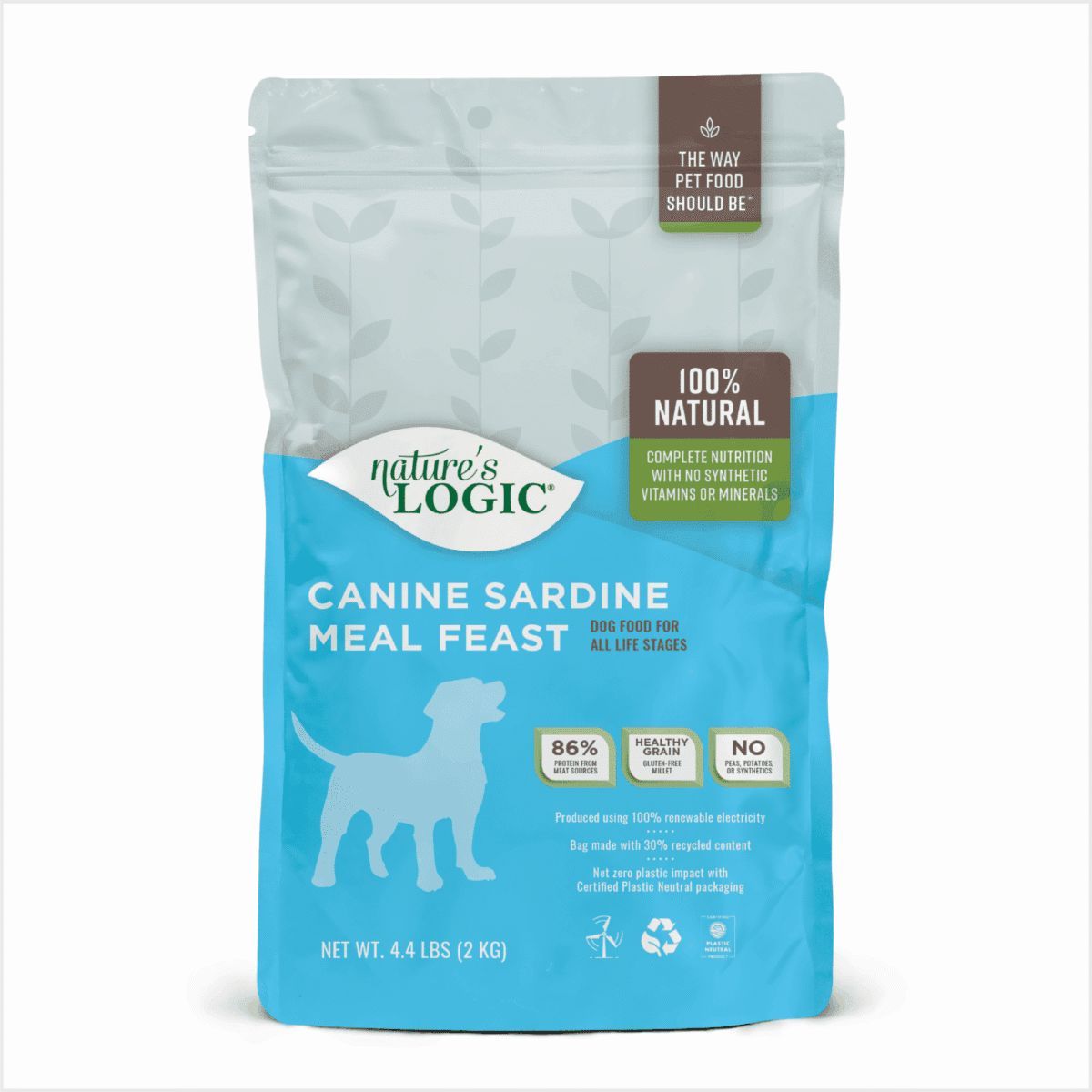


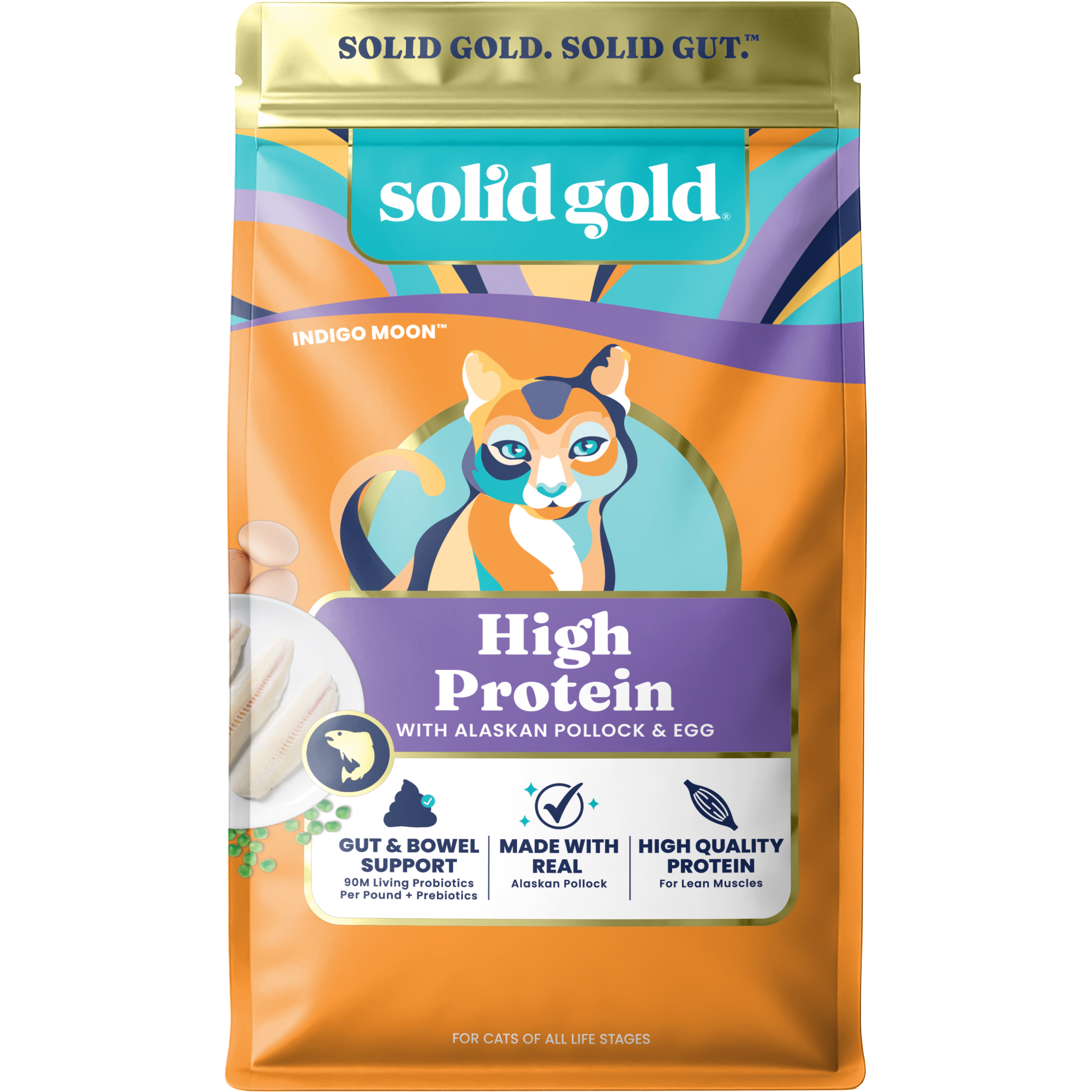
Find the right food for your pet
Sign in free to sort and filter by score, and avoid or require Almond in the Food Finder. Add KL+ to see these foods ranked for your pet's breed, age, and health focus.

 Continue with Google
 Continue with Facebook