Angelica Sinensis
2 foods contain this ingredient
This is an alphabetical list, not a ranking. Add KL+ to rank foods for your pet in the Food Finder.
About Angelica Sinensis
Dong quai, or Angelica sinensis, is a root-derived herb occasionally added to pet supplements for purported circulatory and anti-inflammatory support.
Angelica sinensis (dong quai) is a traditional herbal botanical sometimes included in pet supplements rather than as a macronutrient, used for purported circulatory support, mild anti‑inflammatory and immune‑modulating effects. Its safety and efficacy in dogs and cats are not well established, and it can cause gastrointestinal upset, photosensitivity or interact with anticoagulant medications, so it should be used only under veterinary guidance—especially in pregnant, nursing, bleeding‑disorder or medicated animals.
Related ingredients
- Derived from
- dried root of the Angelica sinensis plant
- Primary role
- botanical supplement ingredient, not a nutritive component
Why it's used
Dong quai root has a long history in traditional herbal medicine, where it is associated with circulatory and mild anti-inflammatory effects. In pet products it typically appears in small amounts within multi-herb supplement blends rather than as a food ingredient itself.
Common concerns
- Blood clotting Dong quai has documented antithrombin and platelet-inhibiting activity in animal studies, and in humans it has been reported to potentiate the effect of anticoagulant drugs like warfarin, so combined use with clotting-affecting medications is a recognized concern.
- Species-specific processing An EFSA feed-additive assessment set a lower maximum use level for cats than for dogs, citing cats' reduced glucuronidation capacity for metabolizing compounds like this one.
- Photosensitization Some Angelica species contain furanocoumarin compounds linked to photosensitivity reactions in traditional and human herbal medicine literature, though testing of dong quai tincture specifically has found only trace coumarin levels and no detectable furanocoumarins.
- Reproductive status Herbal medicine references commonly advise against use in pregnant or nursing animals due to the plant's hormonal and uterine-stimulant associations in traditional use.
Also relevant
Because documented data comes mostly from human herbal medicine and a feed-additive review rather than clinical veterinary trials, a veterinarian is the best resource for questions about a specific pet, especially one on other medications.
3 sources cited
- Trace coumarin levels (0.00004%-0.0004%) and no detectable furanocoumarins in dong quai tincture; species-specific maximum feed levels for dogs (481 mg/kg) versus cats (184 mg/kg) due to cats' reduced glucuronidation capacity
- Dong quai's antithrombin and platelet-inhibiting activity and documented potentiation of warfarin's anticoagulant effect in a human case report
- Dong quai among Chinese herbal products with strongest evidence of potential interaction with warfarin
Common Questions
What category is Angelica Sinensis?
Angelica Sinensis is categorized as a herb ingredient in the KibbleLab database.
Is Angelica Sinensis part of an allergen group?
No allergen group is linked to Angelica Sinensis in the KibbleLab database.
Which foods contain Angelica Sinensis?
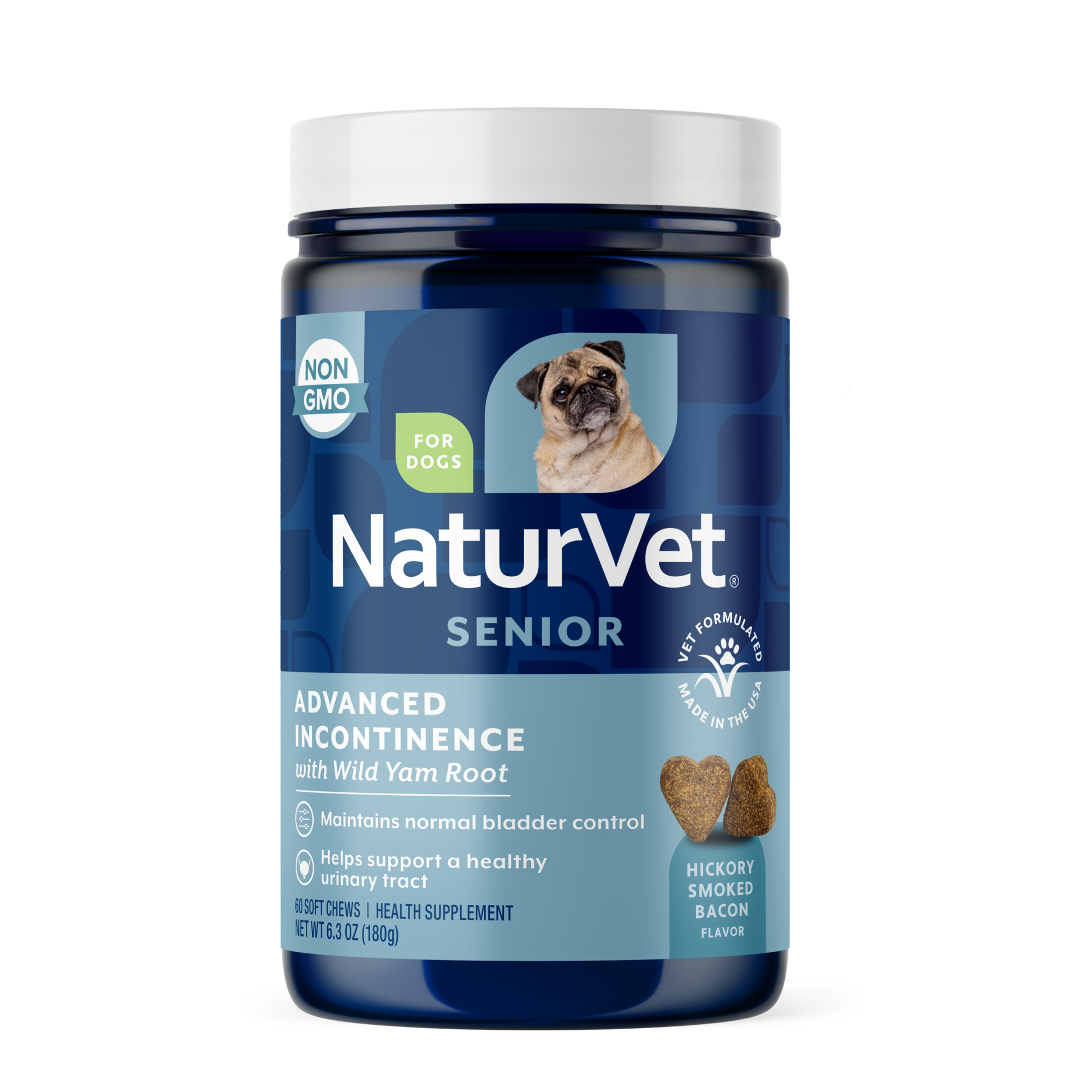
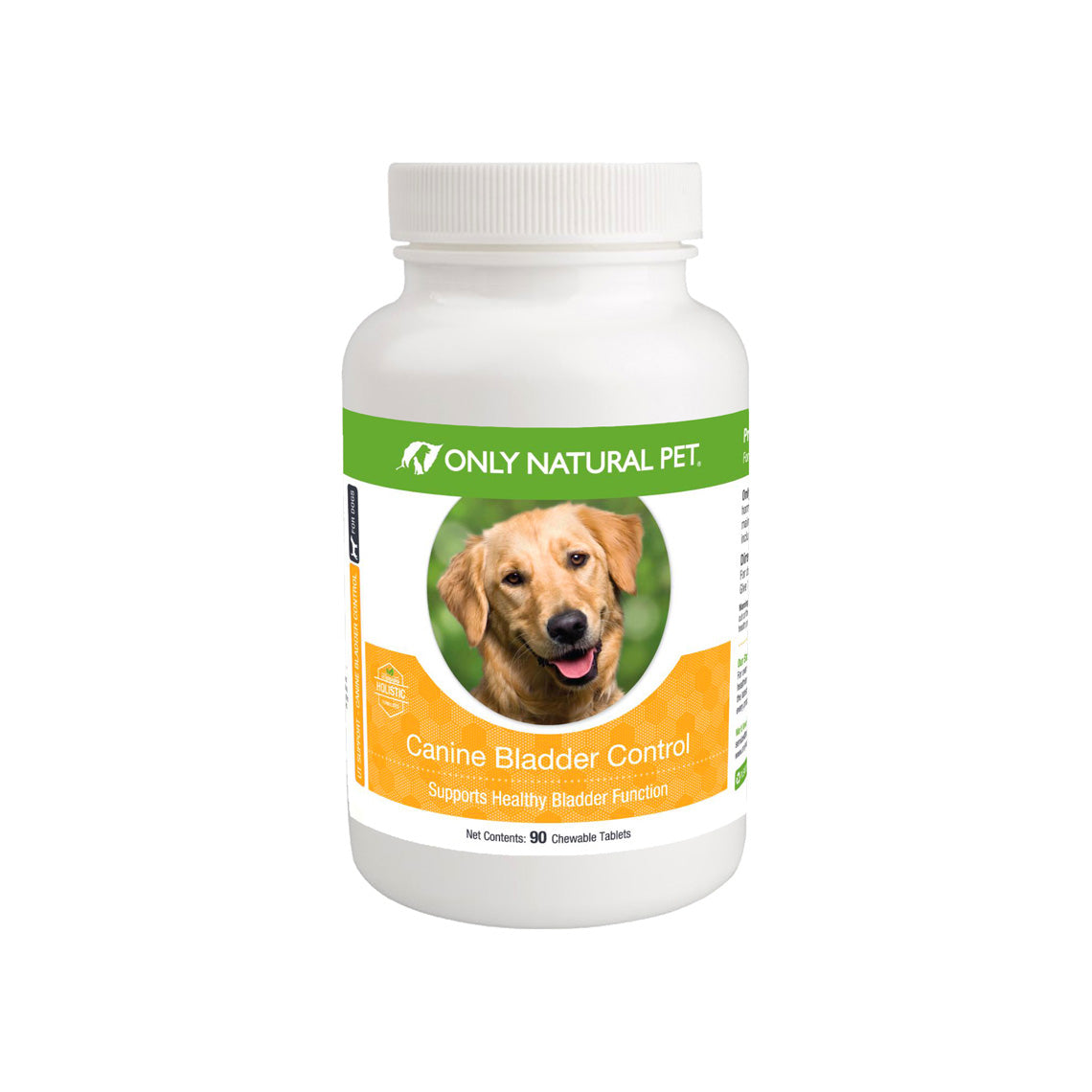
2 foods in the KibbleLab database contain Angelica Sinensis, including NaturVet, Only Natural Pet.
Foods with Angelica Sinensis
Alphabetical by brand. Scores run 0 to 10, higher is better, on published veterinary science.
Find the right food for your pet
Sign in free to sort and filter by score, and avoid or require Angelica Sinensis in the Food Finder. Add KL+ to see these foods ranked for your pet's breed, age, and health focus.

 Continue with Google
 Continue with Facebook