Arctic Char
5 foods contain this ingredient
This is an alphabetical list, not a ranking. Add KL+ to rank foods for your pet in the Food Finder.
About Arctic Char
Arctic char is a cold-water salmonid fish, closely related to salmon and trout, used as a protein source in some dog and cat diets.
Arctic char is a high-quality, easily digestible cold-water fish used in pet food as a primary animal protein and a natural source of omega-3 fatty acids (EPA/DHA), B vitamins and trace minerals like selenium for dogs and cats. It can support skin and coat condition and provide anti-inflammatory and cognitive benefits, but pets with fish allergies should avoid it and owners should use properly processed commercial diets to minimize risks from pathogens or environmental contaminants (mercury is generally low compared with larger predatory fish).
- Derived from
- cold-water salmonid fish (Salvelinus alpinus)
- Primary role
- animal protein and omega-3 fatty acid source
Why it's used
As a salmonid, Arctic char supplies concentrated animal protein along with EPA and DHA omega-3 fatty acids, similar to salmon and trout. It's sometimes chosen as an alternative fish protein in formulas aimed at pets that need or benefit from a novel or single-source animal protein.
Common concerns
- Fish allergen group Arctic char belongs to the broader Fish allergen group, and research has documented IgE cross-reactivity between fish species and even between fish and chicken proteins in dogs with allergic skin disease, meaning a pet with a known fish sensitivity may react to Arctic char as well.
- Thiaminase and raw feeding Some raw fish species contain thiaminase, an enzyme that can break down thiamine (vitamin B1) and has been linked to thiamine deficiency in cats, dogs, and other animals fed raw fish-heavy diets over time; salmonids like Arctic char are generally not considered notable thiaminase sources, and the enzyme is inactivated by standard cooking and commercial processing.
- Environmental contaminants Published research on wild and landlocked Arctic char populations has found mercury concentrations generally below subsistence and commercial guideline levels, though levels vary by age, diet, and geographic origin of the fish.
Also relevant
Owners with pets on an elimination diet or those managing a diagnosed fish allergy should discuss whether Arctic char is an appropriate protein choice with their veterinarian.
5 sources cited
- Fish allergen cross-reactivity and IgE cross-reactive proteins identified between fish and chicken in dogs with allergic skin disease
- Thiaminase in raw fish can cause thiamine deficiency in cats and dogs, but is heat-labile and inactivated by cooking and standard food processing
- Thiaminase distribution across fish species and viscera versus muscle tissue
- Mercury concentrations in the salmonids studied were generally below subsistence and commercial guideline levels
- Diet, age, and trophic level are the primary drivers of mercury concentration variation in Arctic char populations
Common Questions
What category is Arctic Char?
Arctic Char is categorized as a protein ingredient in the KibbleLab database.
Is Arctic Char part of an allergen group?
Yes. Arctic Char is grouped under the Fish allergen group in the KibbleLab database.
Which foods contain Arctic Char?
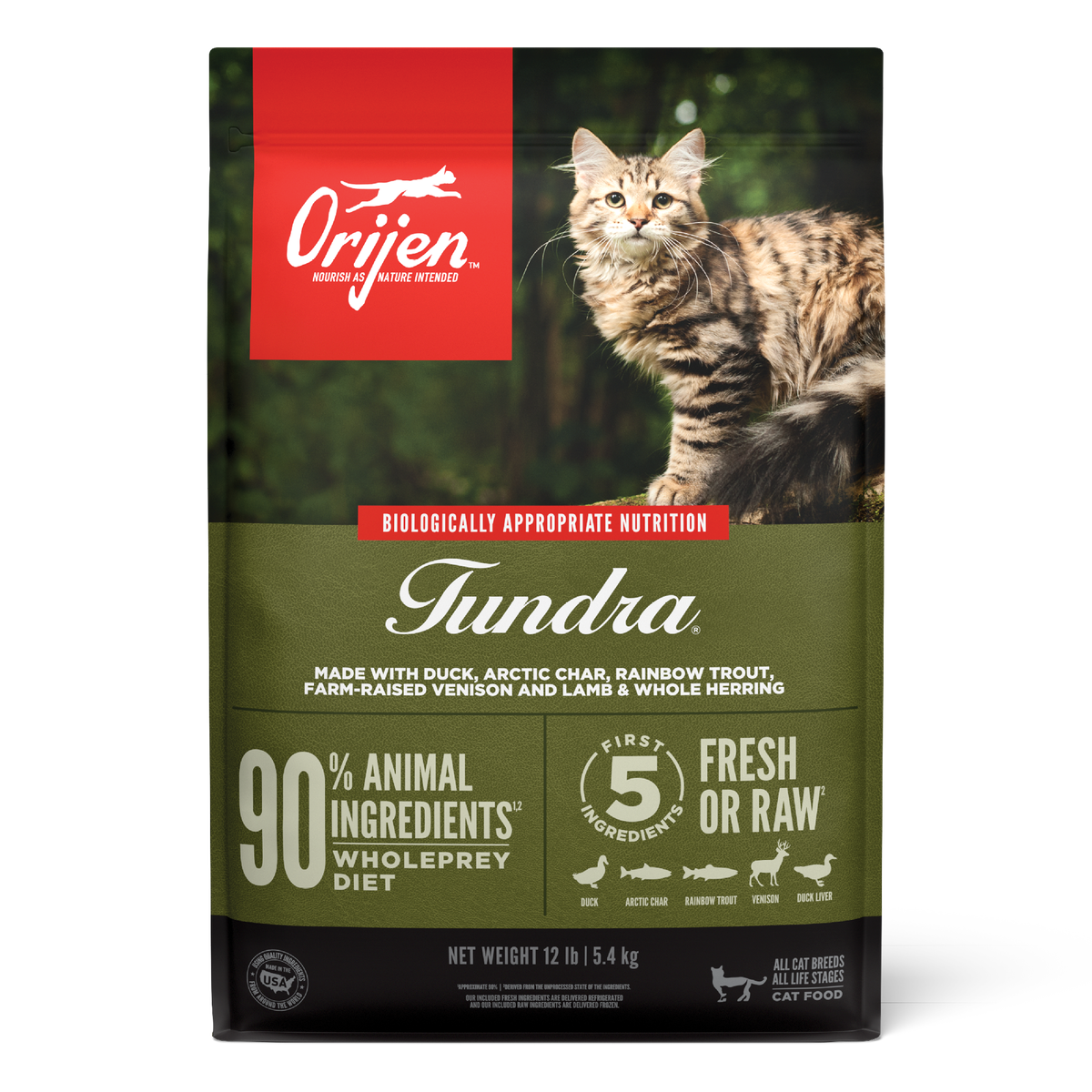
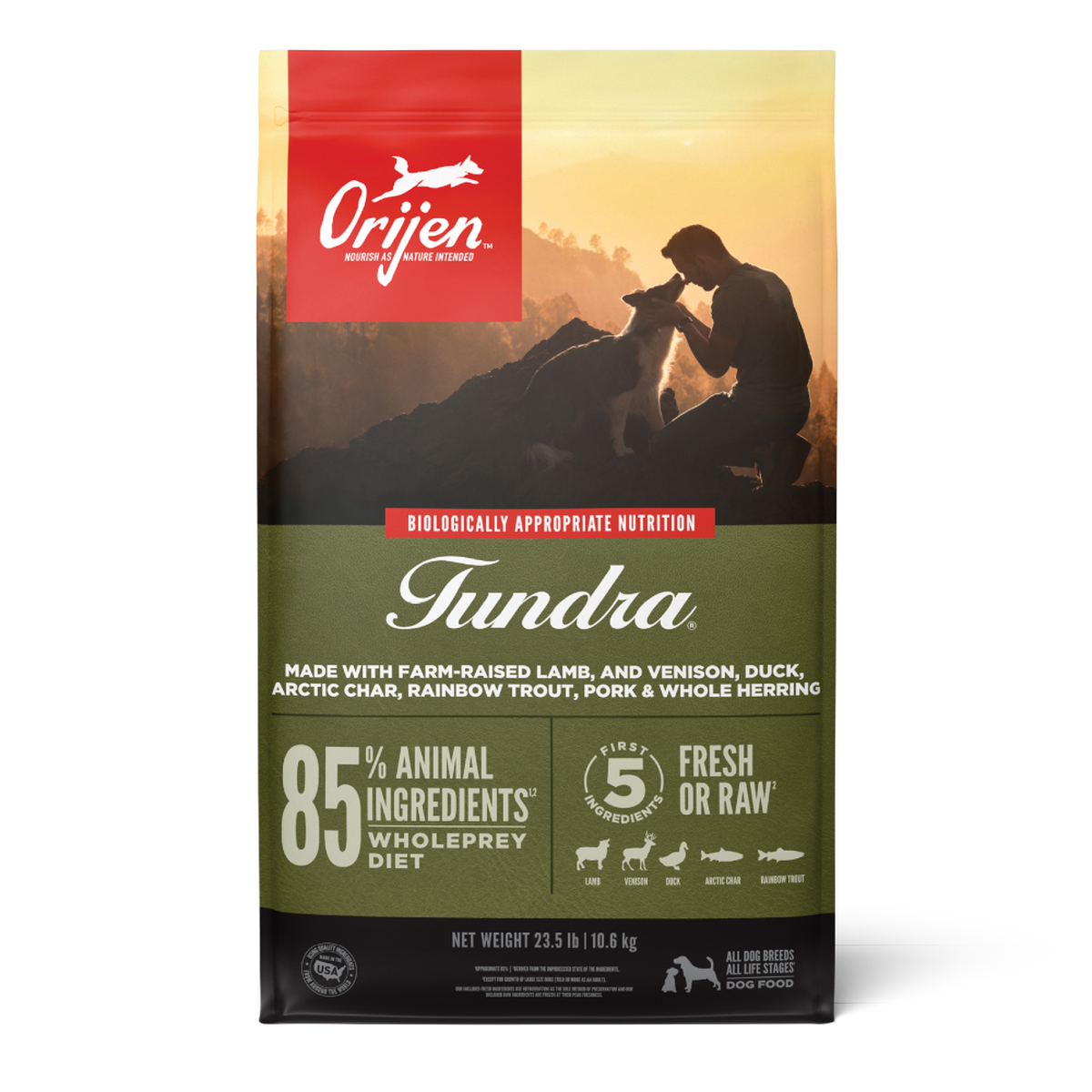
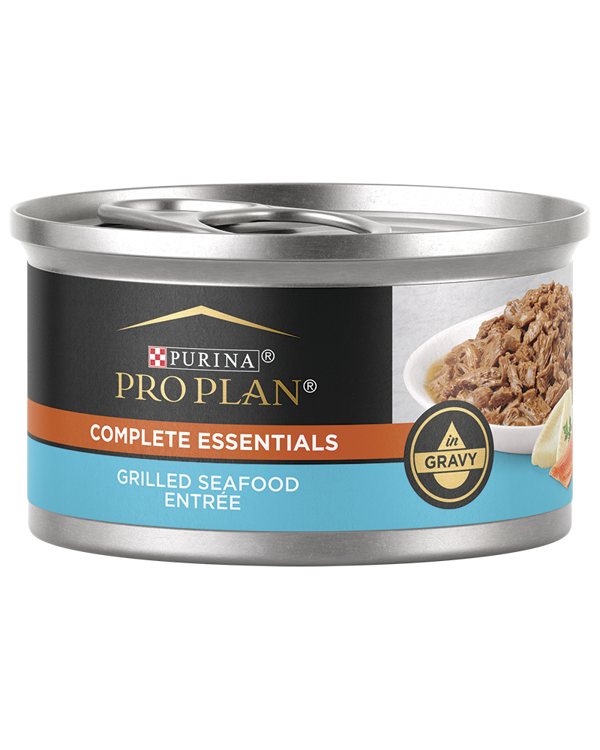
5 foods in the KibbleLab database contain Arctic Char, including Open Farm, Orijen, Purina Pro Plan.
Foods with Arctic Char
Alphabetical by brand. Scores run 0 to 10, higher is better, on published veterinary science.




Find the right food for your pet
Sign in free to sort and filter by score, and avoid or require Arctic Char in the Food Finder. Add KL+ to see these foods ranked for your pet's breed, age, and health focus.

 Continue with Google
 Continue with Facebook