Bearberry
2 foods contain this ingredient
This is an alphabetical list, not a ranking. Add KL+ to rank foods for your pet in the Food Finder.
About Bearberry
Bearberry (Arctostaphylos uva-ursi) is a botanical, tannin- and arbutin-containing leaf, added to some pet formulas for astringent or flavoring properties.
Bearberry is a botanical ingredient sometimes included in pet products as a flavoring or herbal additive rather than a primary nutrient; its leaves and berries contain tannins and phenolic compounds (notably arbutin) that have antioxidant and astringent properties. While these compounds could offer mild antioxidant or urinary astringent effects, bearberry has limited nutritional value for dogs and cats and can pose risks—arbutin may be metabolized to hydroquinone and high doses can cause gastrointestinal upset or toxicity—so its use is uncommon and should be avoided or reviewed by a veterinarian, especially in pregnant animals.
Related ingredients
- Derived from
- leaves (and occasionally berries) of the Arctostaphylos uva-ursi shrub
- Primary role
- botanical additive valued for tannins and arbutin, an astringent, antioxidant-associated compound
Why it's used
Bearberry leaf has a long history in human herbal preparations aimed at the lower urinary tract, where arbutin is broken down and excreted in urine as hydroquinone derivatives; formulators sometimes carry that same botanical over into pet products as a minor herbal or flavoring inclusion rather than a nutrient source.
Common concerns
- Hydroquinone metabolite and duration of use A published risk assessment of uva-ursi extract found that a typical human therapeutic dose yields free hydroquinone at a fraction of an established permitted daily exposure threshold, but the same review notes hydroquinone toxicity concerns arise mainly with prolonged or repeated use rather than a single exposure.
- High tannin content Bearberry leaf is rich in tannins, which are associated with astringency and, in concentrated or prolonged intake, gastrointestinal irritation across species.
- Pregnancy and liver considerations Herbal references flag uva-ursi as an ingredient to avoid during pregnancy and lactation, and as contraindicated in existing liver conditions, due to its hydroquinone and tannin content.
- Limited pet-specific toxicology data Bearberry does not appear on the ASPCA's toxic plant listings, but there is comparatively little published veterinary toxicology data specific to dogs and cats, so most of what's known is extrapolated from human herbal-medicine literature rather than species-specific studies.
Also relevant
Some general pet-plant references note that cats may be more sensitive to arbutin-related compounds than dogs, which is one reason herbal ingredients like this are usually kept to minor, occasional inclusion rather than a dietary staple.
4 sources cited
- Uva-ursi leaves contain hydroquinone glycosides, mainly arbutin, along with tannic acid, gallic acid, and flavonoids, and arbutin/hydroquinone are excreted in urine
- A therapeutic daily dose of bearberry extract produces free hydroquinone exposure well under an established permitted daily exposure threshold; toxicity concerns are tied more to dose and prolonged use
- Uva-ursi should not be used during pregnancy and lactation and is contraindicated in liver disease due to hydroquinone and tannin content
- Bearberry is not listed as toxic by ASPCA Animal Poison Control; cats may be more sensitive to arbutin than dogs
Common Questions
What category is Bearberry?
Bearberry is categorized as a herb ingredient in the KibbleLab database.
Is Bearberry part of an allergen group?
No allergen group is linked to Bearberry in the KibbleLab database.
Which foods contain Bearberry?
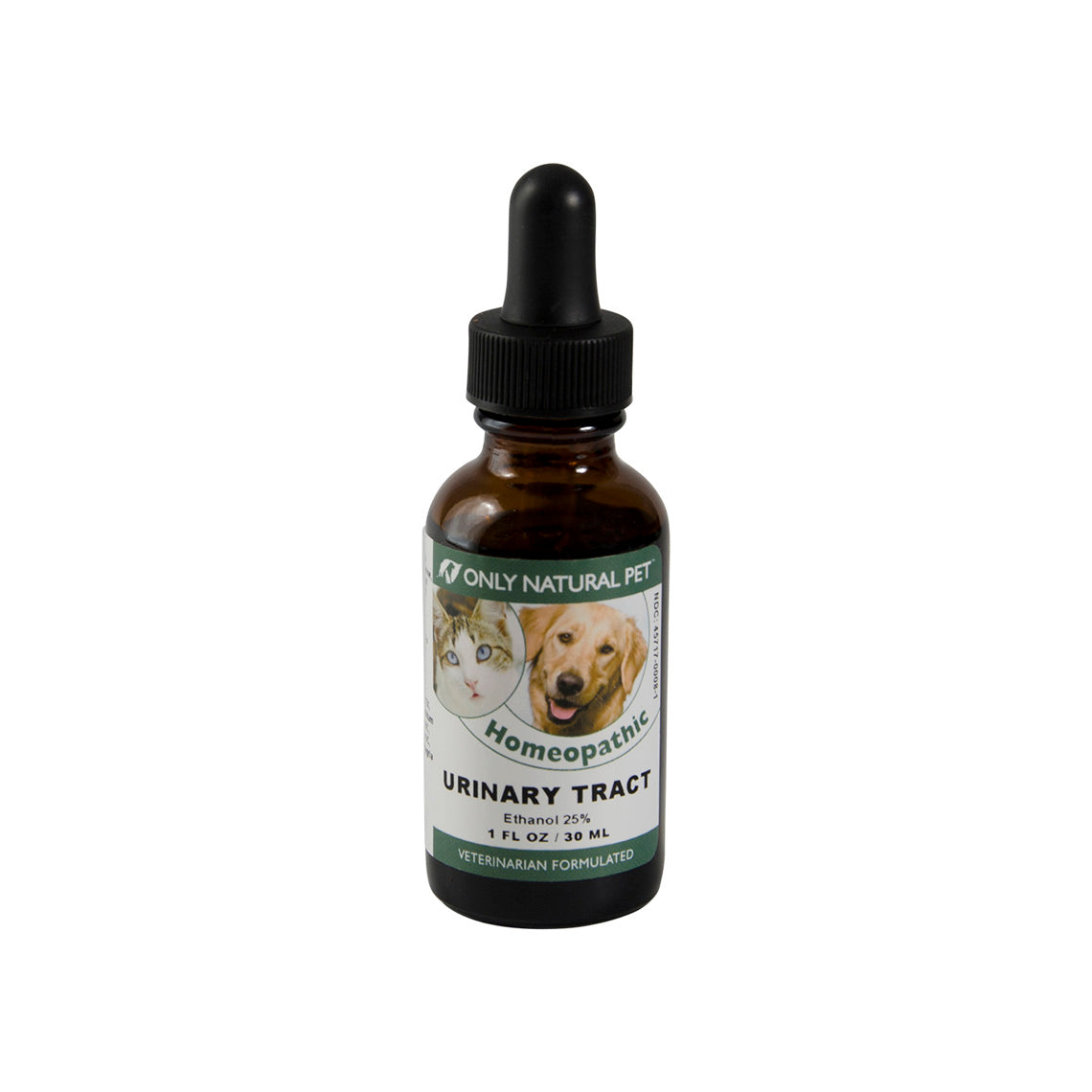
2 foods in the KibbleLab database contain Bearberry, including Earth Animal, Only Natural Pet.
Foods with Bearberry
Alphabetical by brand. Scores run 0 to 10, higher is better, on published veterinary science.

Find the right food for your pet
Sign in free to sort and filter by score, and avoid or require Bearberry in the Food Finder. Add KL+ to see these foods ranked for your pet's breed, age, and health focus.

 Continue with Google
 Continue with Facebook