Bell Pepper
11 foods contain this ingredient
This is an alphabetical list, not a ranking. Add KL+ to rank foods for your pet in the Food Finder.
About Bell Pepper
In pet food, bell pepper is a mild, brightly colored vegetable added mainly for antioxidant nutrients and visual appeal, not as a core nutrient source.
Bell pepper is used in pet foods and treats as a low‑calorie vegetable to add color, texture and mild flavor while supplying fiber, vitamin C and carotenoids that act as antioxidants and can support immune and skin/coat health—more useful for dogs, with only incidental micronutrient benefit for obligate carnivores like cats. They are generally safe in small amounts when washed and served plain (seeds and pith removed); avoid spicy varieties and seasonings, as some pets may experience digestive upset or individual sensitivities.
Related ingredients
- Derived from
- fresh or dehydrated Capsicum annuum fruit (sweet pepper)
- Primary role
- antioxidant and micronutrient addition, minor fiber source
Why it's used
Formulators reach for bell pepper because it contributes color and a mild taste without adding much fat or calories, and it packs a notable amount of vitamin C along with carotenoids like beta-carotene, lutein, and zeaxanthin. Dogs and cats both synthesize their own vitamin C in the liver, so bell pepper functions as a supplemental antioxidant source rather than filling an essential dietary gap the way it does for humans.
Common concerns
- Nightshade family, but low solanine when ripe Bell pepper belongs to the nightshade family (Solanaceae) and contains the alkaloid solanine, but ripe bell pepper fruit carries only trace amounts, unlike ornamental peppers and other nightshade plants that ASPCA lists as toxic to pets.
- Plant parts versus fruit Concerns about solanine center on unripe fruit, stems, and leaves of pepper plants rather than the ripe pepper flesh typically used in pet food and treats.
- Portion size and preparation Seeds, stem, and pith are typically removed and peppers served plain, since seasoned or spicy preparations (and large quantities relative to a pet's size) are more commonly associated with digestive upset.
Also relevant
Because bell pepper's vitamin C is not an essential nutrient for dogs or cats the way it is for people, its main formulation value is as a minor antioxidant and eye-health nutrient (via lutein and zeaxanthin) rather than as a required dietary component.
4 sources cited
- Ripe bell peppers are distinguished from toxic ornamental peppers and nightshade plants; solanine is the toxic principle in nightshades
- Nightshade plants (Solanum spp.) are toxic to dogs due to solanine and saponins, causing GI upset and other signs
- Bell peppers are rich in vitamin C, carotenoids (beta-carotene), and lutein/zeaxanthin associated with eye and skin/coat antioxidant support in dogs
- Guidance to serve bell pepper plain, with seeds/stem/core removed and without seasoning, in moderation
Common Questions
What category is Bell Pepper?
Bell Pepper is categorized as a vegetable ingredient in the KibbleLab database.
Is Bell Pepper part of an allergen group?
No allergen group is linked to Bell Pepper in the KibbleLab database.
Which foods contain Bell Pepper?
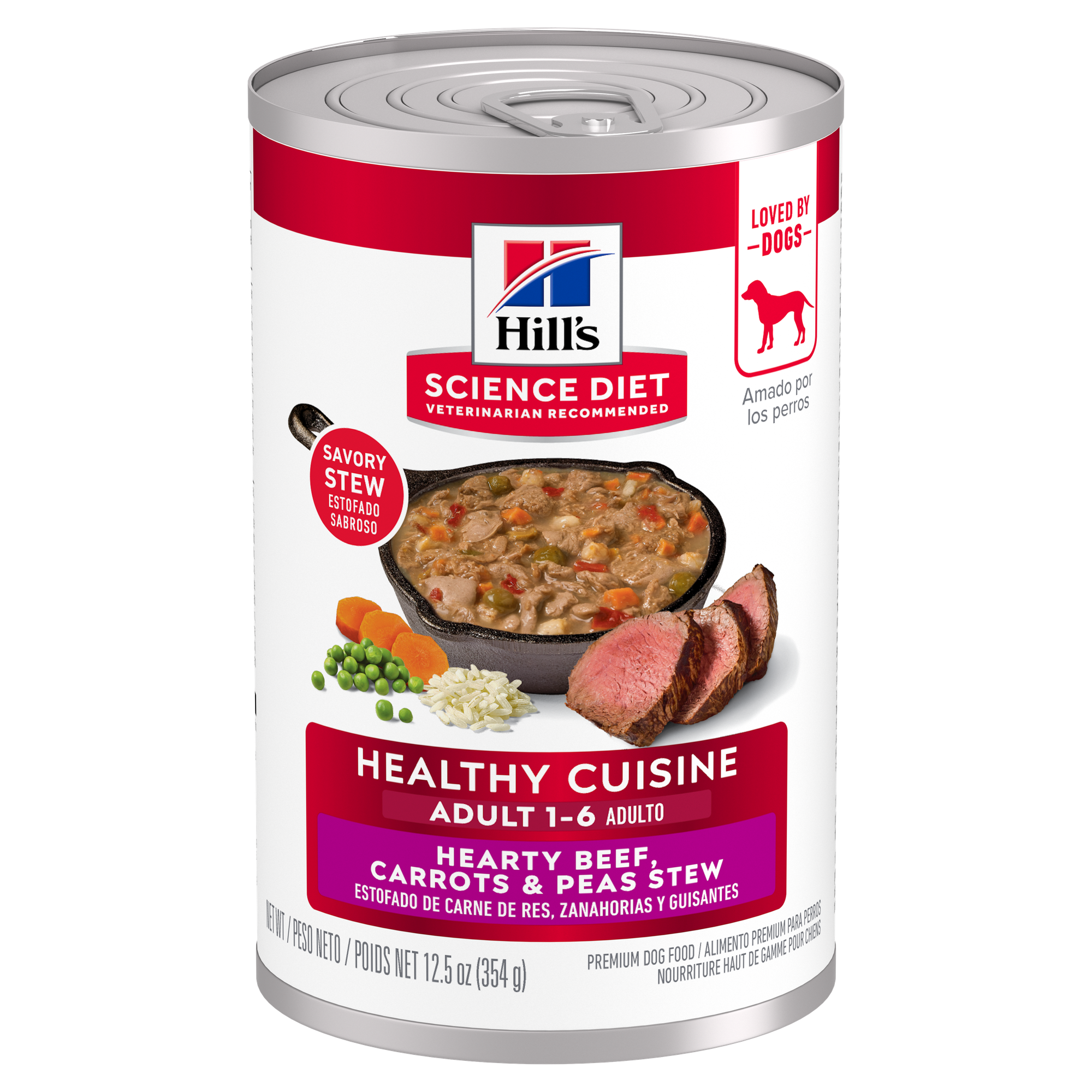
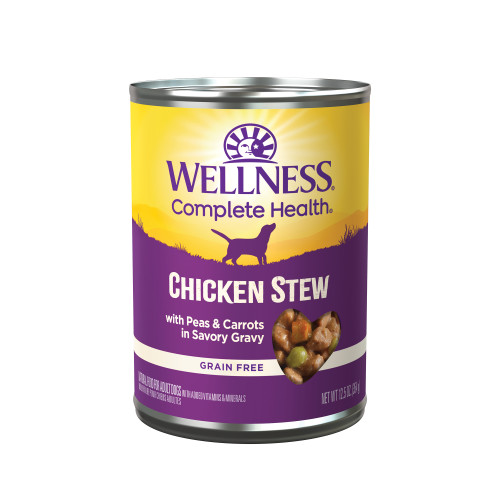
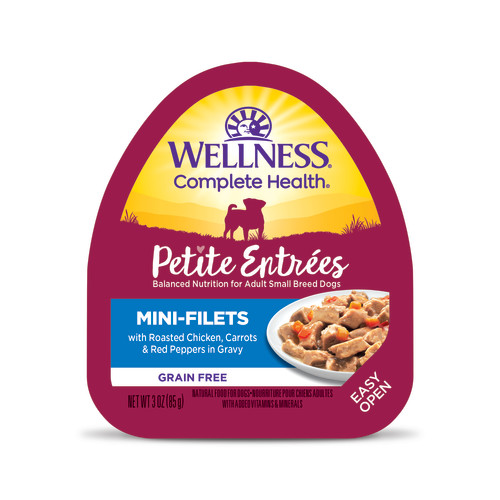
11 foods in the KibbleLab database contain Bell Pepper, including Canine Caviar, Dave's Pet Food, Hill's Science Diet.
Foods with Bell Pepper
Alphabetical by brand. Scores run 0 to 10, higher is better, on published veterinary science.
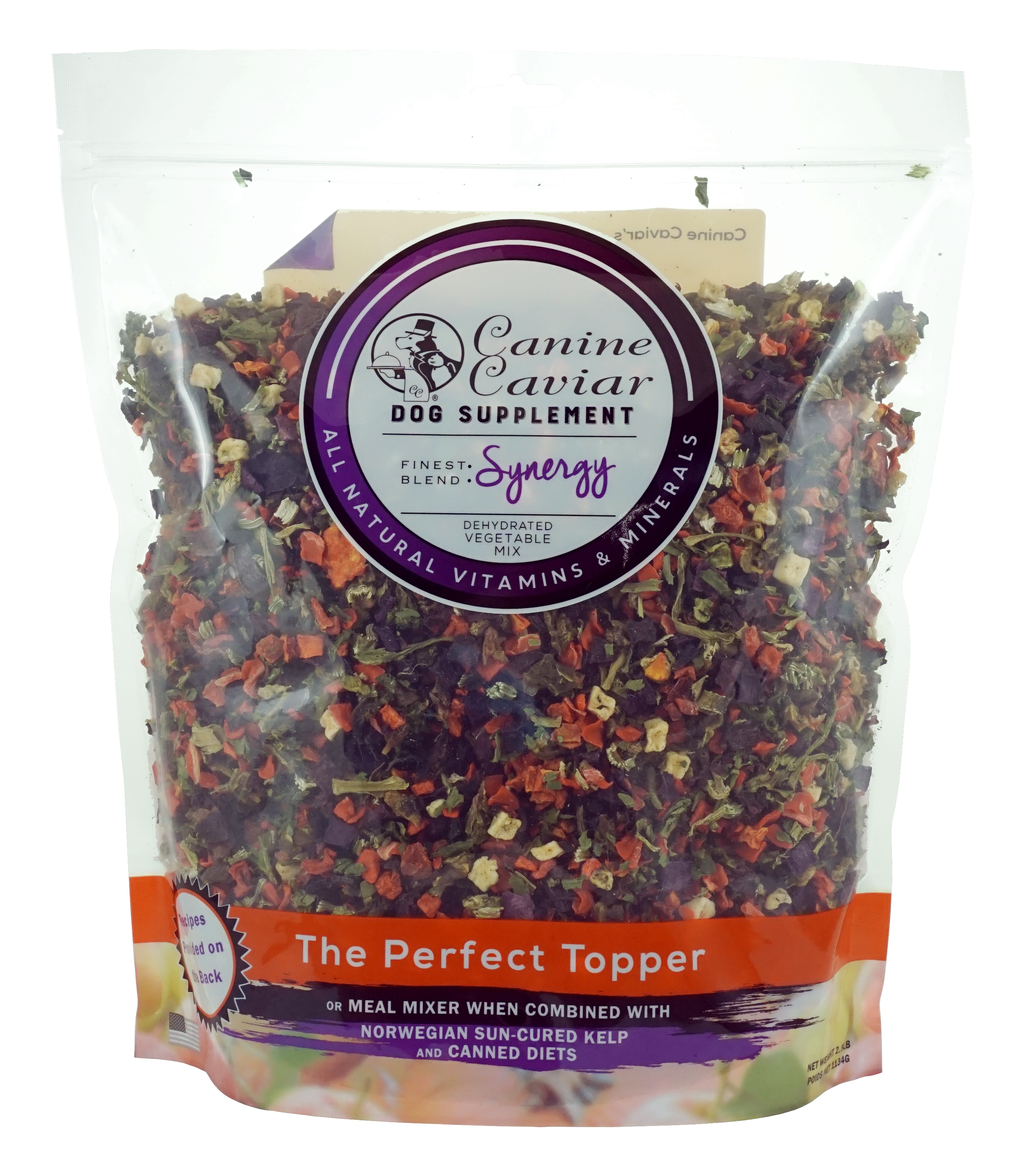
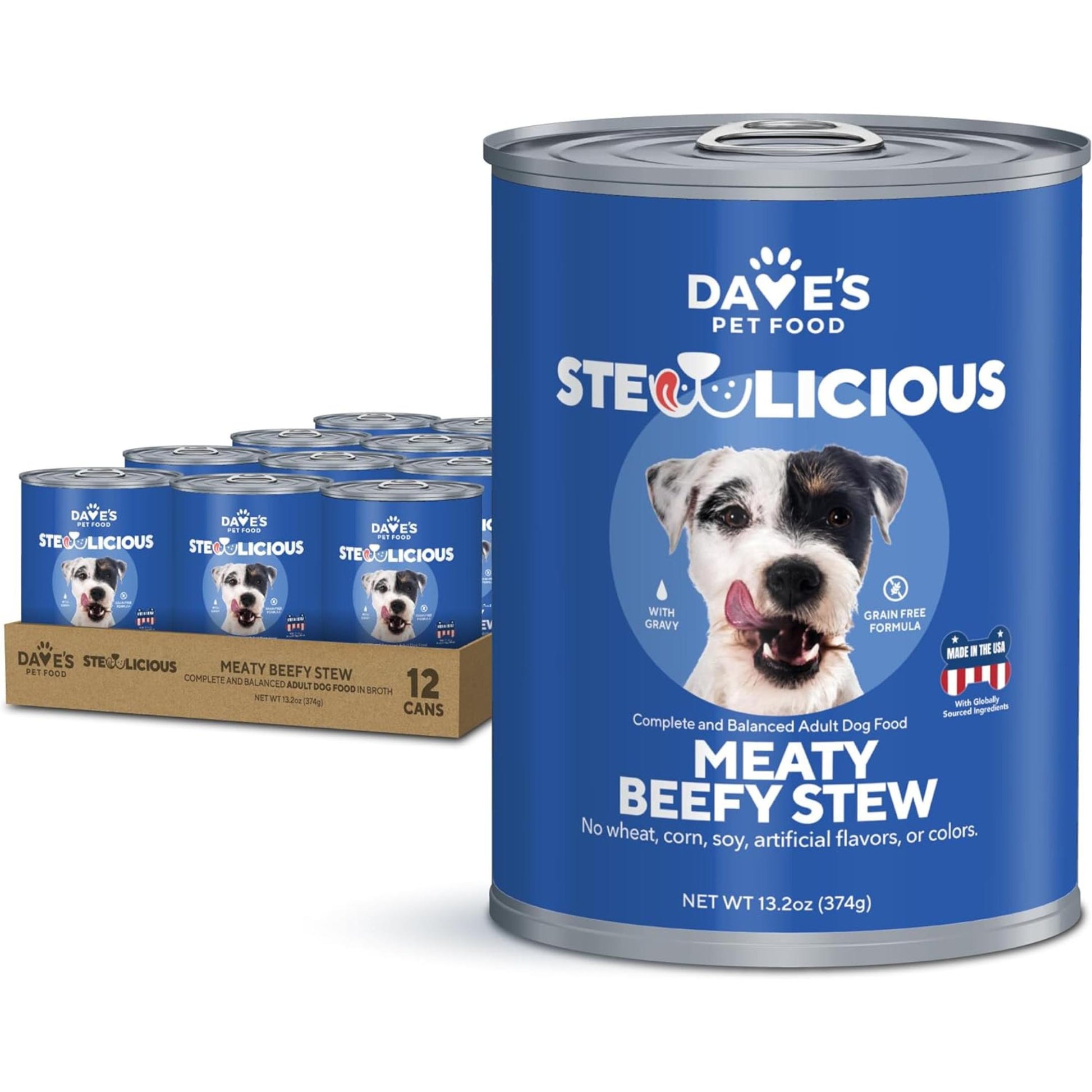




Find the right food for your pet
Sign in free to sort and filter by score, and avoid or require Bell Pepper in the Food Finder. Add KL+ to see these foods ranked for your pet's breed, age, and health focus.

 Continue with Google
 Continue with Facebook