Blue Whiting
5 foods contain this ingredient
This is an alphabetical list, not a ranking. Add KL+ to rank foods for your pet in the Food Finder.
About Blue Whiting
Blue whiting is a small, abundant North Atlantic whitefish most often processed into fish meal or fish oil for pet food formulas.
Blue whiting is a small marine fish commonly used in pet foods as a protein and fish‑oil source, providing high‑quality amino acids and omega‑3 fatty acids (EPA/DHA) that can support skin and coat condition, joint health, and overall nutrition for dogs and cats. Nutritional value and safety depend on sourcing and processing — it is generally palatable and digestible, but pet parents should be aware of potential fish allergies, variability between fresh fish and fish meal, and sustainability/contaminant concerns that reputable suppliers address through testing and certification.
- Derived from
- whole small marine whitefish (Micromesistius poutassou), typically rendered into meal or oil
- Primary role
- protein and omega-3 fatty acid source
Why it's used
Blue whiting is caught in very large volumes in the Northeast Atlantic, which makes it a relatively accessible and economical whitefish for pet food manufacturers to source as meal or oil. Because it is usually rendered rather than fed as a fresh fillet, it concentrates protein and marine fatty acids into a stable, easy-to-store ingredient form.
Common concerns
- Stock management history Blue whiting is a widely harvested Northeast Atlantic pelagic species managed jointly by the EU, Norway, Iceland, and the Faroe Islands under a shared long-term management plan aimed at keeping harvests at precautionary levels.
- Parasite prevalence in raw fish A peer-reviewed study of blue whiting sold in Spanish supermarkets found ascaridoid (Anisakis-type) larvae in over half of ungutted specimens and roughly a quarter of gutted ones, with larvae able to migrate into muscle tissue over time; commercial pet food rendering involves cooking that addresses this concern in a way raw or fresh fish does not.
- Fish allergenicity varies by species A veterinary review of documented food allergen sources found fish was reported far more often as a trigger in cats than in dogs, so its relevance as an allergen can depend on the individual animal and species.
Also relevant
Some Northeast Atlantic and Icelandic blue whiting fisheries have pursued or received Marine Stewardship Council assessment, which pet food buyers sometimes look to as a sourcing reference point.
4 sources cited
- Blue whiting fishery and multi-country management context; most catches are processed into fishmeal and oil
- MSC assessment activity for Northeast Atlantic blue whiting fisheries
- Ascaridoid (Anisakis) larvae prevalence in gutted vs. ungutted blue whiting and larval migration into muscle over time
- Fish reported as a more common food allergen source in cats than in dogs
Common Questions
What category is Blue Whiting?
Blue Whiting is categorized as a protein ingredient in the KibbleLab database.
Is Blue Whiting part of an allergen group?
Yes. Blue Whiting is grouped under the Fish allergen group in the KibbleLab database.
Which foods contain Blue Whiting?
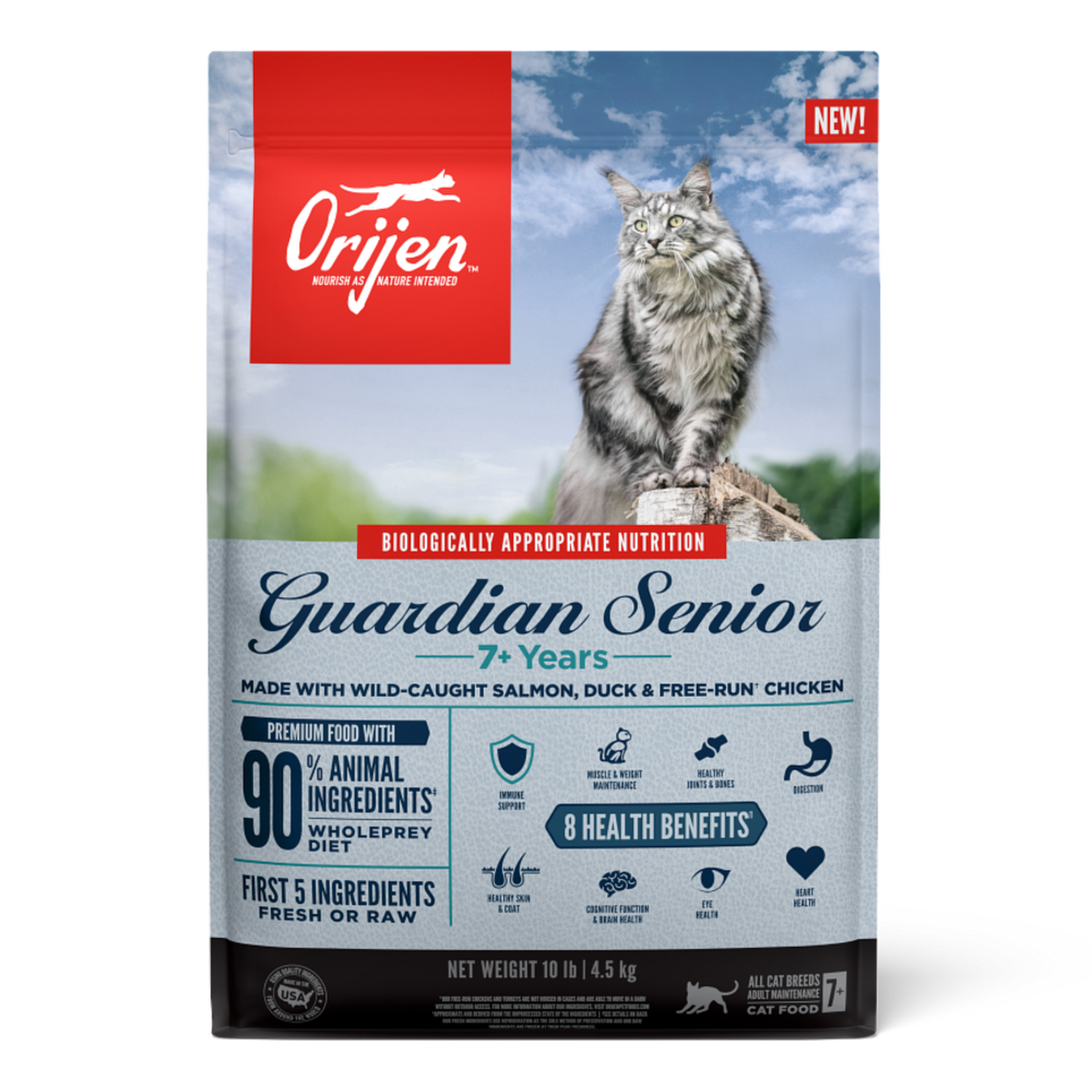
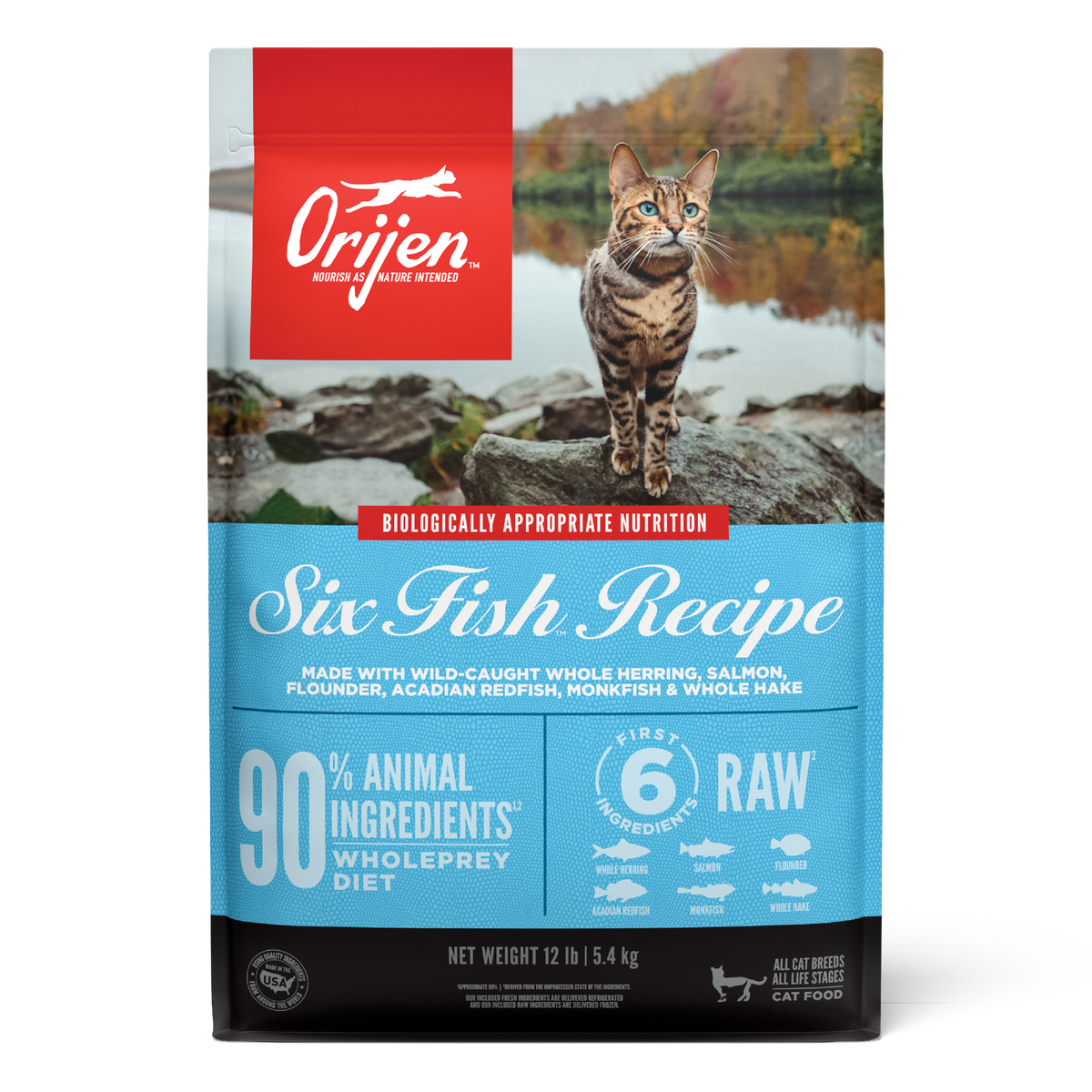
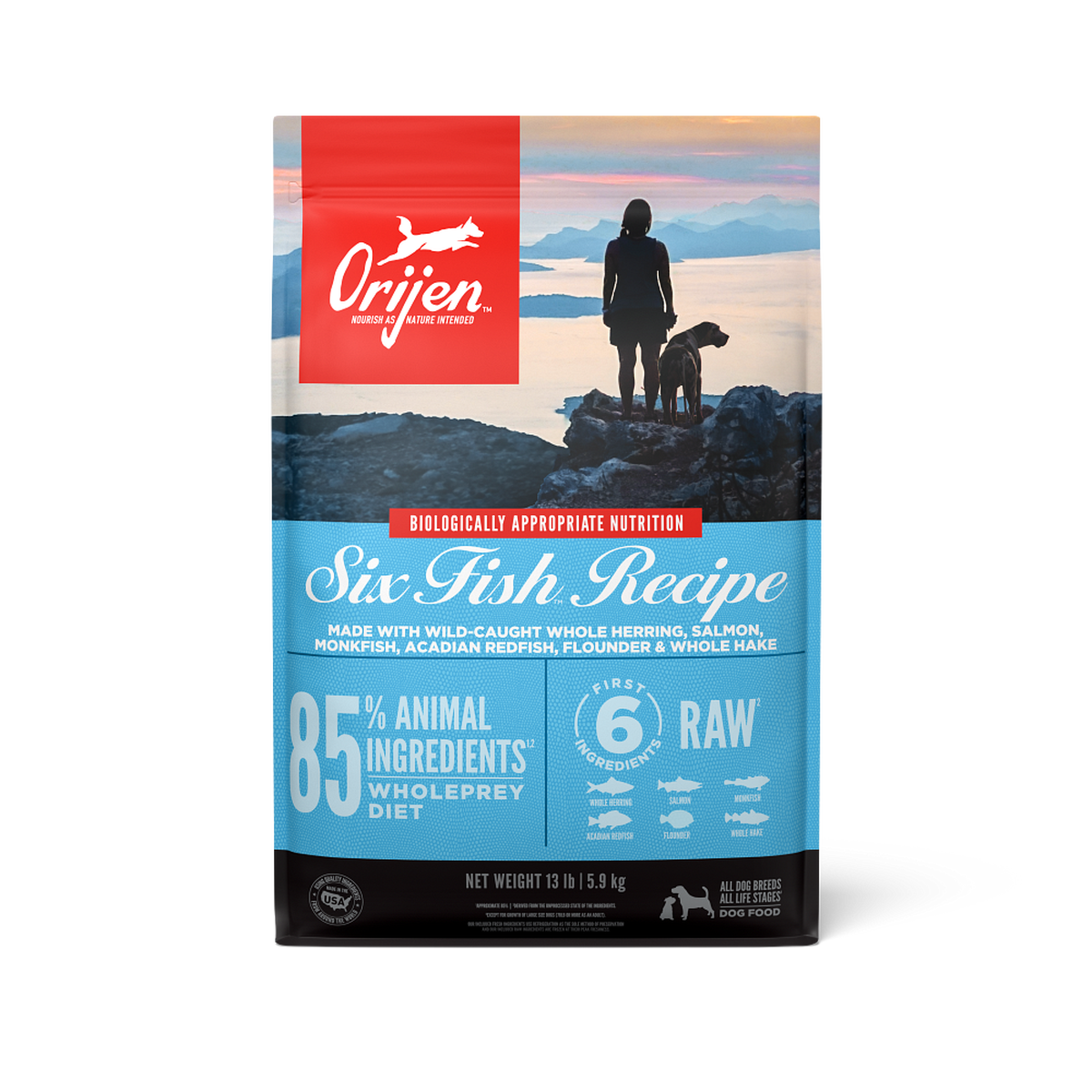
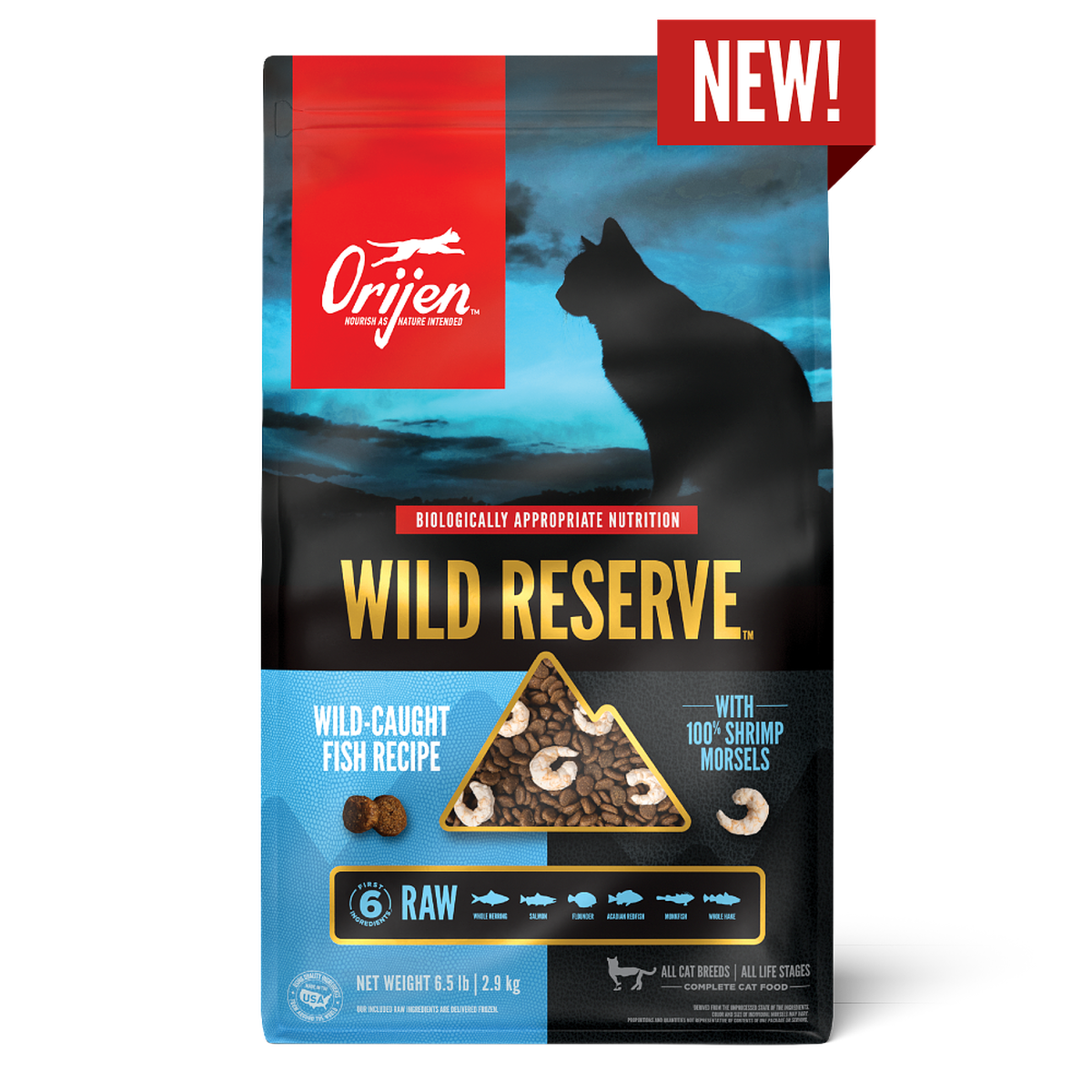
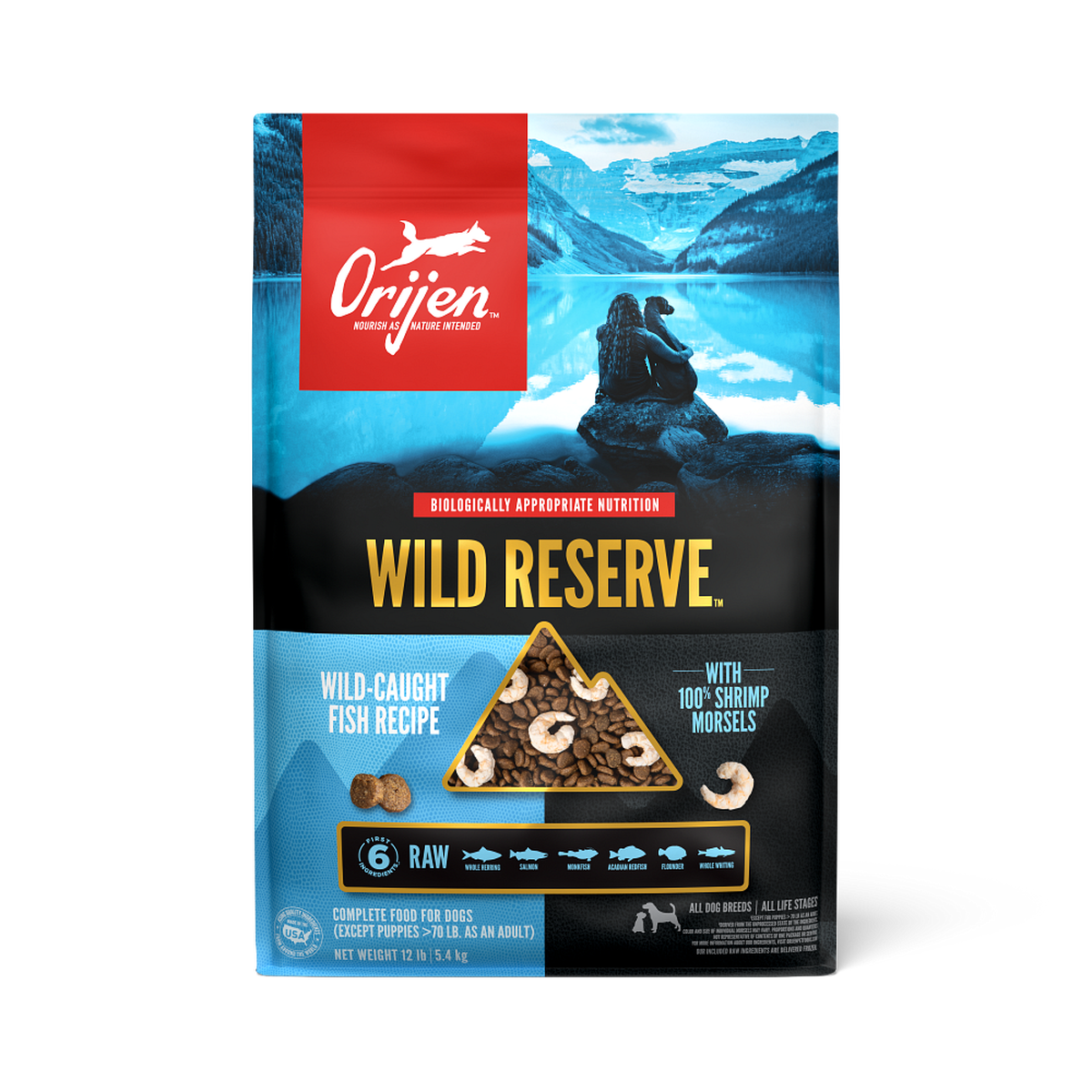
5 foods in the KibbleLab database contain Blue Whiting, including Orijen.
Foods with Blue Whiting
Alphabetical by brand. Scores run 0 to 10, higher is better, on published veterinary science.
Find the right food for your pet
Sign in free to sort and filter by score, and avoid or require Blue Whiting in the Food Finder. Add KL+ to see these foods ranked for your pet's breed, age, and health focus.

 Continue with Google
 Continue with Facebook