Bok Choy
13 foods contain this ingredient
This is an alphabetical list, not a ranking. Add KL+ to rank foods for your pet in the Food Finder.
About Bok Choy
Bok choy is a cruciferous Chinese cabbage occasionally added to pet foods as a low-calorie source of vitamins and calcium.
Bok choy is a low-calorie leafy green used in pet foods and home-prepared diets mainly to provide fiber, moisture and micronutrients such as vitamins A, C and K and minerals like calcium. It can offer beneficial antioxidants and digestive fiber for dogs, while cats — as obligate carnivores — gain limited nutritional benefit; feed in moderation, served cooked or finely chopped to aid digestion, and avoid large quantities due to mild goitrogenic compounds and oxalates and any added seasonings like salt, garlic or onion.
- Derived from
- leaves and stalks of the bok choy (Chinese cabbage) plant
- Primary role
- micronutrient and moisture source, low-calorie bulk
Why it's used
Bok choy is prized in formulation for delivering vitamin A, vitamin C, vitamin K, and calcium without adding meaningful calories, and its high water content can contribute moisture to a recipe. It belongs to the same brassica family as broccoli and kale, a group often included for its carotenoid and polyphenol content.
Common concerns
- Goitrogenic compounds Bok choy is a brassica vegetable, and the Merck Veterinary Manual notes that brassica-family plants contain compounds that can interfere with thyroid hormone production when eaten in large amounts, particularly where iodine intake is otherwise low.
- Cooking reduces plant compounds As with other brassica vegetables, cooking is commonly cited as a way to reduce the concentration of glucosinolate-derived compounds compared to feeding the vegetable raw.
- Seasoning and preparation Bok choy prepared for human meals is often cooked with salt, garlic, onion, or oil, all of which are separate ingredients that pet nutrition sources commonly flag as inappropriate for dogs and cats regardless of the vegetable itself.
Also relevant
Cats gain comparatively little from bok choy given their physiological requirement for animal-source nutrients, so any inclusion functions more as a minor micronutrient or texture addition than a core nutrient source; owners with pets on thyroid medication or managing a thyroid condition may want to ask a veterinarian before regularly feeding brassica vegetables.
3 sources cited
- Brassica-family plants contain goitrogenic compounds that interfere with thyroid hormone production, especially with low iodine intake
- Bok choy's vitamin A, C, K and calcium content, and its low calorie density
- Cats are obligate carnivores with nutritional requirements met primarily through animal tissue, limiting the benefit of vegetables
Common Questions
What category is Bok Choy?
Bok Choy is categorized as a vegetable ingredient in the KibbleLab database.
Is Bok Choy part of an allergen group?
No allergen group is linked to Bok Choy in the KibbleLab database.
Which foods contain Bok Choy?
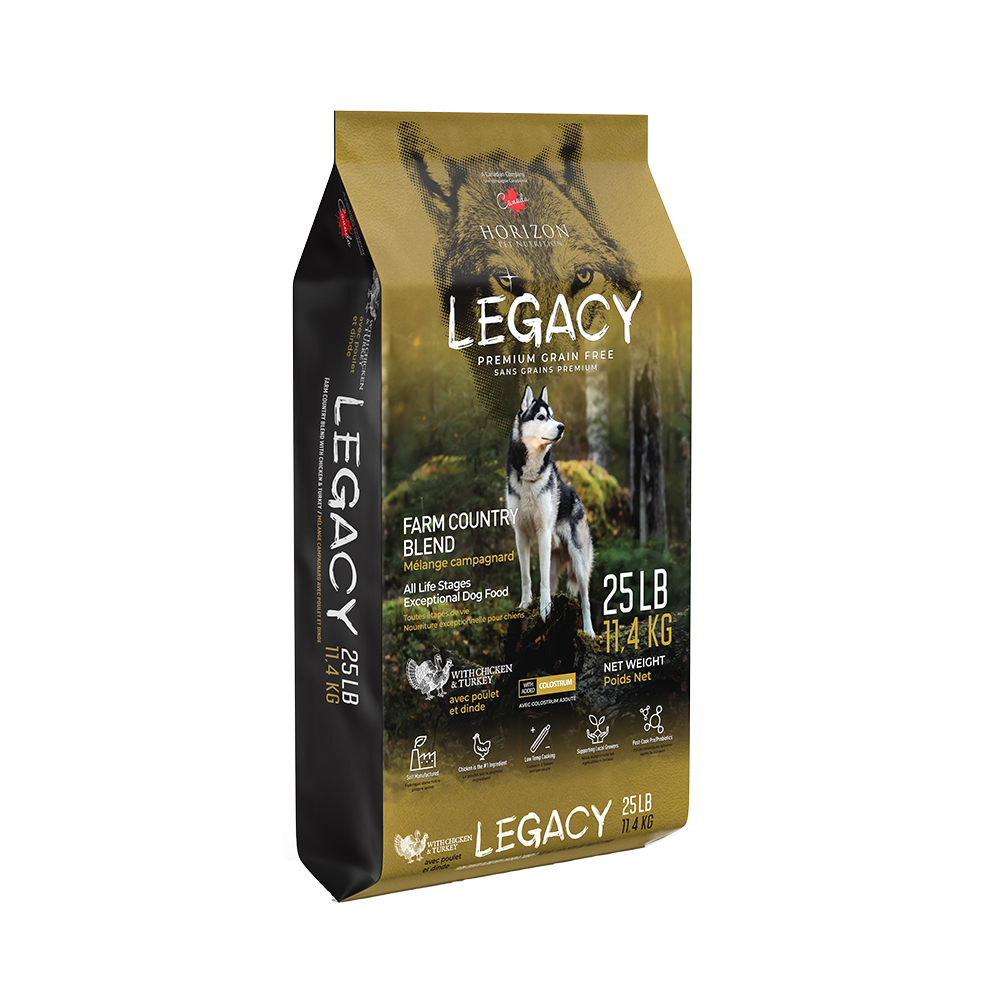
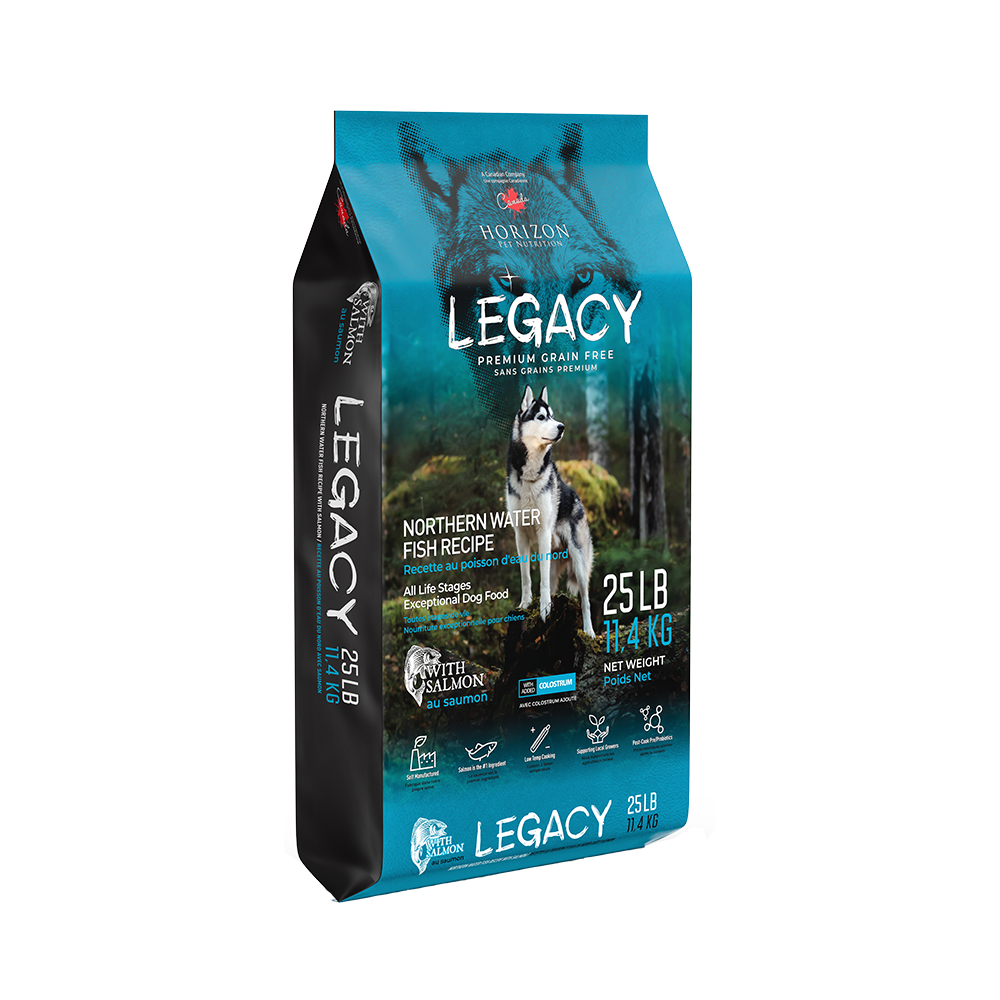
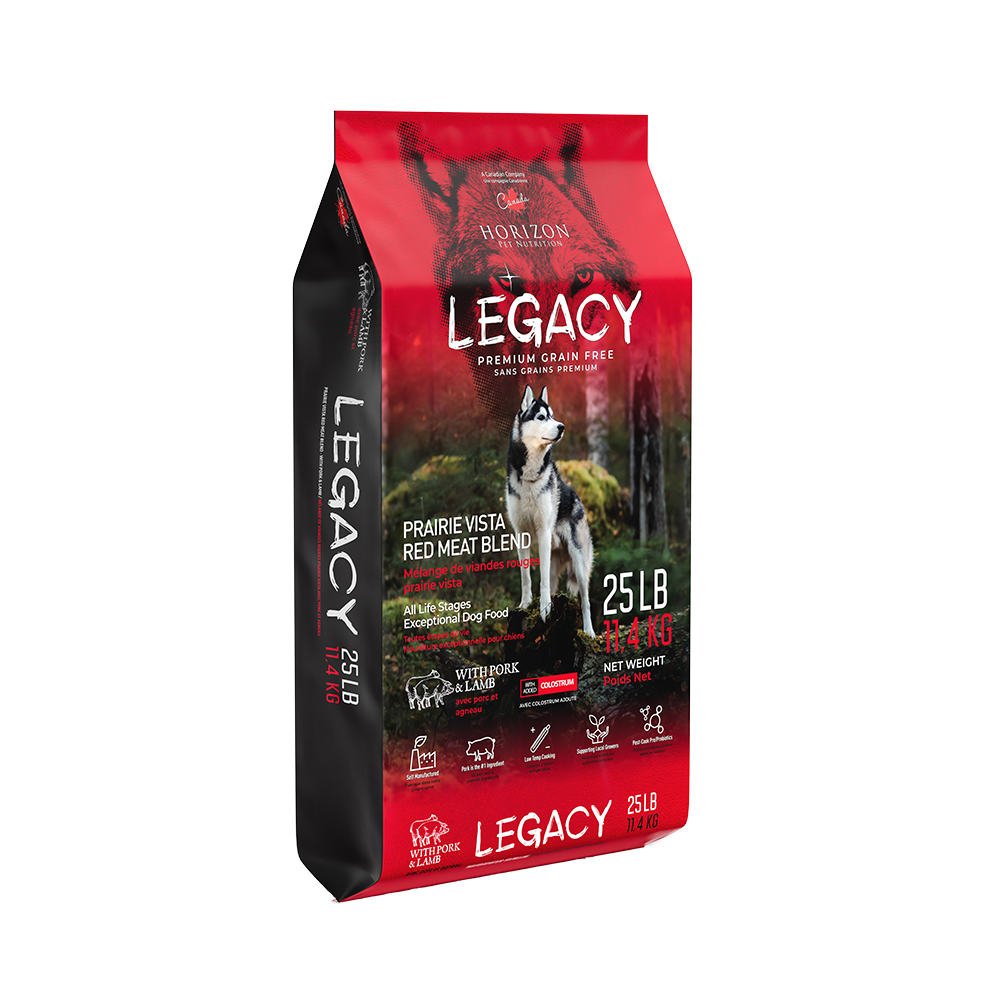
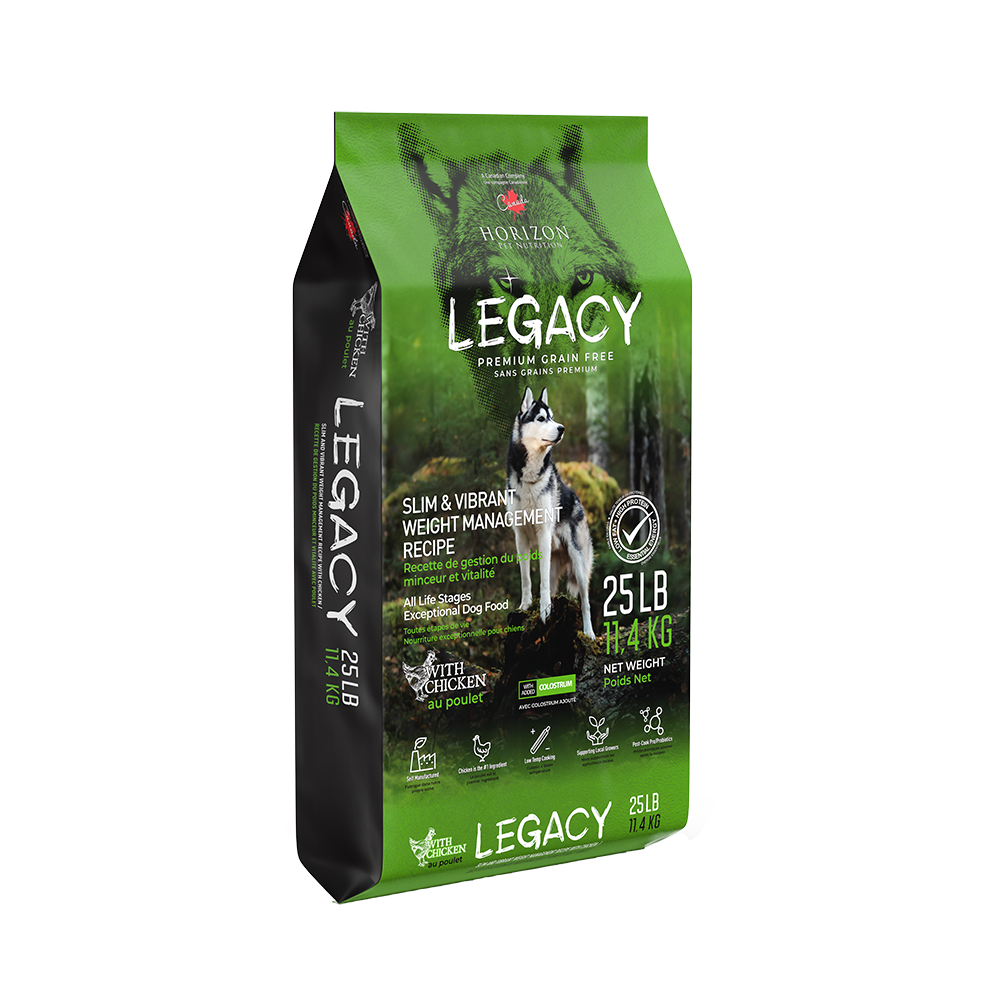
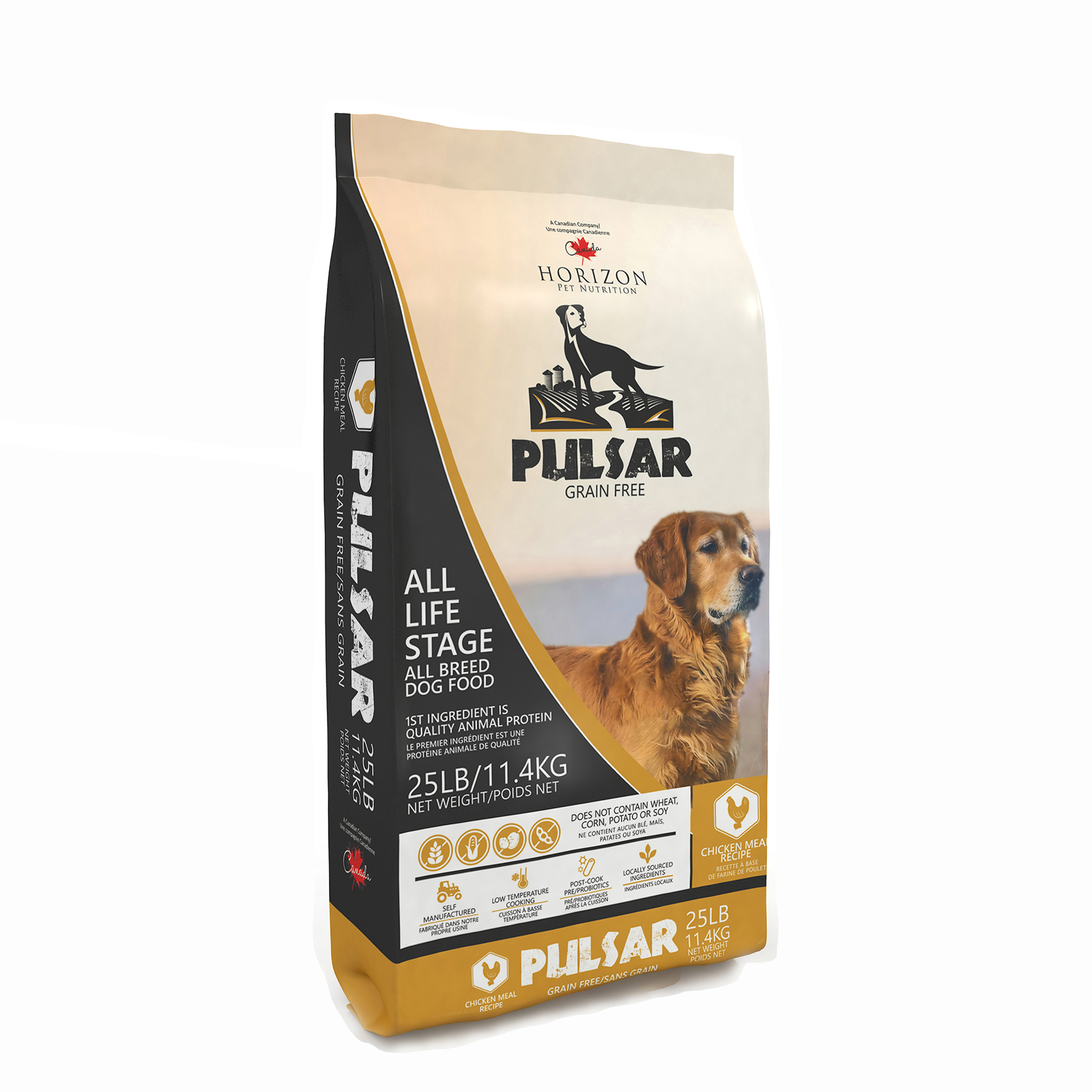
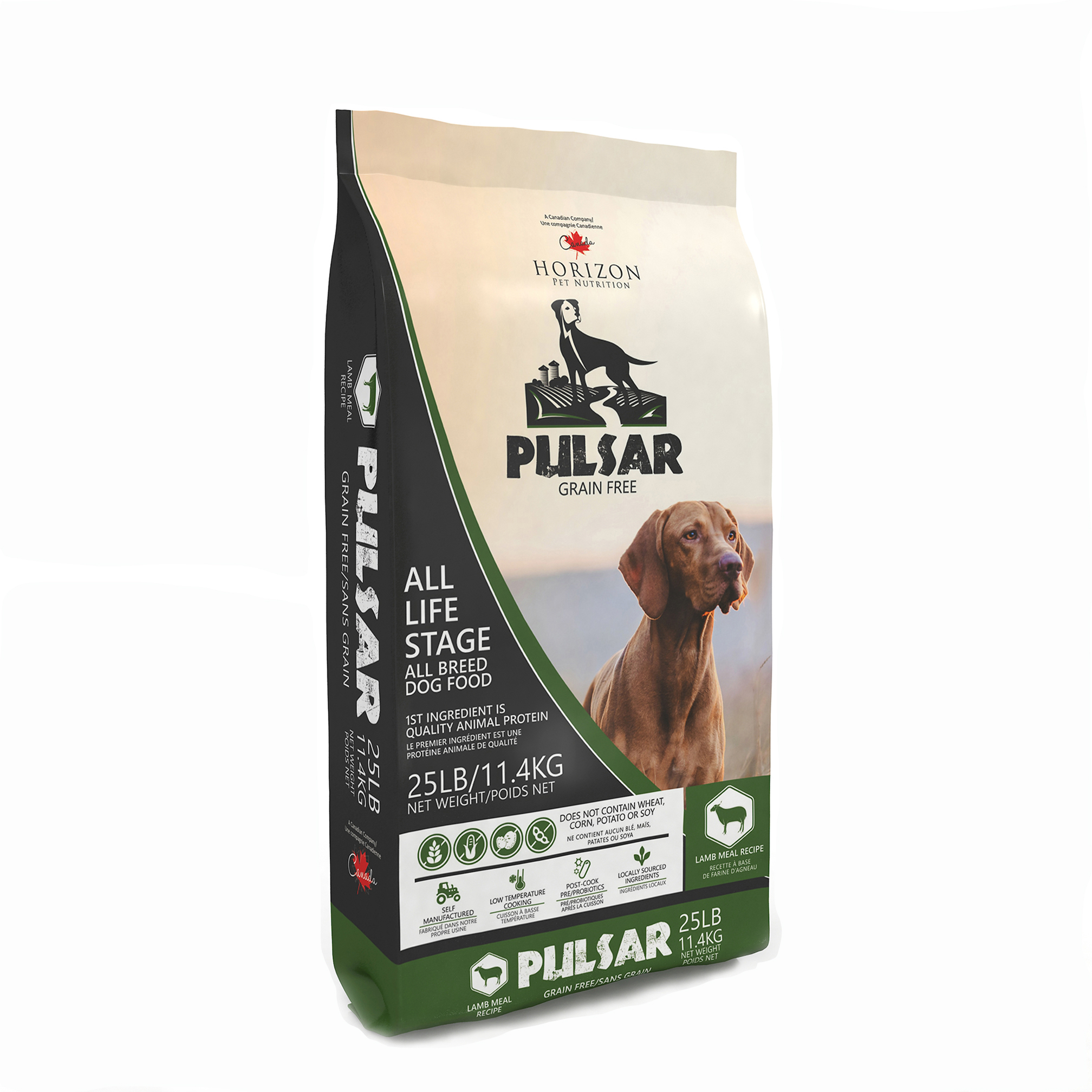
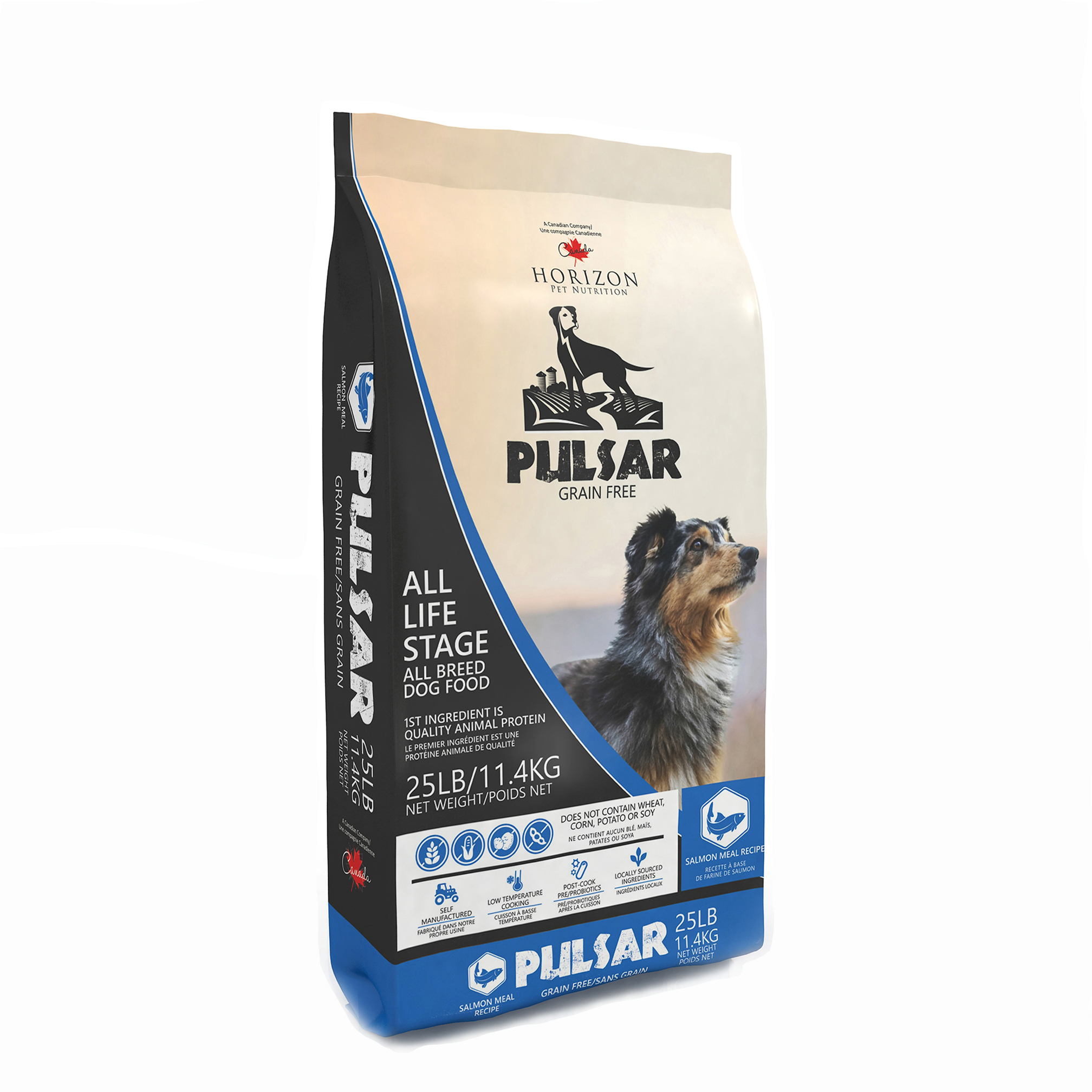
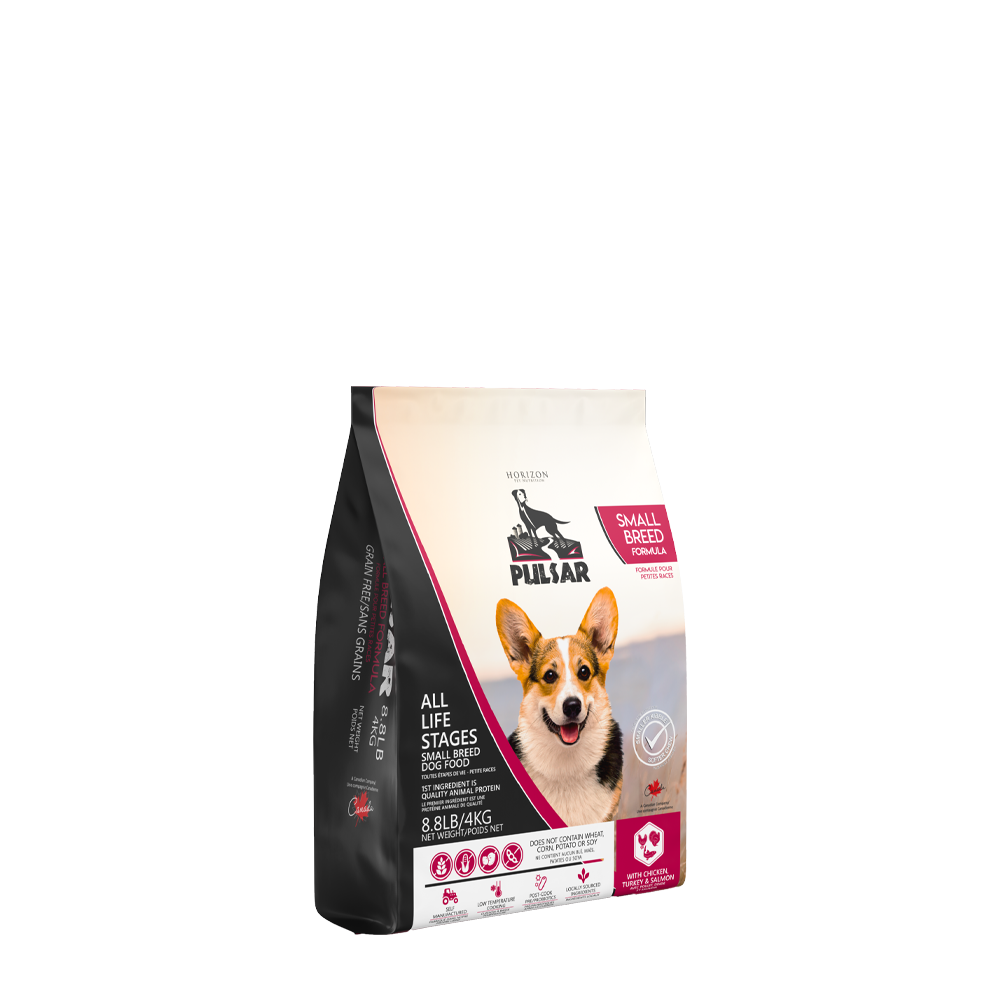
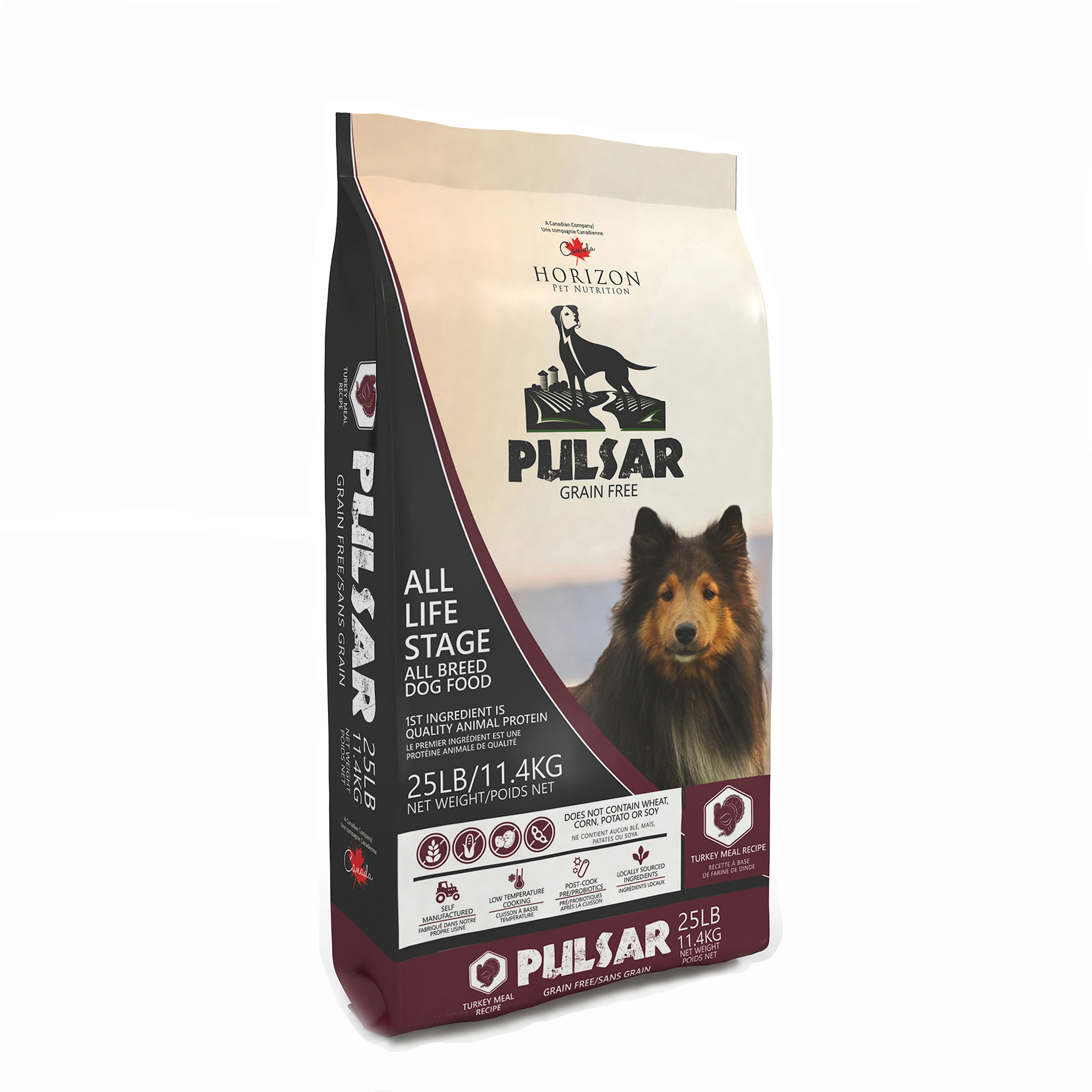
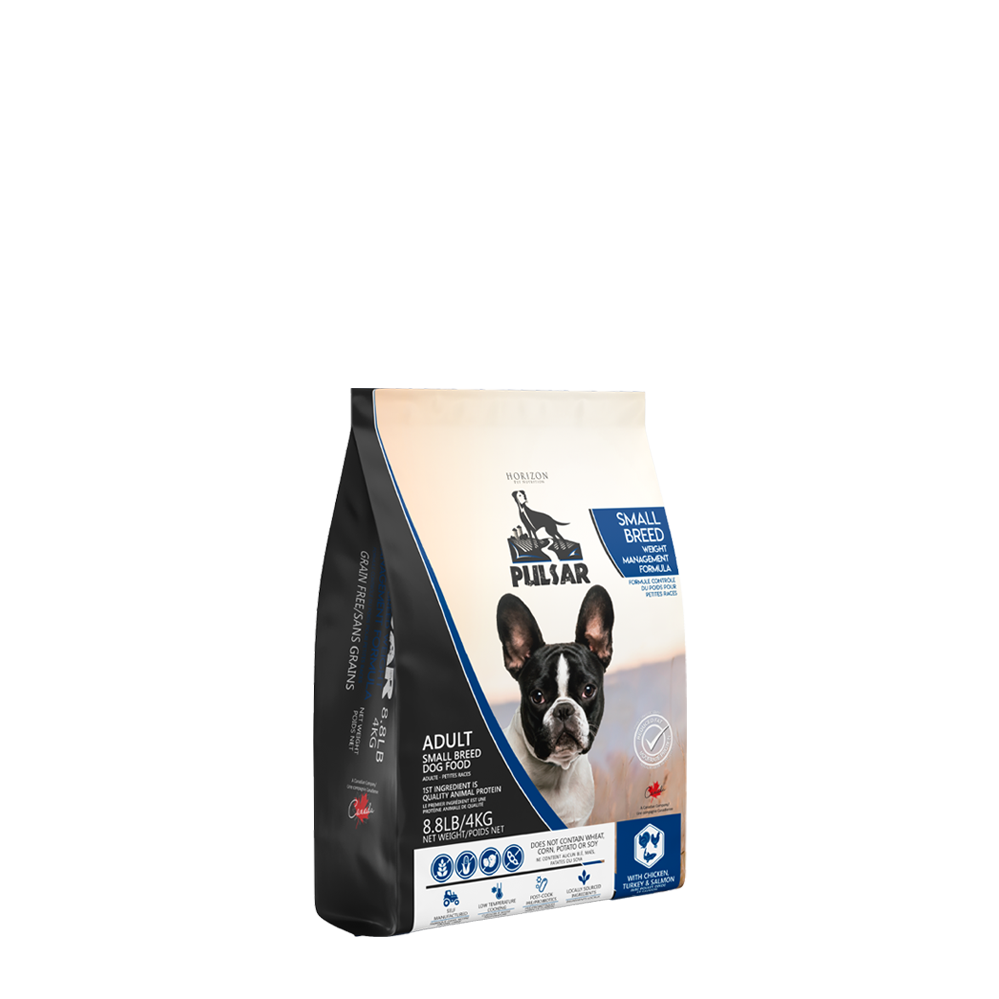
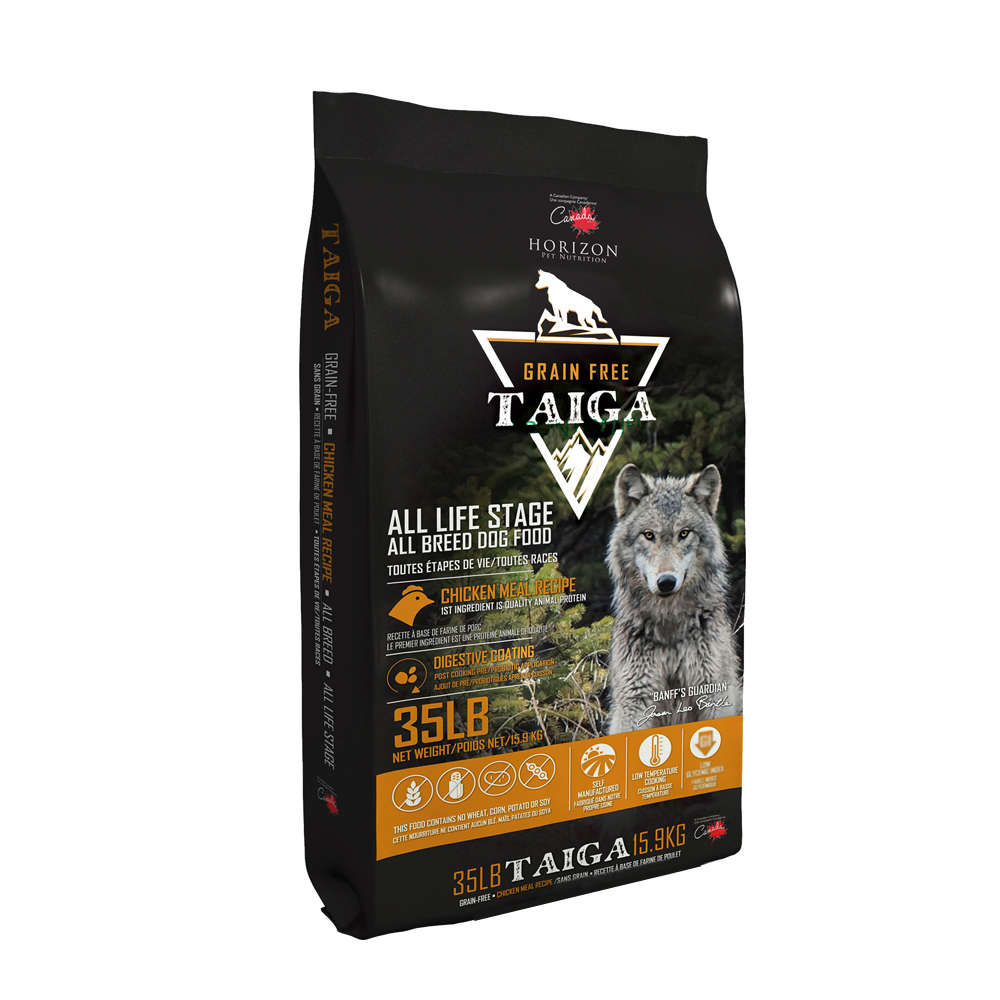
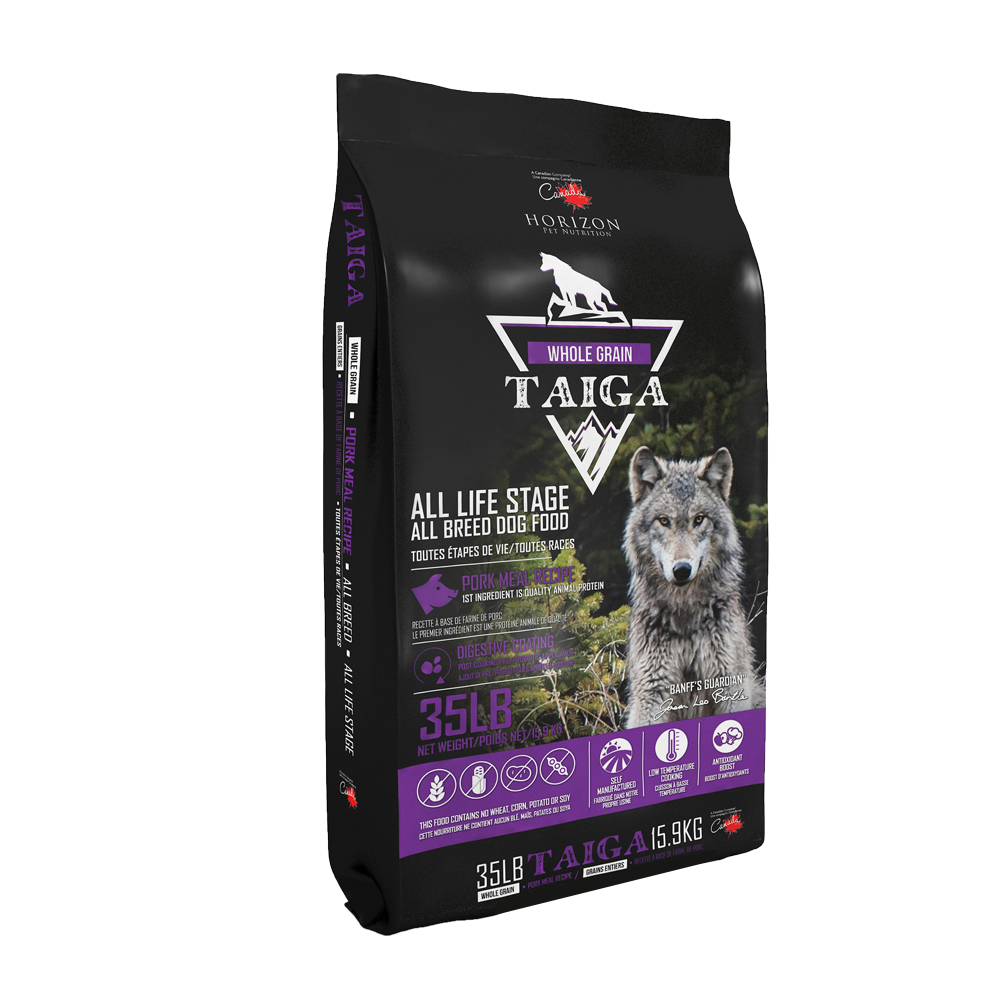
13 foods in the KibbleLab database contain Bok Choy, including Legacy, Pulsar, Taiga.
Foods with Bok Choy
Alphabetical by brand. Scores run 0 to 10, higher is better, on published veterinary science.


Find the right food for your pet
Sign in free to sort and filter by score, and avoid or require Bok Choy in the Food Finder. Add KL+ to see these foods ranked for your pet's breed, age, and health focus.

 Continue with Google
 Continue with Facebook