California Poppy
1 food contains this ingredient
This is an alphabetical list, not a ranking. Add KL+ to rank foods for your pet in the Food Finder.
About California Poppy
California poppy is a botanical extract added to calming pet products for its isoquinoline alkaloid content, not as a source of nutrition.
California poppy is used in pet products as a botanical calming/herbal additive rather than a nutrient, included for its potential mild sedative and anxiolytic effects. Evidence for benefit in dogs and cats is limited, and it can cause drowsiness, gastrointestinal upset or interact with other sedatives or medications, so consult your veterinarian and avoid use in pregnant or medically fragile animals.
Related ingredients
- Derived from
- Eschscholzia californica (California poppy) aerial parts and roots
- Primary role
- botanical calming additive
Why it's used
California poppy contains isoquinoline alkaloids, including californidine, protopine, allocryptopine, and eschscholzine, that herbal-medicine research has linked to activity at GABA and serotonin receptor sites, forming the basis for its traditional use as a mild calming aid. It is a distinct botanical species from the opium poppy (Papaver somniferum) and is used in tea, extract, capsule, and tablet form in human herbal products, with similar extract forms appearing in some pet calming blends.
Common concerns
- Drowsiness and CNS effects Its alkaloids are described in pharmacological literature as having hypnotic and sedative activity, so drowsiness is the expected and documented effect rather than an incidental one.
- Combination with other sedatives or medications Poison control literature advises consulting a healthcare provider or pharmacist before combining California poppy products with prescription or over-the-counter medications due to interaction potential.
- Gastrointestinal upset Mild to moderate nausea has been documented as a side effect of California poppy use.
- Limited formal toxicity classification Unlike many common garden plants, California poppy does not appear on the ASPCA's toxic or non-toxic plant list for dogs, so no official designation is available from that source either way.
Also relevant
Human poison control guidance specifically advises keeping California poppy products out of reach of pets, which points to caution around unsupervised access rather than any documented pet-specific toxicity data.
3 sources cited
- California poppy's active alkaloids, dosing forms, documented side effect (nausea), and interaction warning
- Isoquinoline alkaloids (californidine, eschscholzine) from Eschscholzia californica have documented sedative, anxiolytic, and hypnotic pharmacological activity
- California poppy is not listed on the ASPCA's toxic/non-toxic plant list for dogs
Common Questions
What category is California Poppy?
California Poppy is categorized as a herb ingredient in the KibbleLab database.
Is California Poppy part of an allergen group?
No allergen group is linked to California Poppy in the KibbleLab database.
Which foods contain California Poppy?
1 food in the KibbleLab database contain California Poppy, including Only Natural Pet.
Foods with California Poppy
Alphabetical by brand. Scores run 0 to 10, higher is better, on published veterinary science.
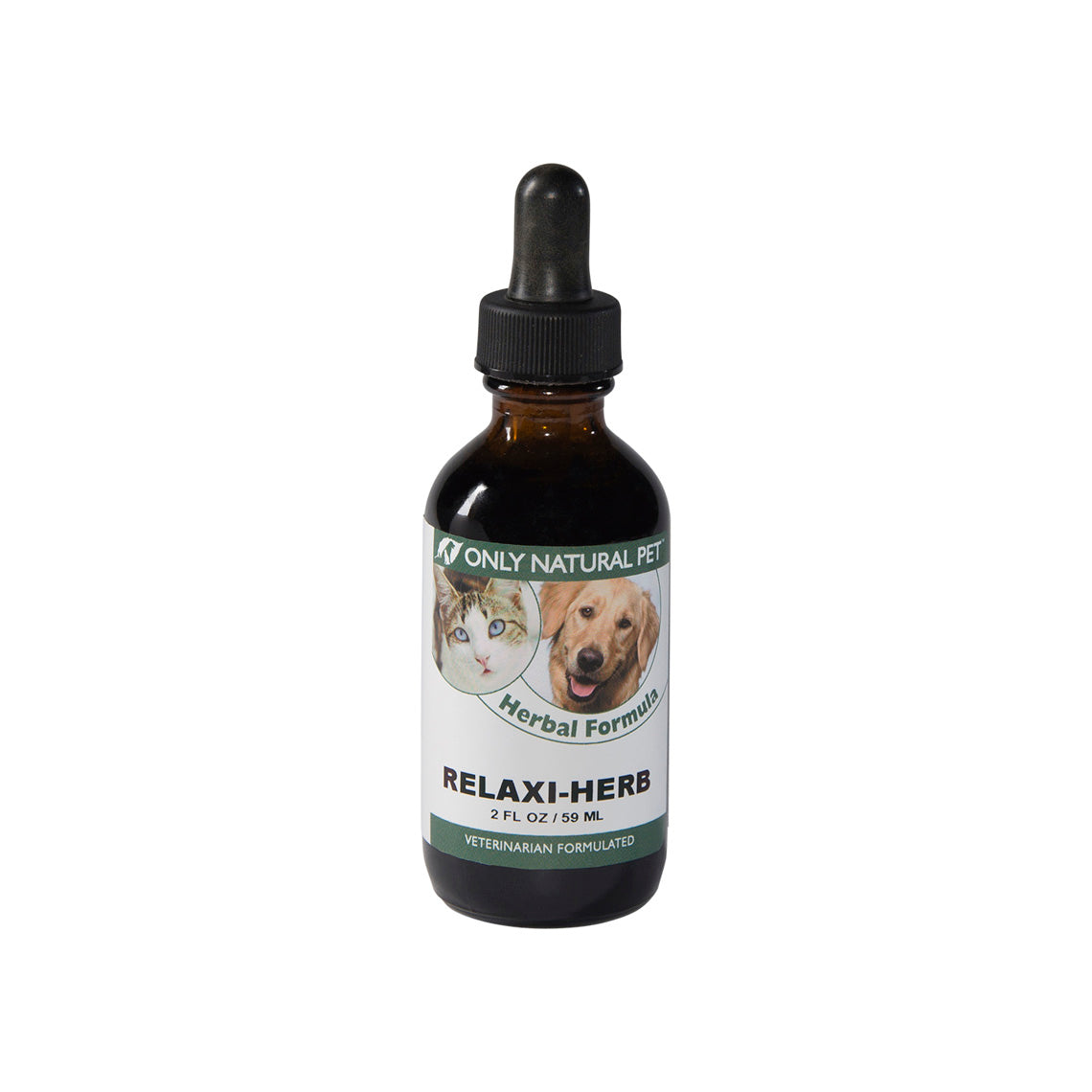
Find the right food for your pet
Sign in free to sort and filter by score, and avoid or require California Poppy in the Food Finder. Add KL+ to see these foods ranked for your pet's breed, age, and health focus.

 Continue with Google
 Continue with Facebook