Cantaloupe
10 foods contain this ingredient
This is an alphabetical list, not a ranking. Add KL+ to rank foods for your pet in the Food Finder.
About Cantaloupe
Cantaloupe is a melon (Cucumis melo) fed fresh with the seeds and rind removed, as an occasional water-rich fruit treat or food topper for dogs.
Cantaloupe is typically used as a fresh fruit ingredient or topper to provide moisture, natural sweetness, fiber, and vitamins—especially beta‑carotene (provitamin A), vitamin C, and potassium—offering light antioxidant and hydration benefits primarily for dogs, while cats may eat small amounts but do not require fruit in their diet. It can be a healthy low‑calorie treat when given in moderation, but seeds and rind should be removed to avoid choking or digestive issues, and portions should be limited for pets with diabetes or weight management concerns due to its natural sugar content.
- Derived from
- fresh melon flesh (Cucumis melo)
- Primary role
- occasional fresh treat or topper, not a formulated diet ingredient
Why it's used
Owners and some treat products use cantaloupe flesh as a low-density way to add moisture and mild sweetness without relying on added sugars, along with contributing beta-carotene, vitamin C, and potassium. ASPCA's animal poison control plant database lists true cantaloupe as non-toxic to both dogs and cats, which is part of why it shows up as a treat option, though cats generally show little interest in fruit and have no dietary requirement for it.
Common concerns
- Rind handling and contamination risk Cantaloupe's netted rind is difficult to fully clean and has been repeatedly implicated in multistate Salmonella and Listeria outbreaks traced to contaminated whole melons, including a 2011 Listeria outbreak and more recent Salmonella outbreaks tracked by the CDC, so rinds should be scrubbed before cutting and are not meant to be fed.
- Seeds and rind as choking or GI obstruction risk Whole seeds and chunks of the tough rind are a mechanical choking and digestive obstruction concern rather than a toxicity concern, which is why both are typically removed before offering the flesh.
- Sugar content for metabolic conditions Cantaloupe flesh contains natural sugars, so portion size is a relevant consideration for pets managing diabetes or weight, and owners with pets on those health plans are often advised to check with a veterinarian about appropriate amounts.
3 sources cited
- ASPCA's toxic and non-toxic plant database lists true cantaloupe (Cucumis melo) as non-toxic to dogs, cats, and horses
- FDA guidance recommends scrubbing whole melons with a produce brush before cutting
- A 2023 multistate Salmonella outbreak tied to recalled cantaloupes sickened hundreds of people across dozens of states, illustrating ongoing contamination risk associated with this fruit
Common Questions
What category is Cantaloupe?
Cantaloupe is categorized as a fruit ingredient in the KibbleLab database.
Is Cantaloupe part of an allergen group?
No allergen group is linked to Cantaloupe in the KibbleLab database.
Which foods contain Cantaloupe?
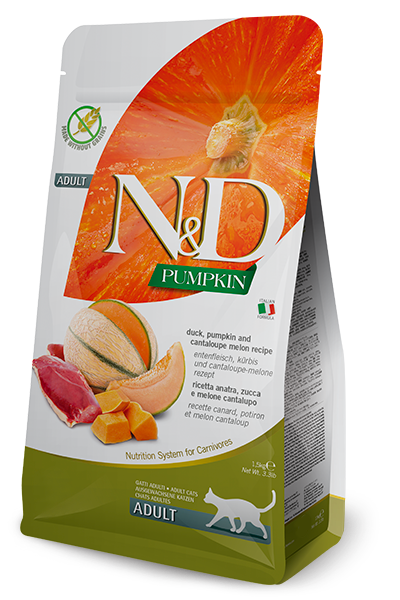
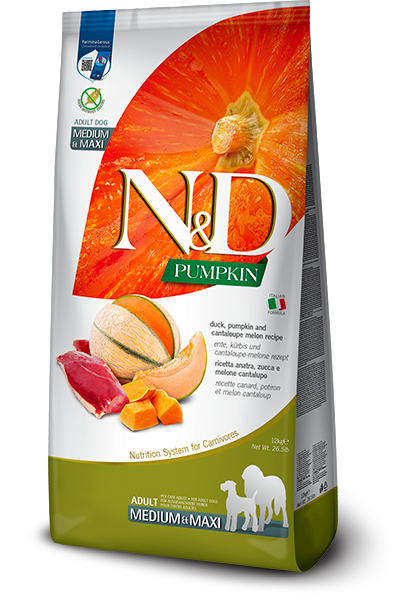
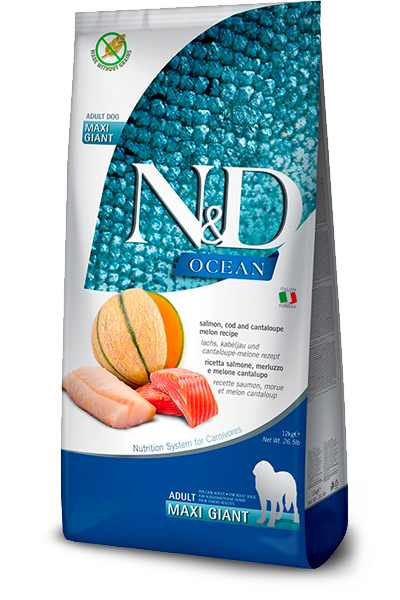
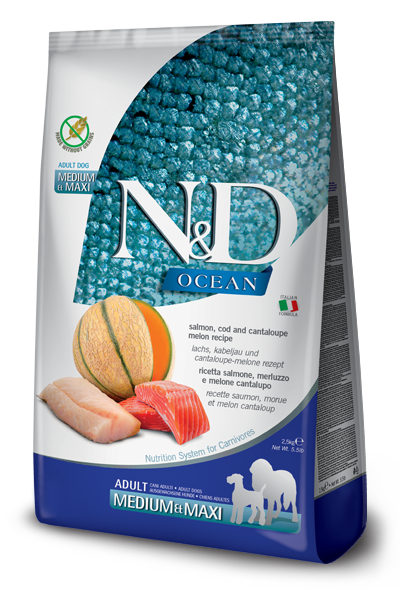
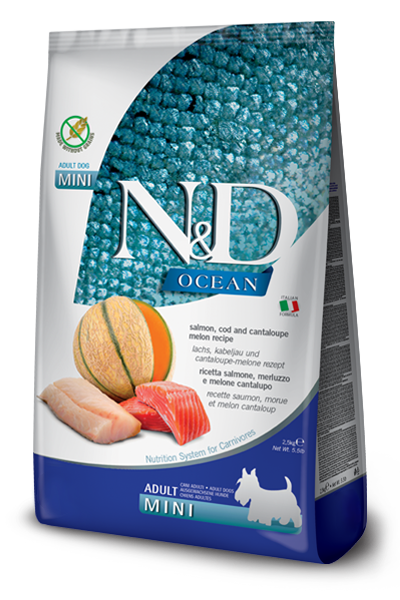
10 foods in the KibbleLab database contain Cantaloupe, including Farmina, Northwest Naturals.
Foods with Cantaloupe
Alphabetical by brand. Scores run 0 to 10, higher is better, on published veterinary science.
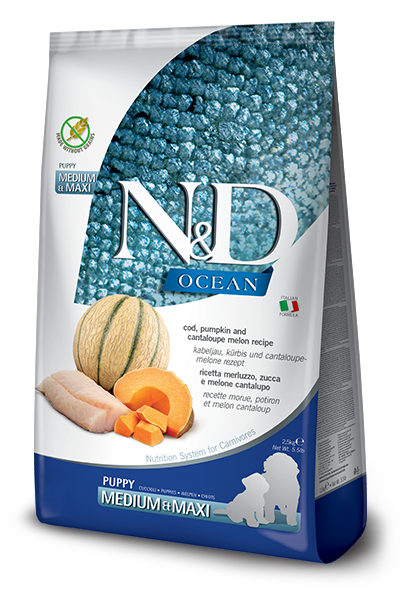

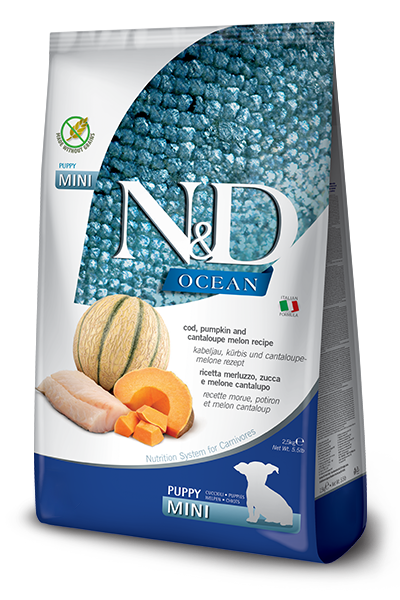
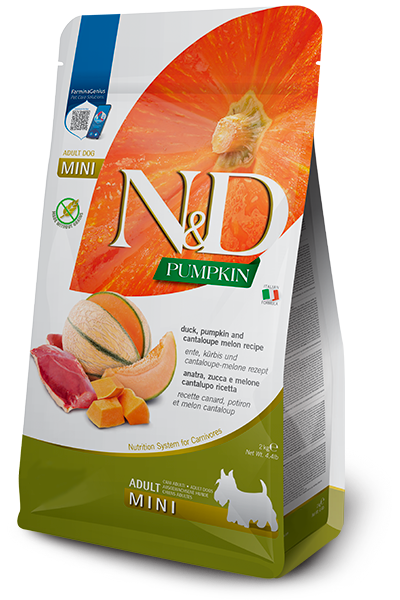
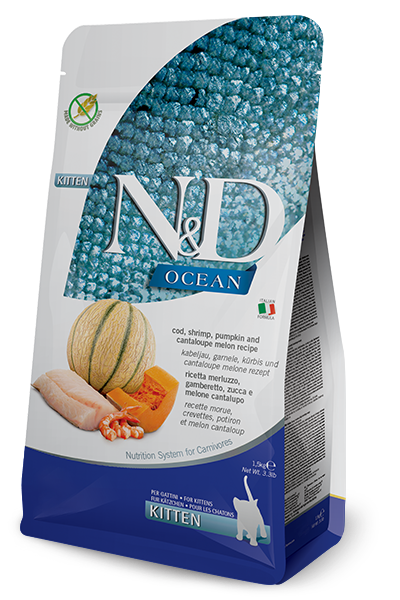

Find the right food for your pet
Sign in free to sort and filter by score, and avoid or require Cantaloupe in the Food Finder. Add KL+ to see these foods ranked for your pet's breed, age, and health focus.

 Continue with Google
 Continue with Facebook