Cardamom
5 foods contain this ingredient
This is an alphabetical list, not a ranking. Add KL+ to rank foods for your pet in the Food Finder.
About Cardamom
Cardamom is a dried seed pod spice added to pet foods and treats mainly to contribute aroma and flavor rather than any notable nutrient.
Cardamom is an aromatic spice used primarily for flavoring in pet foods and treats rather than as a significant source of protein, fat, or vitamins, and it contains trace amounts of antioxidant compounds. In small culinary amounts it is generally considered safe for most dogs and cats and may have mild digestive or anti-inflammatory properties, but concentrated extracts or essential oils can cause gastrointestinal upset or other adverse reactions, so avoid large doses and consult your veterinarian for pets with sensitivities, pancreatitis, or pregnancy.
Related ingredients
- Derived from
- dried seed pods of Elettaria cardamomum
- Primary role
- flavoring and aroma agent
Why it's used
Manufacturers include cardamom in small quantities to round out the flavor profile of treats and mixed-spice blends, since its warm, slightly sweet aroma comes from volatile oil compounds concentrated in the seeds. It is chosen for palatability and scent rather than for any caloric, protein, or micronutrient contribution.
Common concerns
- Concentrated essential oil Cardamom essential oil is far more concentrated than the whole or ground spice, and veterinary toxicology references group plant essential oils together as capable of causing vomiting, drooling, lethargy, or ataxia if ingested or applied undiluted to the skin.
- Cats and phenolic compounds Cats lack sufficient glucuronyl transferase activity to efficiently metabolize certain phenolic plant compounds, which is why veterinary sources flag cats as more sensitive than dogs to concentrated essential oils generally.
- Large amounts or GI-sensitive pets Ingesting a large quantity of the ground spice or whole pods at once is more likely to produce digestive upset (vomiting, diarrhea, reduced appetite) than the trace amounts typically used in commercial pet food formulation.
Also relevant
Laboratory studies on cardamom extracts identify phenolic and terpenoid compounds with antioxidant and anti-inflammatory activity, though this research has largely been conducted in general biological or human models rather than in dogs or cats specifically.
3 sources cited
- Essential oils, including concentrated spice oils, can cause vomiting, lethargy, drooling, ataxia, tremors, or more severe systemic effects in dogs and cats if ingested or applied undiluted
- Cats are more sensitive to essential oils and certain phenolic compounds due to reduced glucuronyl transferase enzyme activity
- Cardamom (Elettaria cardamomum) extracts contain phenolic and terpenoid compounds associated with antioxidant and anti-inflammatory activity in laboratory and general biological studies
Common Questions
What category is Cardamom?
Cardamom is categorized as a herb ingredient in the KibbleLab database.
Is Cardamom part of an allergen group?
No allergen group is linked to Cardamom in the KibbleLab database.
Which foods contain Cardamom?
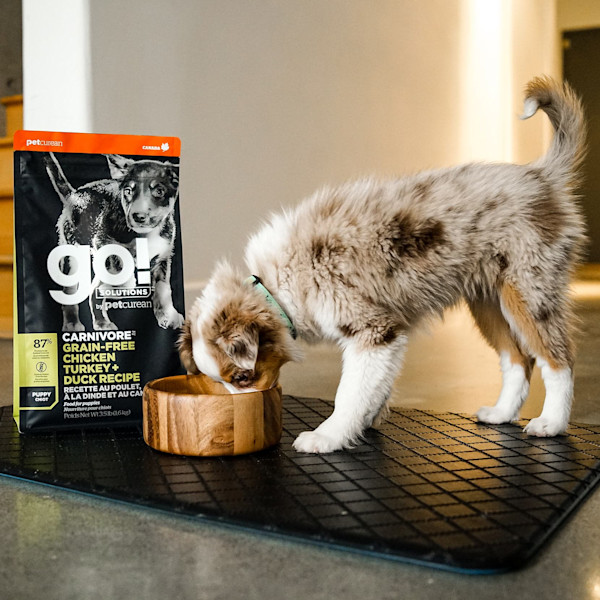
5 foods in the KibbleLab database contain Cardamom, including GO! Solutions, Now Fresh.
Foods with Cardamom
Alphabetical by brand. Scores run 0 to 10, higher is better, on published veterinary science.




Find the right food for your pet
Sign in free to sort and filter by score, and avoid or require Cardamom in the Food Finder. Add KL+ to see these foods ranked for your pet's breed, age, and health focus.

 Continue with Google
 Continue with Facebook