Carp
1 food contains this ingredient
This is an alphabetical list, not a ranking. Add KL+ to rank foods for your pet in the Food Finder.
About Carp
Carp is a freshwater fish sometimes included in pet food formulas as a source of animal protein and long-chain omega-3 fatty acids.
Carp is used in pet foods as a digestible animal protein and palatability enhancer, supplying amino acids and modest amounts of omega‑3 fatty acids that benefit skin, coat, and overall health in dogs and cats (though levels of EPA/DHA are generally lower than in oily marine fish). Owners should be aware that raw carp can contain thiaminase and parasites and often has small bones, so it should be properly cooked, deboned, and sourced from reputable suppliers to reduce the risk of nutrient loss, contamination, or allergic reactions.
- Derived from
- freshwater fish (Cyprinus carpio and related species)
- Primary role
- animal protein and omega-3 fatty acid source
Why it's used
Carp supplies amino acids from animal-based protein along with omega-3 fatty acids such as ALA, DHA, and DPA, which are associated with skin and coat condition. It also offers manufacturers a protein option outside of the most common meat proteins, which can be useful in novel-protein or limited-ingredient formulations.
Common concerns
- Thiaminase in raw carp Carp is among the fish species documented to contain thiaminase, an enzyme that breaks down thiamine (vitamin B1); the Merck Veterinary Manual notes raw fish diets containing thiaminase are a recognized cause of thiamine deficiency in dogs and cats, and that cooking destroys the enzyme.
- Parasites in raw or undercooked fish Raw freshwater fish, including carp, can harbor parasites such as roundworms, tapeworms, and flukes, which is why thorough cooking and sourcing from reputable suppliers is commonly recommended.
- Fish bones Carp, like many fish, contains numerous small bones that can pose a choking hazard or cause internal injury if not removed before feeding.
Also relevant
Because carp is a less commonly used protein than chicken, beef, or salmon, it is sometimes chosen for pets on elimination diets or novel-protein trials for suspected food sensitivities.
4 sources cited
- Thiaminase in raw fish diets is a recognized cause of thiamine (vitamin B1) deficiency in dogs and cats; cooking destroys the enzyme
- Clinical role and mechanism of thiamine deficiency in dogs and cats, including raw fish diets as a documented cause
- Carp specifically named among fish species containing thiaminase that require thorough cooking before feeding to pets
- Carp is a source of omega-3 fatty acids (ALA, DHA, DPA), protein, minerals, and fat-soluble vitamins
Common Questions
What category is Carp?
Carp is categorized as a protein ingredient in the KibbleLab database.
Is Carp part of an allergen group?
Yes. Carp is grouped under the Fish allergen group in the KibbleLab database.
Which foods contain Carp?
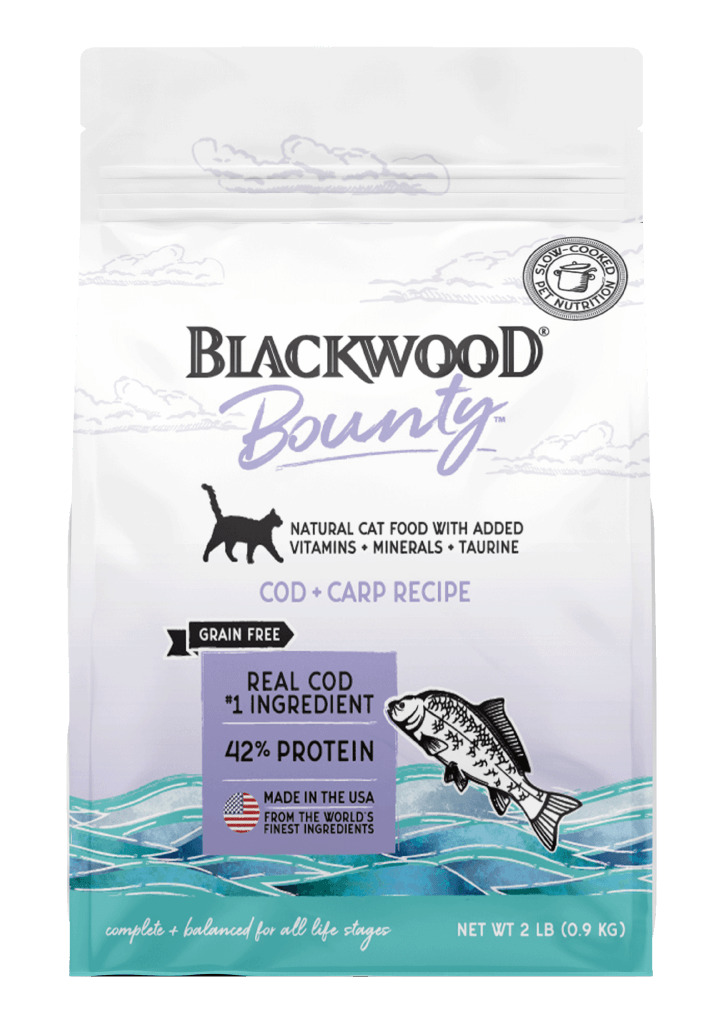
1 food in the KibbleLab database contain Carp, including Blackwood.
Foods with Carp
Alphabetical by brand. Scores run 0 to 10, higher is better, on published veterinary science.

Find the right food for your pet
Sign in free to sort and filter by score, and avoid or require Carp in the Food Finder. Add KL+ to see these foods ranked for your pet's breed, age, and health focus.

 Continue with Google
 Continue with Facebook