Cat's Claw
1 food contains this ingredient
This is an alphabetical list, not a ranking. Add KL+ to rank foods for your pet in the Food Finder.
About Cat's Claw
Cat's claw is a woody Amazonian vine, Uncaria spp., whose bark extract shows up in pet supplements for its bioactive alkaloid content, not as food.
Cat’s claw (Uncaria spp.) is a botanical used in some functional pet foods and supplements for its purported anti-inflammatory, antioxidant, and immune-modulating properties rather than as a nutrient; it is sometimes included to support joint comfort, immune health, or digestive wellbeing. Evidence in dogs and cats is limited, and pet owners should use caution—cat’s claw can interact with immunosuppressive or anticoagulant medications, may cause gastrointestinal upset in sensitive animals, and should be avoided in pregnant or lactating pets without veterinary guidance.
Related ingredients
- Derived from
- bark and root of the Uncaria tomentosa vine (Amazonian rainforest)
- Primary role
- botanical extract for anti-inflammatory/immune-modulating supplements
Why it's used
Cat's claw bark contains alkaloids, including rhynchophylline, along with flavonoids and tannins, that have been studied in vitro and in animal models for anti-inflammatory and immune-stimulating activity. Supplement formulators draw on that research base when positioning the extract for joint or immune support, though it supplies no caloric or nutrient value.
Common concerns
- Immune-modulating medications Cat's claw has documented immune-stimulating activity in research, including effects on phagocytosis and leukocyte activity, which is why it is flagged as a possible interaction concern alongside immunosuppressive drugs such as cyclosporine.
- Anticoagulant and antiplatelet effects Alkaloids in cat's claw (rhynchophylline and isorhynchophylline) have shown platelet-aggregation-inhibiting activity in animal research, raising a theoretical bleeding-risk concern alongside anticoagulant or antiplatelet drugs.
- Pregnancy and lactation Cat's claw has a traditional history of use as a contraceptive and abortifacient in South American herbal medicine, and published pharmacology references list it as contraindicated during pregnancy and lactation.
- Blood pressure medications Cat's claw has been noted as a possible interaction concern with blood pressure medications due to potential additive blood-pressure-lowering effects.
Also relevant
Cat's claw extract has also been shown in laboratory studies to inhibit certain drug-transport proteins, meaning it can theoretically alter how other medications are absorbed or metabolized.
4 sources cited
- Cat's claw (Uncaria tomentosa) is a South/Central American vine whose bark contains alkaloids, flavonoids, and tannins studied for anti-inflammatory and immune-modulating activity
- Cat's claw alkaloids rhynchophylline and isorhynchophylline inhibit platelet aggregation in animal research; the herb has immunostimulating activity relevant to immunosuppressant drug interactions; also flagged for blood pressure medication interaction
- Cat's claw has traditional use as a contraceptive/abortifacient and is contraindicated in pregnancy and lactation; alkaloids can cross the placental and mammary barrier
- Uncaria tomentosa extract inhibits multiple drug-transport proteins (ABC and SLC transporters), which can affect metabolism and disposition of co-administered drugs
Common Questions
What category is Cat's Claw?
Cat's Claw is categorized as a herb ingredient in the KibbleLab database.
Is Cat's Claw part of an allergen group?
No allergen group is linked to Cat's Claw in the KibbleLab database.
Which foods contain Cat's Claw?
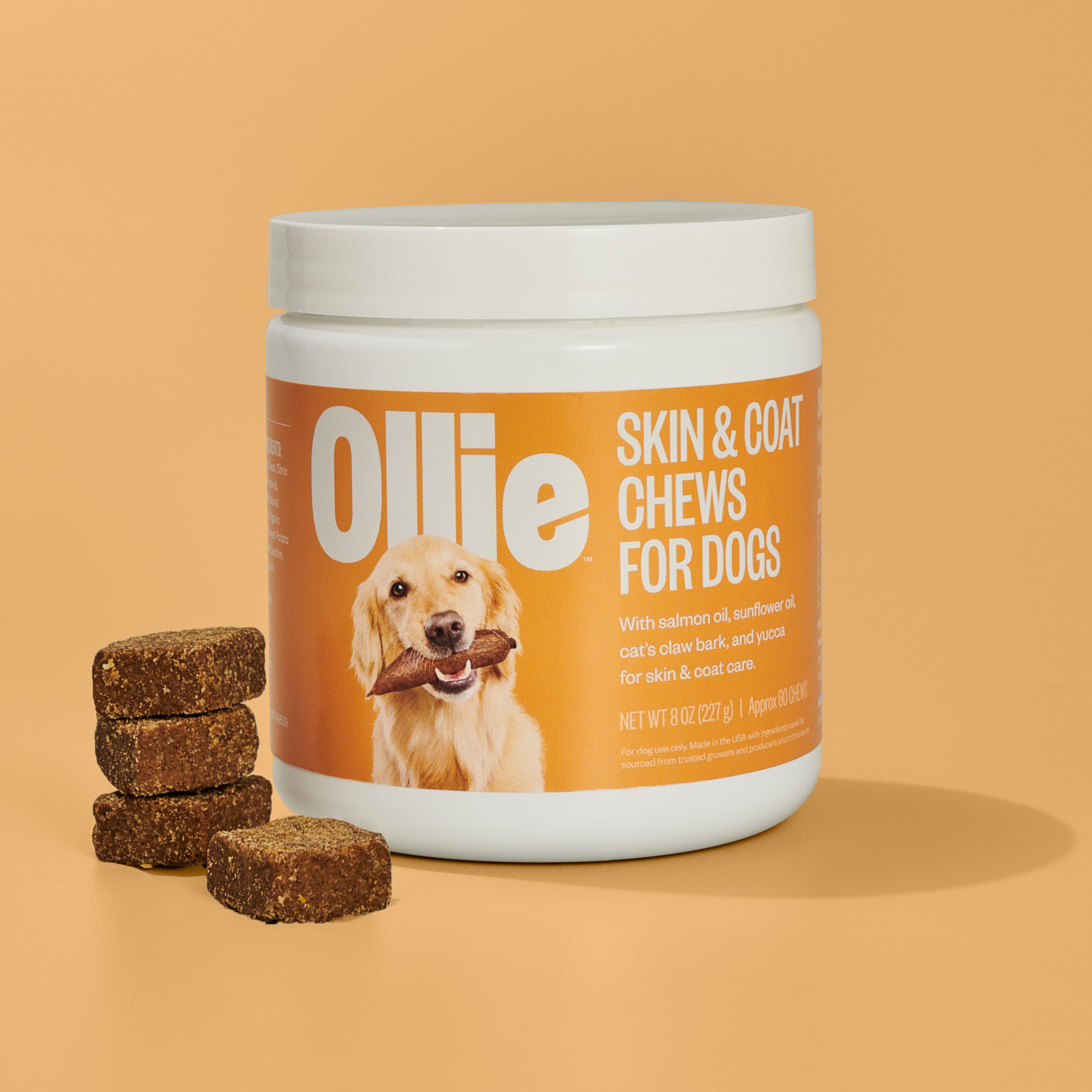
1 food in the KibbleLab database contain Cat's Claw, including Ollie.
Foods with Cat's Claw
Alphabetical by brand. Scores run 0 to 10, higher is better, on published veterinary science.
Find the right food for your pet
Sign in free to sort and filter by score, and avoid or require Cat's Claw in the Food Finder. Add KL+ to see these foods ranked for your pet's breed, age, and health focus.

 Continue with Google
 Continue with Facebook