Cauliflower
10 foods contain this ingredient
This is an alphabetical list, not a ranking. Add KL+ to rank foods for your pet in the Food Finder.
About Cauliflower
In pet food and treats, cauliflower shows up as a whole-food vegetable add-in valued for fiber and moisture rather than protein or calories.
Cauliflower is used in pet foods as a low‑calorie vegetable ingredient that provides soluble and insoluble fiber, vitamins (notably C and K) and phytonutrients, contributing bulk, moisture and texture for weight management and digestive health while supplying little protein or fat. It should be fed in moderation—especially to cats, which require meat‑based nutrition—because large amounts can cause gas or gastrointestinal upset and cruciferous vegetables contain goitrogenic compounds that could affect thyroid function; cooking or finely chopping reduces choking risk and may improve digestibility.
- Derived from
- cruciferous vegetable (Brassica oleracea)
- Primary role
- fiber and moisture source, low-calorie bulk
Why it's used
Formulators and treat makers include cauliflower to add volume and a mild, palatable texture without contributing much energy density, which fits recipes aimed at weight-conscious feeding. Its fiber content is also cited as a way to support normal stool quality and digestive regularity in dogs.
Common concerns
- Gas and digestive upset As a cruciferous vegetable, cauliflower can produce flatulence or loose stool in some dogs when introduced in large amounts or too quickly.
- Goitrogenic compounds and thyroid function Cauliflower belongs to a group of vegetables historically flagged for goitrogens that can interfere with iodine uptake, a consideration most often raised for pets with existing thyroid conditions rather than the general population.
- Fit with feline carnivore biology Because cats are obligate carnivores that meet their essential amino acid and fatty acid needs from animal tissue, veterinary sources describe vegetables like cauliflower as a minor, occasional addition rather than a dietary component cats require.
- Preparation and choking risk Raw cauliflower pieces, particularly firm stem or floret chunks, are noted as a choking consideration in small dogs and cats, which is why cooking or fine chopping is commonly recommended before feeding.
Also relevant
Cauliflower supplies vitamin C and vitamin K along with fiber, but veterinary feeding guidance generally caps vegetable treats at a small share of daily calories for both dogs and cats.
4 sources cited
- Cauliflower is offered to dogs as a limited-quantity treat alongside other vegetables
- Cats are obligate carnivores requiring animal-based foods for essential amino acid and fatty acid needs, distinct from omnivorous dogs
- Cauliflower and other cruciferous vegetables are historically categorized as goitrogenic, a consideration tied to thyroid conditions
- Vegetables including cruciferous types provide fiber, vitamin C and vitamin K and should represent only a small portion of a cat's caloric intake
Common Questions
What category is Cauliflower?
Cauliflower is categorized as a vegetable ingredient in the KibbleLab database.
Is Cauliflower part of an allergen group?
No allergen group is linked to Cauliflower in the KibbleLab database.
Which foods contain Cauliflower?
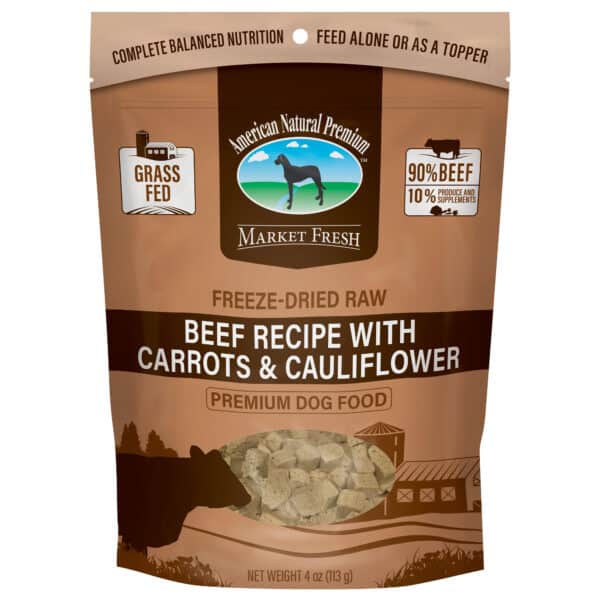
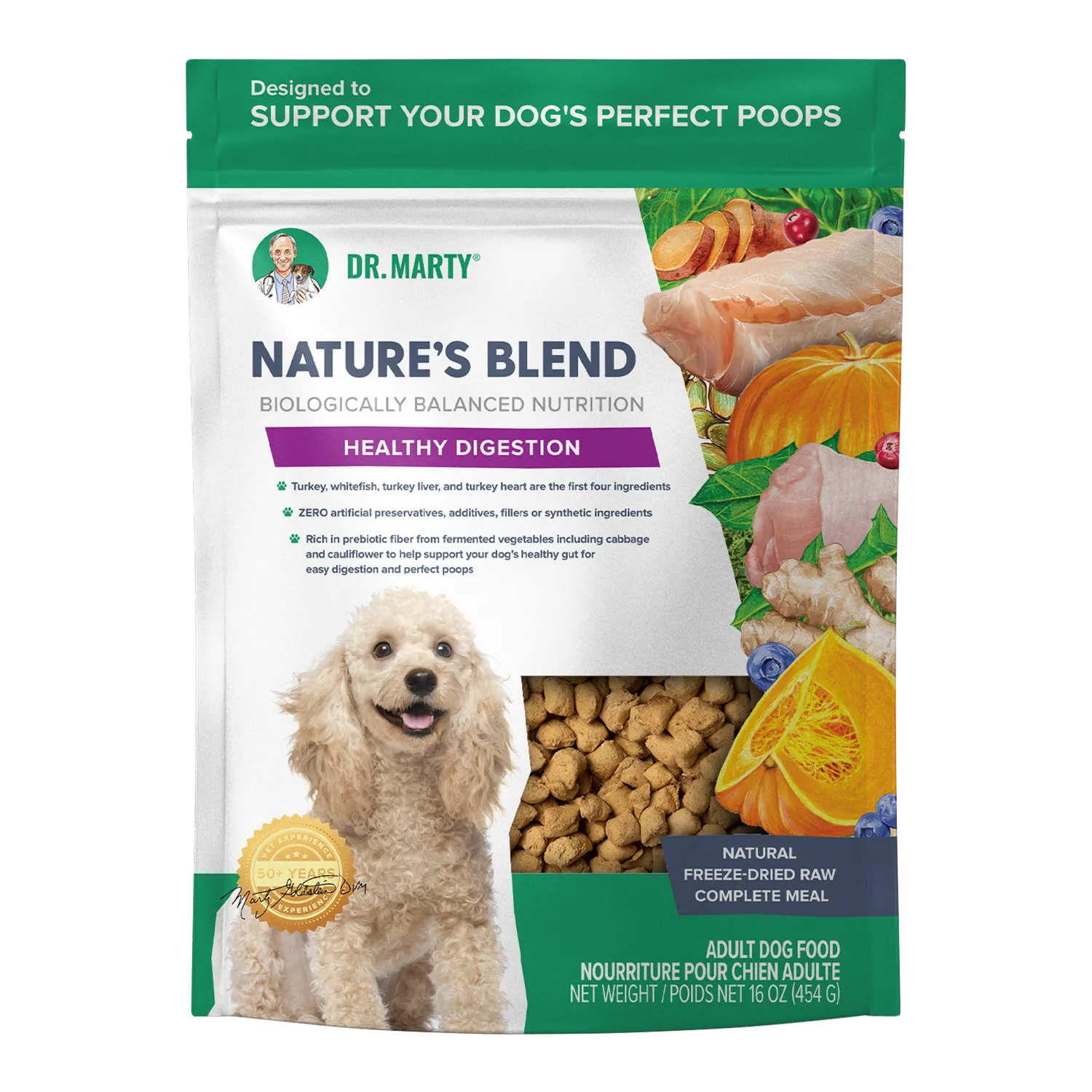
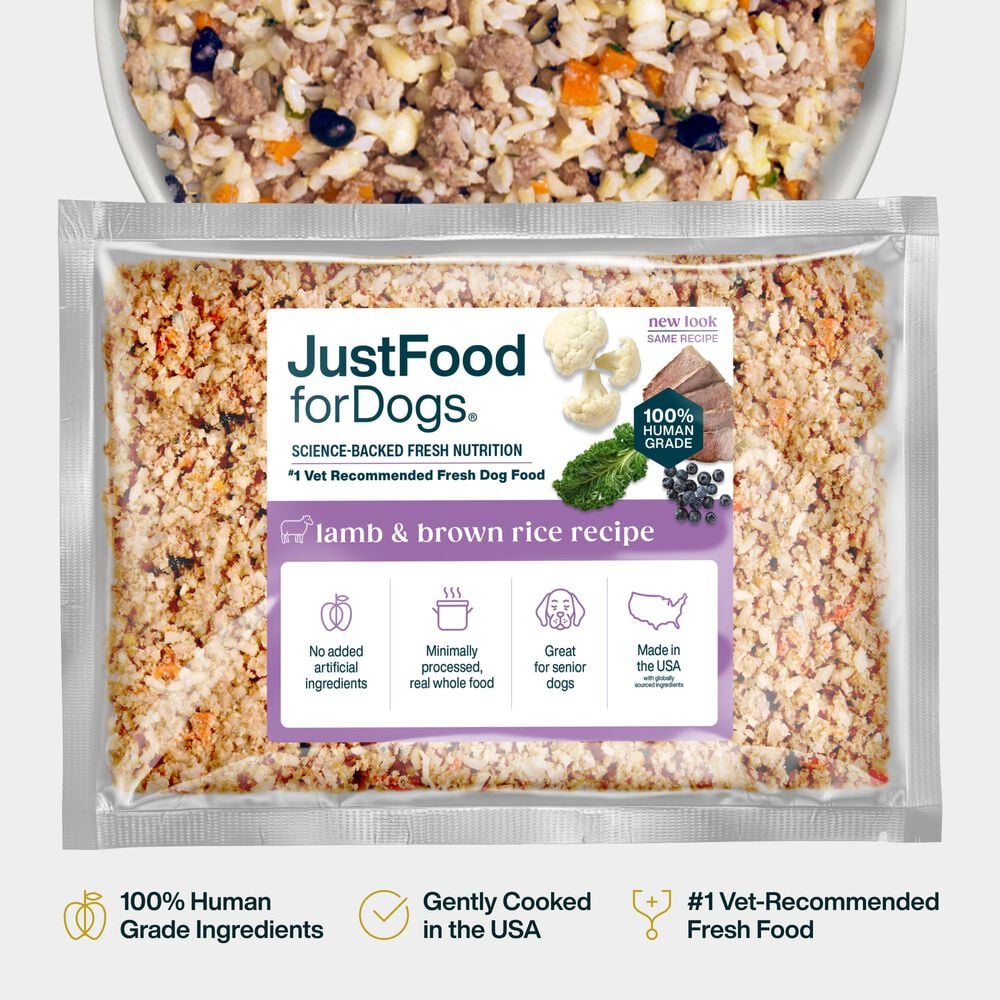
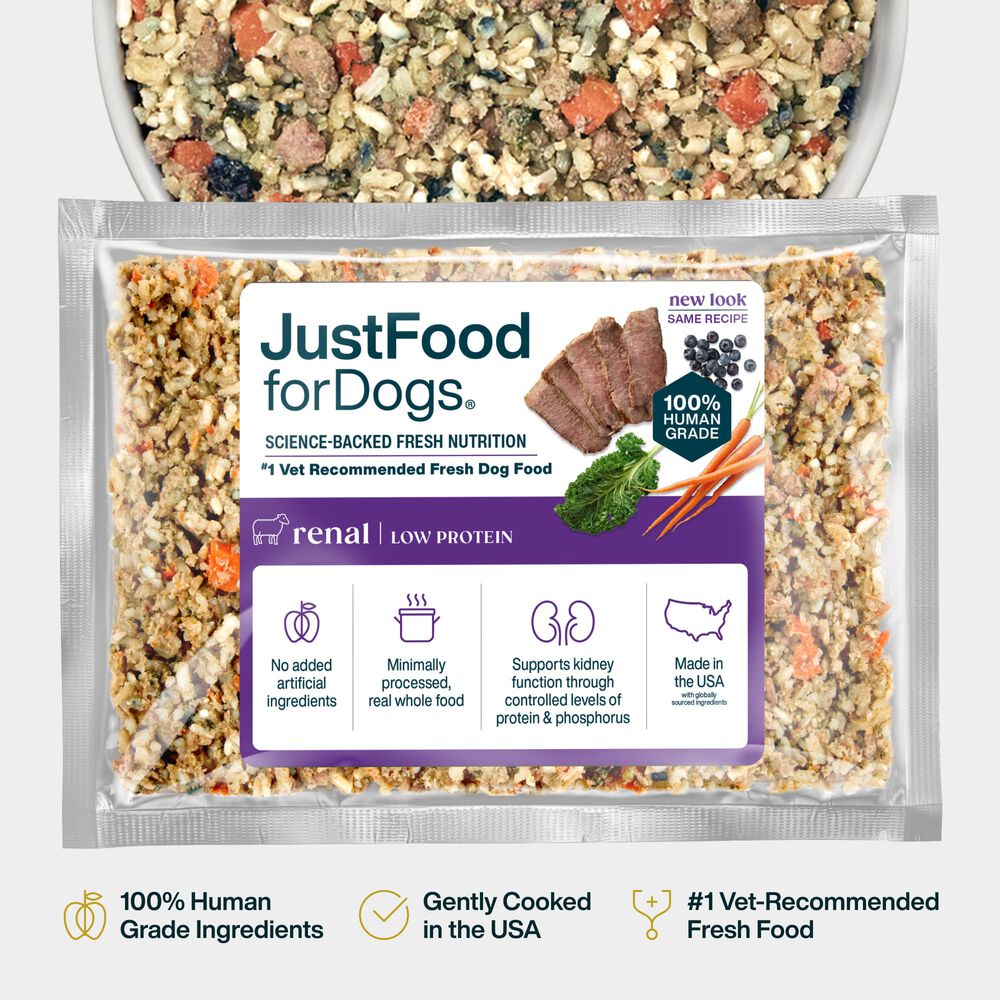
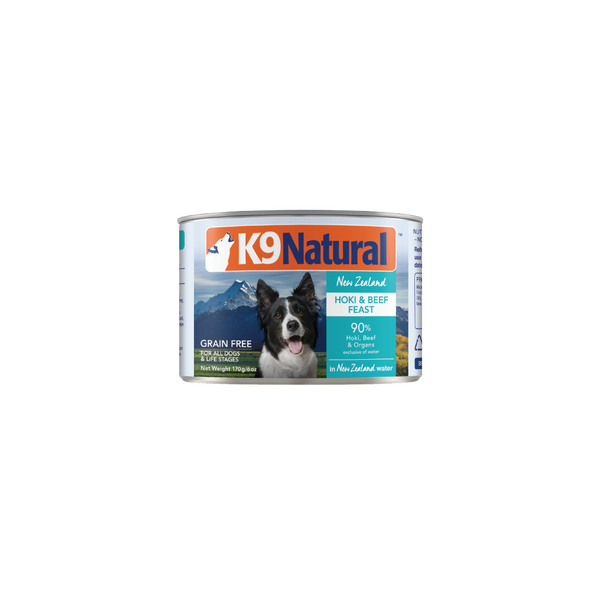
10 foods in the KibbleLab database contain Cauliflower, including American Natural Premium, Dr. Marty, JustFoodForDogs.
Foods with Cauliflower
Alphabetical by brand. Scores run 0 to 10, higher is better, on published veterinary science.






Find the right food for your pet
Sign in free to sort and filter by score, and avoid or require Cauliflower in the Food Finder. Add KL+ to see these foods ranked for your pet's breed, age, and health focus.

 Continue with Google
 Continue with Facebook