Chinese Rhubarb
1 food contains this ingredient
This is an alphabetical list, not a ranking. Add KL+ to rank foods for your pet in the Food Finder.
About Chinese Rhubarb
Chinese rhubarb is a dried root ingredient (Rheum officinale or Rheum palmatum) used in pet products for traditional digestive and kidney-related actions.
Chinese rhubarb (Rheum spp.) is used in pet products as a botanical/herbal ingredient for its traditional medicinal actions—most notably mild laxative, anti-inflammatory and antioxidant effects—rather than as a source of macronutrients. While it may help with occasional constipation or digestive support in dogs and cats when given in carefully controlled amounts, it contains anthraquinones and oxalates that can cause diarrhea, electrolyte imbalance or more serious toxicity if overused, and should be avoided in pregnant or dehydrated animals and used only under veterinary supervision.
Related ingredients
- Derived from
- dried root and rhizome of Rheum officinale or Rheum palmatum
- Primary role
- botanical/herbal functional ingredient
Why it's used
Chinese rhubarb root has a long history in traditional herbal medicine and has drawn veterinary research interest for chronic kidney disease support in cats, including studies combining it with benazepril. Its anthraquinone compounds (rhein, emodin, aloe-emodin, chrysophanol) are the constituents most associated with its laxative and anti-inflammatory actions.
Common concerns
- Anthraquinone accumulation Long-term or excessive anthraquinone exposure has been associated with acute renal failure in research literature, which is notable given this ingredient is sometimes marketed for kidney support.
- Confusion with rhubarb leaf/stalk Common garden rhubarb leaves (a different use case than the processed root extract) contain soluble oxalates and are documented by Pet Poison Helpline as a source of tremors, drooling and stomach upset in pets if ingested in quantity.
- Dosing precision Because therapeutic and laxative-overdose thresholds are close together for anthraquinone-containing botanicals, products are typically formulated and dosed under professional guidance rather than free-fed.
Also relevant
Research on Rheum officinale in cats with chronic kidney disease has focused on its antifibrotic action, including inhibition of TGF-beta signaling in early animal studies.
3 sources cited
- Chinese rhubarb (Rheum officinale) has been studied in cats with chronic kidney disease, including antifibrotic and TGF-beta related effects
- Anthraquinones (rhein, emodin, aloe-emodin, chrysophanol, physcion) are the primary bioactive compounds in medicinal rhubarb and are linked to laxative, anti-inflammatory and other effects; long-term anthraquinone use has been associated with acute renal failure
- Rhubarb leaves contain oxalates and can cause drooling, tremors and stomach upset in pets
Common Questions
What category is Chinese Rhubarb?
Chinese Rhubarb is categorized as a herb ingredient in the KibbleLab database.
Is Chinese Rhubarb part of an allergen group?
No allergen group is linked to Chinese Rhubarb in the KibbleLab database.
Which foods contain Chinese Rhubarb?
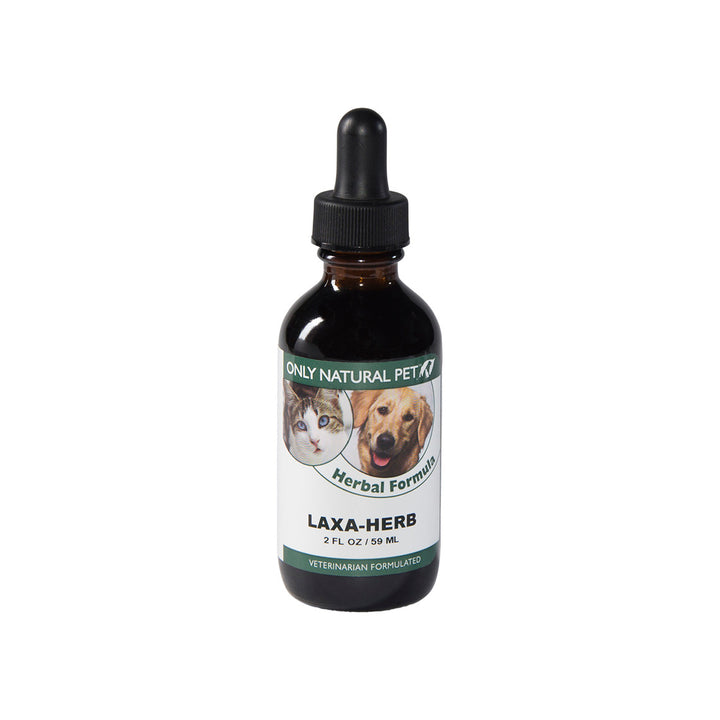
1 food in the KibbleLab database contain Chinese Rhubarb, including Only Natural Pet.
Foods with Chinese Rhubarb
Alphabetical by brand. Scores run 0 to 10, higher is better, on published veterinary science.
Find the right food for your pet
Sign in free to sort and filter by score, and avoid or require Chinese Rhubarb in the Food Finder. Add KL+ to see these foods ranked for your pet's breed, age, and health focus.

 Continue with Google
 Continue with Facebook