Clam
8 foods contain this ingredient
This is an alphabetical list, not a ranking. Add KL+ to rank foods for your pet in the Food Finder.
About Clam
Clam is a bivalve shellfish included in some dog and cat foods as an alternative animal protein and natural flavor enhancer.
Clam is used in pet foods as a novel, animal-based protein and flavor ingredient that supplies high-quality protein, omega-3 fatty acids, vitamin B12 and minerals like iron and zinc, and can enhance palatability for both dogs and cats. It can be a nutritious, low‑fat protein source, but owners should watch for potential shellfish allergies, ensure products are properly processed to avoid pathogens and biotoxins, and note that some processed clam ingredients may have elevated sodium or trace contaminants.
Related ingredients
- Derived from
- whole or minced clam meat (bivalve mollusk)
- Primary role
- alternative animal protein and palatant
Why it's used
Clams are naturally high in vitamin B12, which supports nervous system function, red blood cell formation and DNA synthesis, making them a food source vets and nutrition writers point to for cats and dogs alongside other animal proteins. As a bivalve rather than a land-animal protein, clam is also positioned in some formulas as a rotational or limited-ingredient option for pets already exposed to more common proteins like chicken or beef.
Common concerns
- Shellfish allergy As with other shellfish, clam can trigger an allergic reaction in individual pets, so it is generally introduced gradually and watched for signs of gastrointestinal or skin reaction.
- Biotoxin accumulation Because clams are filter feeders, they can accumulate naturally occurring marine biotoxins such as saxitoxin (the cause of paralytic shellfish poisoning) from certain algae blooms, which is why sourcing and testing of shellfish ingredients matters.
- Seasoning and preparation Veterinary-facing guidance for feeding clam to pets consistently recommends plain, unseasoned preparation, since salt, garlic or onion seasoning commonly used in human clam dishes is a separate concern from the clam meat itself.
3 sources cited
- Bivalve shellfish like clams are high in protein and contain iron, zinc, magnesium, calcium, phosphorus, vitamin B12 and omega-3 fatty acids
- Cooked or canned clams are a food source of vitamin B12 for cats
- Paralytic shellfish poisoning is caused by saxitoxins that accumulate in filter-feeding bivalve mollusks such as clams and mussels from algae blooms, and poses a documented risk to pets that ingest contaminated shellfish
Common Questions
What category is Clam?
Clam is categorized as a protein ingredient in the KibbleLab database.
Is Clam part of an allergen group?
Yes. Clam is grouped under the Shellfish allergen group in the KibbleLab database.
Which foods contain Clam?
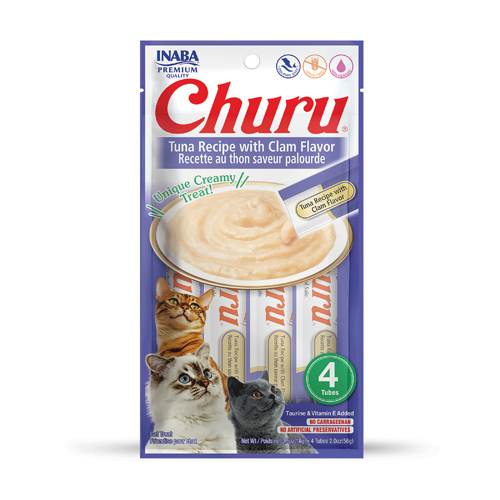
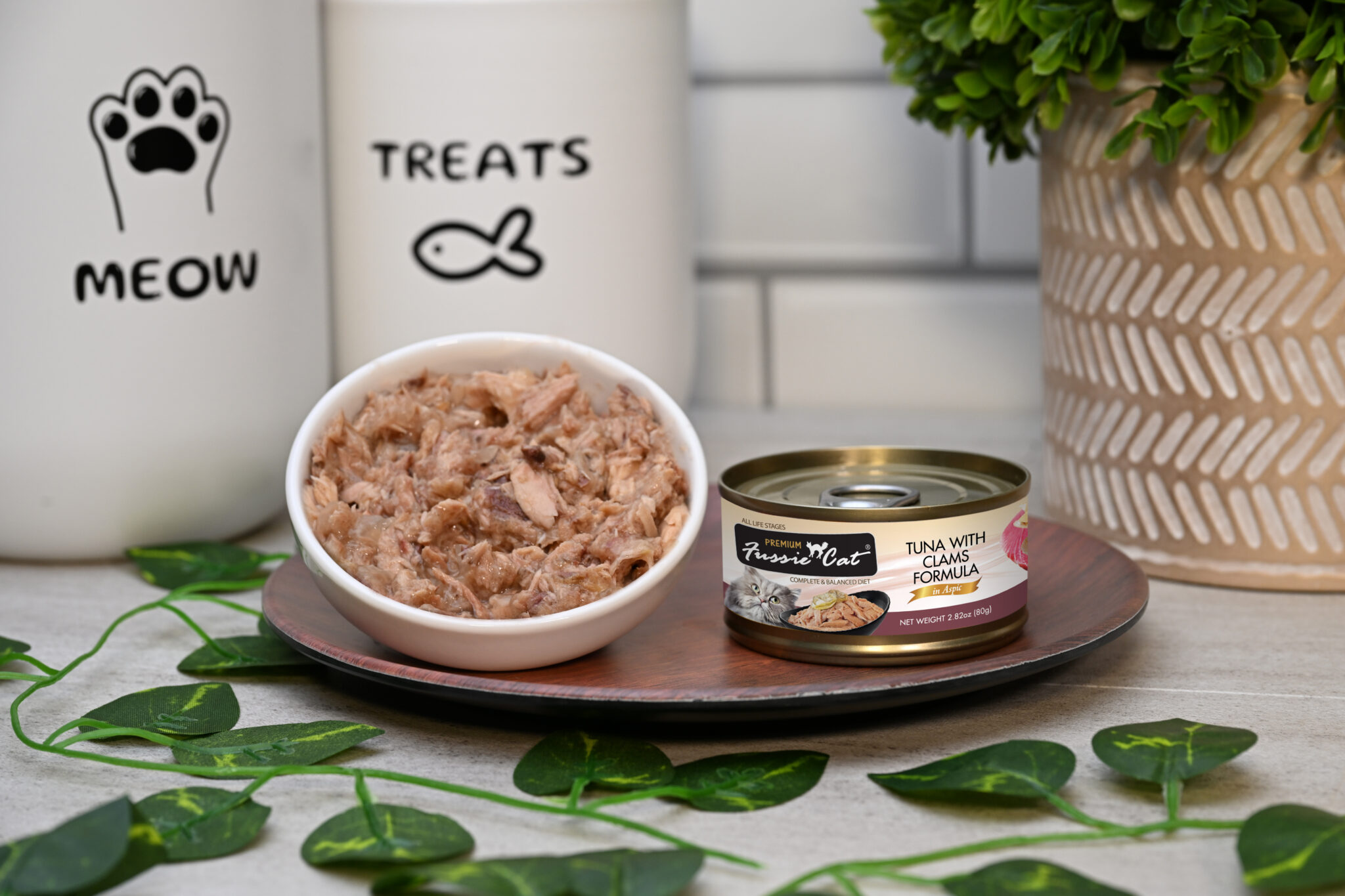
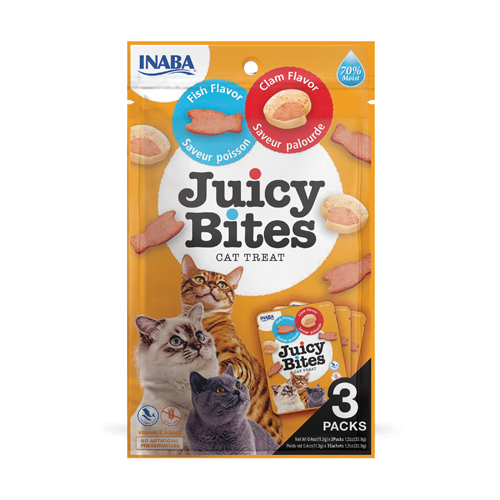
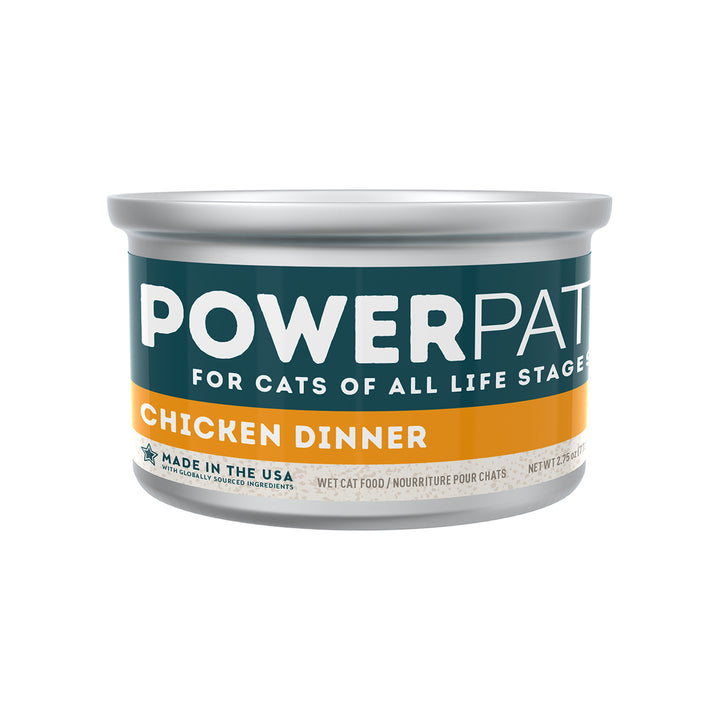
8 foods in the KibbleLab database contain Clam, including Almo Nature, Churu, Earth Animal.
Foods with Clam
Alphabetical by brand. Scores run 0 to 10, higher is better, on published veterinary science.




Find the right food for your pet
Sign in free to sort and filter by score, and avoid or require Clam in the Food Finder. Add KL+ to see these foods ranked for your pet's breed, age, and health focus.

 Continue with Google
 Continue with Facebook