Devil's Claw
2 foods contain this ingredient
This is an alphabetical list, not a ranking. Add KL+ to rank foods for your pet in the Food Finder.
About Devil's Claw
Devil's Claw is a botanical root extract added to joint supplements for dogs and cats rather than to everyday kibble formulas.
Devil's Claw is an herbal anti‑inflammatory used in some canine and feline joint supplements to help manage osteoarthritis and musculoskeletal pain through active iridoid glycosides (harpagosides); it is a botanical functional ingredient rather than a source of protein or vitamins. It may reduce pain and improve mobility when combined with other joint nutraceuticals, but can cause gastrointestinal upset, may interact with NSAIDs, anticoagulants or diabetes medications, and should be used under veterinary guidance—avoid in pregnant or nursing pets and in animals with bleeding disorders or uncontrolled diabetes.
- Derived from
- dried tuber of the Harpagophytum procumbens plant, native to southern Africa
- Primary role
- botanical joint support additive
Why it's used
The root's iridoid glycosides, chiefly harpagoside, are the compounds most associated with its traditional use for musculoskeletal discomfort, which is why it appears in mobility and osteoarthritis-focused supplement blends rather than in base diets. It is included for that targeted, functional purpose, not as a source of calories, protein, or vitamins.
Common concerns
- NSAID and other drug interactions VCA Animal Hospitals notes that supplements such as devil's claw can increase the risk of adverse events when combined with an NSAID, so owners are advised to disclose all supplements to their veterinarian before combining them with medications.
- Bleeding risk and anticoagulants Published reviews describe antiplatelet activity and case reports of gastrointestinal bleeding associated with devil's claw, raising particular caution around concurrent use with blood thinners such as warfarin.
- Gastric irritation Devil's claw may increase stomach acid secretion, and sources generally advise against its use in individuals with existing gastric or duodenal ulcers.
- Pregnancy and lactation Because there is insufficient research on its use during pregnancy or nursing, herbal medicine references advise avoiding devil's claw in those situations.
Also relevant
It is typically one ingredient within a multi-ingredient joint formula rather than a standalone therapy, so its effect in a given product depends on dose and what else is combined with it.
3 sources cited
- Devil's claw supplements can increase adverse event risk when combined with NSAIDs; disclose supplements to your veterinarian
- Harpagoside and other iridoid glycosides are the primary active constituents of Harpagophytum procumbens root
- Devil's claw is associated with antiplatelet effects, bleeding risk, gastric irritation, and is generally advised against in pregnancy/lactation
Common Questions
What category is Devil's Claw?
Devil's Claw is categorized as a herb ingredient in the KibbleLab database.
Is Devil's Claw part of an allergen group?
No allergen group is linked to Devil's Claw in the KibbleLab database.
Which foods contain Devil's Claw?
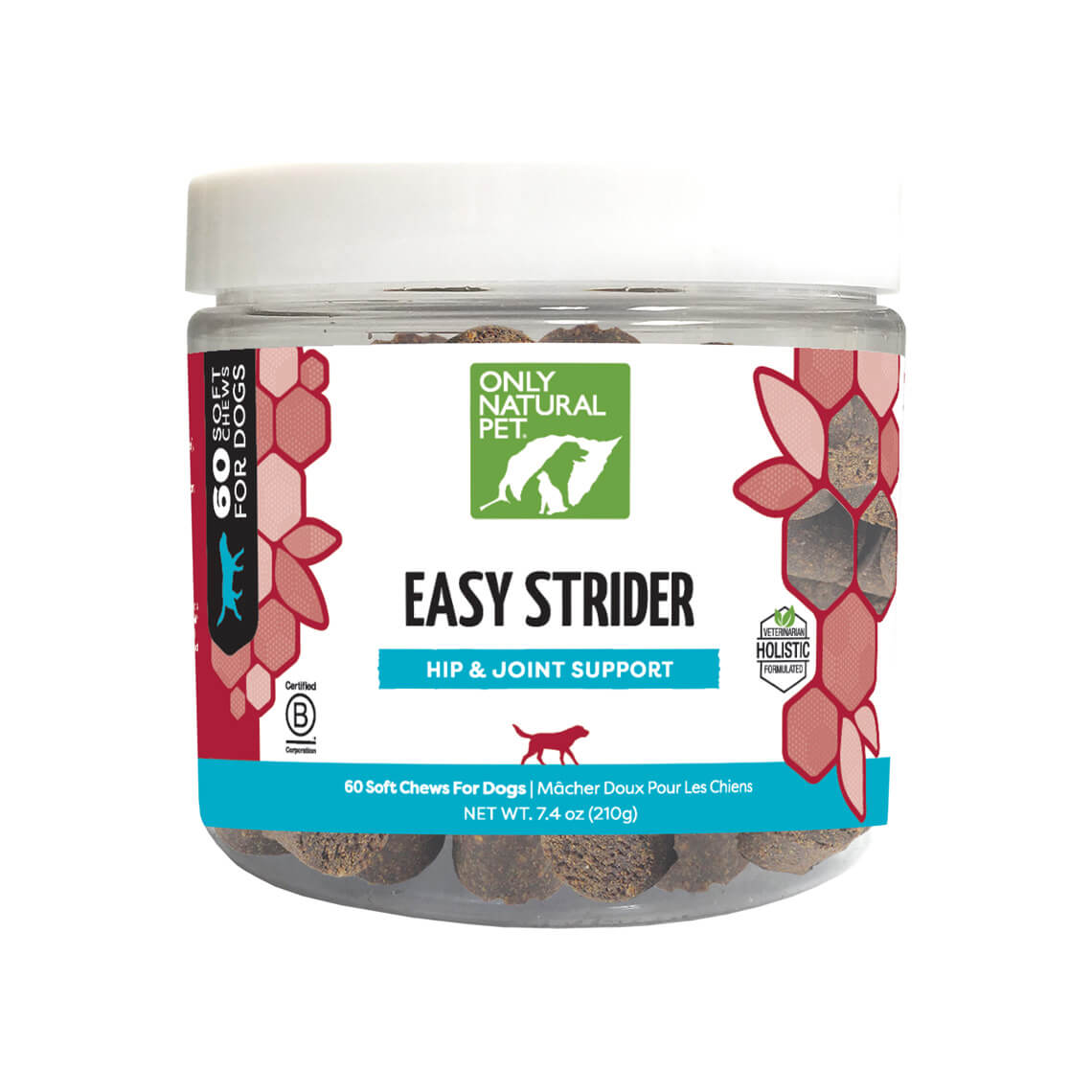
2 foods in the KibbleLab database contain Devil's Claw, including Earth Animal, Only Natural Pet.
Foods with Devil's Claw
Alphabetical by brand. Scores run 0 to 10, higher is better, on published veterinary science.


Find the right food for your pet
Sign in free to sort and filter by score, and avoid or require Devil's Claw in the Food Finder. Add KL+ to see these foods ranked for your pet's breed, age, and health focus.

 Continue with Google
 Continue with Facebook