Elk
6 foods contain this ingredient
This is an alphabetical list, not a ranking. Add KL+ to rank foods for your pet in the Food Finder.
About Elk
Elk is a farmed or wild-sourced cervid meat added to pet food as a lean, less-common red-meat protein option.
Elk is used as a novel, lean red-meat protein in dog and cat foods, providing high-quality protein, essential amino acids and micronutrients like B vitamins, iron and zinc. It is often included in limited-ingredient or alternative-protein diets for animals with sensitivities, but formulations must be nutrient- and taurine-balanced for cats, and owners should consider sourcing/processing safety and that high-protein diets may not be appropriate for pets with certain kidney or metabolic conditions.
Related ingredients
- Derived from
- farmed or wild-harvested elk (Cervus canadensis) muscle meat, meal, or organ tissue
- Primary role
- novel/alternative red-meat protein source
Why it's used
Elk sits in the same lean-game category as venison, offering a favorable protein-to-fat ratio compared with conventional beef, plus iron, phosphorus and selenium typical of red meat. Its relative rarity in mainstream pet food is what makes it useful in elimination and limited-ingredient diets, not just its nutrient content.
Common concerns
- Cervid cross-reactivity Because elk belongs to the same Cervidae family as venison, dogs with a documented venison allergy are considered at potential risk of cross-reacting to elk, which can undercut its use as a truly novel protein.
- Chronic wasting disease (CWD) CWD, a prion disease, has been confirmed in wild elk and deer populations across a growing number of US states and Canadian provinces; CDC research has detected CWD prions in both raw and cooked meat from an infected elk, and standard cooking temperatures do not inactivate prions, so sourcing from tested or CWD-free herds is a documented consideration for game meat.
- No confirmed CWD transmission to companion animals Public health sources report no evidence that CWD naturally infects dogs, cats, or other non-cervid livestock, though it remains an active area of surveillance.
Also relevant
Elk meat's fat content is comparable to other lean game meats like venison, generally lower than conventional beef, which is part of why it is marketed alongside other 'lean game' proteins.
4 sources cited
- Venison shows possible cross-reactivity with other Cervidae species and potential concern with Bovidae given order-level proximity
- Chronic wasting disease is a prion disease affecting deer, elk, moose, and reindeer, reported in at least 36 US states and five Canadian provinces as of August 2025; CDC states there is no strong evidence CWD infects people but recommends discarding meat from CWD-infected animals
- CWD prions have been confirmed in raw, cooked, and cured meat from an infected elk, and cooking temperatures are not effective at disabling CWD prions
- Elk meat contains roughly 3.4g fat per 100g (comparable to deer/venison at 2.4g) versus notably higher fat in conventional beef, with both cervids rich in phosphorus, iron, and selenium
Common Questions
What category is Elk?
Elk is categorized as a protein ingredient in the KibbleLab database.
Is Elk part of an allergen group?
Yes. Elk is grouped under the Red Meat allergen group in the KibbleLab database.
Which foods contain Elk?
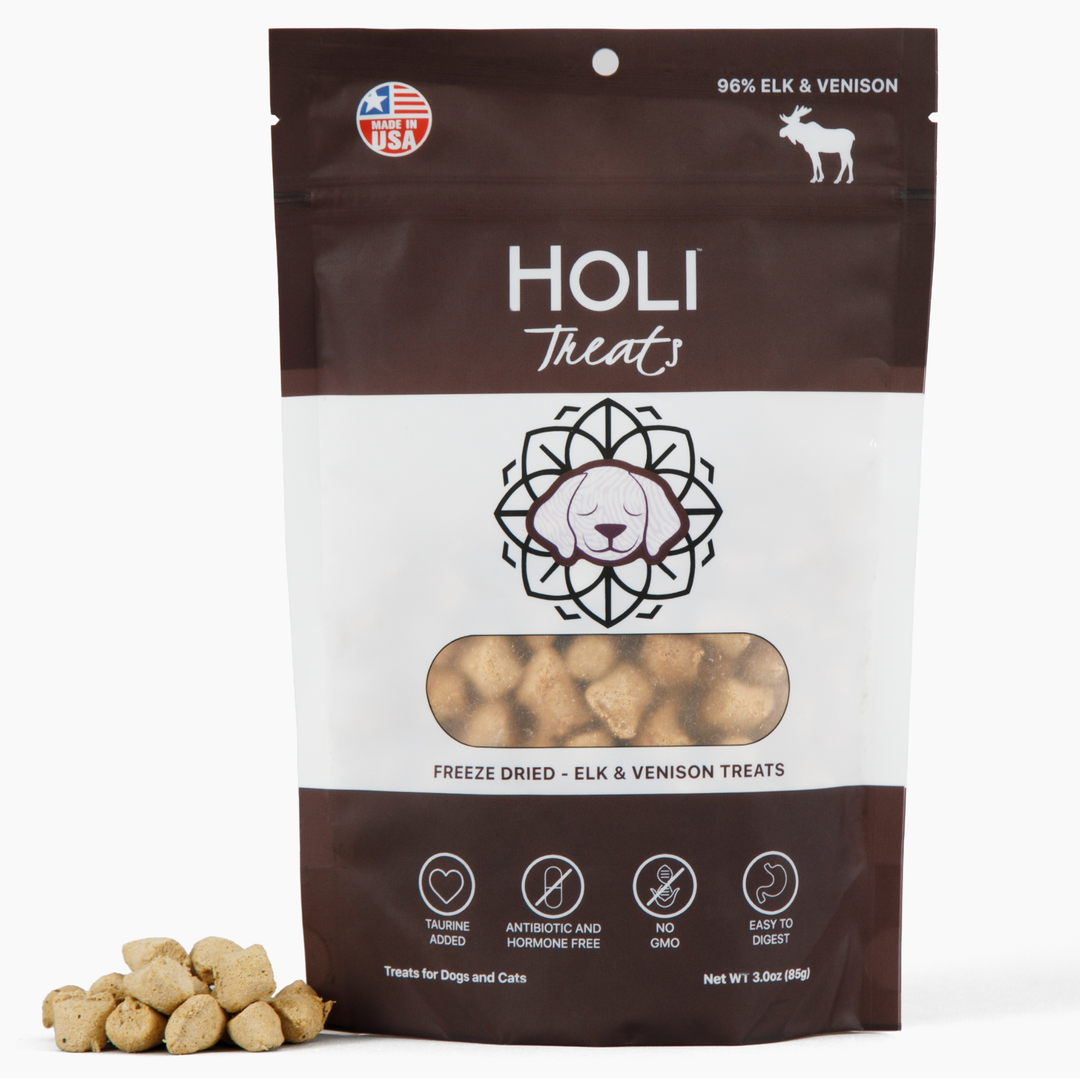
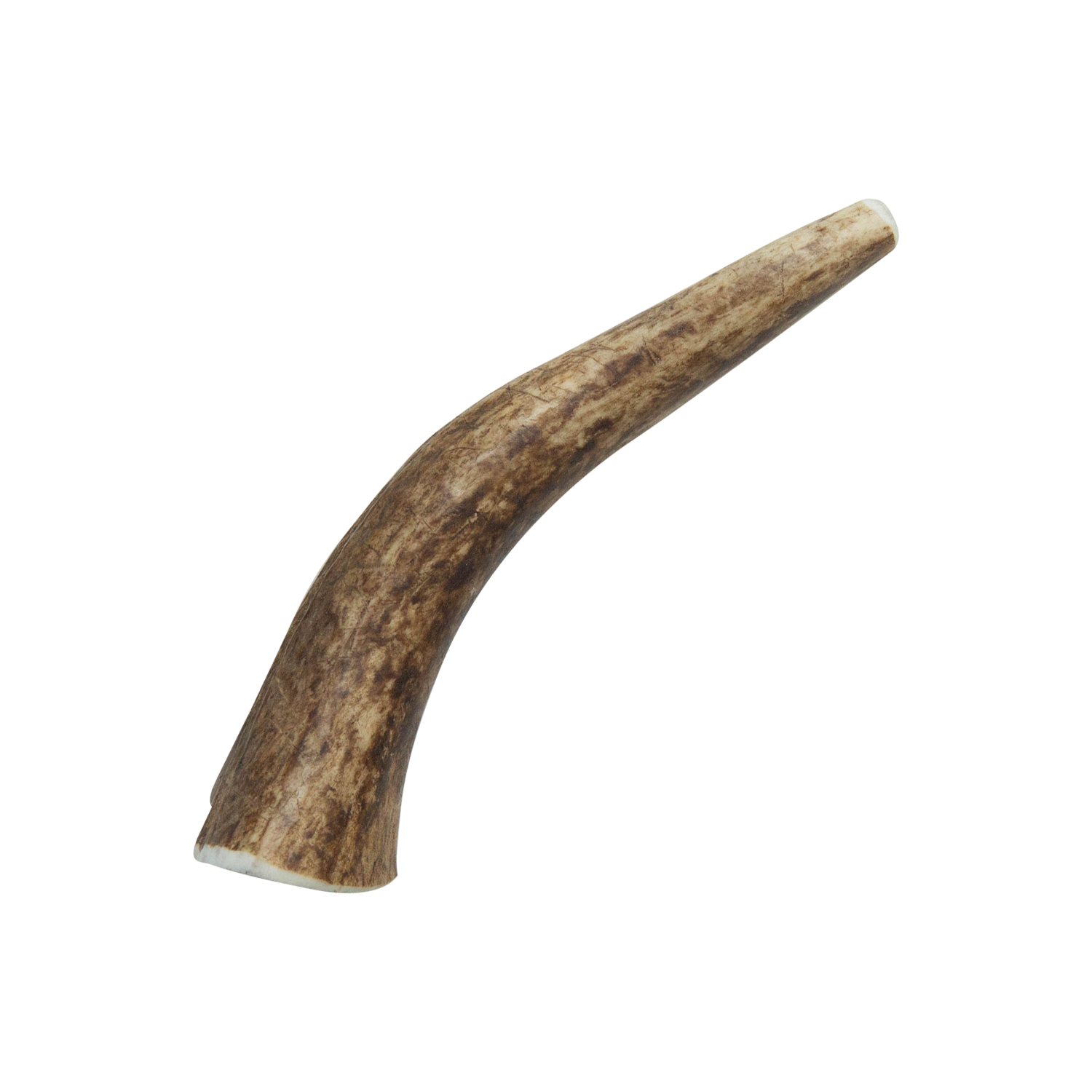
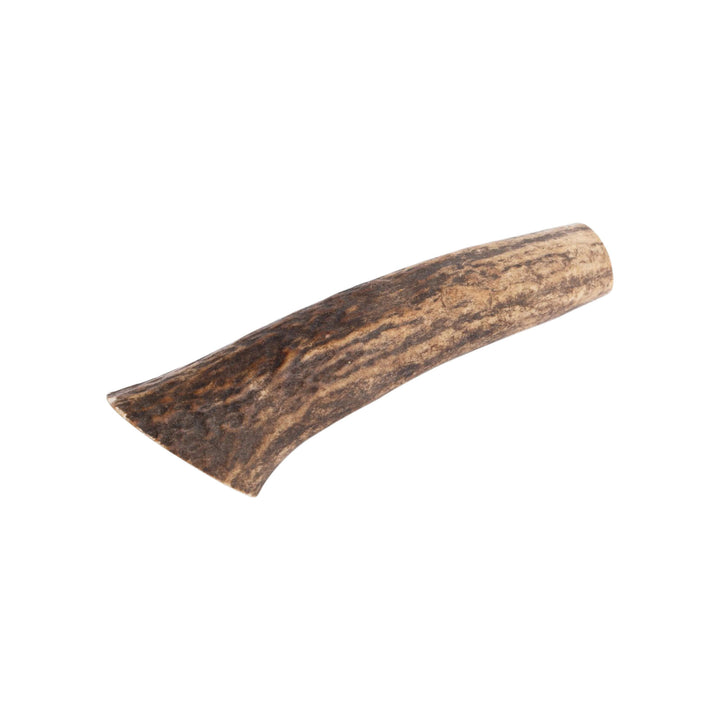
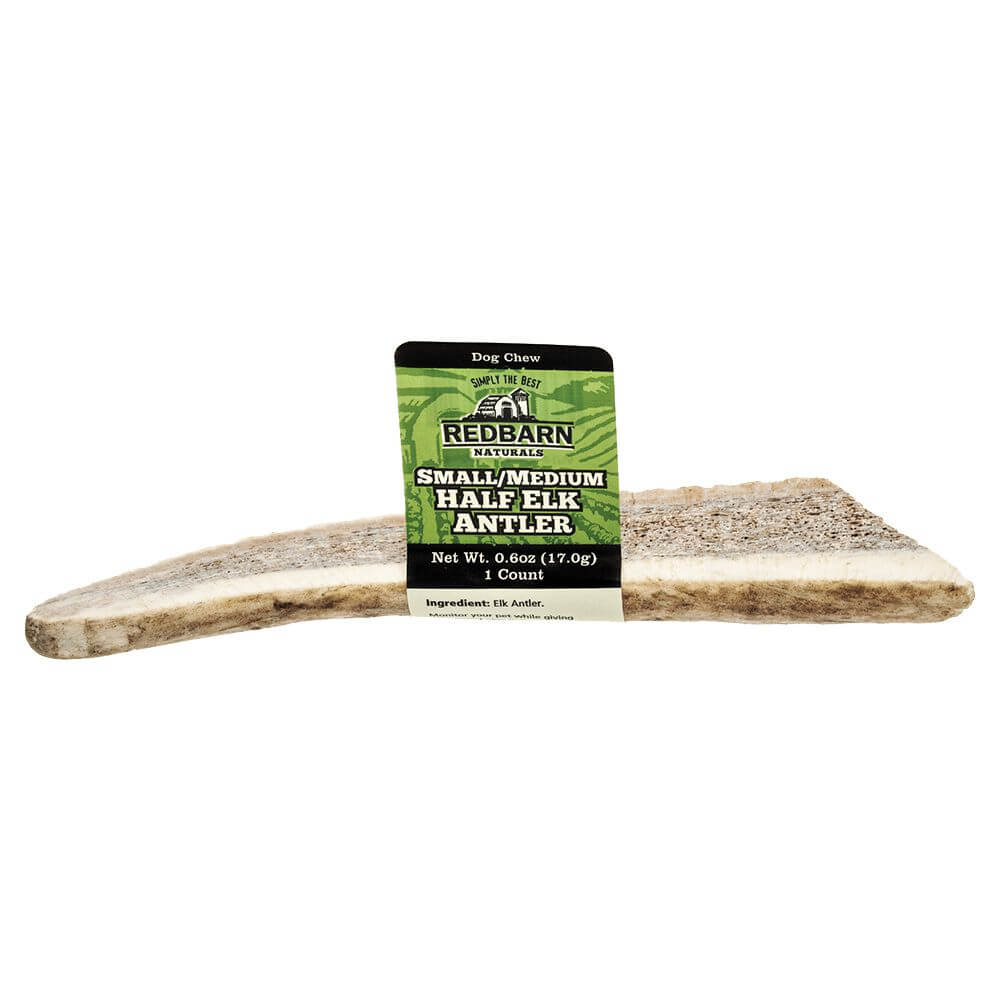
6 foods in the KibbleLab database contain Elk, including Dr. Tim's, FeedHoli, Health Extension.
Foods with Elk
Alphabetical by brand. Scores run 0 to 10, higher is better, on published veterinary science.





Find the right food for your pet
Sign in free to sort and filter by score, and avoid or require Elk in the Food Finder. Add KL+ to see these foods ranked for your pet's breed, age, and health focus.

 Continue with Google
 Continue with Facebook