Haddock
11 foods contain this ingredient
This is an alphabetical list, not a ranking. Add KL+ to rank foods for your pet in the Food Finder.
About Haddock
Haddock is a lean, white-fleshed ocean fish used in pet food as a digestible animal protein, with a modest amount of omega-3 fatty acids.
Haddock is a lean white fish used in pet foods as a high-quality, highly digestible animal protein that supplies essential amino acids, B vitamins, phosphorus, selenium and modest amounts of omega‑3 fatty acids. It is palatable for dogs and cats and useful in low‑fat or limited‑ingredient diets, but products should be properly cooked and deboned to avoid parasites and bones, and owners should be mindful of fish allergies, potential contaminants (source-dependent), and not rely on haddock as the sole protein to prevent nutrient imbalances.
- Derived from
- flesh of the haddock fish (Melanogrammus aeglefinus)
- Primary role
- lean animal protein, omega-3 fatty acid source
Why it's used
Formulators use haddock in low-fat or limited-ingredient recipes because it is a mild-tasting white fish that supplies complete animal protein, B vitamins such as B6 and B12, and phosphorus alongside modest omega-3 content. Its comparatively low position on the FDA's mercury ranking for commercial fish is part of why it appears frequently in recipes marketed toward long-term or frequent feeding.
Common concerns
- Fish as a food allergen Veterinary sources list fish among the most common food allergens in cats, alongside beef and chicken, so haddock is not automatically hypoallergenic despite being less common than some other proteins.
- Mercury exposure, though comparatively low FDA data placing haddock among lower-mercury commercial fish species does not mean mercury is absent, and contaminant levels can vary by source and processing, which is why haddock should not be the only protein in a diet fed indefinitely.
- Bones and preparation Pet-facing guidance recommends that haddock be properly deboned and cooked without added seasoning, oil, or salt before being fed, since bones and preparation additives are separate hazards from the fish itself.
Also relevant
Haddock is generally described as a topper or minor inclusion rather than a full replacement for a complete and balanced commercial diet.
Common Questions
What category is Haddock?
Haddock is categorized as a protein ingredient in the KibbleLab database.
Is Haddock part of an allergen group?
Yes. Haddock is grouped under the Fish allergen group in the KibbleLab database.
Which foods contain Haddock?
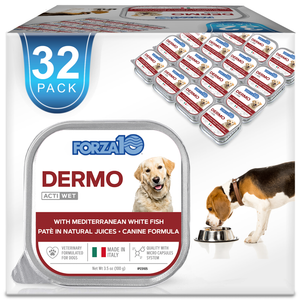
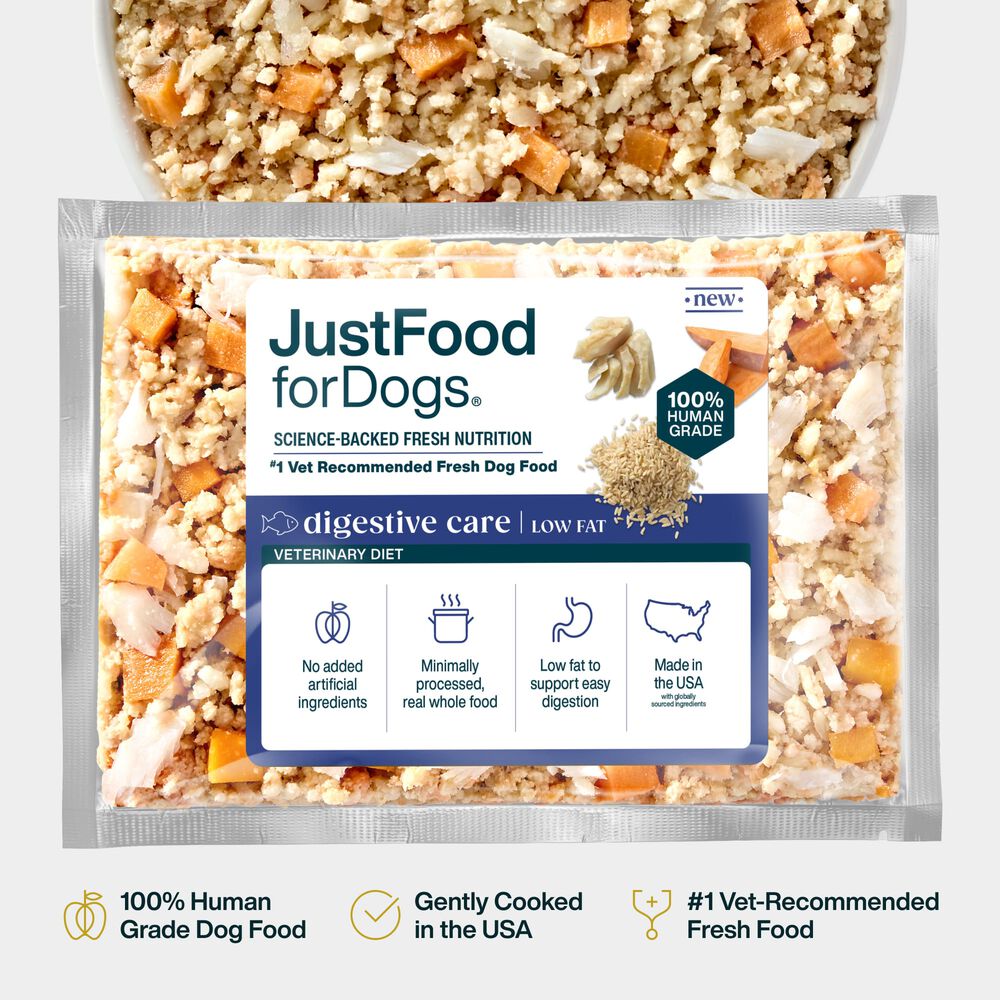
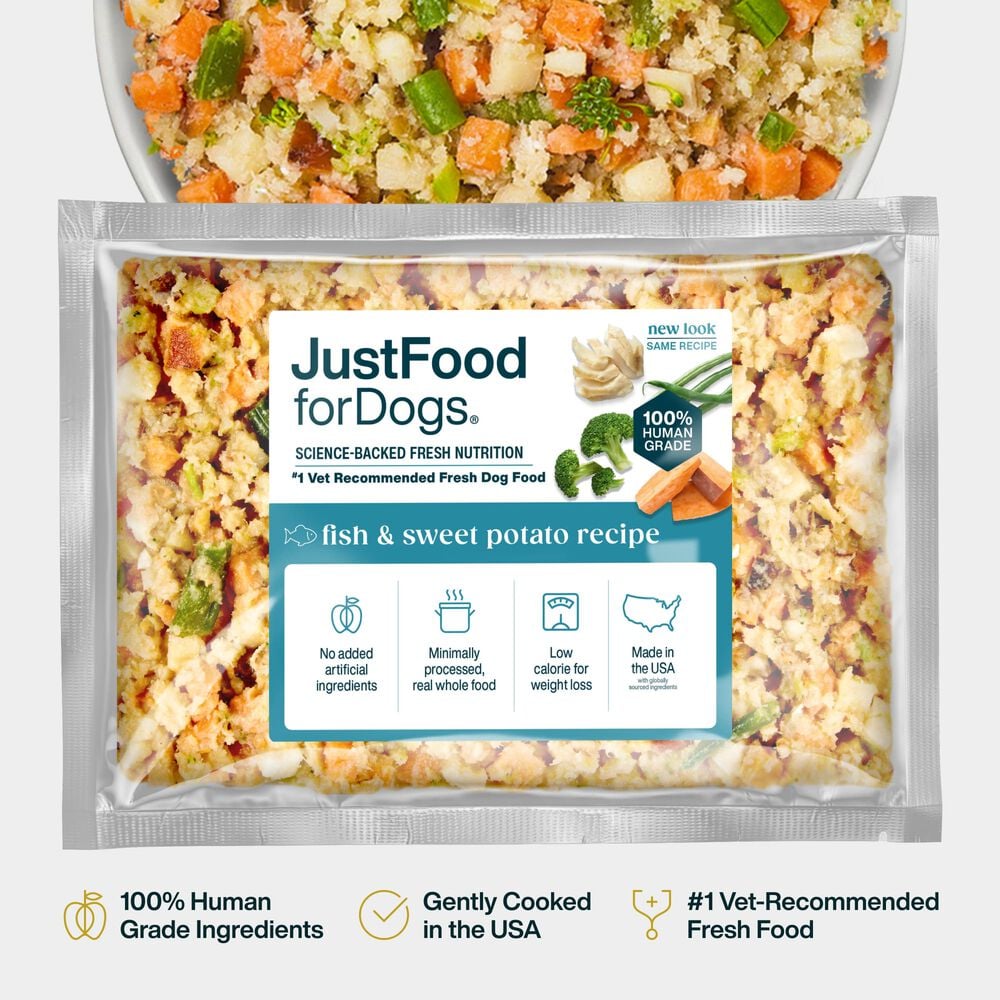
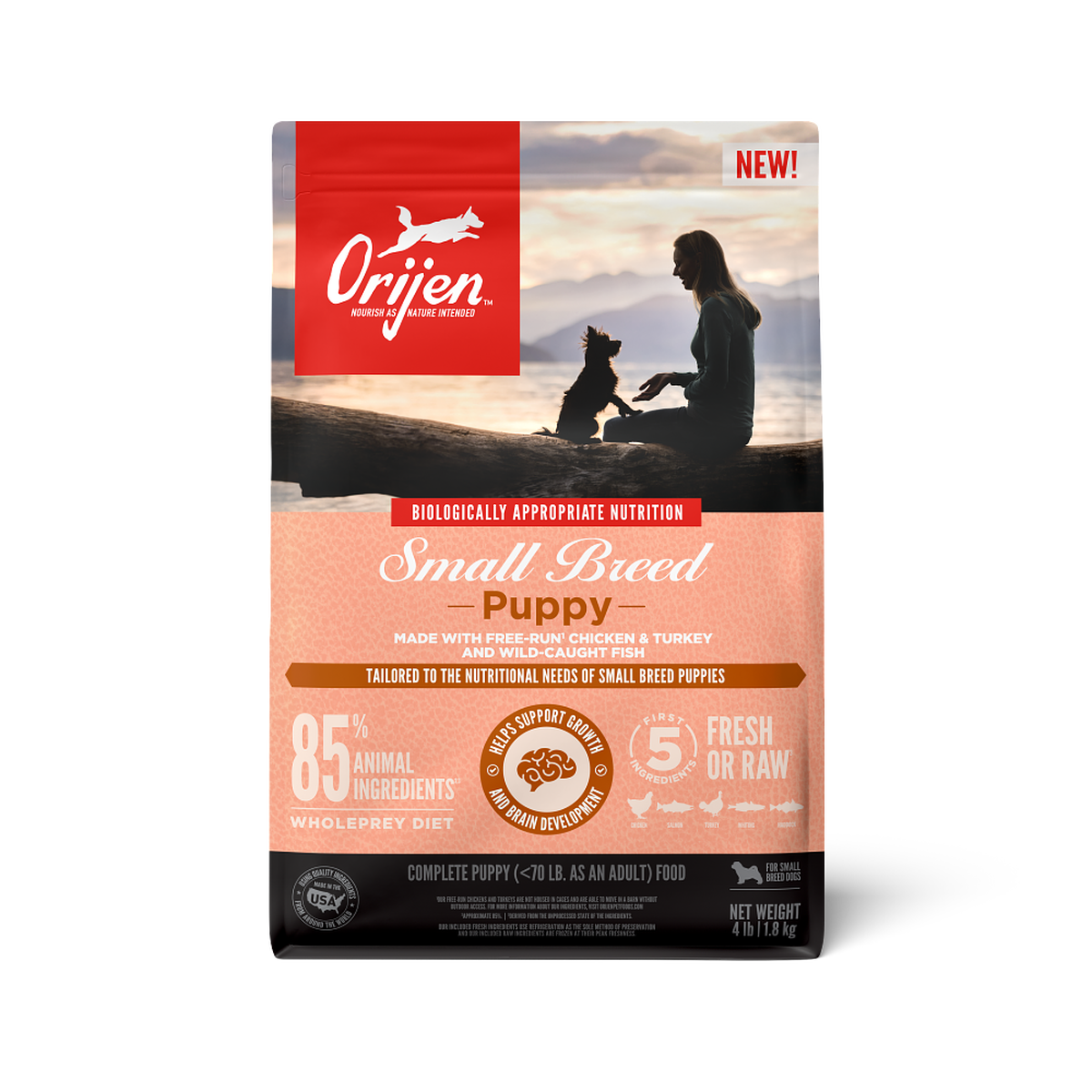
11 foods in the KibbleLab database contain Haddock, including Forza10, Friskies, JustFoodForDogs.
Foods with Haddock
Alphabetical by brand. Scores run 0 to 10, higher is better, on published veterinary science.









Find the right food for your pet
Sign in free to sort and filter by score, and avoid or require Haddock in the Food Finder. Add KL+ to see these foods ranked for your pet's breed, age, and health focus.

 Continue with Google
 Continue with Facebook