Krill
17 foods contain this ingredient
This is an alphabetical list, not a ranking. Add KL+ to rank foods for your pet in the Food Finder.
About Krill
Krill is a small marine crustacean processed into meal or oil to deliver concentrated omega-3 fatty acids and the antioxidant astaxanthin.
Krill is a small crustacean used in pet foods and supplements as a high-quality protein source and concentrated source of omega‑3 fatty acids (EPA and DHA) and the antioxidant astaxanthin, often supplied as krill meal or krill oil to support skin and coat health, cognitive function, and joint/inflammatory support in dogs and cats. It is generally well‑digested and nutrient-dense, but owners should be aware of potential shellfish allergies, the caloric impact in formulations, and choose sustainably sourced, contaminant‑tested products due to environmental and sourcing considerations.
Related ingredients
- Derived from
- small crustaceans (Antarctic krill)
- Primary role
- omega-3 (EPA/DHA) and astaxanthin source
Why it's used
Krill oil delivers EPA and DHA bound to phospholipids, a form some research suggests is absorbed differently than the triglyceride-bound omega-3s in fish oil, alongside astaxanthin, a carotenoid antioxidant. These fatty acids are commonly included in formulations aimed at skin, coat, and joint comfort.
Common concerns
- Shellfish allergen cross-reactivity Krill is a crustacean, and its tropomyosin protein can cross-react with shrimp tropomyosin, so animals with a documented shellfish sensitivity may warrant caution, mainly with krill meal or whole krill, since highly refined krill oil retains only trace protein. Research on shrimp-allergic subjects also suggests krill protein is less allergenic than shrimp itself.
- Interaction with medications Omega-3 fatty acids have a documented effect on platelet function, which is why veterinary sources suggest discussing krill oil supplementation with a vet for pets on blood thinners or antiplatelet drugs, or before surgery.
- Sourcing and contaminant testing Because krill is wild-harvested from ocean environments, product quality varies with sourcing practices and contaminant testing, which is why formulations differ in transparency about origin.
Also relevant
A randomized controlled trial in cats with chronic gingivostomatitis found daily krill oil supplementation to be well tolerated without adverse changes in weight or bloodwork over the study period.
3 sources cited
- Krill's tropomyosin can cross-react with shrimp allergen but krill protein appears less allergenic than shrimp
- Randomized controlled trial found omega-3-enriched supplementation well tolerated in cats with no adverse changes in weight or bloodwork
- Krill is classified as a crustacean shellfish allergen source alongside shrimp, crab, and lobster
Common Questions
What category is Krill?
Krill is categorized as a protein ingredient in the KibbleLab database.
Is Krill part of an allergen group?
Yes. Krill is grouped under the Shellfish allergen group in the KibbleLab database.
Which foods contain Krill?
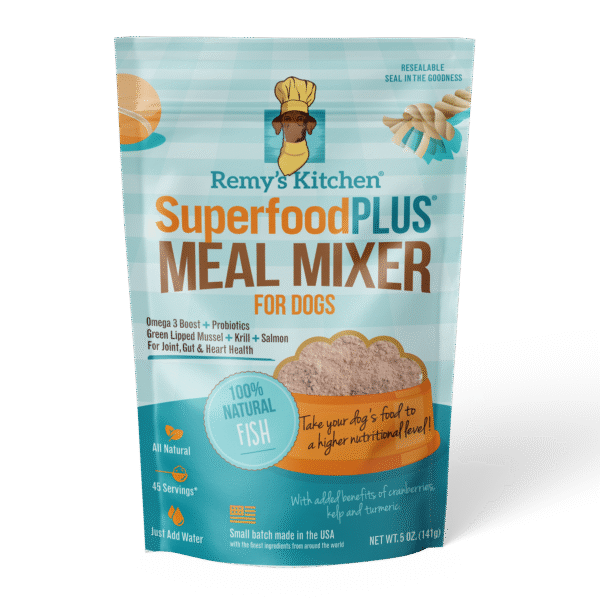
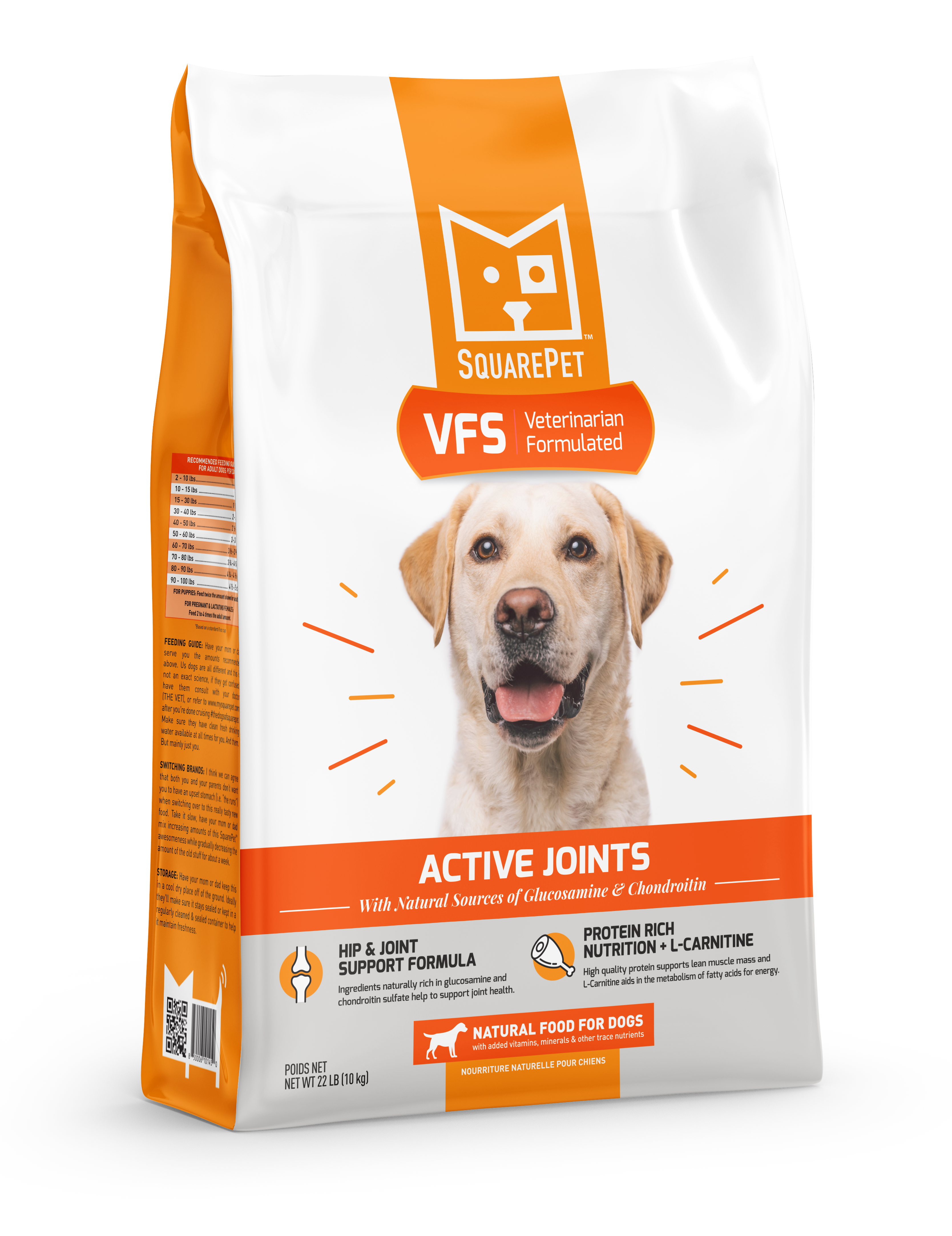
17 foods in the KibbleLab database contain Krill, including Aniwell, Dr. Tim's, Nutri-Vet.
Foods with Krill
Alphabetical by brand. Scores run 0 to 10, higher is better, on published veterinary science.












Find the right food for your pet
Sign in free to sort and filter by score, and avoid or require Krill in the Food Finder. Add KL+ to see these foods ranked for your pet's breed, age, and health focus.

 Continue with Google
 Continue with Facebook