Lemon
13 foods contain this ingredient
This is an alphabetical list, not a ranking. Add KL+ to rank foods for your pet in the Food Finder.
About Lemon
Lemon shows up in pet products mainly as a citrus flavoring or natural acid source, not as a nutritional building block.
Lemon is sometimes used in pet foods and treats as a flavoring or source of natural acid (citric/ascorbic acid) and antioxidants, but it is not an essential nutrient for dogs or cats, which can synthesize vitamin C. While small amounts of fresh lemon flesh are unlikely to be harmful, the acidity and citrus essential oils (such as limonene) can cause gastrointestinal upset, mouth irritation, or more serious reactions in sensitive animals—especially cats—so citrus fruits, oils, and concentrated extracts should be used cautiously or avoided.
Related ingredients
- Derived from
- citrus fruit (Citrus limon)
- Primary role
- flavoring or acidifying agent
Why it's used
Lemon contributes tartness and a citrus aroma, and small amounts of its juice or extract are sometimes used as a natural acidulant in formulated products. Because dogs and cats make their own vitamin C internally, lemon is not included for that nutrient the way it would be in human foods.
Common concerns
- Listed as toxic by ASPCA The ASPCA's toxic plant database lists lemon as toxic to both dogs and cats, attributing this to essential oils and psoralens in the peel and plant material, with vomiting, diarrhea, depression, and dermatitis noted as clinical signs.
- Essential oil and peel exposure Concentrated citrus essential oil compounds like limonene are documented by veterinary sources as more likely to cause a reaction than the fruit's flesh, and cats have reduced liver enzyme capacity to process these compounds compared to dogs.
- Digestive upset from acidity Even where the flesh itself is involved, the acidity of citrus fruit can prompt gastrointestinal upset in sensitive animals if consumed in more than trace amounts.
Also relevant
The parts of the lemon most associated with adverse reactions are the peel, seeds, and plant material rather than the small amount of juice used for flavoring.
2 sources cited
- ASPCA lists lemon as toxic to dogs and cats, with essential oils and psoralens as toxic principles and vomiting, diarrhea, depression, and dermatitis as clinical signs
- Cats have reduced liver enzyme (glucuronyl transferase) capacity to metabolize certain essential oil compounds, increasing sensitivity relative to dogs
Common Questions
What category is Lemon?
Lemon is categorized as a fruit ingredient in the KibbleLab database.
Is Lemon part of an allergen group?
No allergen group is linked to Lemon in the KibbleLab database.
Which foods contain Lemon?
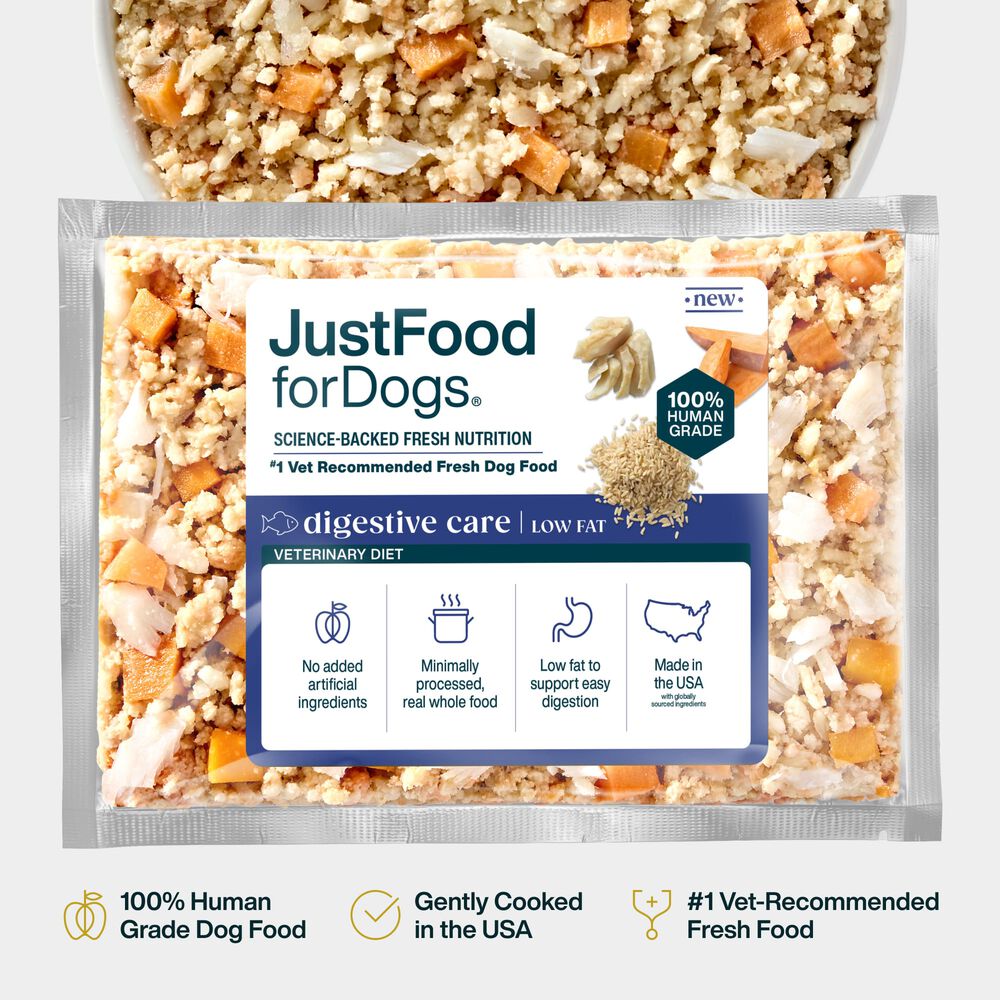
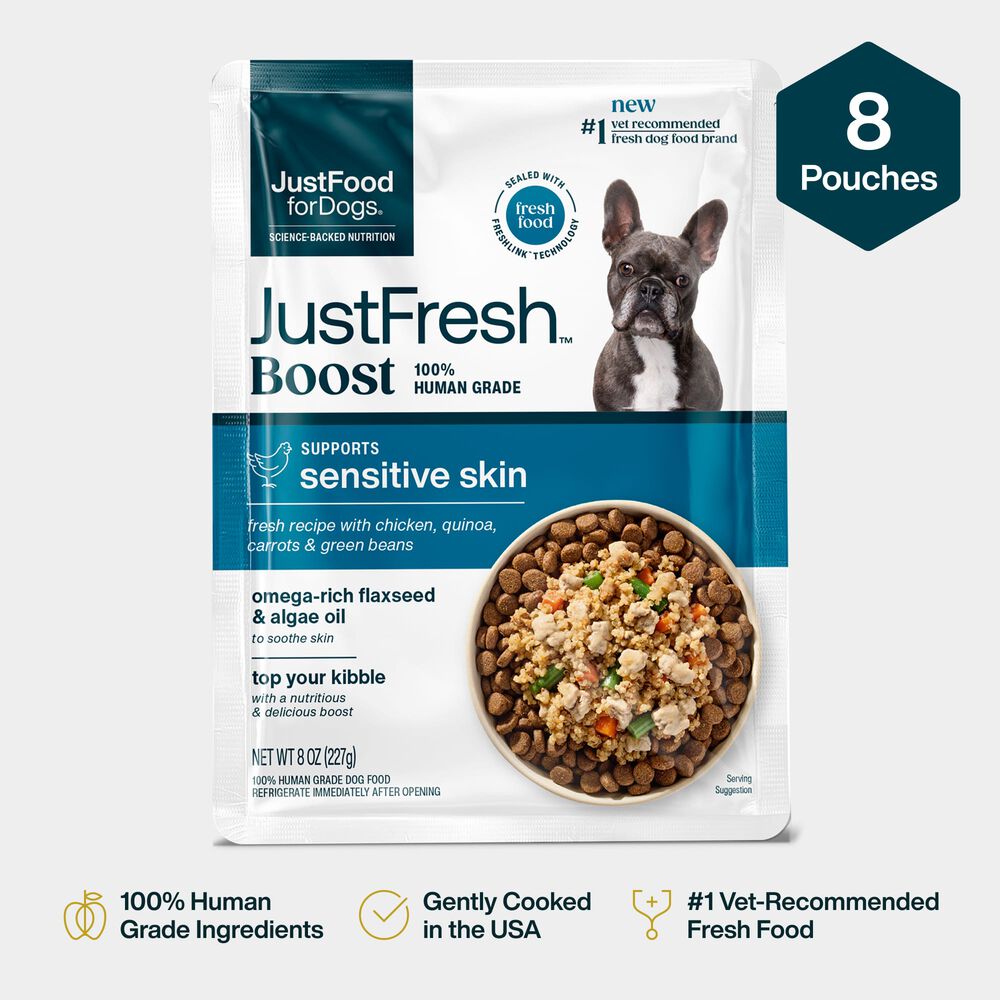
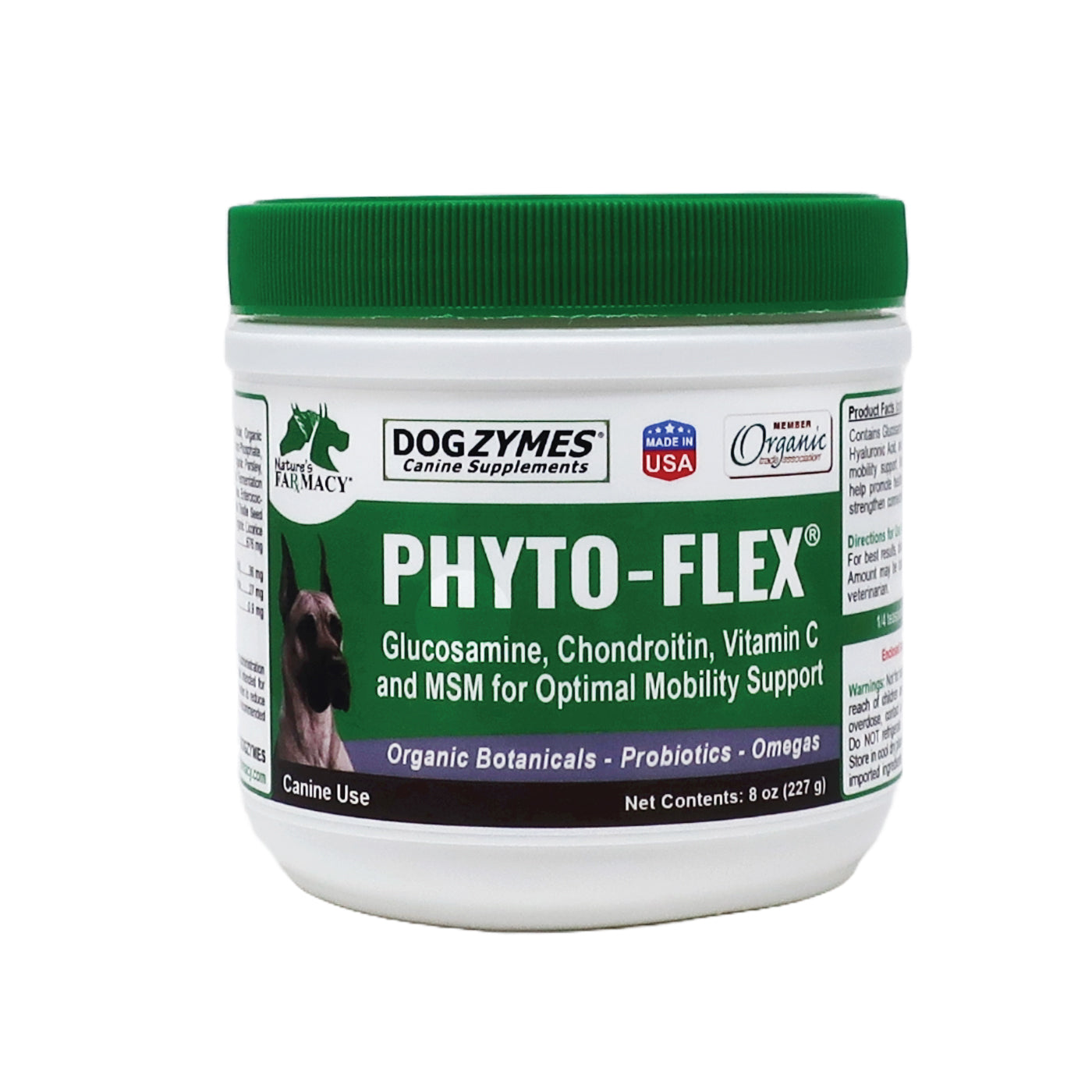
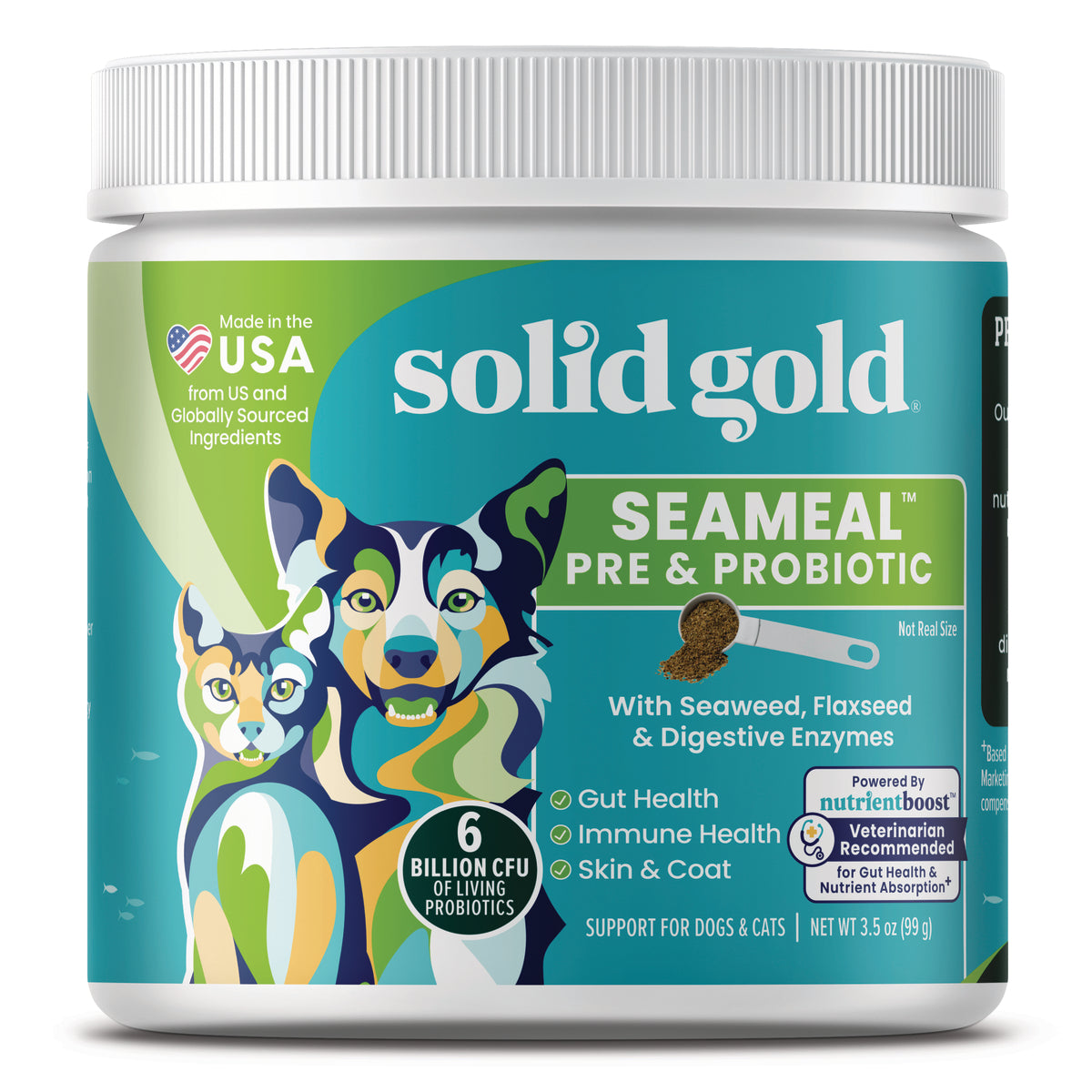
13 foods in the KibbleLab database contain Lemon, including Blue Buffalo, JustFoodForDogs, Nature's Farmacy.
Foods with Lemon
Alphabetical by brand. Scores run 0 to 10, higher is better, on published veterinary science.









Find the right food for your pet
Sign in free to sort and filter by score, and avoid or require Lemon in the Food Finder. Add KL+ to see these foods ranked for your pet's breed, age, and health focus.

 Continue with Google
 Continue with Facebook