Lemon Balm
5 foods contain this ingredient
This is an alphabetical list, not a ranking. Add KL+ to rank foods for your pet in the Food Finder.
About Lemon Balm
Lemon balm is a mint-family herb added to pet foods and treats in small amounts for its lemony aroma and traditional calming reputation.
Lemon balm is a culinary herb used in pet foods and supplements as a botanical additive for mild calming and digestive support, supplying aromatic essential oils and antioxidant compounds rather than calories or standard nutrients. It is generally considered safe in small amounts for dogs and cats and may help reduce mild anxiety or gastrointestinal upset, but evidence is limited and large doses or use alongside sedatives or certain medications can cause excessive drowsiness or interactions, so consult your veterinarian before regular use.
- Derived from
- Melissa officinalis leaf
- Primary role
- aromatic herb, calming botanical
Why it's used
Formulators add lemon balm mainly for its scent and its long history in herbal traditions as a mild nervine, using leaf material or extract at low inclusion rather than as a nutrient source. It contributes volatile essential-oil compounds such as citronellal and citral, along with the non-volatile phenolic rosmarinic acid, rather than protein, fat, or minerals.
Common concerns
- Limited controlled research Most claims about lemon balm easing anxiety or digestive upset in dogs and cats come from traditional herbal use rather than controlled veterinary trials in companion animals.
- Interaction with sedatives or thyroid medication Because lemon balm has documented sedative and thyroid-modulating activity in other contexts, combining it with sedative drugs or thyroid medication is a discussion point for a veterinarian rather than something to manage alone.
- Species difference in reporting The ASPCA lists lemon balm as non-toxic to dogs, cats, and horses, though some poison-control sources note that unusually large ingestions in cats have been associated with digestive upset.
Also relevant
Lemon balm is a different plant from lemongrass and from lemon (Citrus), so ASPCA plant listings should be checked by the specific common name.
Common Questions
What category is Lemon Balm?
Lemon Balm is categorized as a herb ingredient in the KibbleLab database.
Is Lemon Balm part of an allergen group?
No allergen group is linked to Lemon Balm in the KibbleLab database.
Which foods contain Lemon Balm?
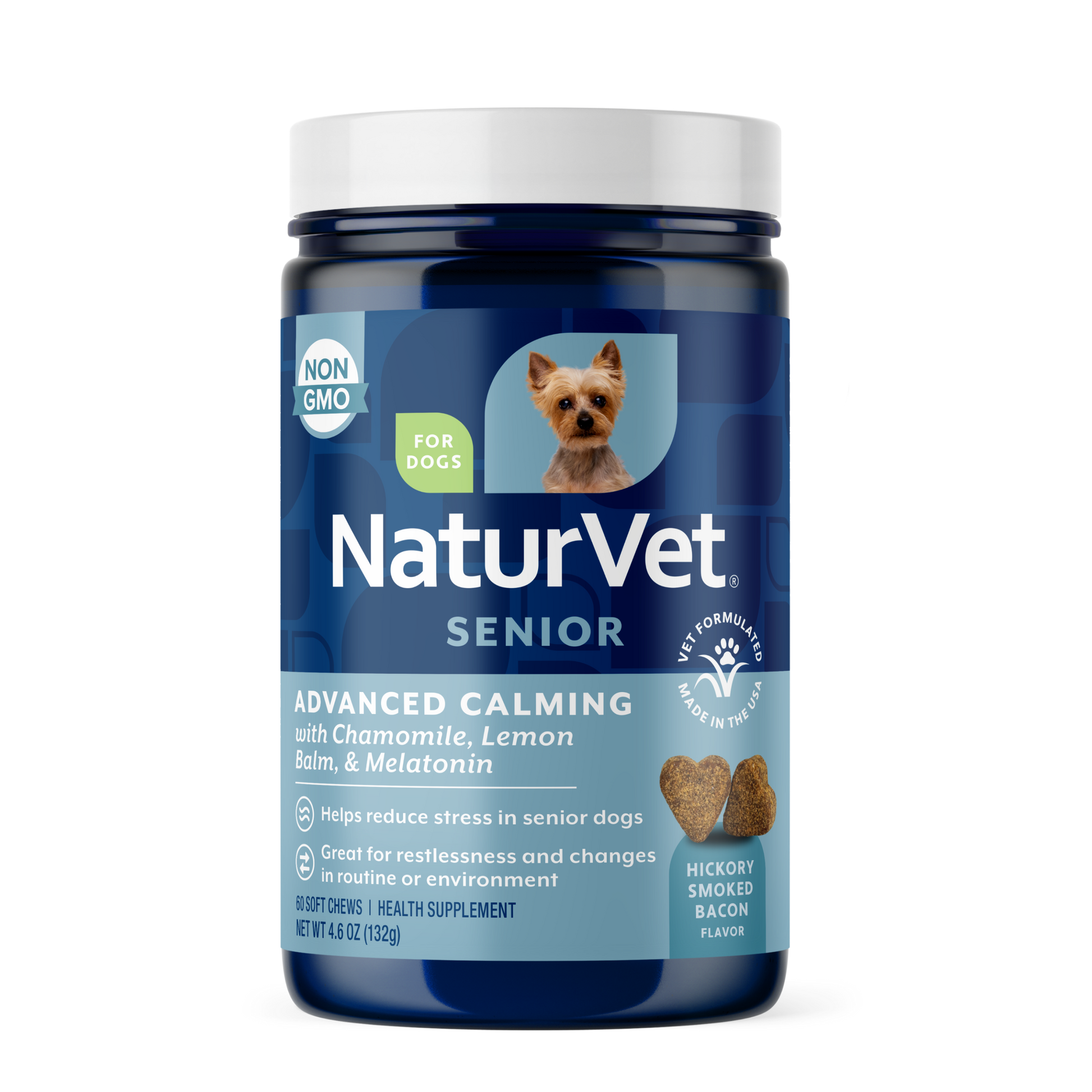
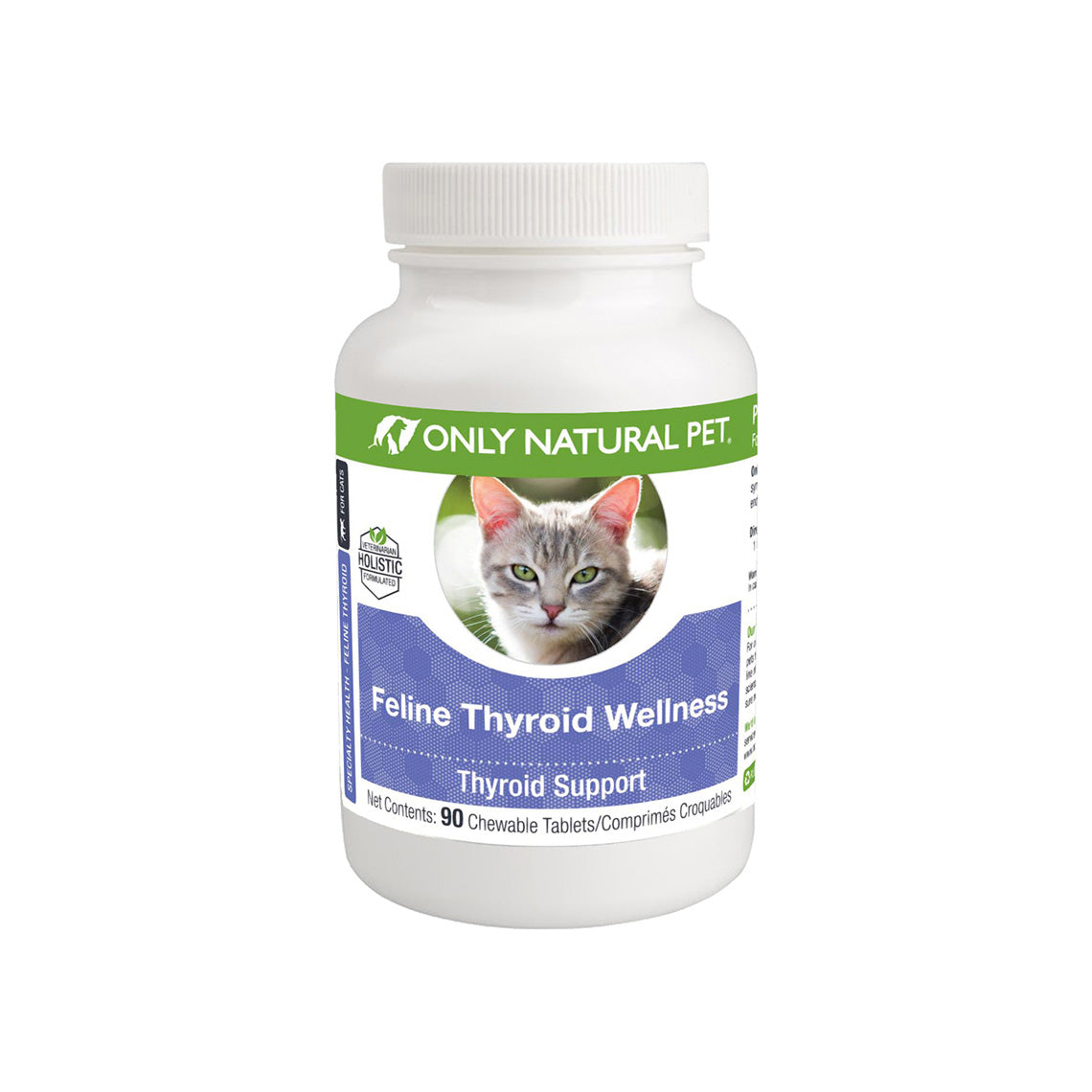
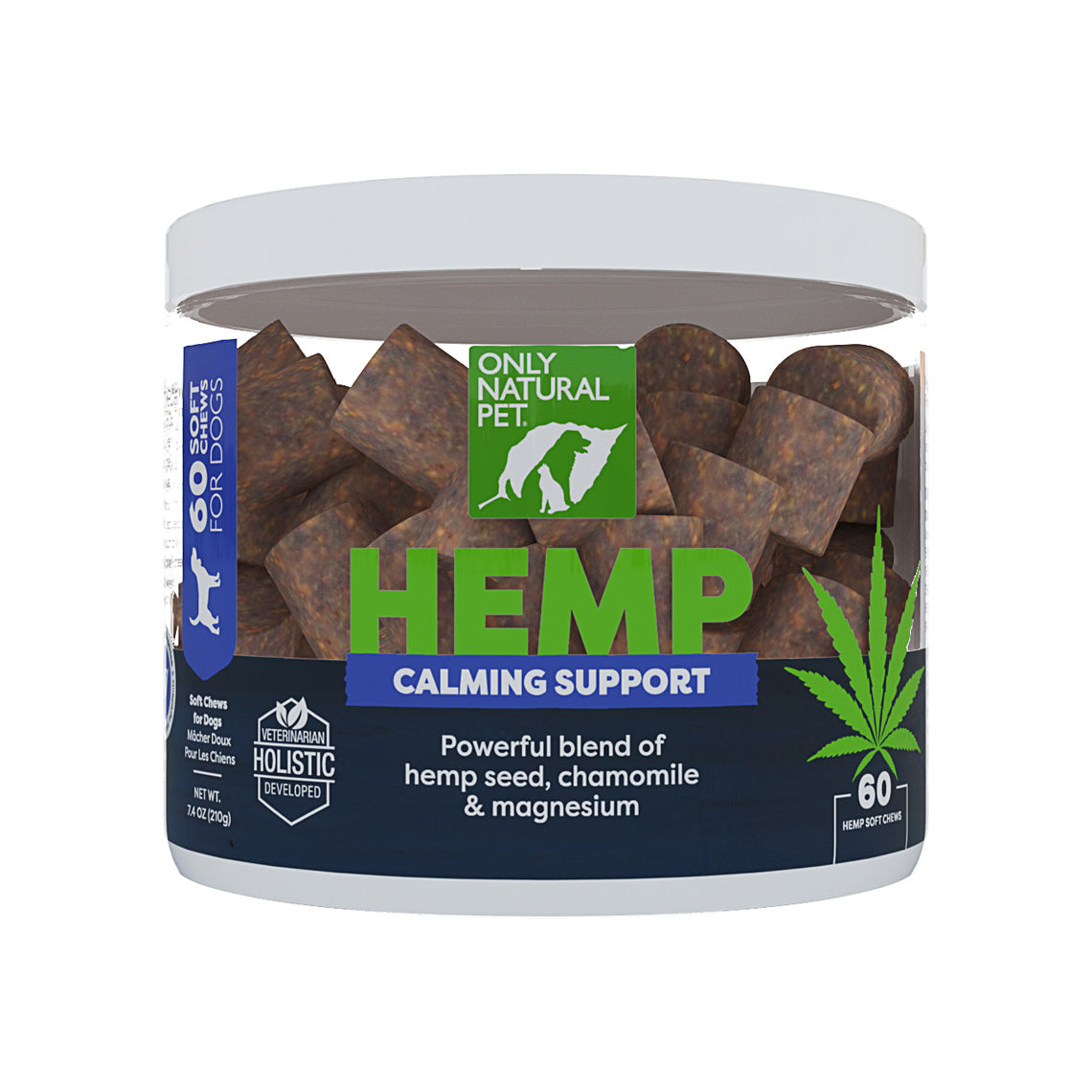
5 foods in the KibbleLab database contain Lemon Balm, including Earth Animal, NaturVet, Only Natural Pet.
Foods with Lemon Balm
Alphabetical by brand. Scores run 0 to 10, higher is better, on published veterinary science.


Find the right food for your pet
Sign in free to sort and filter by score, and avoid or require Lemon Balm in the Food Finder. Add KL+ to see these foods ranked for your pet's breed, age, and health focus.

 Continue with Google
 Continue with Facebook