Lobster
7 foods contain this ingredient
This is an alphabetical list, not a ranking. Add KL+ to rank foods for your pet in the Food Finder.
About Lobster
Lobster shows up in some premium and limited-ingredient pet foods as a seafood protein meant to stand in for more common meats.
Lobster is used in pet foods primarily as a high‑quality seafood protein and palatability enhancer in premium or limited‑ingredient formulas, providing complete animal amino acids plus B vitamins, selenium, zinc and modest amounts of omega‑3 fatty acids. While it can serve as a novel protein for dogs and cats, manufacturers should remove shells and bones and properly cook/process the meat to avoid choking, contamination or shellfish allergy risks, and owners should be aware lobster may be higher in sodium and cost than common protein sources.
Related ingredients
- Derived from
- Lobster meat, meal, or broth from clawed lobsters (Nephropidae) or, less commonly, spiny lobsters (Palinuridae)
- Primary role
- novel animal protein and palatability enhancer
Why it's used
Formulators use lobster as a way to offer a protein source dogs and cats haven't typically been exposed to through chicken- or beef-based diets, on the reasoning that a less familiar protein is less likely to trigger a reaction in an animal already sensitized to common proteins. It also adds a strong palatability signal in recipes marketed as premium.
Common concerns
- Cross-reactivity with other shellfish Research on shellfish allergens notes that tropomyosin, the major muscle protein behind most shellfish reactions, is similar across crustacean species, so an animal reactive to shrimp or crab could plausibly react to lobster as well even without prior lobster exposure.
- Overall rarity of shellfish allergy in dogs Veterinary allergy literature identifies shellfish reactions as uncommon in dogs compared to allergens like chicken, beef, dairy, and egg, which is part of why lobster gets marketed as a novel protein option.
- Shell and bone fragments Because lobster shell is hard and can splinter, manufacturers grind or process ingredients so the finished product does not contain large sharp shell fragments, though ground shell material can be part of some crustacean meals.
Also relevant
Sodium content in seafood-based recipes can run higher than in poultry- or beef-based formulas, which is a consideration for pets on a sodium-restricted diet prescribed by a veterinarian.
Common Questions
What category is Lobster?
Lobster is categorized as a protein ingredient in the KibbleLab database.
Is Lobster part of an allergen group?
Yes. Lobster is grouped under the Shellfish allergen group in the KibbleLab database.
Which foods contain Lobster?
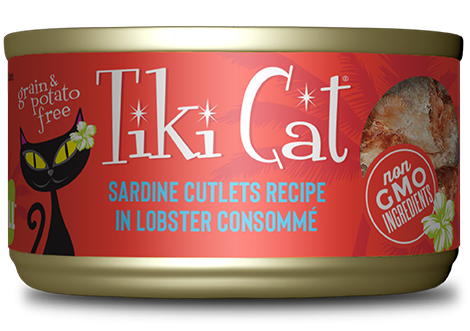
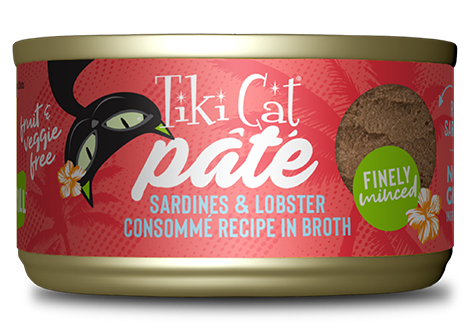
7 foods in the KibbleLab database contain Lobster, including Almo Nature, Temptations, Tiki Pets.
Foods with Lobster
Alphabetical by brand. Scores run 0 to 10, higher is better, on published veterinary science.








Find the right food for your pet
Sign in free to sort and filter by score, and avoid or require Lobster in the Food Finder. Add KL+ to see these foods ranked for your pet's breed, age, and health focus.

 Continue with Google
 Continue with Facebook