Marigold
242 foods contain this ingredient
This is an alphabetical list, not a ranking. Add KL+ to rank foods for your pet in the Food Finder.
About Marigold
Marigold refers to flower extracts, usually Tagetes erecta or Calendula officinalis, added to pet products for pigment or topical soothing use.
Marigold is used in pet foods mainly as a natural colorant and as a source of carotenoids (notably lutein and zeaxanthin), offering mild antioxidant and anti‑inflammatory properties. These compounds can support ocular health and contribute to skin/coat pigmentation in dogs and cats, but marigold is a supplemental ingredient rather than a primary nutrient and should be sourced and dosed carefully to avoid contamination or rare allergic and gastrointestinal reactions.
Related ingredients
- Derived from
- petals of Tagetes or Calendula marigold flowers
- Primary role
- natural colorant and carotenoid source
Why it's used
Extracts standardized for lutein and zeaxanthin from Tagetes erecta are established in poultry feed to deepen the yellow color of skin and egg yolk, and the same carotenoids are marketed in pet products for eye and skin support. Calendula officinalis, a related but distinct species also called pot marigold, is used separately as a topical anti-inflammatory, and its petals also serve as a culinary colorant.
Common concerns
- Species confusion ASPCA plant guides distinguish garden marigold (Tagetes) from pot marigold (Calendula) and other 'holligold' varieties, since identification affects what is known about a given plant's effects on pets.
- Allergic reaction VCA Animal Hospitals advises stopping calendula products and contacting a veterinarian if a pet shows an allergic reaction such as swelling, rash, or trouble breathing, and notes pets allergic to ragweed, chrysanthemums, or daisies may also react to calendula.
- Limited nutritional role As used in commercial pet food, marigold-derived carotenoids function as a coloring or supplemental antioxidant rather than a source of protein, fat, or essential nutrients.
Also relevant
A veterinarian can advise whether a specific marigold-derived supplement is appropriate for a pet with known plant allergies.
Common Questions
What category is Marigold?
Marigold is categorized as a herb ingredient in the KibbleLab database.
Is Marigold part of an allergen group?
No allergen group is linked to Marigold in the KibbleLab database.
Which foods contain Marigold?
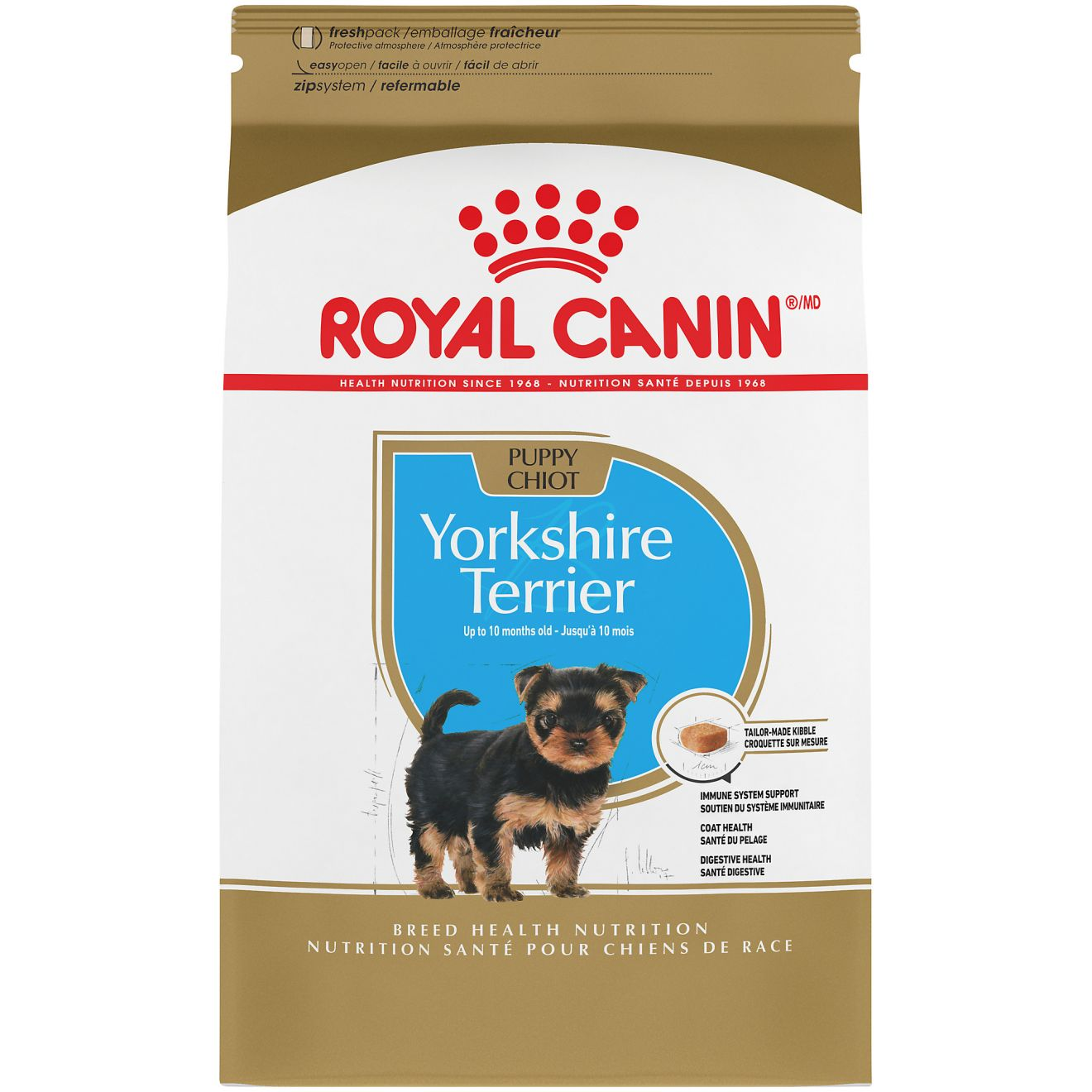
242 foods in the KibbleLab database contain Marigold, including Royal Canin, Zesty Paws.
Foods with Marigold
Alphabetical by brand. Scores run 0 to 10, higher is better, on published veterinary science.


Find the right food for your pet
Sign in free to sort and filter by score, and avoid or require Marigold in the Food Finder. Add KL+ to see these foods ranked for your pet's breed, age, and health focus.

 Continue with Google
 Continue with Facebook