Mutton
3 foods contain this ingredient
This is an alphabetical list, not a ranking. Add KL+ to rank foods for your pet in the Food Finder.
About Mutton
Mutton comes from adult sheep rather than young lambs and shows up in pet food as a dense animal protein with a stronger flavor and typically more fat.
Mutton is the meat of mature sheep used in pet foods as a high-quality animal protein source providing essential amino acids, fats and minerals that support maintenance, muscle health and palatability for dogs and cats. It can serve as an alternative protein in limited-ingredient formulas but is often higher in fat and connective tissue than younger lamb, so owners should monitor calories and fat (important for pets prone to pancreatitis), consider potential red‑meat allergies, and ensure the diet is properly processed and balanced to meet species-specific nutrient needs.
- Derived from
- meat of mature sheep (typically over about two years old; meat from sheep aged roughly one to two years is called hogget)
- Primary role
- animal protein source, amino acid and fat contributor
Why it's used
As a mature-animal meat, mutton delivers a full amino acid profile along with fat and minerals, and its richer flavor compared to lamb can boost palatability in formulas built around sheep protein. It is also used in limited-ingredient diets where a single, clearly labeled protein source is the formulation goal.
Common concerns
- Fat content and pancreatitis discussions Sheep meat, and cuts like flank, neck, or shoulder in particular, tend to run higher in fat, which veterinary sources flag as a factor to watch for dogs prone to pancreatitis or needing lower fat intake.
- Declining novelty as an allergen-elimination protein VCA notes that a novel protein needs to be one the individual dog has not previously eaten, and lamb and sheep-derived proteins have become common enough in mainstream pet food that many dogs no longer qualify them as novel for elimination diet trials.
- Individual protein sensitivity As with any single animal protein, some dogs can develop a sensitivity to sheep-derived proteins after repeated exposure, which is part of why rotation and elimination trials exist as a diagnostic tool.
Also relevant
Because mutton and lamb come from the same species at different ages, a dog previously exposed to one may still react to the other, since the underlying proteins overlap.
3 sources cited
- Higher-fat cuts of sheep meat and the pancreatitis consideration for dogs
- Definition of novel protein as one not previously eaten by the individual dog
- Lamb historically considered a novel protein but increasingly used as a mainstream alternative to chicken or beef, alongside rising reports of sensitivity
Common Questions
What category is Mutton?
Mutton is categorized as a protein ingredient in the KibbleLab database.
Is Mutton part of an allergen group?
Yes. Mutton is grouped under the Red Meat allergen group in the KibbleLab database.
Which foods contain Mutton?
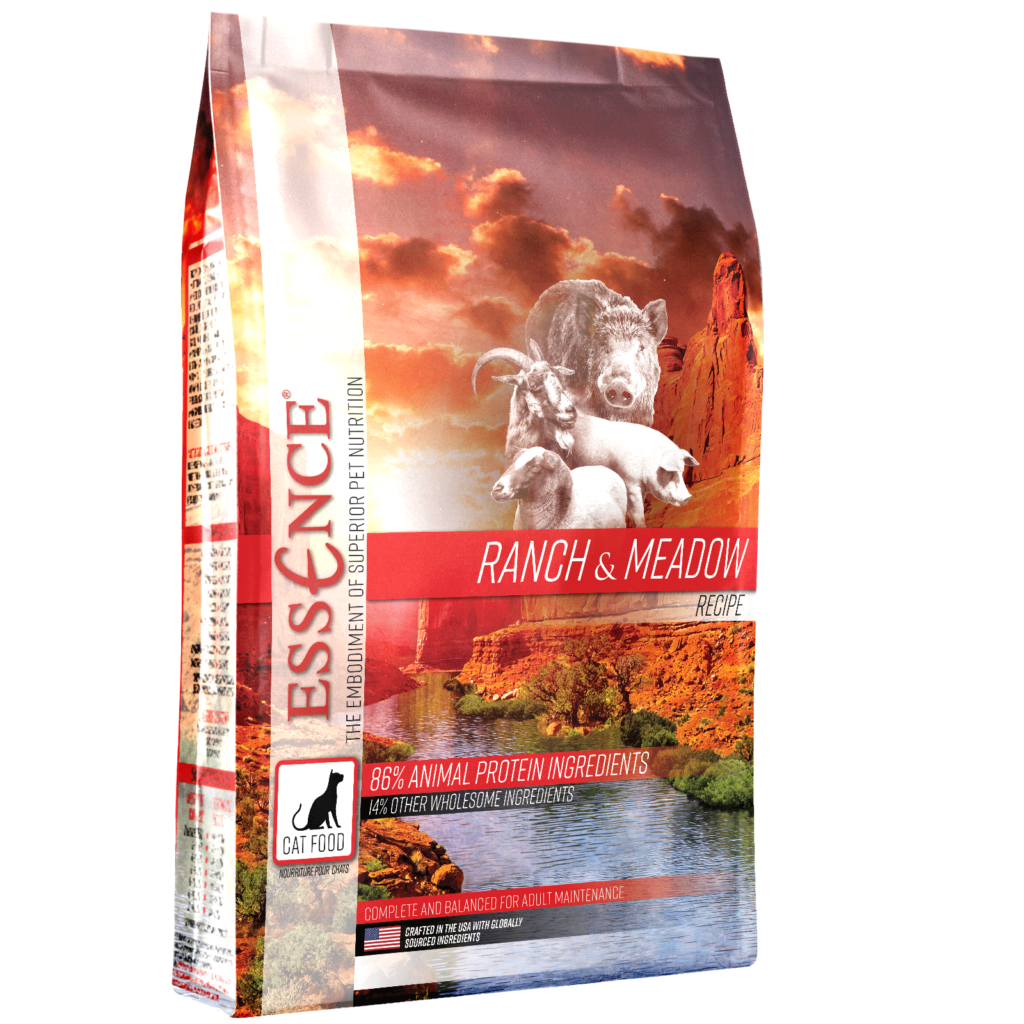
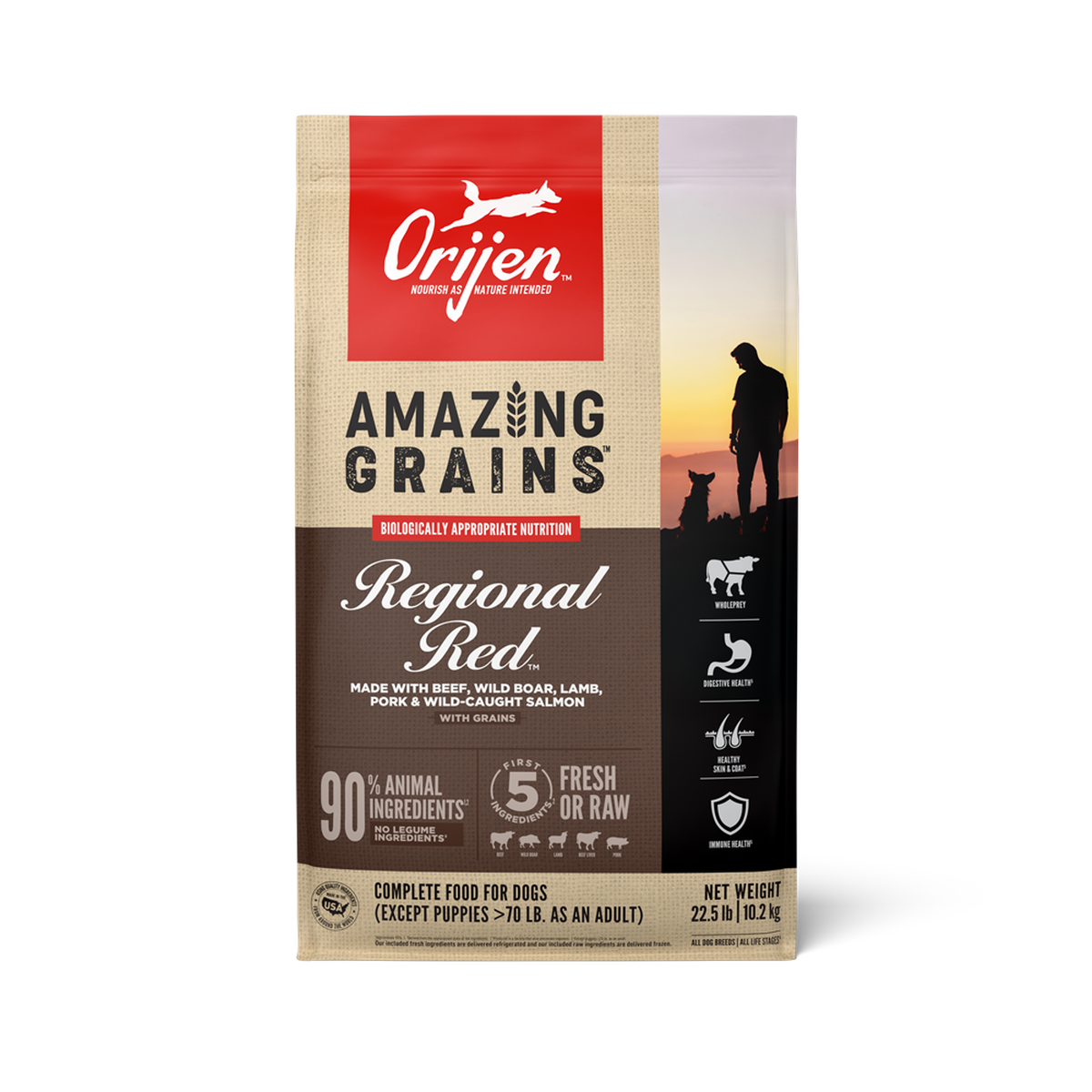
3 foods in the KibbleLab database contain Mutton, including Essence, Orijen, PetKind.
Foods with Mutton
Alphabetical by brand. Scores run 0 to 10, higher is better, on published veterinary science.

Find the right food for your pet
Sign in free to sort and filter by score, and avoid or require Mutton in the Food Finder. Add KL+ to see these foods ranked for your pet's breed, age, and health focus.

 Continue with Google
 Continue with Facebook