Parsnip
2 foods contain this ingredient
This is an alphabetical list, not a ranking. Add KL+ to rank foods for your pet in the Food Finder.
About Parsnip
Parsnip is a pale root vegetable added to pet food mainly to contribute soluble fiber and natural carbohydrate rather than protein.
Parsnip is a starchy root vegetable used in pet foods as a source of soluble and insoluble fiber, natural carbohydrates, and micronutrients like vitamin C and potassium, often added for texture, fiber content, and palatability. It can support normal digestion when cooked and fed in moderation, but because it is relatively high in carbohydrates and can be harder to digest raw, it should be given sparingly—particularly to cats (obligate carnivores), overweight pets, or animals with diabetes—and never seasoned with onion or garlic.
- Derived from
- root vegetable (Pastinaca sativa)
- Primary role
- fiber and carbohydrate source, texture and palatability
Why it's used
Parsnip's soluble fiber forms a gel-like substance in the digestive tract that slows gastric emptying, which formulators use to support stool quality and satiety signaling. It also contributes small amounts of vitamin C, potassium, and antioxidant compounds, though dogs and cats synthesize their own vitamin C and do not have an AAFCO dietary requirement for it.
Common concerns
- Digestibility raw versus cooked Raw parsnip is more fibrous and harder to break down, so it is typically cooked before use in commercial diets or home-prepared meals.
- Carbohydrate load As a starchy vegetable, parsnip adds digestible carbohydrate calories that owners of overweight dogs or dogs with diabetes may want to factor into overall diet planning with a veterinarian.
- Not a complete nutrient source for cats Cats are obligate carnivores with limited ability to use plant carbohydrates, so parsnip functions as a minor fiber contributor rather than a core nutrient source in feline diets.
Also relevant
Parsnip is part of the same plant family as carrots and celery, so pets with a documented sensitivity to those vegetables may warrant a cautious introduction, per a veterinarian's guidance.
3 sources cited
- Parsnip's fiber is largely soluble and forms a gel that slows digestion and can support satiety
- There is no AAFCO dietary requirement for vitamin C in dogs or cats because they synthesize it endogenously
- General nutrient requirement framework for dogs and cats, including carbohydrate and fiber handling
Common Questions
What category is Parsnip?
Parsnip is categorized as a vegetable ingredient in the KibbleLab database.
Is Parsnip part of an allergen group?
No allergen group is linked to Parsnip in the KibbleLab database.
Which foods contain Parsnip?
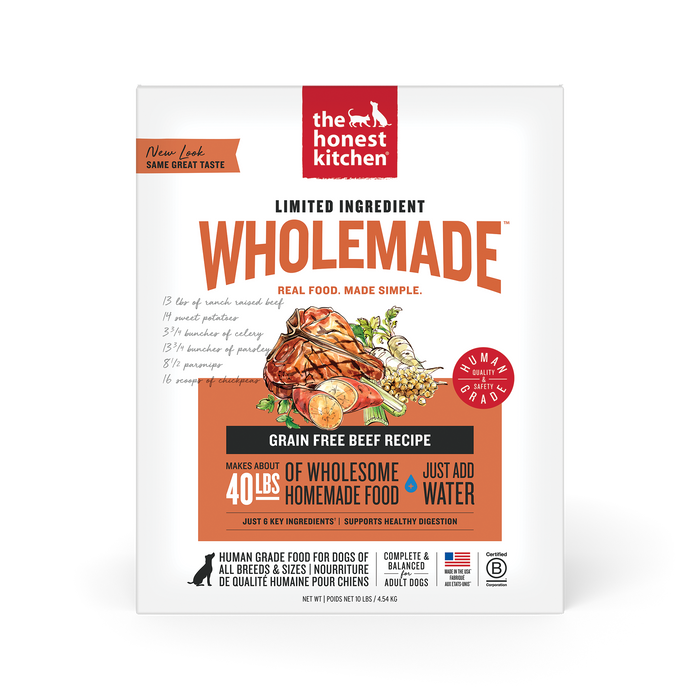
2 foods in the KibbleLab database contain Parsnip, including The Honest Kitchen.
Foods with Parsnip
Alphabetical by brand. Scores run 0 to 10, higher is better, on published veterinary science.


Find the right food for your pet
Sign in free to sort and filter by score, and avoid or require Parsnip in the Food Finder. Add KL+ to see these foods ranked for your pet's breed, age, and health focus.

 Continue with Google
 Continue with Facebook