Red Chili Pepper
5 foods contain this ingredient
This is an alphabetical list, not a ranking. Add KL+ to rank foods for your pet in the Food Finder.
About Red Chili Pepper
Red chili pepper shows up in pet foods and treats in small amounts as a flavor or color additive rather than as a nutrient source.
Red chili pepper is used mainly as a flavoring or spice in pet foods and treats and can provide small amounts of vitamins and antioxidant compounds (such as vitamin C and carotenoids), but it is not an essential nutritional ingredient. Because capsaicin—the compound that makes chilies hot—can irritate the mouth, eyes and gastrointestinal tract and may cause vomiting, diarrhea or discomfort (and could exacerbate pancreatitis), spicy peppers should be avoided or used only in minimal, well-controlled amounts; cats and sensitive dogs are particularly prone to irritation and grooming can spread residues to the eyes or paws.
Related ingredients
- Derived from
- The fruit of Capsicum plants (a nightshade family member), used dried, powdered, or as an extract for flavoring or color
- Primary role
- Flavoring and minor source of vitamin C and carotenoid antioxidants; not an essential dietary component
Why it's used
Manufacturers add red chili pepper mainly for its flavor and color, and it can contribute small amounts of vitamin C and carotenoid antioxidant compounds. It has no established essential role in a pet's diet and is used at low inclusion levels rather than as a nutritional building block.
Common concerns
- Capsaicin irritation Capsaicin, the compound responsible for chili pepper's heat, activates pain receptors (TRPV1) in the mouth, throat, and digestive tract. In a controlled animal study, capsaicin doses in the tens of milligrams per kilogram caused tissue irritation and inflammation in the intestines, while lower doses did not produce the same tissue-level effects, showing the response is dose-dependent.
- Digestive upset Ingredient and veterinary consumer-health sources describe vomiting, diarrhea, drooling, and increased thirst as commonly reported reactions in dogs after eating spicy or capsaicin-containing foods.
- Cats are especially sensitive Cats lack the taste receptors that let them perceive capsaicin as a taste and instead experience it purely as irritation; consumer veterinary sources note that even small amounts of capsaicin-containing spice can irritate a cat's stomach.
- Pancreatitis association raised in consumer veterinary sources Some veterinary-affiliated consumer health sources discuss spicy or rich foods as a potential contributor to pancreatitis flare-ups in dogs, alongside other rich or fatty table foods, though this is discussed as an association rather than a proven direct cause specific to chili pepper.
Also relevant
Ornamental pepper plants (a related but distinct product from culinary dried chili pepper spice) are listed by the ASPCA as a toxic plant for dogs and cats, with solanine identified as the toxic principle and gastrointestinal disturbance, ulceration, seizures, depression, and shock as reported effects. This solanine-related plant toxicity is a separate mechanism from the capsaicin irritation discussed above and applies to the whole plant, not to the dried spice ingredient used in pet food.
4 sources cited
- Ornamental pepper plants are listed as toxic to dogs and cats, with solanine as the toxic principle and gastrointestinal, neurological, and shock-related signs
- Dose-dependent capsaicin effects on gastrointestinal tissue and gut microbiota in an animal model, including the specific dosages at which GI irritation and inflammation occurred versus did not
- Cats lack capsaicin taste perception and experience it as irritation rather than flavor
- Reported clinical signs in dogs after eating spicy/capsaicin-containing food, including vomiting, diarrhea, and drooling
Common Questions
What category is Red Chili Pepper?
Red Chili Pepper is categorized as a herb ingredient in the KibbleLab database.
Is Red Chili Pepper part of an allergen group?
No allergen group is linked to Red Chili Pepper in the KibbleLab database.
Which foods contain Red Chili Pepper?
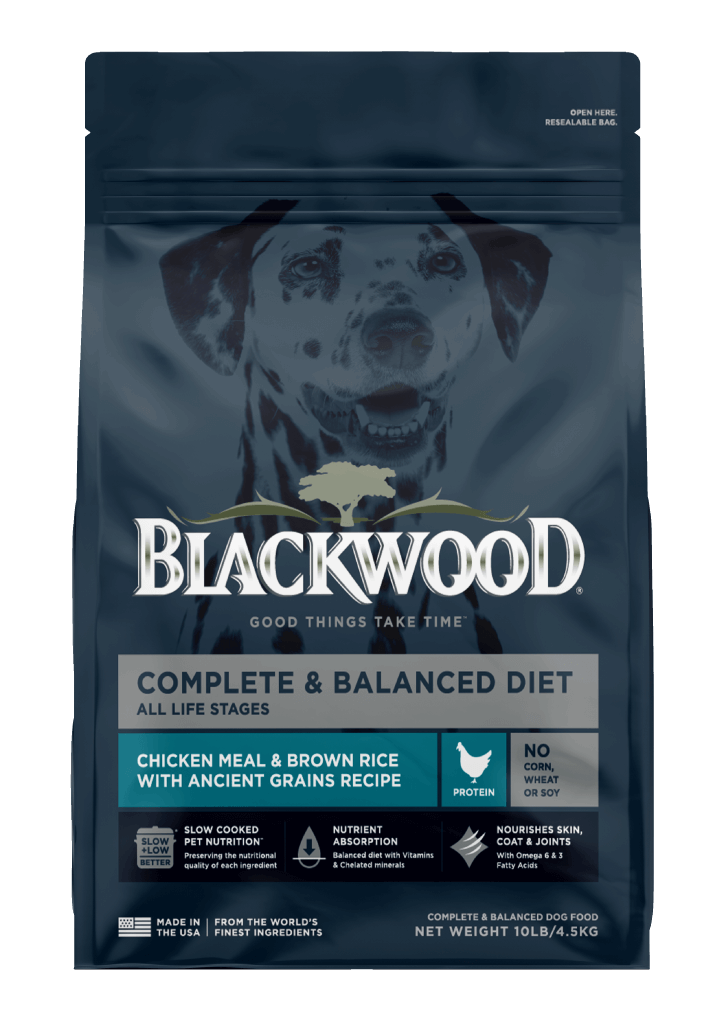
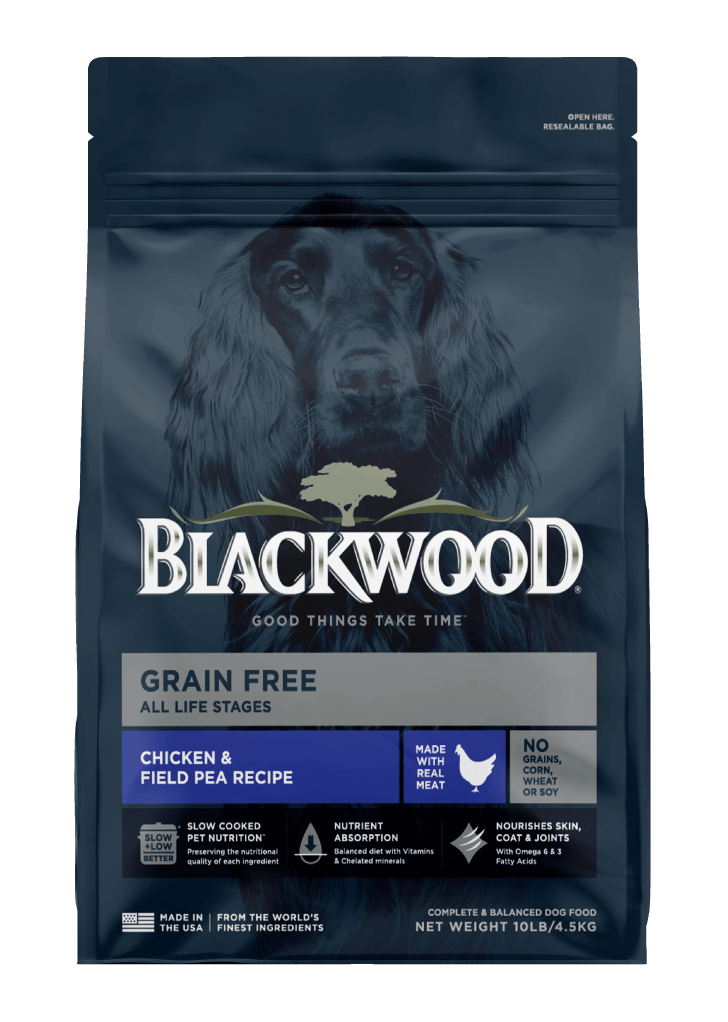
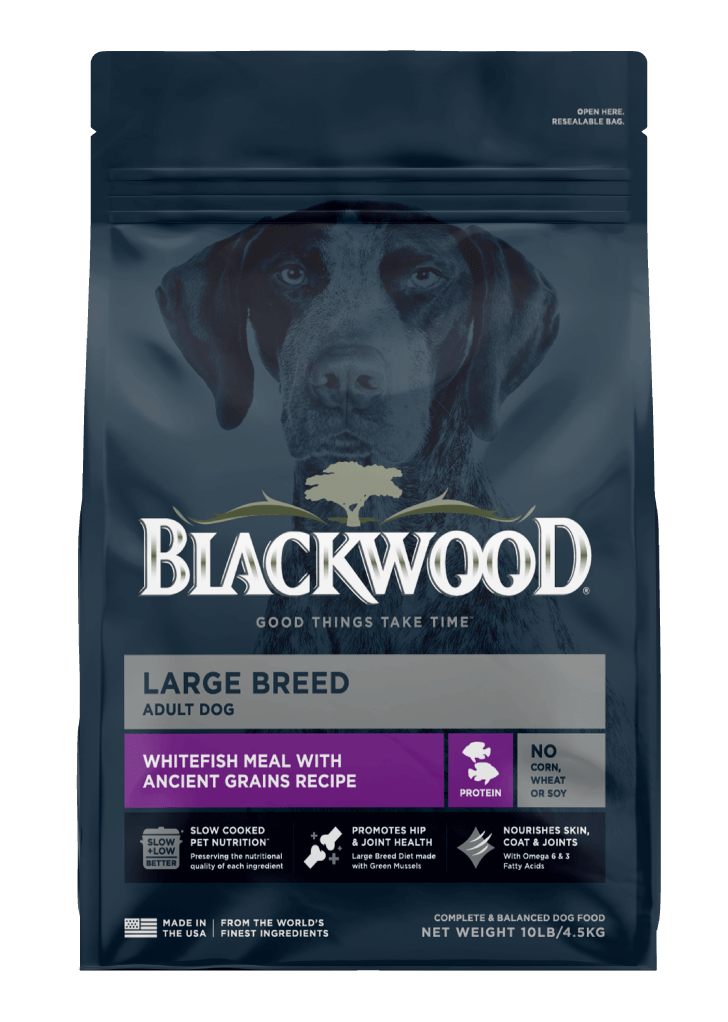
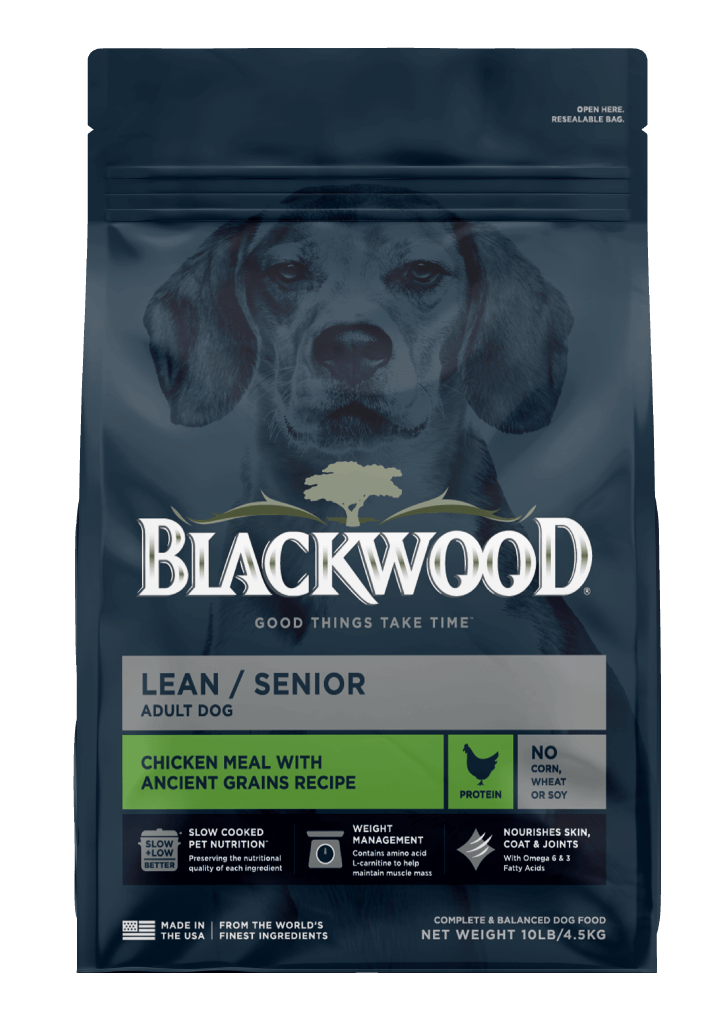
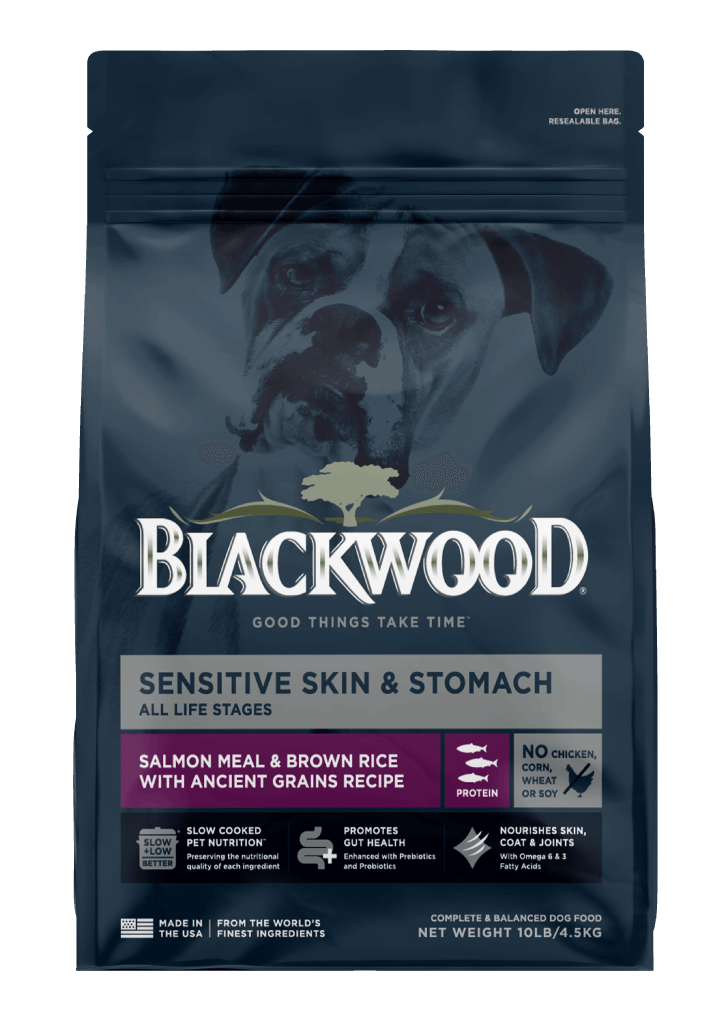
5 foods in the KibbleLab database contain Red Chili Pepper, including Blackwood.
Foods with Red Chili Pepper
Alphabetical by brand. Scores run 0 to 10, higher is better, on published veterinary science.

Find the right food for your pet
Sign in free to sort and filter by score, and avoid or require Red Chili Pepper in the Food Finder. Add KL+ to see these foods ranked for your pet's breed, age, and health focus.

 Continue with Google
 Continue with Facebook