Rehmannia
8 foods contain this ingredient
This is an alphabetical list, not a ranking. Add KL+ to rank foods for your pet in the Food Finder.
About Rehmannia
Rehmannia is the root of a Chinese foxglove plant, added to some pet supplements as a traditional herbal tonic rather than a nutrient source.
Rehmannia is a traditional Chinese herbal botanical sometimes included in pet foods or supplements as a functional ingredient or “tonic,” used for its purported support of kidney/adrenal health, immune function and mild anti-inflammatory effects rather than as a source of protein, fat or vitamins. Scientific evidence in dogs and cats is limited and benefits are largely extrapolated from human or laboratory studies, so there are considerations around product quality, possible herb–drug interactions and gastrointestinal sensitivity; use should be guided by a veterinarian, especially in pregnant animals or pets on medication.
Related ingredients
- Derived from
- root of Rehmannia glutinosa
- Primary role
- traditional herbal tonic, not a nutrient source
Why it's used
In Traditional Chinese Veterinary Medicine, prepared Rehmannia root is a foundational herb paired into formulas intended to support kidney and adrenal function, and it appears in some over-the-counter herbal blends marketed for aging pets. It contributes negligible protein, fat, or standard vitamins and is included for its purported herbal actions rather than as a nutrient source.
Common concerns
- Interaction with blood sugar medication Human herbal references note Rehmannia may lower blood glucose, raising the possibility of an additive effect if combined with insulin or other antidiabetic medications.
- Interaction with corticosteroids or immunosuppressants Herbal monographs list potential interaction between Rehmannia and corticosteroid or immunosuppressant drugs, which matters for pets already being treated for adrenal conditions like Cushing's or Addison's disease.
- Limited veterinary evidence Most claims about Rehmannia's benefits in dogs and cats are extrapolated from human traditional medicine and laboratory studies rather than controlled veterinary trials.
Also relevant
Because Rehmannia is often combined with other herbs in multi-ingredient TCVM formulas, a pet's full supplement list is relevant if a veterinarian is evaluating a possible herb-drug interaction.
3 sources cited
- Rehmannia is used in TCVM formulas to support kidney and adrenal function in dogs and cats
- Prepared Rehmannia root is made by steaming the raw root and is used in formulas for conditions such as Addison's disease
- Rehmannia may lower blood sugar and interact with antidiabetic drugs, corticosteroids, or immunosuppressants
Common Questions
What category is Rehmannia?
Rehmannia is categorized as a herb ingredient in the KibbleLab database.
Is Rehmannia part of an allergen group?
No allergen group is linked to Rehmannia in the KibbleLab database.
Which foods contain Rehmannia?
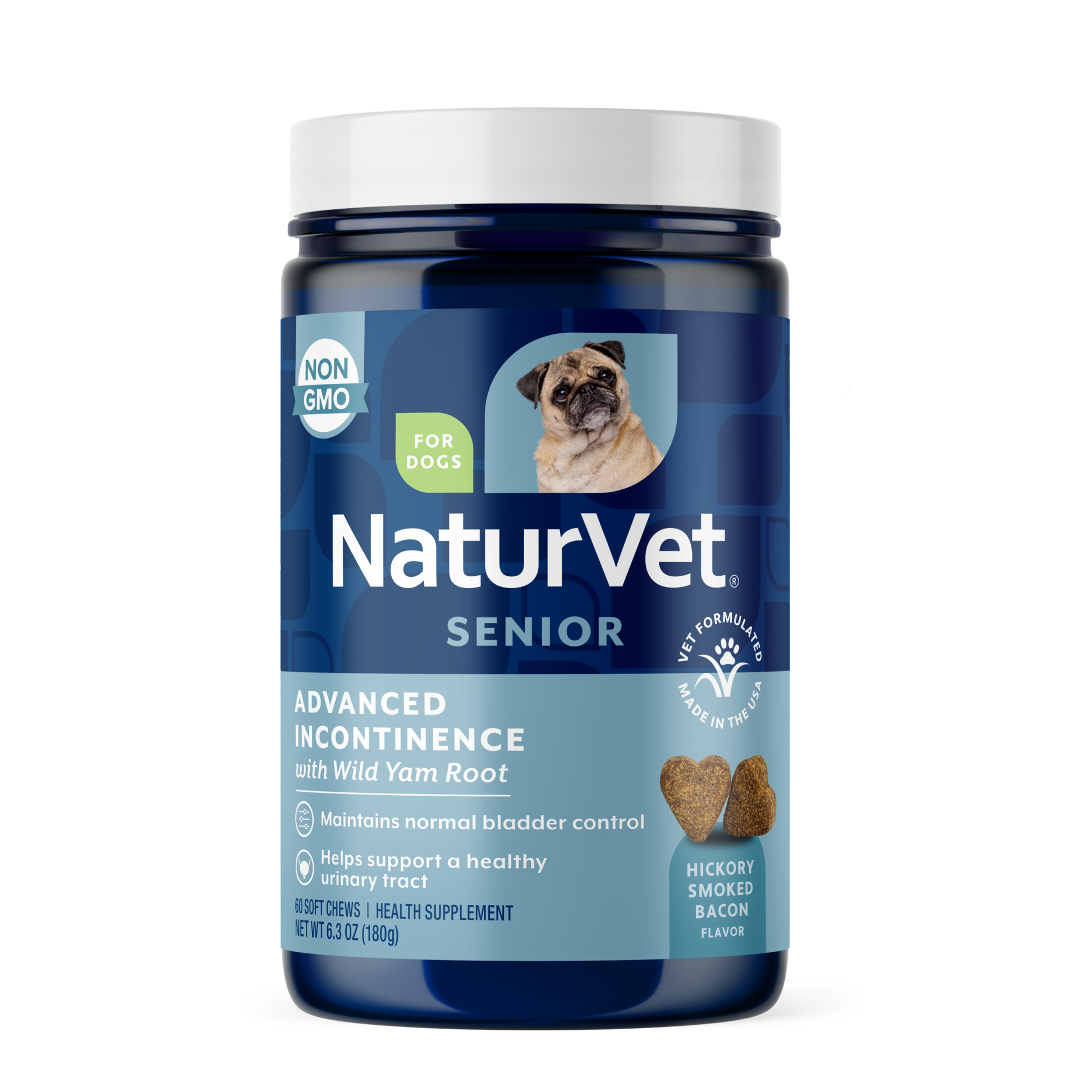
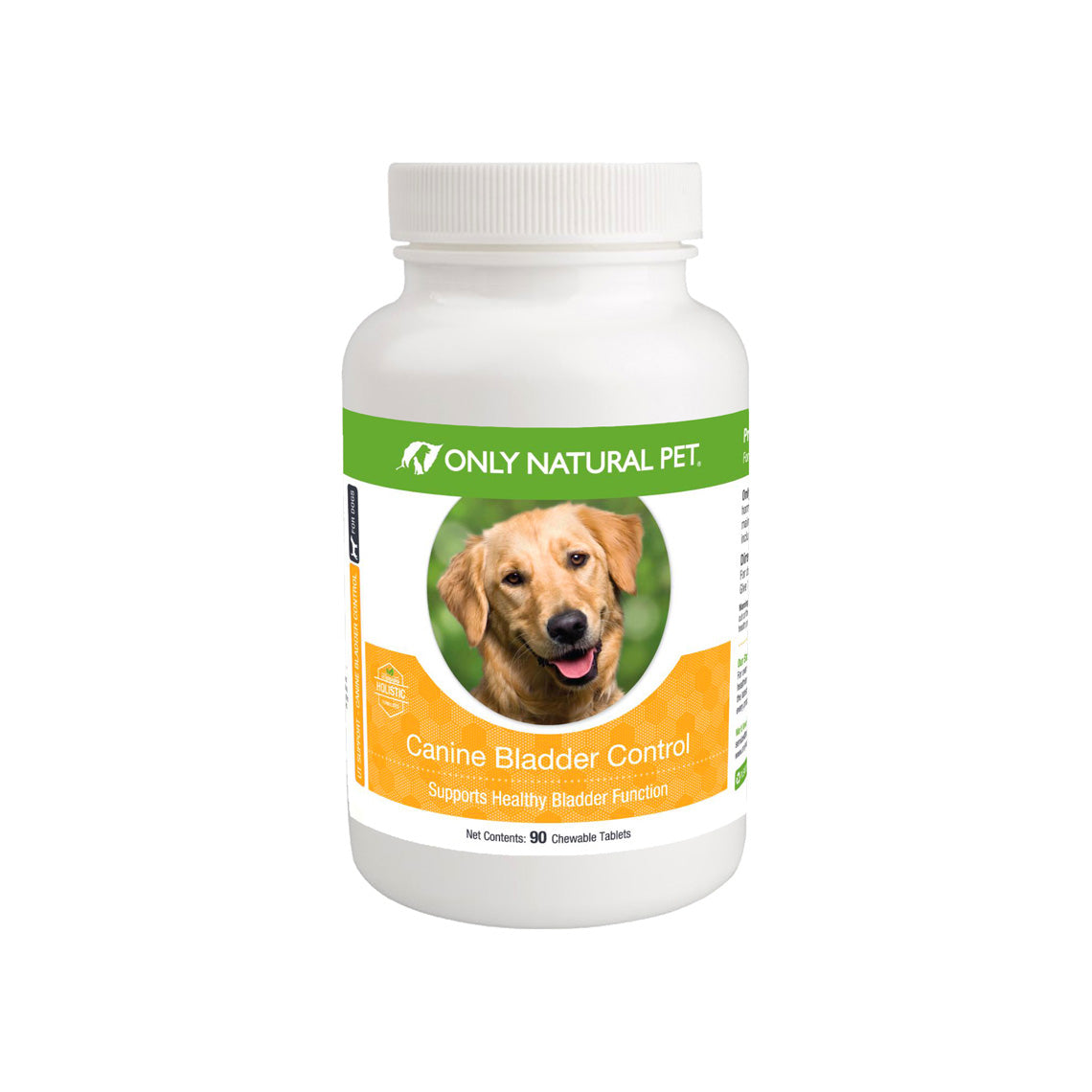
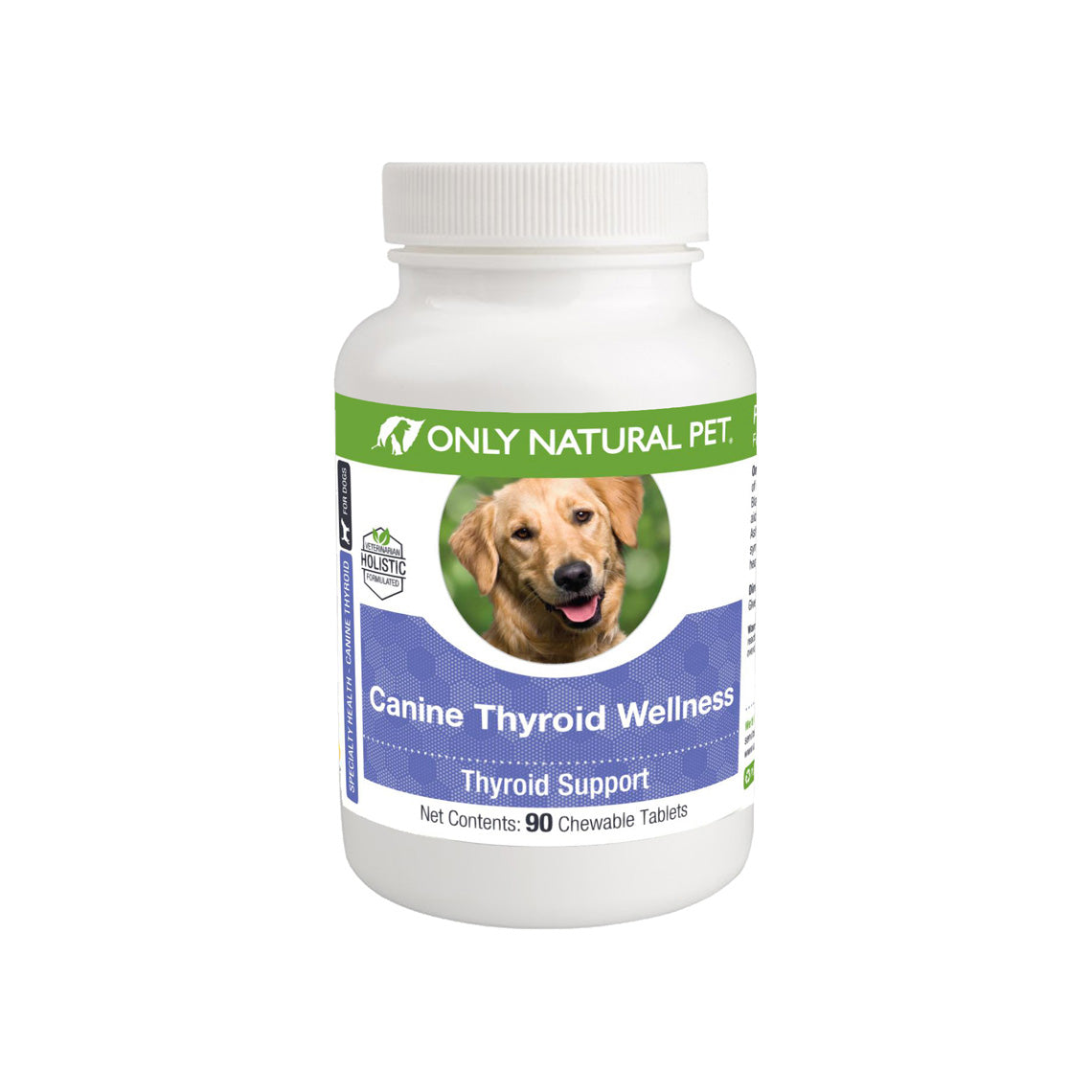
8 foods in the KibbleLab database contain Rehmannia, including Fera Pets, NaturVet, Nutri-Vet.
Foods with Rehmannia
Alphabetical by brand. Scores run 0 to 10, higher is better, on published veterinary science.




Find the right food for your pet
Sign in free to sort and filter by score, and avoid or require Rehmannia in the Food Finder. Add KL+ to see these foods ranked for your pet's breed, age, and health focus.

 Continue with Google
 Continue with Facebook