Sesame
17 foods contain this ingredient
This is an alphabetical list, not a ranking. Add KL+ to rank foods for your pet in the Food Finder.
About Sesame
Sesame refers to the small oil-rich seeds of Sesamum indicum, added to pet food for their fat, fiber, and mineral content.
Sesame is used in pet foods as a plant-based source of healthy fats, fiber, some protein, and micronutrients (including vitamin E, B vitamins, calcium and iron), and it can add flavor and texture to formulations. It may support skin and coat health via unsaturated fatty acids and antioxidants, but is calorie-dense, contains phytic acid that can reduce mineral bioavailability, can be a potential allergen for some animals, and is not a substitute for essential animal-derived nutrients (such as taurine for cats).
Related ingredients
- Derived from
- seeds of the sesame plant (Sesamum indicum)
- Primary role
- plant fat, fiber, and micronutrient source
Why it's used
Sesame seeds contribute unsaturated fats, plant protein, and minerals like calcium and iron to a formulation, and their oil is sometimes used for palatability or texture. Because the seeds are calorie-dense, they are typically included in small amounts rather than as a primary ingredient.
Common concerns
- Phytic acid Sesame's hull contains phytic acid, a compound documented to bind minerals such as iron, zinc, and calcium and reduce how much of them the body can absorb from a meal.
- Allergenicity Sesame is recognized as one of the more common human food allergens, and while documented reactions in dogs and cats are far less frequent, individual pets can still react to any protein source, including plant seeds.
- Not a taurine source As a plant ingredient, sesame does not supply taurine or other animal-derived nutrients that cats require, so it cannot substitute for the animal protein portion of a diet.
Also relevant
Roasting and processing sesame seeds before use in food manufacturing is documented to lower their phytic acid content compared with raw seeds.
Common Questions
What category is Sesame?
Sesame is categorized as a vegetable ingredient in the KibbleLab database.
Is Sesame part of an allergen group?
No allergen group is linked to Sesame in the KibbleLab database.
Which foods contain Sesame?
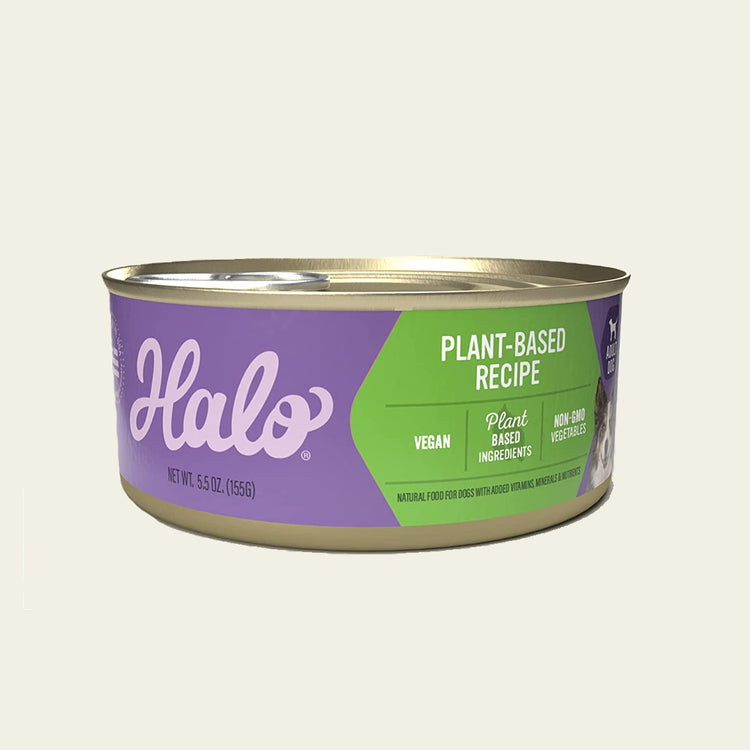
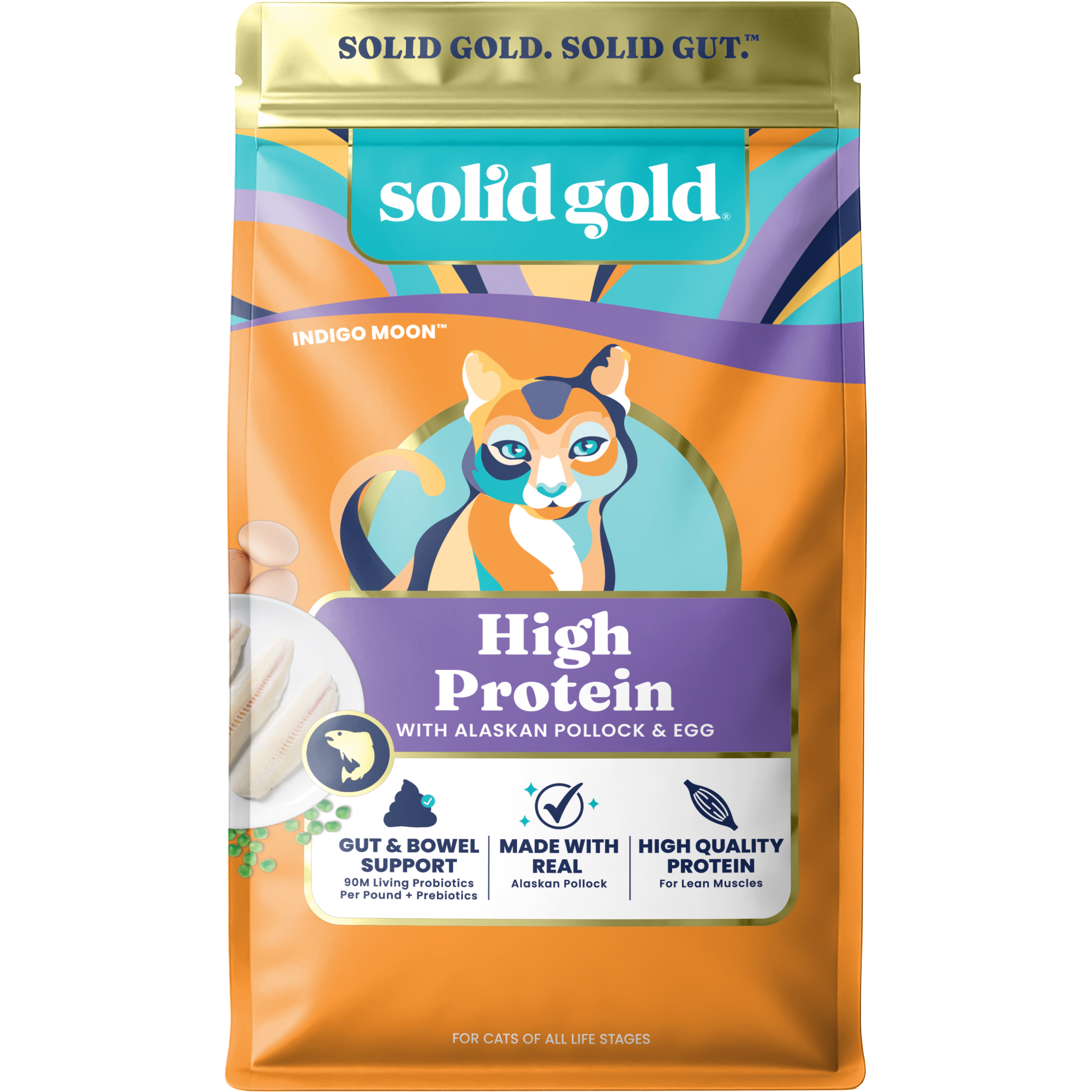
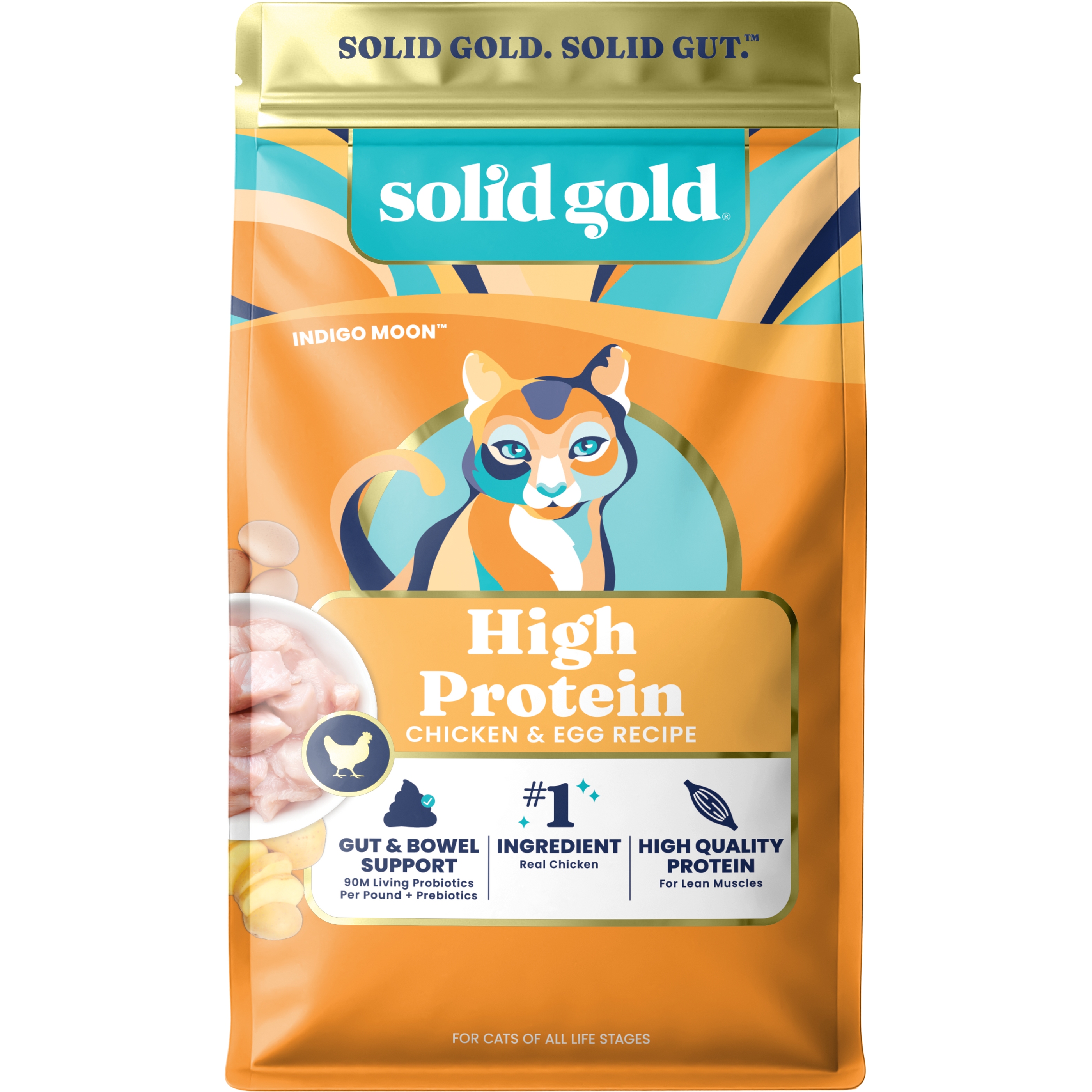
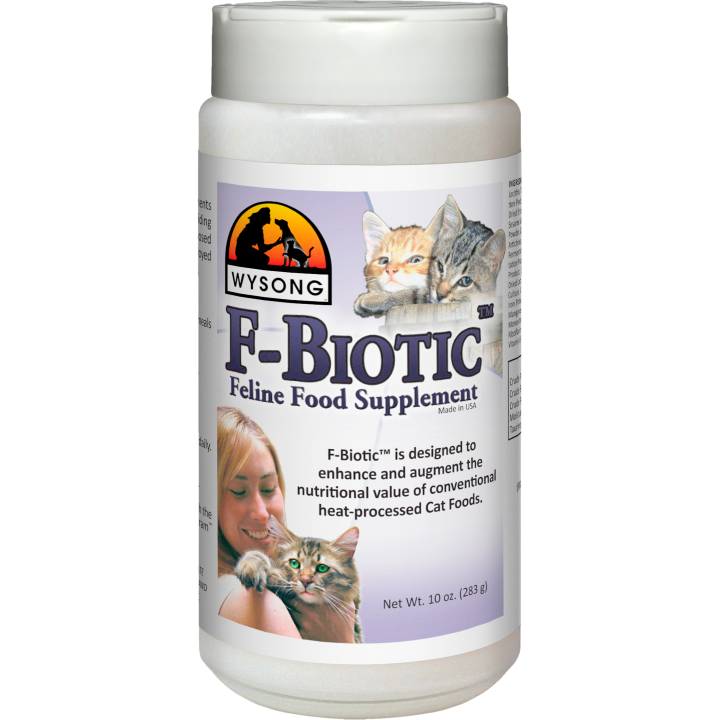
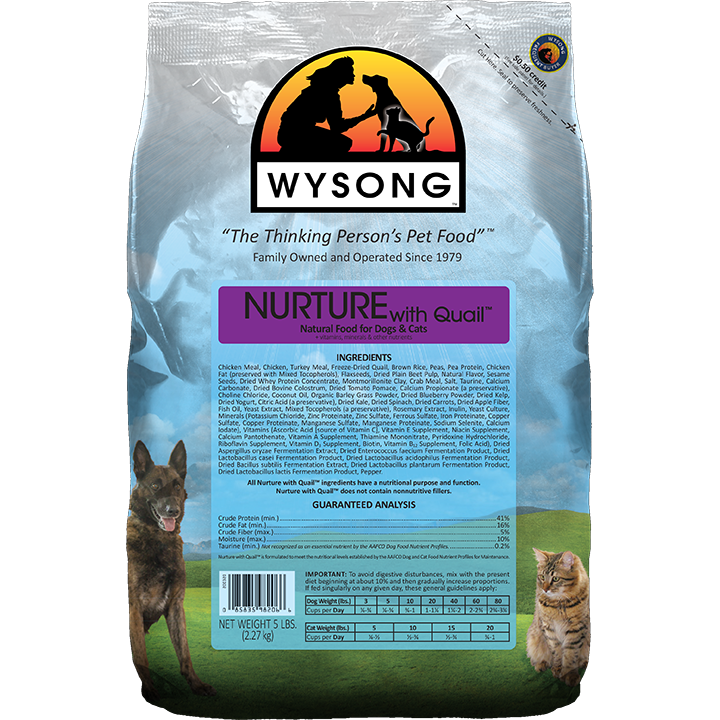
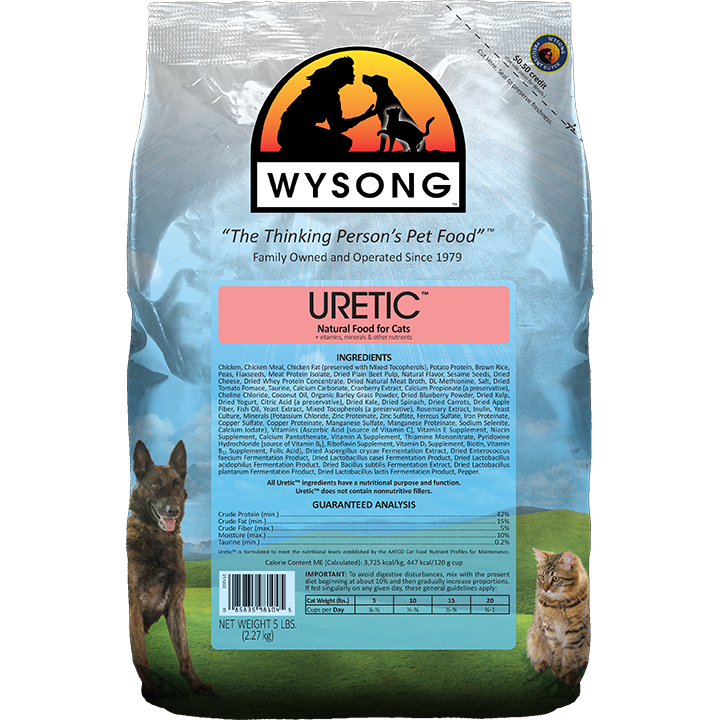
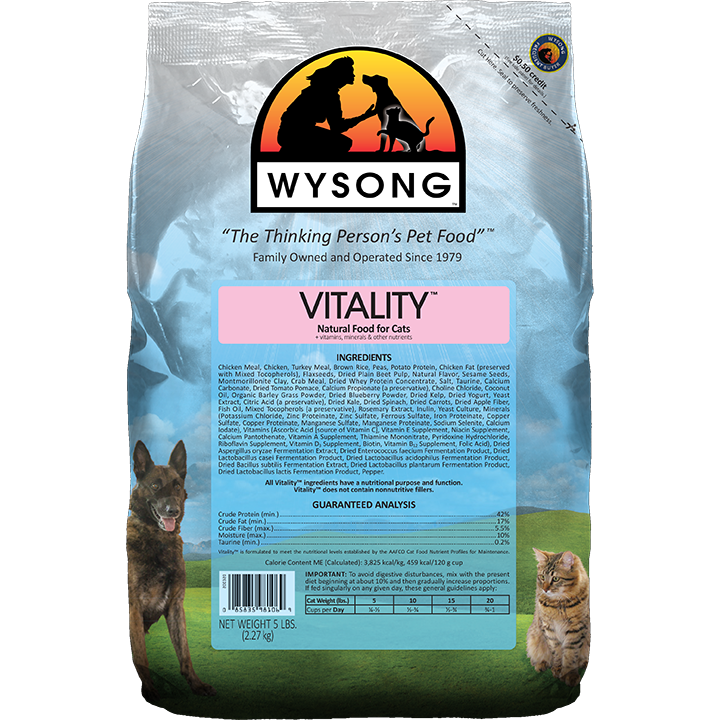
17 foods in the KibbleLab database contain Sesame, including Halo, Solid Gold, Wysong.
Foods with Sesame
Alphabetical by brand. Scores run 0 to 10, higher is better, on published veterinary science.





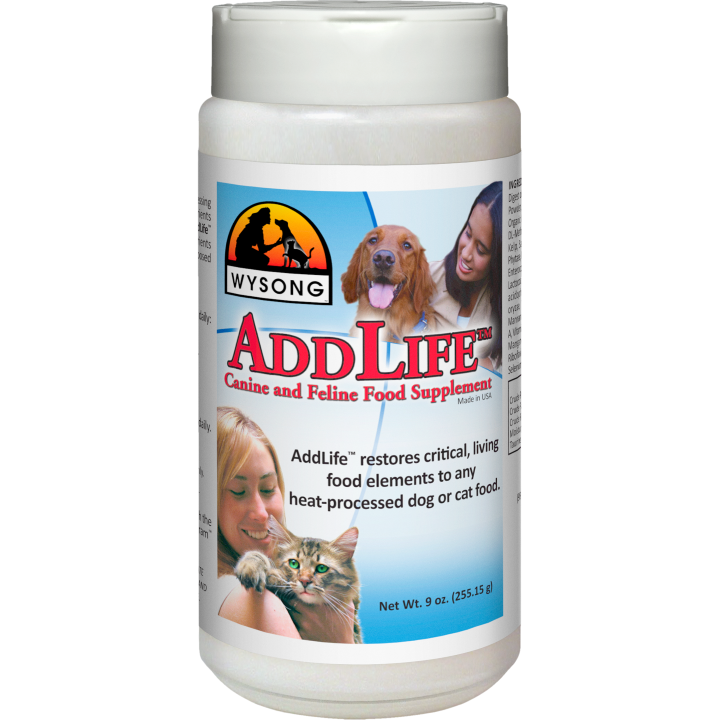

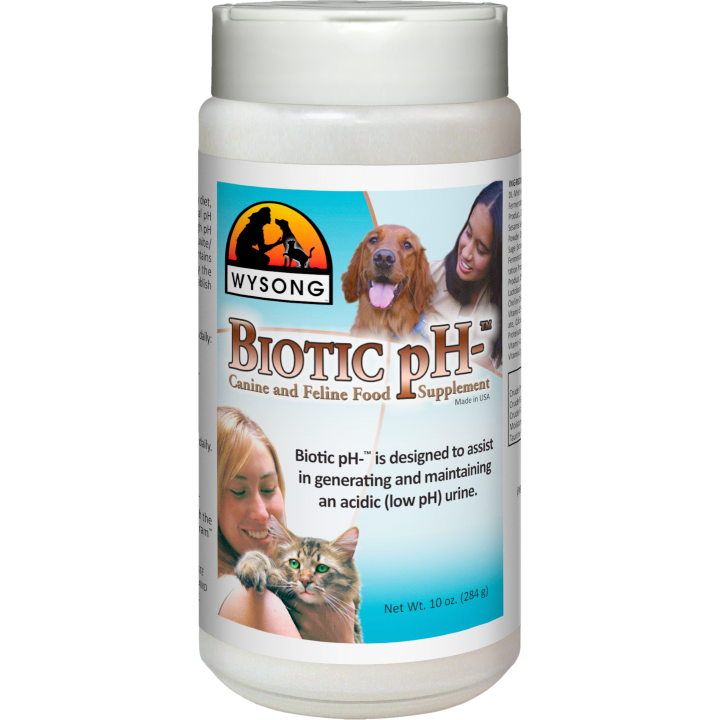
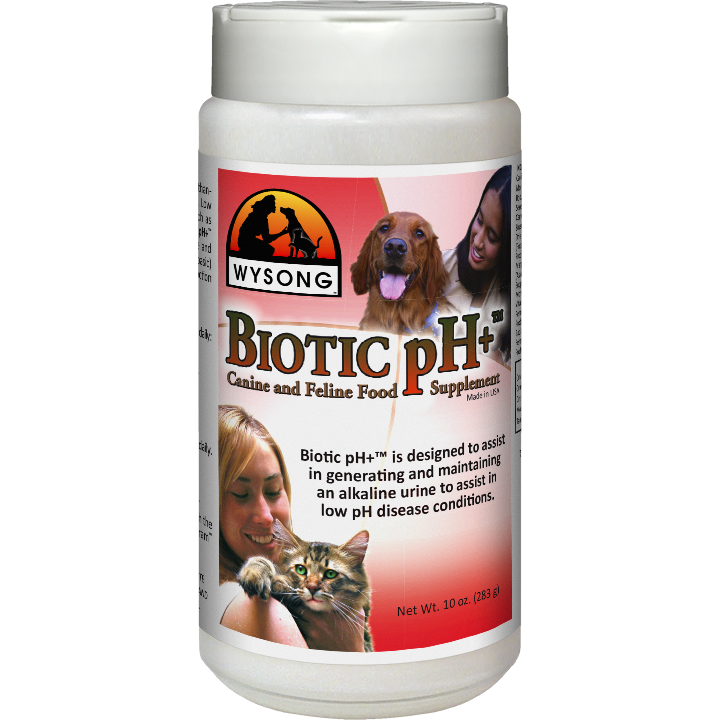

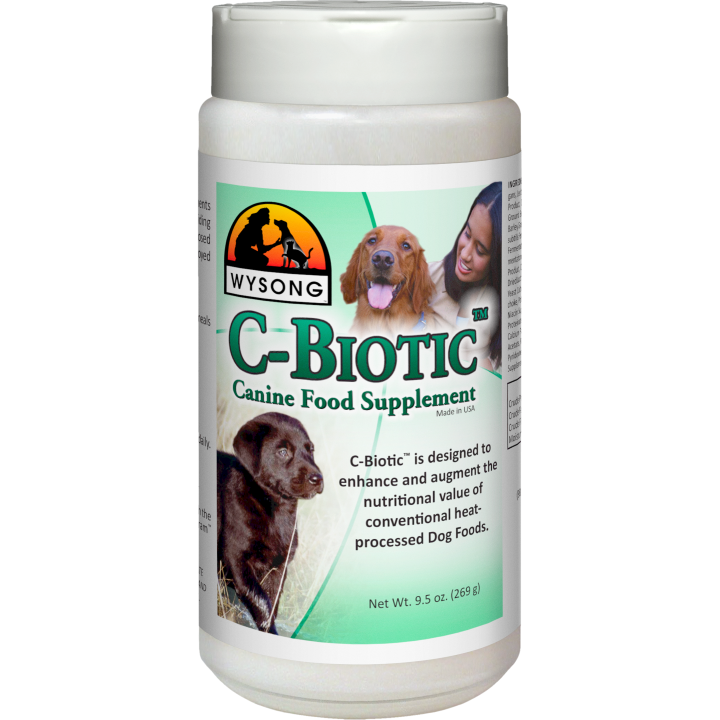


Find the right food for your pet
Sign in free to sort and filter by score, and avoid or require Sesame in the Food Finder. Add KL+ to see these foods ranked for your pet's breed, age, and health focus.

 Continue with Google
 Continue with Facebook