Squid
5 foods contain this ingredient
This is an alphabetical list, not a ranking. Add KL+ to rank foods for your pet in the Food Finder.
About Squid
Squid is a seafood protein sometimes added to pet food for its taurine content and palatability.
Squid is used in pet foods as a novel animal protein and flavorful seafood ingredient, supplying highly digestible protein, taurine (important for cats), and marine fatty acids plus minerals that can support skin, coat and overall nutrition. It is palatable and nutrient-dense but can trigger seafood allergies in some pets and may carry risks if poorly handled (histamine, parasites or contaminants), so it should be sourced and processed safely and used with caution in animals with known sensitivities or certain metabolic conditions.
Related ingredients
- Derived from
- whole squid or squid meal
- Primary role
- animal protein and taurine source
Why it's used
Squid supplies highly digestible protein and taurine, an amino acid cats cannot synthesize in adequate amounts on their own and that is tied to heart and eye health. Its strong aroma and flavor also make it a palatability booster in some formulas.
Common concerns
- Seafood allergies Fish is among the more commonly reported food allergens in cats. Squid is a mollusk rather than a finfish, so a known fish allergy does not reliably predict a reaction to squid, though squid can still trigger its own allergic response in sensitive pets.
- Histamine buildup Improperly stored seafood can accumulate histamine, and histamine (scombroid-type) reactions are most often documented with certain finfish such as tuna and mackerel; squid is less commonly implicated but can still accumulate histamine if mishandled.
- Choking and blockage risk with whole pieces Whole squid rings or tentacles are dense and rubbery, and veterinary sources note they can be difficult for pets to chew fully, raising a choking or intestinal blockage concern if fed as large pieces rather than processed into food.
Also relevant
Commercial pet food using squid is typically cooked and processed into meal or whole-prey form rather than served as raw tentacle pieces, which reduces the handling and choking concerns tied to home feeding.
4 sources cited
- Squid as a source of taurine, an amino acid essential for cats
- Fish and seafood rank among the most common feline food allergens; squid can cause allergic reactions
- Histamine (scombroid) toxicity mechanism from improperly stored seafood
- Whole squid pieces are dense and rubbery, posing a choking and blockage risk if swallowed whole
Common Questions
What category is Squid?
Squid is categorized as a protein ingredient in the KibbleLab database.
Is Squid part of an allergen group?
Yes. Squid is grouped under the Shellfish allergen group in the KibbleLab database.
Which foods contain Squid?
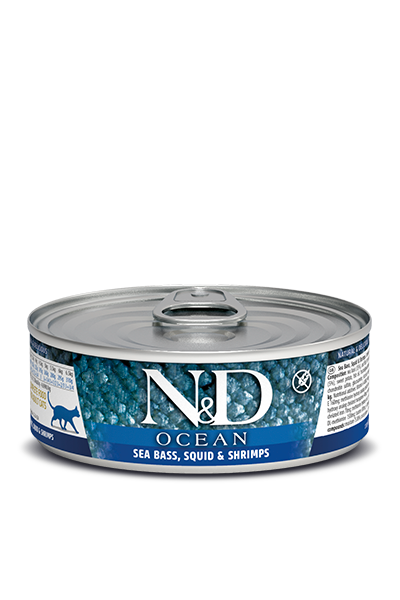
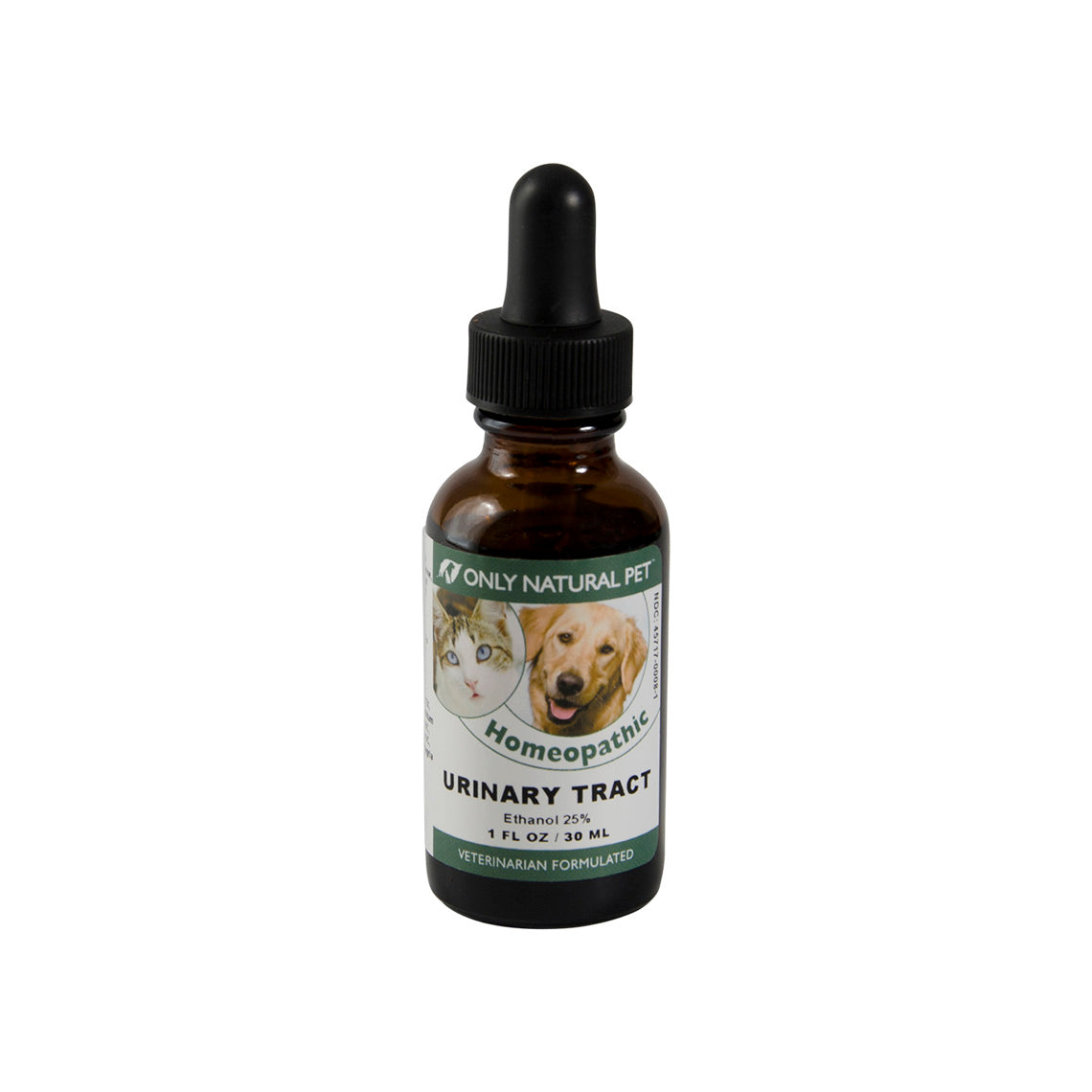
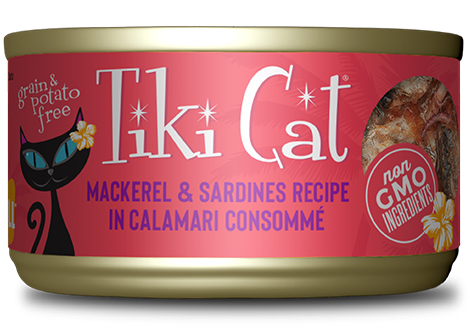
5 foods in the KibbleLab database contain Squid, including Farmina, Only Natural Pet, Snappy Tom.
Foods with Squid
Alphabetical by brand. Scores run 0 to 10, higher is better, on published veterinary science.



Find the right food for your pet
Sign in free to sort and filter by score, and avoid or require Squid in the Food Finder. Add KL+ to see these foods ranked for your pet's breed, age, and health focus.

 Continue with Google
 Continue with Facebook