Wild Yam
6 foods contain this ingredient
This is an alphabetical list, not a ranking. Add KL+ to rank foods for your pet in the Food Finder.
About Wild Yam
Wild Yam is the dried root of Dioscorea villosa, added to pet products as a botanical extract rather than a food ingredient.
Wild yam is used in pet foods and supplements as an herbal botanical rather than a macronutrient, included for its saponins (such as diosgenin) and often marketed for digestive support, mild anti‑inflammatory effects, or as a traditional “hormone‑support” botanical. It supplies negligible calories or protein, has limited clinical evidence for clear benefits in dogs and cats, and may cause gastrointestinal upset or allergic reactions; avoid use in pregnant or hormonally sensitive animals or when pets are receiving hormone therapies and consult your veterinarian before use.
Related ingredients
- Derived from
- root/rhizome of Dioscorea villosa
- Primary role
- herbal botanical additive
Why it's used
Formulators include wild yam root extract for its steroidal saponin content, chiefly diosgenin, which has a long history in human herbal medicine for joint and menopause-related complaints. That human tradition is the main reason it shows up in pet supplements, not any body of dog- or cat-specific research.
Common concerns
- Hormone claims are a common misconception Diosgenin can be converted to progesterone in a laboratory, which is how it became a pharmaceutical starting material, but neither the human nor animal body performs that conversion, so marketing that implies direct hormonal effects overstates the pharmacology.
- Little pet-specific research Published toxicology and pharmacology work on Dioscorea villosa is limited to rodent and cell-culture studies, with no veterinary clinical trials in dogs or cats identified in the literature.
- Digestive reactions As with many concentrated botanical extracts, some animals may experience gastrointestinal upset such as vomiting, diarrhea, or reduced appetite after ingestion.
- Not covered by standard poison-control plant lists Wild yam does not appear on ASPCA's toxic or non-toxic plant lists for dogs or cats, so owners cannot rely on that resource for guidance specific to this plant.
Also relevant
A rodent study on Dioscorea villosa extract reported no acute or subchronic toxicity at the doses tested, though this does not substitute for research conducted specifically in dogs or cats.
4 sources cited
- ASPCA toxic and non-toxic plant lists do not include Wild Yam or any Dioscorea species for dogs
- Rodent acute and subchronic toxicity study found no evident toxicity from Dioscorea villosa extract, plus documented antinociceptive and anti-inflammatory activity
- Diosgenin was historically used as a laboratory precursor for synthesizing progesterone, but the human body lacks the enzymatic pathway to make that conversion itself, undercutting direct 'natural hormone' marketing claims
- Wild yam (with diosgenin, trillium, and fenugreek) is referenced in the veterinary herbal medicine literature as a diosgenin source, though without dog/cat-specific dosing or outcome studies
Common Questions
What category is Wild Yam?
Wild Yam is categorized as a herb ingredient in the KibbleLab database.
Is Wild Yam part of an allergen group?
No allergen group is linked to Wild Yam in the KibbleLab database.
Which foods contain Wild Yam?
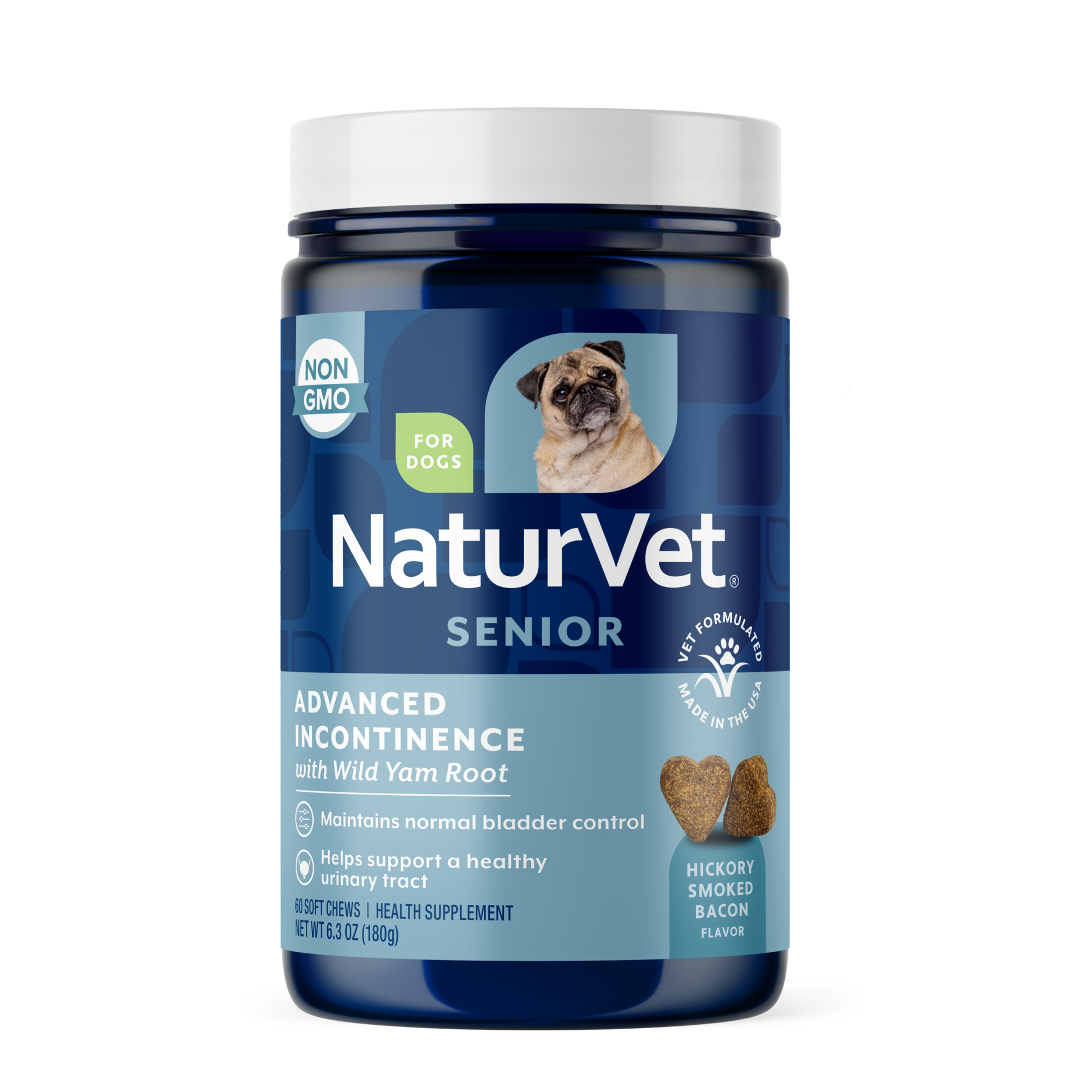
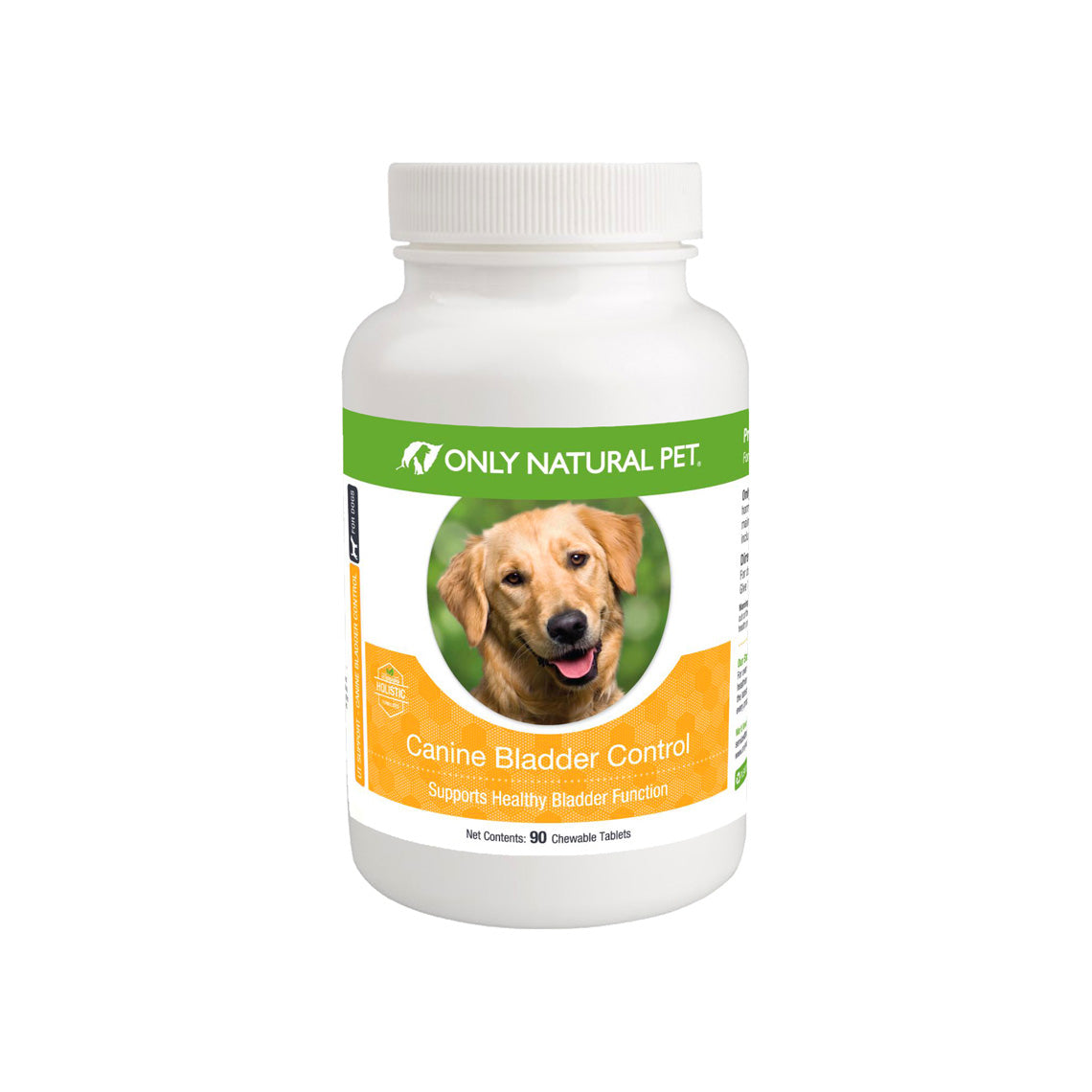
6 foods in the KibbleLab database contain Wild Yam, including NaturVet, Nutri-Vet, Only Natural Pet.
Foods with Wild Yam
Alphabetical by brand. Scores run 0 to 10, higher is better, on published veterinary science.



Find the right food for your pet
Sign in free to sort and filter by score, and avoid or require Wild Yam in the Food Finder. Add KL+ to see these foods ranked for your pet's breed, age, and health focus.

 Continue with Google
 Continue with Facebook