Yellow Mustard
5 foods contain this ingredient
This is an alphabetical list, not a ranking. Add KL+ to rank foods for your pet in the Food Finder.
About Yellow Mustard
Yellow mustard shows up in pet food formulas as a trace seasoning, added for its sharp aroma rather than for any nutritional contribution.
Yellow mustard is usually included in pet foods as a flavoring or spice rather than a significant source of nutrients, contributing minimal protein or fiber while imparting a pungent, savory note. In small amounts it is generally considered safe for dogs and cats, but concentrated mustard preparations or large quantities can irritate the gastrointestinal tract and contain glucosinolate-derived compounds that may affect sensitive animals, so it should be used sparingly and avoided in pets with digestive or thyroid issues.
- Derived from
- seeds of the Sinapis alba (white/yellow mustard) plant
- Primary role
- flavoring and aroma agent
Why it's used
Ground yellow mustard seed delivers a sharp, tangy note that formulators use to round out savory flavor profiles, much as it does in human condiments. It appears in pet food at low inclusion levels, contributing essentially no protein, fat, or fiber to the finished diet.
Common concerns
- Isothiocyanates and GI irritation Mustard seed and mustard plants contain glucosinolates that convert to isothiocyanates, compounds ASPCA's plant toxicity database identifies as causing gastrointestinal irritation and colic, though its published entries for wormseed mustard and white/black/yellow/Indian mustard list horses as the affected species rather than dogs or cats.
- Condiment additives Prepared mustard condiments can include onion or garlic powder, salt, or other seasonings that carry their own documented concerns for dogs and cats independent of the mustard itself, so the full ingredient list of any condiment matters more than the mustard alone.
- Goitrogenic compounds Mustard belongs to the same glucosinolate-containing plant family as other cruciferous vegetables, and these compounds are described in the nutrition literature as goitrogenic, meaning they can interfere with iodine uptake and thyroid hormone synthesis, an effect noted mainly with large, regular intake rather than the trace amounts used as a flavoring.
Also relevant
Reported case discussions of mustard-related GI upset in dogs generally involve ingestion of raw seeds, mustard powder, or whole mustard plant material rather than the small amounts of prepared mustard used to season a commercial pet food, and any pet showing vomiting, diarrhea, or drooling after eating a mustard-containing product should be evaluated by a veterinarian.
4 sources cited
- Toxic principle (isothiocyanates) and clinical signs (GI irritation, colic) for wormseed mustard, listed for horses
- Toxic principle (isothiocyanates) and clinical signs (GI irritation, colic) for white/black/yellow/Indian mustard (Brassica spp.), listed for horses
- Glucosinolates in cruciferous plants convert to isothiocyanates and other goitrogenic byproducts that can interfere with iodine uptake and thyroid hormone synthesis
- Glucosinolates are a sulfur-containing glucoside family of phytochemicals found in mustard and related Brassicaceae plants
Common Questions
What category is Yellow Mustard?
Yellow Mustard is categorized as a herb ingredient in the KibbleLab database.
Is Yellow Mustard part of an allergen group?
No allergen group is linked to Yellow Mustard in the KibbleLab database.
Which foods contain Yellow Mustard?
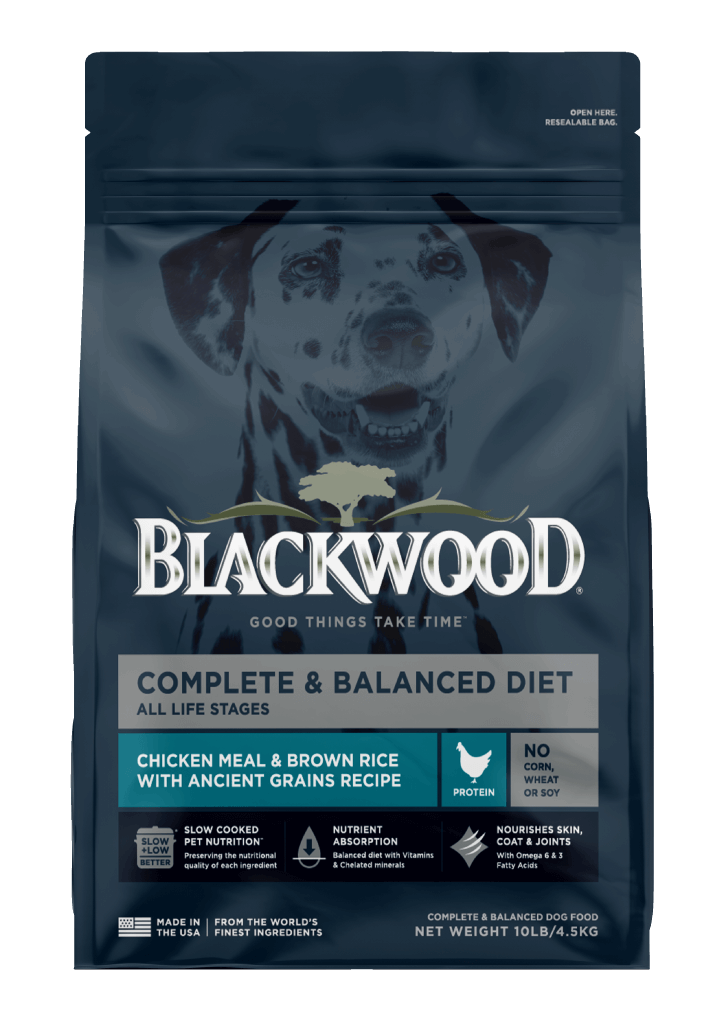
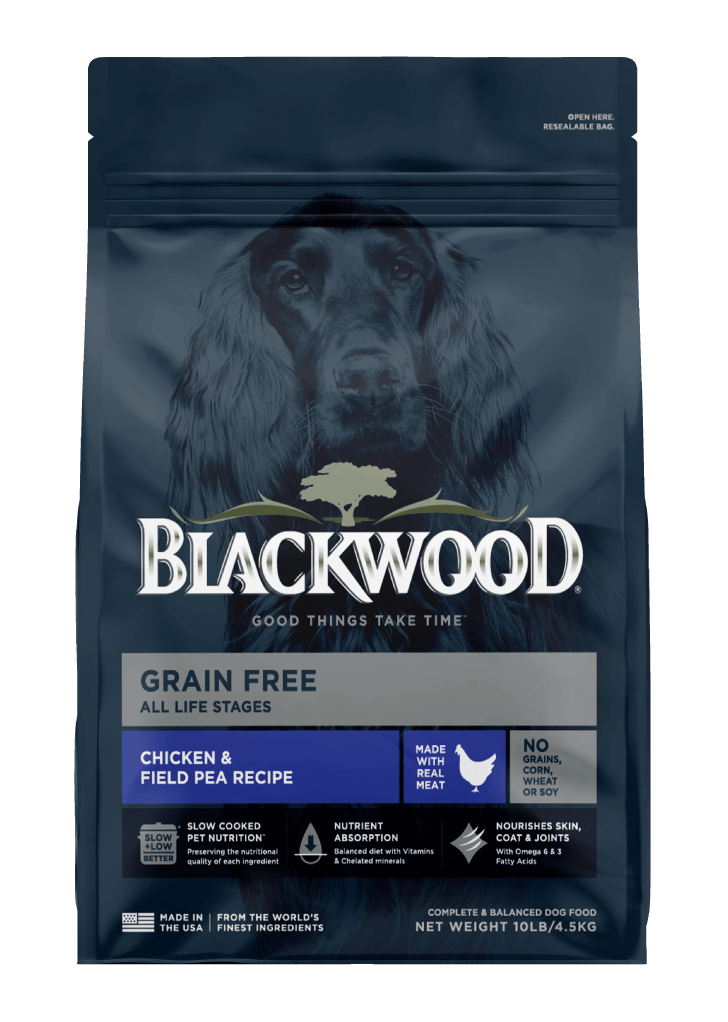
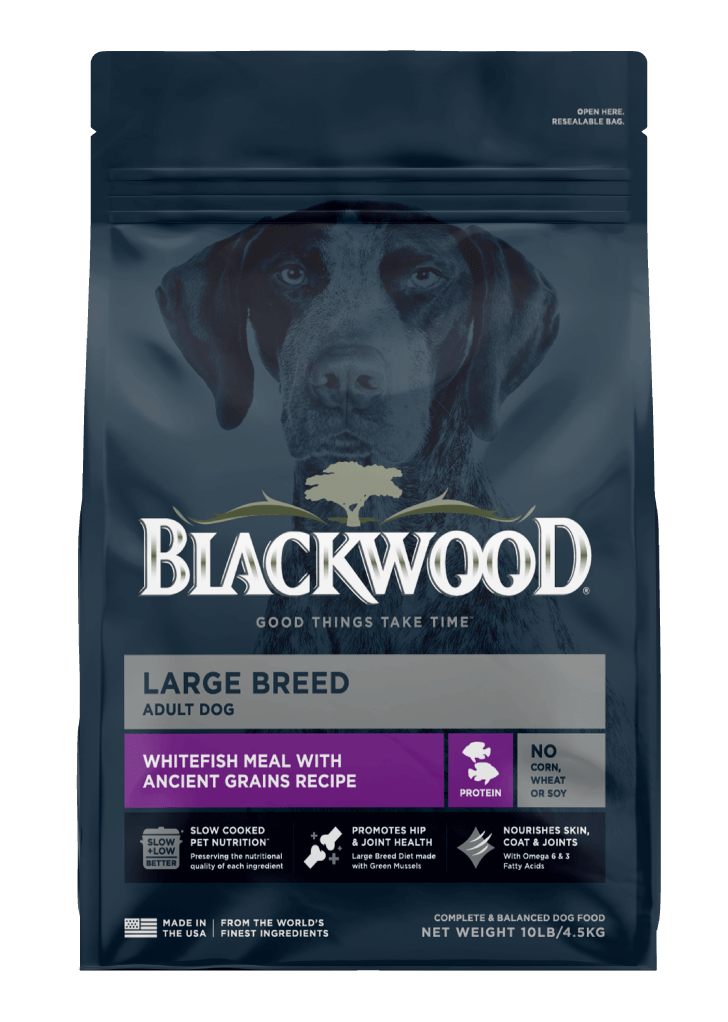
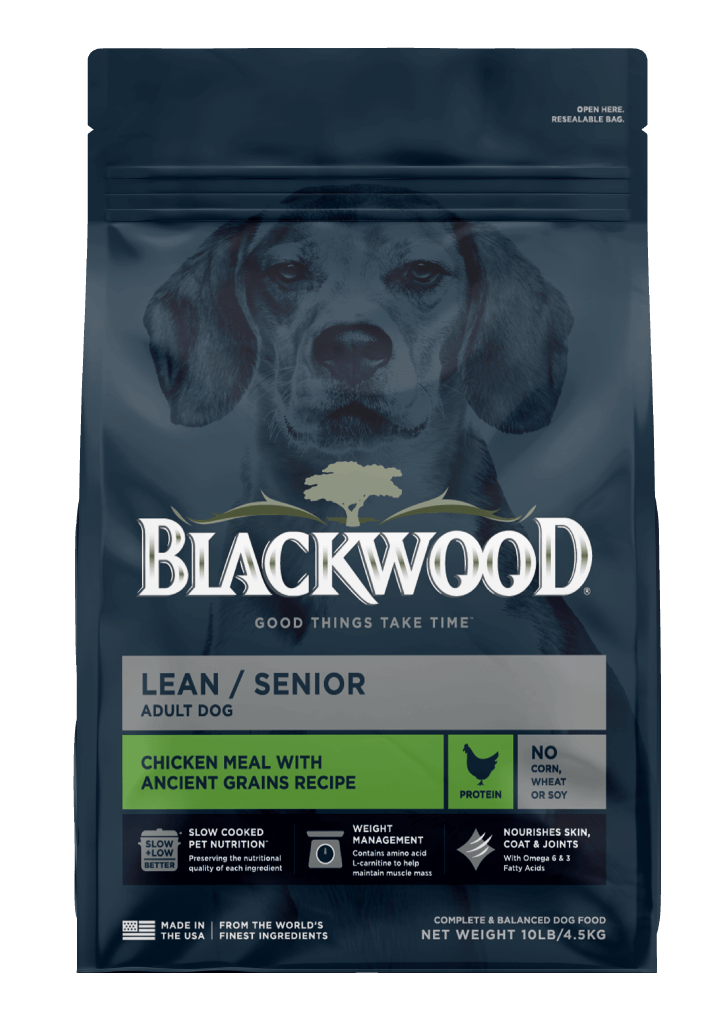
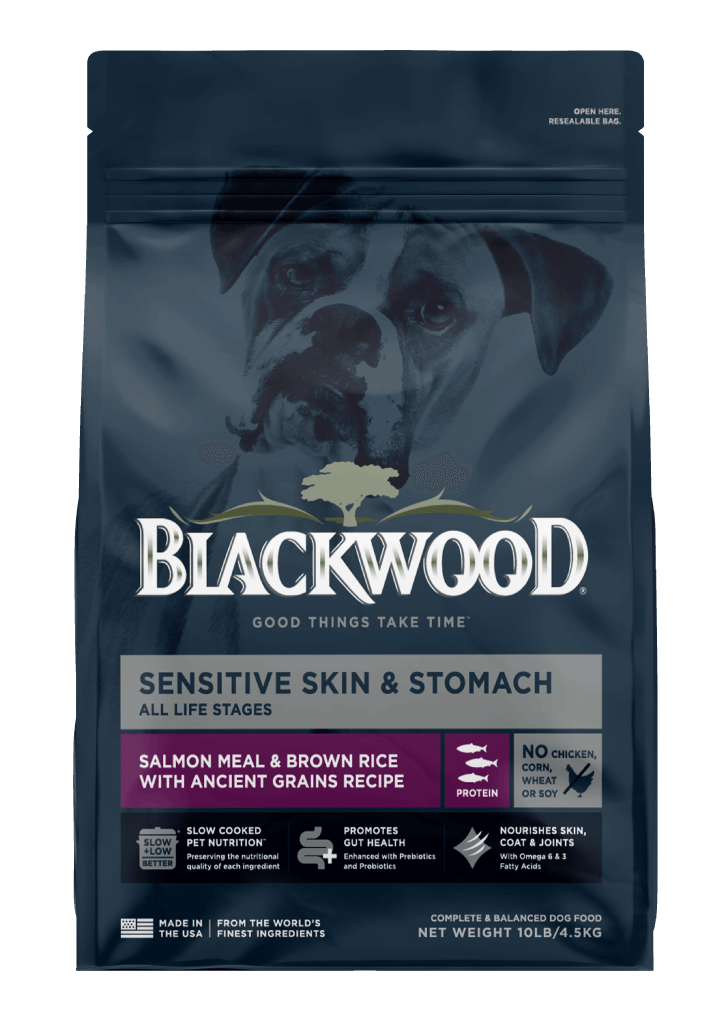
5 foods in the KibbleLab database contain Yellow Mustard, including Blackwood.
Foods with Yellow Mustard
Alphabetical by brand. Scores run 0 to 10, higher is better, on published veterinary science.
Find the right food for your pet
Sign in free to sort and filter by score, and avoid or require Yellow Mustard in the Food Finder. Add KL+ to see these foods ranked for your pet's breed, age, and health focus.

 Continue with Google
 Continue with Facebook