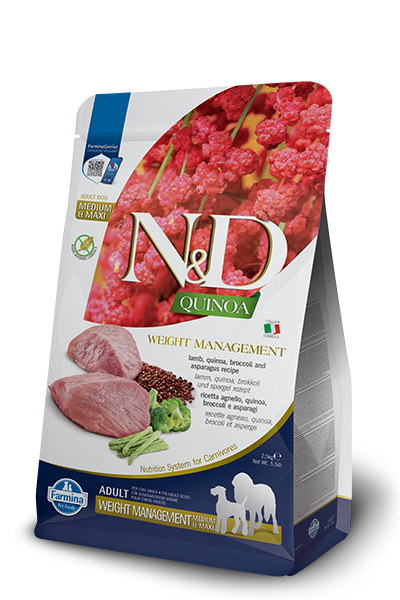
N&D Quinoa Weight Management Lamb, Quinoa, Broccoli and Asparagus Dry Dog Food
Verified Sep 16, 2026
A lower‑fat, high‑fiber dry food designed for adult medium and large breed dogs who need help managing their weight. It uses lamb and dehydrated lamb as primary protein sources, with quinoa, beet pulp, pea fiber, and psyllium providing fiber to help dogs feel fuller on fewer calories. Added omega‑3s, glucosamine, and chondroitin support overall wellness in dogs maintained on a reduced‑calorie diet.
Jump to ingredientsAffiliate link · may earn a commission at no extra cost to you
Strong Choice
This is a complete and balanced, reduced‑fat kibble formulated for adult dogs, particularly medium and large breeds that need weight management. It offers moderate protein with relatively low fat and higher fiber, which can help control calories while maintaining muscle. It’s a good option for otherwise healthy adult dogs who need to lose or maintain weight under veterinary guidance.
Computed from 4 of 4 applicable checks. Missing data is skipped, never counted against a food.
The KibbleLab Score (1–10) is assessed from publicly available product data. Our evaluation is science-based, not marketing-based.
KibbleLab may earn an affiliate commission when you buy through a link. No one can pay for a higher score, or to change what we recommend for your pet.
At a Glance
Where these benefits come from
Benefits the manufacturer highlights in its own product marketing. KibbleLab lists them for reference and does not verify these claims.KibbleLab Review
Strengths
- Protein comes mainly from lamb and dehydrated lamb, with additional animal proteins for a good amino acid mix.
- The fat level is kept low at 8%, while fiber is relatively high, which can help with weight control and satiety.
- Contains omega‑3 sources like herring oil and flaxseed, which can support skin, coat, and general health.
- Includes glucosamine and chondroitin, which can be helpful extras for joint support in overweight or larger dogs.
Considerations
- Contains lamb, pork, chicken fat, fish, and egg‑related components, so it is not suitable for dogs with multiple protein allergies.
- Legume ingredients like pea starch and pea fiber are fairly prominent; dogs with legume sensitivities may not do well on this.
- Calorie density is still moderate at about 298 kcal per cup, so portion control is important for weight loss.
- Formulated to AAFCO standards by nutrient profiles rather than proven through feeding trials, so it has not been test‑fed in research settings.
Full Ingredient List
Ingredients and analysis reflect manufacturer data at the time of our last update and can change without notice. Always check the actual product packaging before feeding.
Ingredient filtering helps identify compatible options but is not a substitute for a veterinary elimination diet.
Top 5 Ingredients Explained
01
Lamb
Lamb is commonly used in dog and cat foods as a high-quality animal protein that supplies essential amino acids, iron and B vitamins and is often chosen for its palatability or as a “novel” protein in elimination diets. It can be higher in fat and calories than some other meats and may still cause allergic reactions in sensitive animals, so owners of overweight pets or those with food sensitivities should consult a veterinarian and use proper handling/cooking practices if feeding raw or homemade lamb.
View ingredient
02
Lamb
Lamb is commonly used in dog and cat foods as a high-quality animal protein that supplies essential amino acids, iron and B vitamins and is often chosen for its palatability or as a “novel” protein in elimination diets. It can be higher in fat and calories than some other meats and may still cause allergic reactions in sensitive animals, so owners of overweight pets or those with food sensitivities should consult a veterinarian and use proper handling/cooking practices if feeding raw or homemade lamb.
View ingredient
03
Pea Starch
Pea starch is used in pet foods primarily as a carbohydrate binder, thickener and texture agent to help form kibble and provide readily digestible energy, rather than as a protein or fiber source. It is a gluten‑free, highly digestible starch that can increase calorie density and glycemic load (important for overweight or diabetic pets) and, like other pea/legume ingredients used in high amounts in some grain‑free diets, should be part of a balanced formulation chosen with veterinary guidance for pets with special health concerns.
04
Pea Fiber
Pea fiber is an insoluble plant fiber derived from peas commonly used in pet foods as a source of dietary fiber and as a texturizer/binder to help form kibble, increase stool bulk, and reduce calorie density; it provides little protein, fat, vitamins, or minerals but can aid satiety and regularity in dogs and cats. While pea fiber can support digestive health and weight management, it may cause gas or looser stools in some pets and — because pea-derived ingredients have been discussed in the context of concerns about grain‑free diets and canine dilated cardiomyopathy — it should be used as part of a balanced, veterinarian‑approved formulation rather than in excessive amounts.
05
Beet Pulp
Beet pulp is a moderately fermentable fiber ingredient derived from sugar beet processing that is commonly added to dog and some cat foods to provide soluble and insoluble fiber for healthy digestion and firmer stool. It supports beneficial gut bacteria and satiety by producing short-chain fatty acids, but it is not a significant source of protein or vitamins and quality can vary, so pets with specific dietary sensitivities or strict low‑carbohydrate needs should have its use discussed with a veterinarian.
Nutritional Breakdown
How to read As Fed versus Dry Matter
As fed shows the numbers straight off the label, water included. Dry matter removes the water so you can compare a wet food and a dry food fairly.What is calorie density
How many calories the food packs per unit. Denser foods mean smaller portions for the same calories.Not sure how much of this to feed?
The right daily portion depends on your dog's weight, age, and activity level. Create a free account, add your dog, and get their daily calories and portion sizes.
Product Details & Brand
Product Specs
AAFCO Nutritional Adequacy
What is AAFCO
Association of American Feed Control Officials. It sets the nutritional
adequacy standards US pet foods are measured against.
What is AAFCO
Association of American Feed Control Officials. It sets the nutritional adequacy standards US pet foods are measured against.Brand
Farmina is the flagship brand of Farmina Pet Foods, known for its Natural & Delicious (N&D) and Vet Life lines. The brand focuses on diets that combine natural ingredients with scientific research. Farmina’s offerings target premium pet owners seeking nutritionally balanced recipes made with high-quality proteins and low-glycemic carbohydrates.
Manufacturer
Farmina operates its own manufacturing facilities in Italy, Serbia, and Brazil, allowing complete control over ingredient sourcing, formulation, and production quality. The company follows strict quality assurance protocols and complies with international food safety standards including HACCP and ISO-certified processes.
Manufacturing details are compiled from public sources and not independently verified; they may not reflect contract manufacturing or co-packing.
Recall History
No recall is listed for Farmina N&D Quinoa Weight Management Lamb, Quinoa, Broccoli and Asparagus Dry Dog Food.
Source: FDA animal food recall listings back to January 2019 · Checked daily, last on Oct 17, 2026
Sign up for the full picture
Ingredient Check
We'll check every ingredient against your pet's profile.
Feeding Calculator
Personalized portion sizes based on your pet's weight, age, and activity level.
Side-by-Side Comparison
Compare this food with alternatives to find the best fit.
Similar Foods
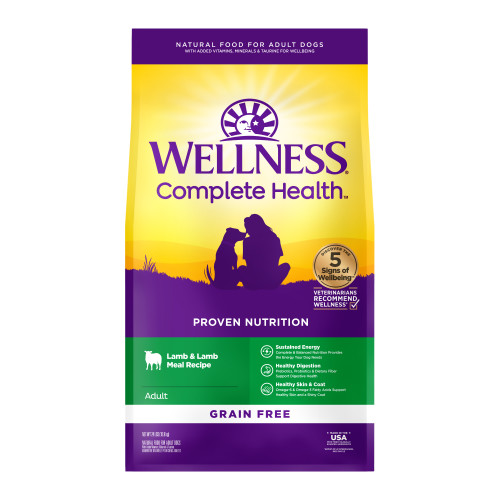
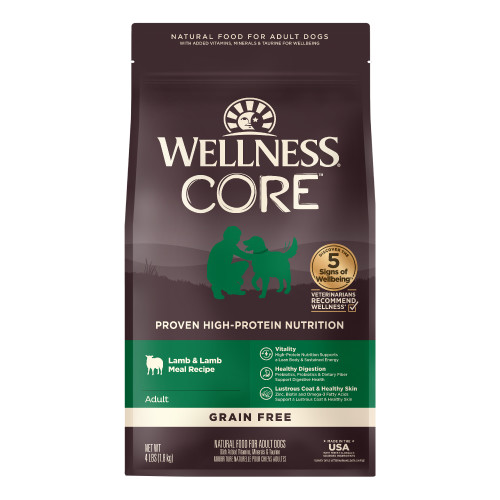
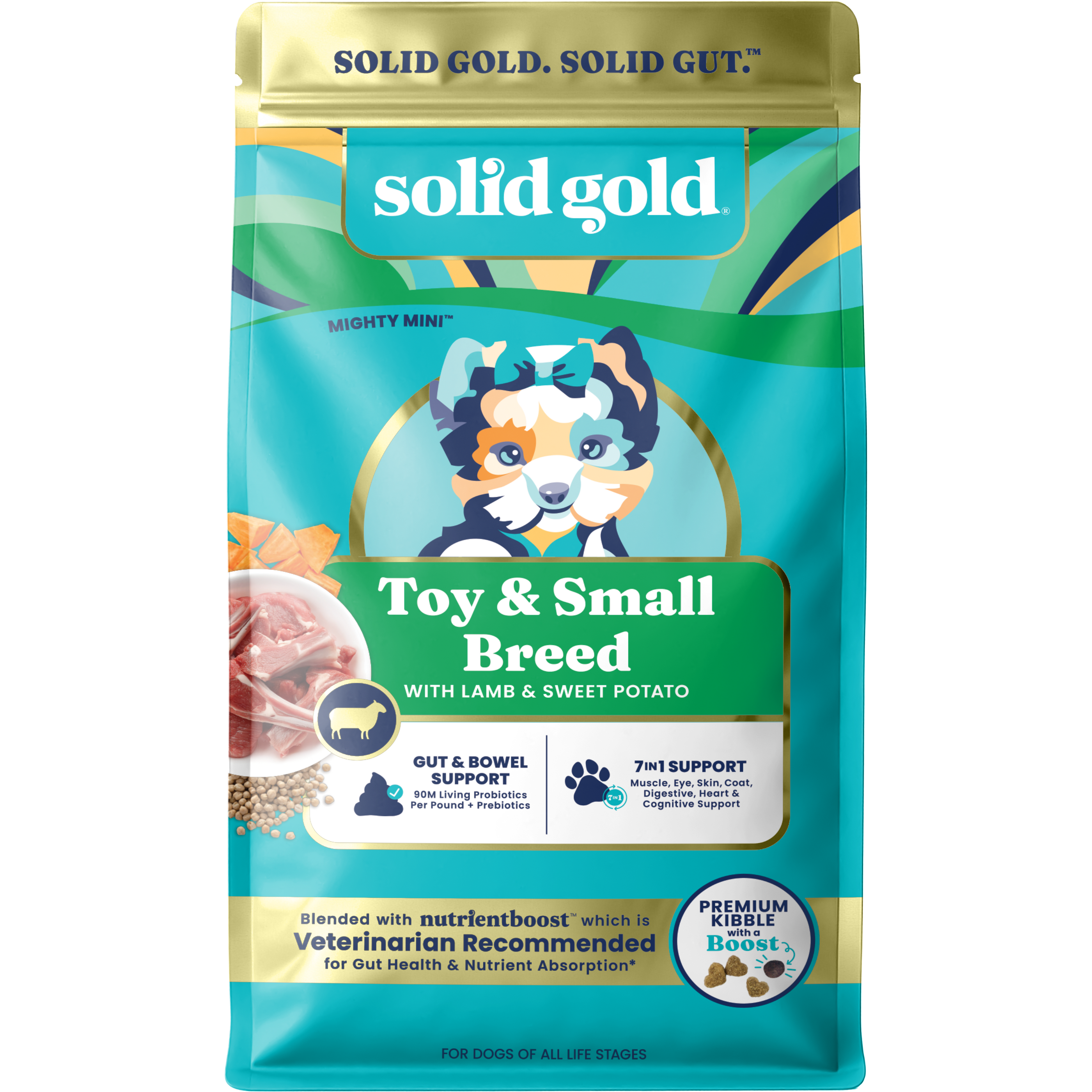
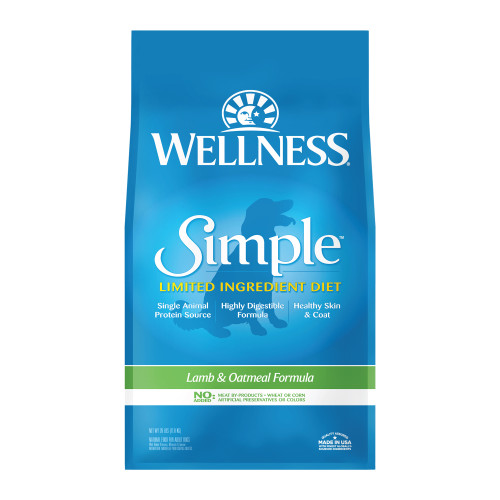

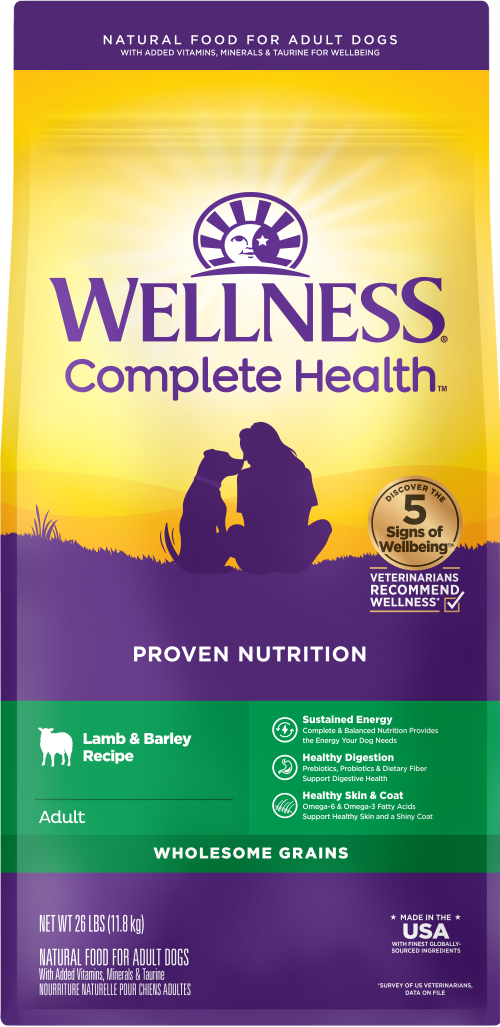
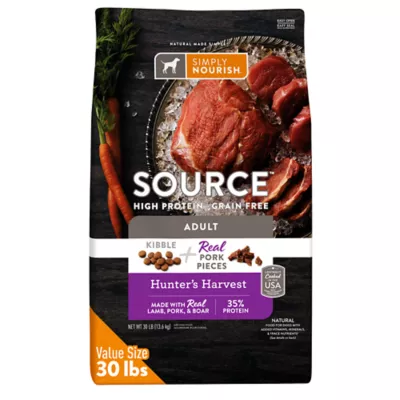
Post your dog's report card and challenge friends to check their food.
Frequently Asked Questions
Has Farmina ever been recalled?
We have no recalls on record for Farmina. We track the FDA's animal food recall listings back to January 2019 and publish every pet food recall automatically. A filing that isn't pet food may not appear here.
How does KibbleLab rate foods?
Our scores are based on ingredient composition, nutritional profile, AAFCO compliance, and health considerations. We don't penalize by-products, grains, or synthetic preservatives. Brands cannot pay for higher scores.
Is KibbleLab a substitute for veterinary advice?
No. KibbleLab provides data-driven food analysis, not medical advice. Always consult your veterinarian before making dietary changes, especially for pets with health conditions.
KibbleLab provides informational content only. This is not veterinary advice. Always consult a qualified veterinarian before changing your pet's diet.
KibbleLab may earn affiliate commissions through product links. No one can pay for a higher score, or to change what we recommend for your pet.
Product data sourced from manufacturer websites, AAFCO statements, and FDA recall listings. Last verified dates reflect our most recent data check. We track the FDA's animal food recall listings back to January 2019 and publish every pet food recall automatically. A filing that isn't pet food may not appear here.

 Continue with Google
 Continue with Facebook