
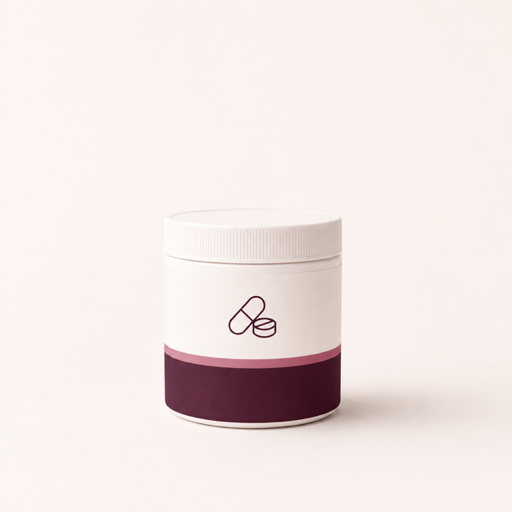
Probiotic Formula Soft Chew Supplement
Verified Aug 26, 2026
This is a soft chew probiotic supplement for dogs designed to support everyday digestive and bowel health. It combines several probiotic strains with pumpkin, manuka honey, colostrum, flaxseed, and sea moss in a treat-like format. It’s intended as a gut support add-on to a complete dog diet, not a stand‑alone food.
Jump to ingredientsAffiliate link · may earn a commission at no extra cost to you
Solid Option
This probiotic soft chew can be a useful add-on for dogs who need a little extra digestive support, such as those with intermittent loose stools or sensitive digestion. It provides multiple probiotic strains alongside pumpkin and other fiber- and nutrient-rich ingredients. It’s best used alongside a balanced dog food as part of an overall plan for gut health.
Computed from 3 of 3 applicable checks. Missing data is skipped, never counted against a food.
The KibbleLab Score (1–10) is assessed from publicly available product data. Our evaluation is science-based, not marketing-based.
KibbleLab may earn an affiliate commission when you buy through a link. No one can pay for a higher score, or to change what we recommend for your pet.
At a Glance
Where these benefits come from
Benefits the manufacturer highlights in its own product marketing. KibbleLab lists them for reference and does not verify these claims.KibbleLab Review
Strengths
- Includes several probiotic strains, which can help support a healthy balance of gut bacteria in many dogs.
- Pumpkin and flaxseed provide fiber that can support stool quality and regular digestion.
- Colostrum, manuka honey, and sea moss add additional bioactive compounds that may support gut and immune function.
- Soft chew format can make it easier to give to dogs who resist powders or capsules.
Considerations
- This is a supplement, so it does not provide complete and balanced nutrition on its own and must be fed with regular dog food.
- Contains chicken flavor, which is not ideal for dogs with known chicken allergies or sensitivities.
- Manuka honey adds sugar, so use with caution in overweight dogs or those needing strict calorie control.
Full Ingredient List
Ingredients and analysis reflect manufacturer data at the time of our last update and can change without notice. Always check the actual product packaging before feeding.
Ingredient filtering helps identify compatible options but is not a substitute for a veterinary elimination diet.
Top 5 Ingredients Explained
01
Pumpkin
Pumpkin is used in pet foods primarily as a fiber-rich carbohydrate and moisture source that can help regulate digestion and firm up loose stools or add bulk for softer stools, and it provides beta-carotene (vitamin A precursor) plus small amounts of vitamins and minerals for dogs and cats. It is safe and beneficial when plain cooked or canned (not spiced or sweetened pie filling), should be fed in moderation as a supplement rather than a primary food, and introduced gradually since large amounts can cause gastrointestinal upset or interfere with absorption of some medications.
View ingredient
02
Manuka Honey
Manuka honey is used in pet food and veterinary products primarily as a natural sweetener, humectant and functional ingredient rather than a substantive nutrient, supplying mainly simple sugars and trace vitamins/minerals with little protein or fiber. It is valued for unique antimicrobial and wound‑healing components (notably methylglyoxal) and may soothe minor throat or digestive irritation, but should be used sparingly because of high sugar and calorie content, avoided in diabetic or overweight pets, and given or applied only with veterinary guidance—especially for very young animals or where allergies are a concern.
03
Seaweed
Seaweed is used in pet food as a source of minerals, vitamins, soluble fiber and functional ingredients (thickeners/umami flavor enhancers) that can provide prebiotic benefits and contribute to texture and palatability. It can supply iodine, trace minerals and antioxidants that support skin, coat and digestive health, but must be used in controlled amounts and sourced carefully because excessive iodine or contamination with heavy metals/sea contaminants can pose health risks.
04
Herb
Herbs are typically used in pet foods as flavoring and minor sources of phytonutrients (antioxidants and aromatic compounds), and some are traditionally included to support digestion or a calming effect. While certain herbs can provide beneficial antioxidants, breath‑freshening or digestive support for dogs and cats, others — especially concentrated extracts or essential oils — can be toxic or interact with medications, so use in small amounts and under veterinary guidance.
05
Mixed Tocopherol
Mixed tocopherols are a blend of natural vitamin E compounds (alpha, beta, gamma and delta tocopherols) used in pet foods primarily as a natural antioxidant and preservative to protect fats and fat‑soluble nutrients and extend shelf life. They also supply dietary vitamin E—an essential antioxidant for immune function, skin and coat health and cellular integrity in dogs and cats—and are generally safe at typical use levels, though they are not a substitute for a complete vitamin formulation and may be less effective in animals with fat‑absorption disorders.
Product Details & Brand
Product Specs
Brand

Aniwell offers natural supplements for dogs and cats, with targeted soft-chew and powder formulas for skin and coat, immune and allergy, digestive, joint and muscle, and dental care, plus a gently cooked fresh dog food line.
Recall History
No recall is listed for Aniwell Probiotic Formula Soft Chew Supplement.
Source: FDA animal food recall listings back to January 2019 · Checked daily, last on Oct 15, 2026
Sign up for the full picture
Ingredient Check
We'll check every ingredient against your pet's profile.
Feeding Calculator
Personalized portion sizes based on your pet's weight, age, and activity level.
Side-by-Side Comparison
Compare this food with alternatives to find the best fit.
Similar Foods



Post your dog's report card and challenge friends to check their food.
Frequently Asked Questions
Has Aniwell ever been recalled?
We have no recalls on record for Aniwell. We track the FDA's animal food recall listings back to January 2019 and publish every pet food recall automatically. A filing that isn't pet food may not appear here.
How does KibbleLab rate foods?
Our scores are based on ingredient composition, nutritional profile, AAFCO compliance, and health considerations. We don't penalize by-products, grains, or synthetic preservatives. Brands cannot pay for higher scores.
Is KibbleLab a substitute for veterinary advice?
No. KibbleLab provides data-driven food analysis, not medical advice. Always consult your veterinarian before making dietary changes, especially for pets with health conditions.
KibbleLab provides informational content only. This is not veterinary advice. Always consult a qualified veterinarian before changing your pet's diet.
KibbleLab may earn affiliate commissions through product links. No one can pay for a higher score, or to change what we recommend for your pet.
Product data sourced from manufacturer websites, AAFCO statements, and FDA recall listings. Last verified dates reflect our most recent data check. We track the FDA's animal food recall listings back to January 2019 and publish every pet food recall automatically. A filing that isn't pet food may not appear here.

 Continue with Google
 Continue with Facebook