

Healthy Weight Supplement Powder
Verified Sep 2, 2026
This is a powdered supplement for dogs and cats designed to be added to meals to support healthy weight management. It uses psyllium husk and rice bran for fiber to help with fullness, along with L‑carnitine, chromium, and probiotics to support metabolism and digestion. It’s meant to be used alongside a balanced diet and exercise rather than as a stand‑alone food.
Jump to ingredientsAffiliate link · may earn a commission at no extra cost to you
Strong Choice
This is a thoughtfully formulated weight-support supplement that combines fiber, metabolic nutrients, and probiotics for dogs and cats. It may be helpful for pets who need extra support with feeling full, mild weight control, or digestive health while staying on their regular diet. As with any supplement, it works best when used under guidance from your veterinarian as part of an overall weight-management plan.
Computed from 3 of 3 applicable checks. Missing data is skipped, never counted against a food.
The KibbleLab Score (1–10) is assessed from publicly available product data. Our evaluation is science-based, not marketing-based.
KibbleLab may earn an affiliate commission when you buy through a link. No one can pay for a higher score, or to change what we recommend for your pet.
At a Glance
Where these benefits come from
Benefits the manufacturer highlights in its own product marketing. KibbleLab lists them for reference and does not verify these claims.KibbleLab Review
Strengths
- Provides multiple fiber sources like psyllium and rice bran, which can help promote a sense of fullness and regular stools.
- Includes L-carnitine and chromium, which are often used to support fat metabolism and healthy blood sugar regulation.
- Contains several probiotic strains that may support digestive health and a balanced gut microbiome.
- Powder form allows flexible dosing for both dogs and cats of different sizes.
Considerations
- Contains whey and soy lecithin, so it is not a good choice for pets with dairy or soy allergies.
- Chicken liver flavor may trigger symptoms in pets with chicken allergies or strict elimination diets.
- This is a supplement, not a complete diet, so it must always be used with a balanced pet food.
- Any weight-loss plan should be supervised by a veterinarian, especially for pets with existing health conditions.
Full Ingredient List
Ingredients and analysis reflect manufacturer data at the time of our last update and can change without notice. Always check the actual product packaging before feeding.
Ingredient filtering helps identify compatible options but is not a substitute for a veterinary elimination diet.
Top 5 Ingredients Explained
01
Psyllium Seed Husk
Psyllium seed husk is a soluble, fermentable fiber derived from the psyllium plant commonly added to pet foods and supplements to bulk and regulate stools, helping relieve constipation, normalize diarrhea, assist hairball passage in cats, and support colonic health. Because it swells when hydrated, it must be given with plenty of water to avoid esophageal or intestinal obstruction, can alter absorption of some oral medications, and should be introduced gradually and used under veterinary guidance rather than as a source of calories or protein.
02
Chicken Liver Flavor
Chicken liver flavor is used primarily as a palatability enhancer in dog and cat foods, made from concentrated chicken liver extracts or flavoring compounds to improve aroma and taste rather than to serve as a significant protein source. Although liver-derived flavors can contribute trace amounts of B vitamins, iron and vitamin A, inclusion levels are typically small, so they shouldn’t be relied on for nutrition; pets with liver-related dietary restrictions, sensitivities, or a history of pancreatitis may warrant caution and owners should consult their veterinarian if concerned.
03
Rice Bran
Rice bran, the nutrient-rich outer layer of the rice kernel, is used in pet foods as a source of dietary fiber, energy-dense fats, and micronutrients (B vitamins, vitamin E and trace minerals) and can help improve palatability and stool quality. It can be a useful ingredient for dogs (and to a lesser extent cats) but is high in oil and can go rancid unless stabilized, contains phytates that may affect mineral absorption, and can concentrate contaminants like inorganic arsenic, so it should be sourced and processed carefully and not be relied on as a primary protein for obligate carnivores.
04
Vitamin E
Vitamin E is a fat‑soluble vitamin and antioxidant commonly added to dog and cat foods both as an essential nutrient and to protect fats and fat‑soluble vitamins from oxidation. It supports immune function, healthy skin and coat, and cellular protection; deficiency is uncommon in complete diets, while excessive supplemental doses are unnecessary and very high amounts may interfere with blood clotting or interact with certain medications.
05
Chia
Chia is used in pet foods as a plant‑based source of soluble and insoluble fiber, plant protein, antioxidants and omega‑3 fatty acids (primarily ALA), often included to support digestion and skin/coat condition. While chia’s fiber and mucilaginous properties can aid gut motility and hydration, dogs and especially cats convert ALA poorly to EPA/DHA so it should not replace marine sources of long‑chain omega‑3s; it is calorie‑dense and may cause gastrointestinal upset if introduced abruptly or fed in large amounts, so use in moderation.
View ingredient
Product Details & Brand
Product Specs
Brand

Holistic pet wellness brand best known for No-Hide rawhide-free chews (launched 2015) and Dr. Bob Goldstein's Wisdom air-dried dog food, plus Apothecary herbal supplements and Nature's Protection herbal flea and tick prevention. Positioned as premium natural "Heart + Science" wellness, sold in 10,000+ stores worldwide.
Manufacturer
Products are formulated by co-founder Dr. Bob Goldstein (integrative veterinarian) to AAFCO nutrient profiles; Wisdom air-dried food is made in-house at Earth Animal's own SQF-certified Riverstone facility in Maryland, while No-Hide chews are produced at a partner baking facility in Lancaster County, PA.

PSC is a nonprofit that Accredits pet companies on their environmental and social impact, through third-party verification. Earth Animal Ventures, Inc. is a PSC Accredited business. View profile
Manufacturing details are compiled from public sources and not independently verified; they may not reflect contract manufacturing or co-packing.
Recall History
No recall is listed for Earth Animal Healthy Weight Supplement Powder.
Source: FDA animal food recall listings back to January 2019 · Checked daily, last on Oct 16, 2026
Sign up for the full picture
Ingredient Check
We'll check every ingredient against your pet's profile.
Feeding Calculator
Personalized portion sizes based on your pet's weight, age, and activity level.
Side-by-Side Comparison
Compare this food with alternatives to find the best fit.
Similar Foods
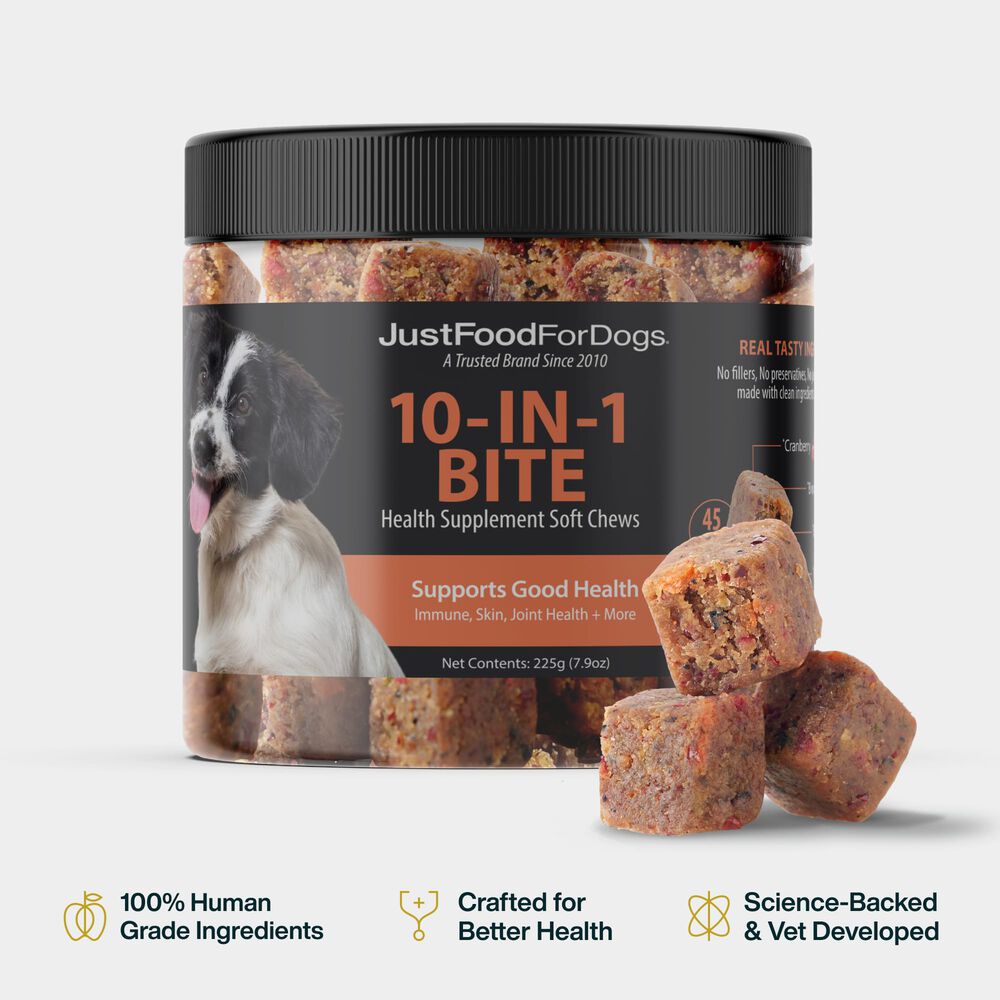

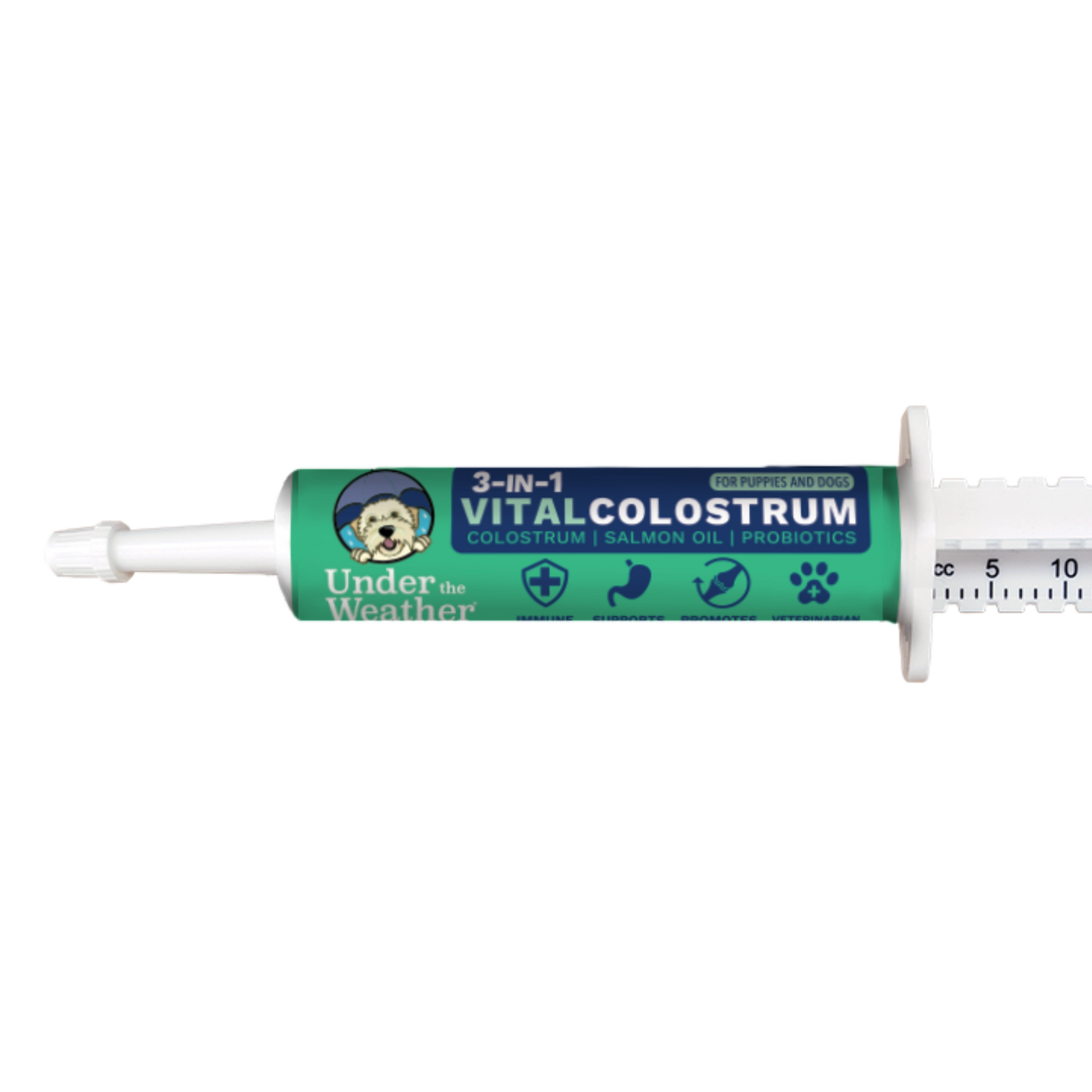
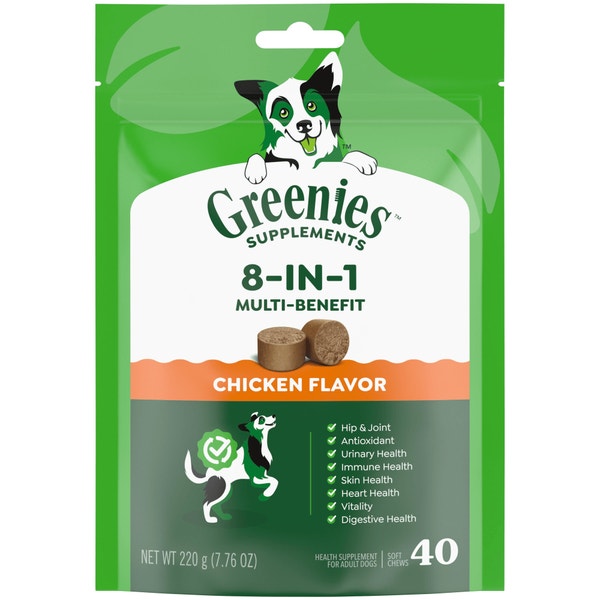


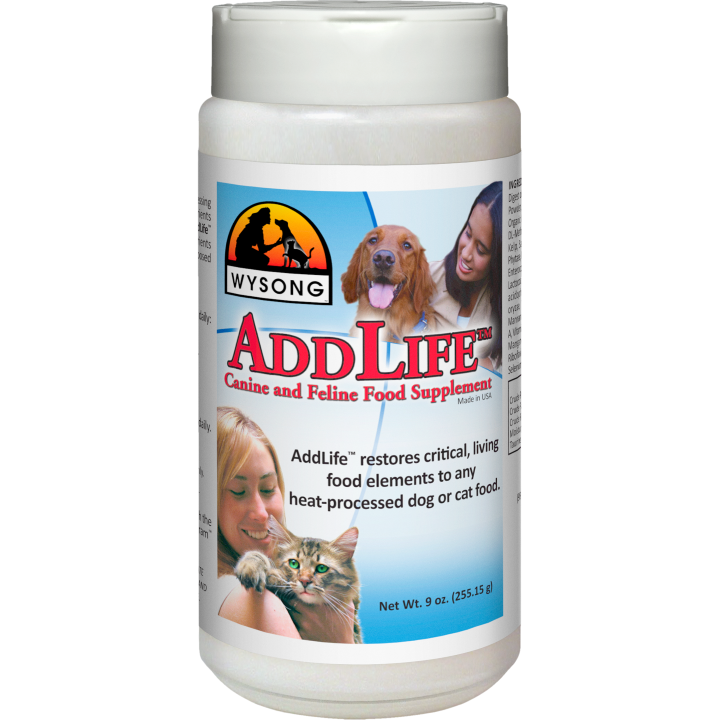

Post your dog's report card and challenge friends to check their food.
Frequently Asked Questions
Has Earth Animal ever been recalled?
We have no recalls on record for Earth Animal. We track the FDA's animal food recall listings back to January 2019 and publish every pet food recall automatically. A filing that isn't pet food may not appear here.
How does KibbleLab rate foods?
Our scores are based on ingredient composition, nutritional profile, AAFCO compliance, and health considerations. We don't penalize by-products, grains, or synthetic preservatives. Brands cannot pay for higher scores.
Is KibbleLab a substitute for veterinary advice?
No. KibbleLab provides data-driven food analysis, not medical advice. Always consult your veterinarian before making dietary changes, especially for pets with health conditions.
KibbleLab provides informational content only. This is not veterinary advice. Always consult a qualified veterinarian before changing your pet's diet.
KibbleLab may earn affiliate commissions through product links. No one can pay for a higher score, or to change what we recommend for your pet.
Product data sourced from manufacturer websites, AAFCO statements, and FDA recall listings. Last verified dates reflect our most recent data check. We track the FDA's animal food recall listings back to January 2019 and publish every pet food recall automatically. A filing that isn't pet food may not appear here.

 Continue with Google
 Continue with Facebook